You want to protect your guns, and a gun safe is the first step. But what happens if there’s a fire?
Not all gun safes can handle extreme heat. So, what makes a gun safe fireproof? Understanding this can save your valuables and give you real peace of mind. Keep reading to discover the key features that keep your guns safe, even when flames are raging.
This knowledge could be the difference between losing everything and keeping your collection secure.
Fireproof Materials
Fireproof materials form the heart of any gun safe designed to resist fire. They protect the contents from extreme heat and flames. These materials work together to keep the inside temperature low during a fire. Each layer has a special role to play in stopping fire damage.
Steel And Composite Layers
Steel is the main shield of a fireproof gun safe. It blocks flames and heat from entering the safe. Composite layers sit between steel walls. These layers include fire-resistant boards or cement. They absorb heat and slow fire spread. This combination strengthens the safe against high temperatures.
Insulating Fireproofing
Insulating materials stop heat from reaching the inside. They reduce heat transfer during a fire. Common insulators include mineral wool and ceramic fiber. These materials resist heat and act as a buffer. They keep guns and valuables cool and unharmed.
Sealants And Gaskets
Sealants and gaskets close gaps in the safe’s door and walls. They swell when heated, sealing the safe tightly. This prevents smoke and hot gases from entering. Proper sealing is vital to maintain the safe’s fire resistance. It keeps the internal temperature stable during a blaze.
Temperature Ratings
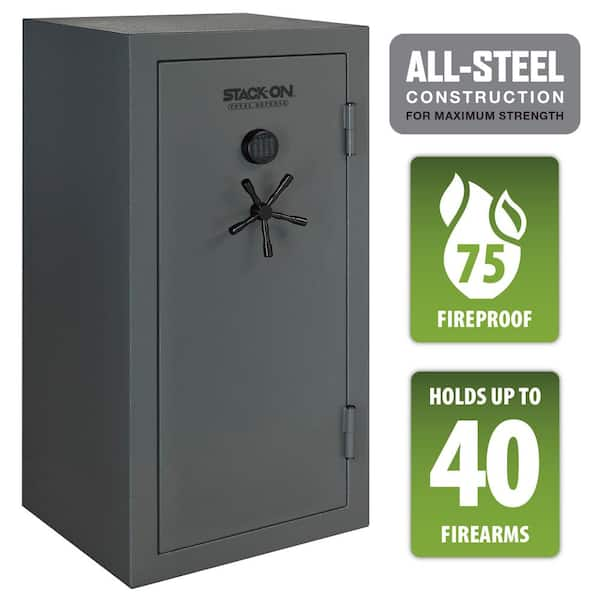
Temperature ratings are key to understanding how well a gun safe protects against fire. They tell you how long the safe can resist fire and how hot it gets inside. These numbers help you choose a safe that keeps your guns and important items secure. Understanding these ratings helps you pick the right fireproof gun safe for your needs.
Fire Endurance Time
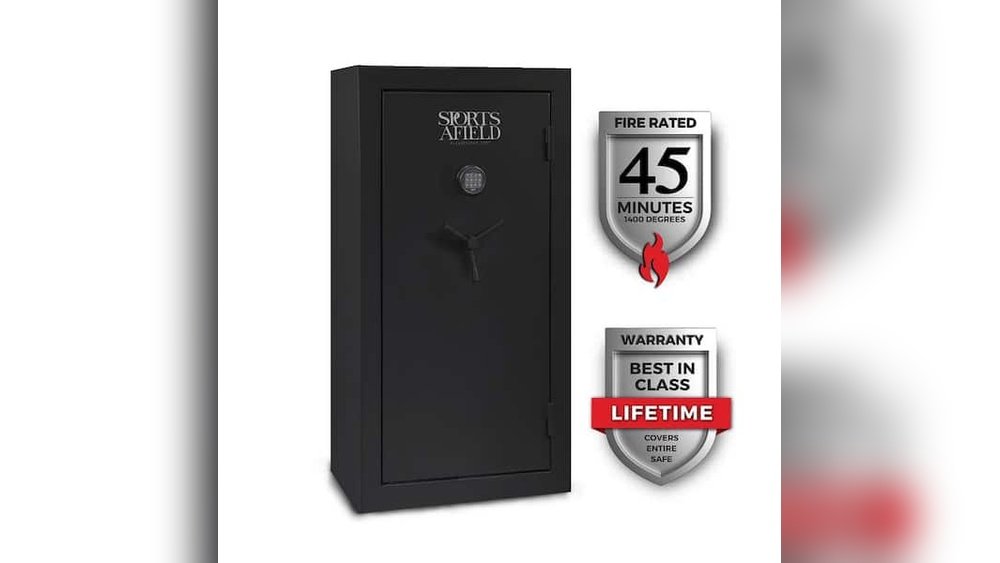
Fire endurance time shows how long the safe can survive in a fire. Most safes have ratings like 30, 60, or 120 minutes. A 60-minute rating means the safe can protect its contents for one hour in high heat. The longer the fire endurance, the better the protection.
Internal Temperature Limits
The internal temperature limit tells how hot the inside of the safe can get during a fire. This number is important because guns and paper damage at certain temperatures. Most safes keep the inside below 350°F (177°C). Lower internal temperatures mean safer storage for your valuables.
Construction Design
The construction design is key to making a gun safe fireproof. It controls how the safe handles extreme heat. Strong materials and smart engineering work together to protect the contents. The design stops fire from reaching inside for a certain time. This delay helps keep guns and valuables safe during a fire.
Door And Frame Integrity
The door and frame must fit tightly. Gaps can let heat and smoke enter quickly. Fireproof safes use thick steel and special seals. These seals expand when heated to block fire and smoke. The door’s strong locking system keeps it closed under pressure. This tight fit is vital to keep the fire out.
Heat Expansion Controls
Materials expand when heated. Fireproof safes use materials that control this expansion. Some parts are designed to swell and seal cracks caused by heat. This stops fire from sneaking inside through tiny gaps. Careful design allows safe parts to move safely under heat. This control keeps the safe intact during a fire.
Locking Mechanisms
Locking mechanisms play a key role in gun safes. They keep firearms secure during a fire. A strong lock resists heat and prevents the safe from opening accidentally. This helps protect your guns and important documents inside.
Good locking systems also prevent tampering. They add an extra layer of security beyond just fire resistance. Understanding these locks helps you choose the right safe for your needs.
Fire-resistant Locks
Fire-resistant locks are made to handle high temperatures. They use materials that do not melt or warp easily. This stops the lock from failing during a fire. Some locks have special seals that expand under heat. These seals block smoke and flames from entering the safe.
Such locks keep the safe tightly closed. They protect the safe’s contents from heat and fire damage. Choosing a safe with fire-resistant locks is essential for true fire protection.
Automatic Lockdowns
Automatic lockdowns activate when the safe senses fire. These systems lock the door immediately. They do not rely on the user to lock the safe manually. This feature prevents the door from opening in emergencies.
Automatic lockdowns add safety during panic or power loss. They use heat sensors or alarms to trigger locking. This ensures the safe stays secure, no matter what happens.
Testing Standards
Testing standards show how well a gun safe can resist fire. These standards help buyers trust the safe’s fireproof claims. They measure temperature resistance and how long the safe protects its contents.
Manufacturers use these tests to prove the safe’s strength. Understanding these standards helps you pick the right fireproof gun safe.
Ul And Etl Certifications
UL and ETL are well-known organizations that test fireproof safes. UL stands for Underwriters Laboratories. ETL is a similar testing lab.
They expose safes to high heat for set time periods. The safe must keep inside temperatures low enough to protect guns and papers. UL usually tests safes at 1,700°F for 30 minutes or more.
ETL tests follow similar rules and give reliable results. Safes with UL or ETL certification have passed strict fire tests. These labels help you trust the safe’s fire resistance.
Independent Fire Tests
Independent labs test gun safes outside of manufacturers. They make sure fireproof claims are true. These tests often follow UL or ETL guidelines.
Independent testing adds extra proof of safety. It checks if the safe still protects after real fires. Results from these tests are usually public and trusted.
Choosing safes with independent test results increases confidence. It shows the safe’s fireproof quality is not just marketing.

Additional Protective Features
Gun safes do more than just resist fire. They often include extra features to protect your valuables. These features help guard against water damage and physical impacts. Such protections keep your guns and important items safe under many conditions.
Water Resistance
Water resistance helps stop water from entering the safe. Fires often lead to water from sprinklers or hoses. A water-resistant safe keeps moisture away from your guns. This feature reduces rust and damage to your firearms and documents. It usually involves special seals around the door and body. These seals block water and dampness effectively.
Impact Resistance
Impact resistance protects the safe from strong hits or drops. During fires, debris or accidents can cause impacts. A safe with impact resistance can absorb shocks without breaking. Thick steel walls and reinforced corners help with this. Impact resistance ensures your safe stays closed and intact. This keeps your guns secure even in harsh situations.
Frequently Asked Questions
What Materials Make A Gun Safe Fireproof?
Fireproof gun safes use materials like gypsum, concrete, and fire-resistant insulation. These materials absorb heat and prevent internal temperature rise, protecting firearms from fire damage effectively.
How Long Can A Gun Safe Withstand Fire?
Fireproof gun safes typically withstand fire from 30 minutes to 2 hours. The exact duration depends on the safe’s rating and fire-resistant construction.
Does A Fireproof Gun Safe Protect Against Smoke Damage?
Yes, fireproof gun safes protect guns from smoke and heat damage. They seal tightly to prevent smoke and toxic gases from entering the safe.
Are All Gun Safes Fireproof?
No, not all gun safes are fireproof. Only those specifically designed and rated for fire resistance provide effective fire protection.
Conclusion
Fireproof gun safes protect valuable firearms from heat damage. They use special materials to block fire and keep the inside cool. Tight seals stop smoke and flames from entering. Strong construction helps the safe stay intact during fires. Choosing the right fire rating ensures better safety.
Remember, a fireproof safe adds peace of mind. It keeps your guns safe in emergencies. Always check for trusted certifications before buying. Safety matters most when protecting your firearms and important items.