When it comes to keeping your firearms secure, the locking mechanism of your hidden gun safe is one of the most important features to consider. You want a safe that not only protects your guns from unauthorized access but also offers quick and reliable entry when you need it most.
But what types of locking systems do these hidden safes actually use? Understanding how these mechanisms work can help you choose the right safe for your needs and give you peace of mind. Keep reading to discover the most common locking methods behind hidden gun safes and learn which one fits your security style best.
Types Of Locking Mechanisms
Hidden gun safes use various locking mechanisms to secure firearms safely. Each type offers different levels of security and ease of access. Understanding these types helps in choosing the right safe for your needs.
Mechanical Dial Locks
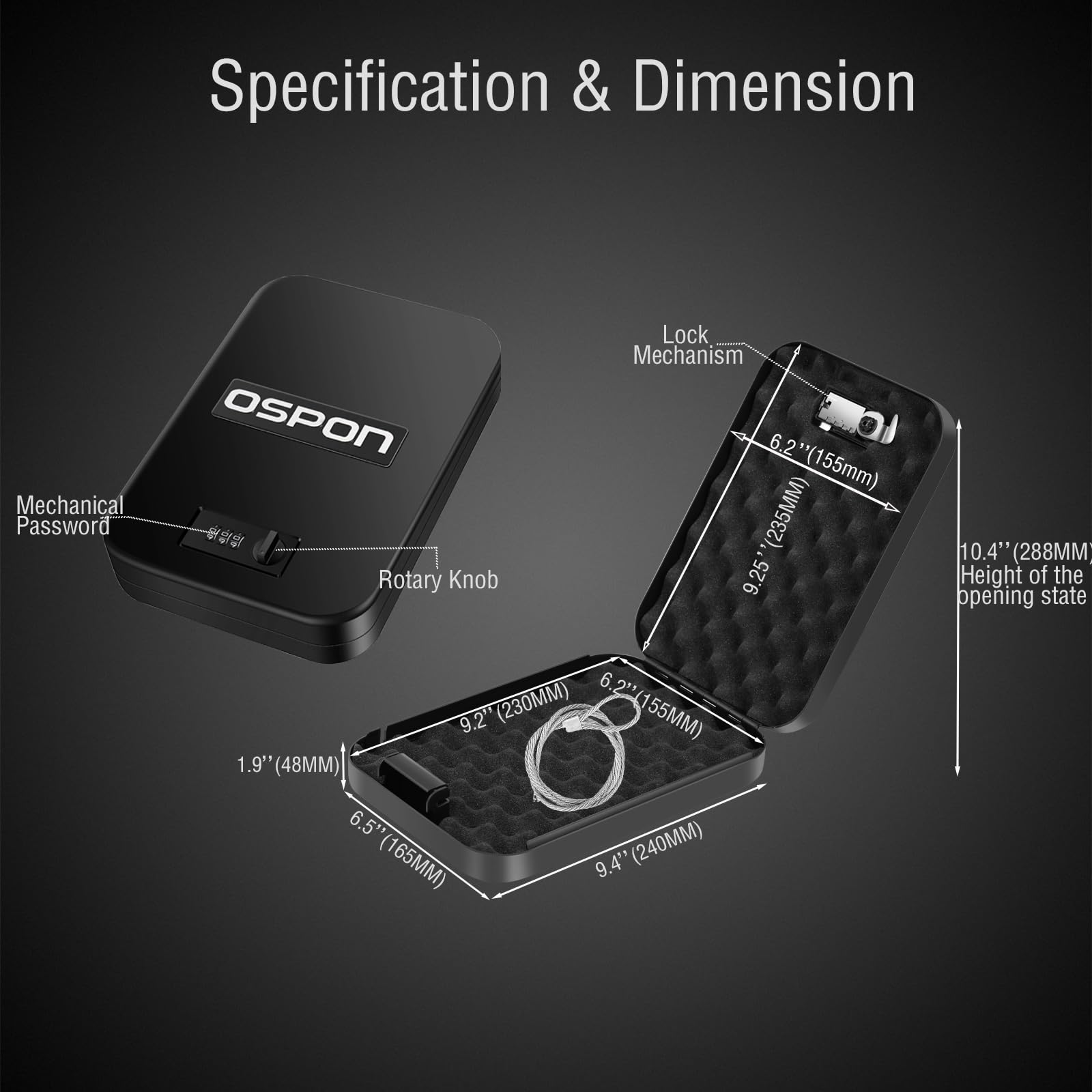
Mechanical dial locks use a rotating dial to enter a combination. They do not require batteries or electricity. These locks are durable and reliable, but slower to open. Users must remember the exact sequence of numbers.
Electronic Keypad Locks
Electronic keypad locks operate with a numeric code entered on a keypad. They provide quick access to the safe. Many models allow users to change the code easily. These locks need batteries to function properly.
Biometric Fingerprint Locks
Biometric locks use fingerprint recognition for access. They offer fast and personalized entry. Only registered fingerprints can open the safe. This type combines security with convenience but requires power.
Magnetic Locks
Magnetic locks use a special magnetic key or card to open. They are discreet and hard to detect. No code is needed, reducing the chance of errors. Magnetic locks are simple but less common in gun safes.
Combination Locks
Combination locks require a sequence of numbers or symbols. They can be mechanical or electronic. Users must remember the combination to access the safe. These locks balance security with ease of use.

Mechanical Dial Locks Features
Mechanical dial locks are a popular choice for hidden gun safes. They have a simple, classic design that many users trust. These locks use a rotating dial to enter a combination code. No batteries or electricity are needed. This makes them reliable and low-maintenance.
The features of mechanical dial locks make them suitable for those who want a secure but straightforward locking system. They offer a tactile feel and audible clicks that confirm each step. This helps users know they are turning the dial correctly.
How They Work
Mechanical dial locks use a series of internal discs or cams. Each disc aligns at a specific point when the correct number is dialed. Turning the dial left and right moves these discs to the right positions. When all discs align, the lock releases.
The user must remember the exact sequence of numbers. These numbers form the combination code. The lock opens only when the code is dialed in order.
Advantages And Drawbacks
These locks never need batteries or power. They work even in power outages. Mechanical dial locks are very durable and often last many years. They resist tampering better than some electronic locks.
On the downside, dialing the correct combination takes time. Users must practice to open the safe quickly. Forgetting the code means the safe cannot open easily. Mechanical locks can be harder for some people to use.
Common Use Cases
Mechanical dial locks appear in homes, offices, and gun stores. People choose them for safes that remain hidden but secure. They also fit well in places without reliable electricity. These locks suit users who prefer a traditional locking system.
Collectors and hobbyists often use mechanical dial locks. They value the classic feel and quiet operation. These locks work well for safes that do not need frequent access.
Electronic Keypad Locks Features
Electronic keypad locks are common in hidden gun safes. They offer a modern way to secure firearms. These locks use a digital code instead of a traditional key. Users enter a PIN to open the safe. This system brings ease and speed in accessing guns.
Many hidden safes include advanced features. Some models allow multiple user codes. Others have lockout modes after several wrong attempts. This helps prevent unauthorized access and enhances safety.
Operation And Setup
Setting up an electronic keypad lock is simple. Most safes come with instructions to program the code. Users choose a personal PIN, usually 4 to 6 digits long. Some safes allow changing the code anytime for added security. Entering the code presses buttons on the keypad, which triggers the lock to open.
Security Benefits
Electronic keypad locks provide strong security. They avoid the risk of lost or stolen keys. Multiple users can have their own codes without sharing keys. The lock can block access after several wrong tries. Some safes also log access attempts to track use. This helps keep guns safe from children or thieves.
Battery Life And Maintenance
These locks run on batteries, usually AA or AAA types. Battery life varies but often lasts a year or more. Most safes alert users when the battery runs low. Changing batteries is quick and easy. Regular checks prevent lockouts. Keep spare batteries handy for emergencies.
Biometric Locks Advantages
Biometric locks offer strong security for hidden gun safes. They use unique physical traits to allow access. These locks provide a mix of safety and ease of use. Many people trust biometric locks for quick, secure entry. Let’s explore their key advantages.
Fingerprint Recognition Technology
Fingerprint scanners read the unique patterns on your finger. This technology ensures only authorized users can open the safe. It is very accurate and hard to fool. The scanner stores fingerprints and compares them at every use. This method reduces risk of lost or stolen keys.
Speed And Convenience
Biometric locks open fast with just a touch. No need to remember codes or carry keys. This saves time in urgent situations. The quick access helps keep firearms safe yet ready. Many users find this feature very helpful for daily use.
Potential Limitations
Fingerprint sensors may not work well with dirty or wet fingers. Sometimes, the scanner might fail to read prints quickly. Power or battery loss can also affect lock function. Regular maintenance and backup options are important. Understanding these limits helps users stay prepared.
Hidden Safe Installation Tips
Installing a hidden gun safe requires careful planning and smart choices. Proper installation keeps your firearms secure and out of sight. Follow simple tips to make sure your safe blends well and stays firmly in place.
Best Locations For Concealment
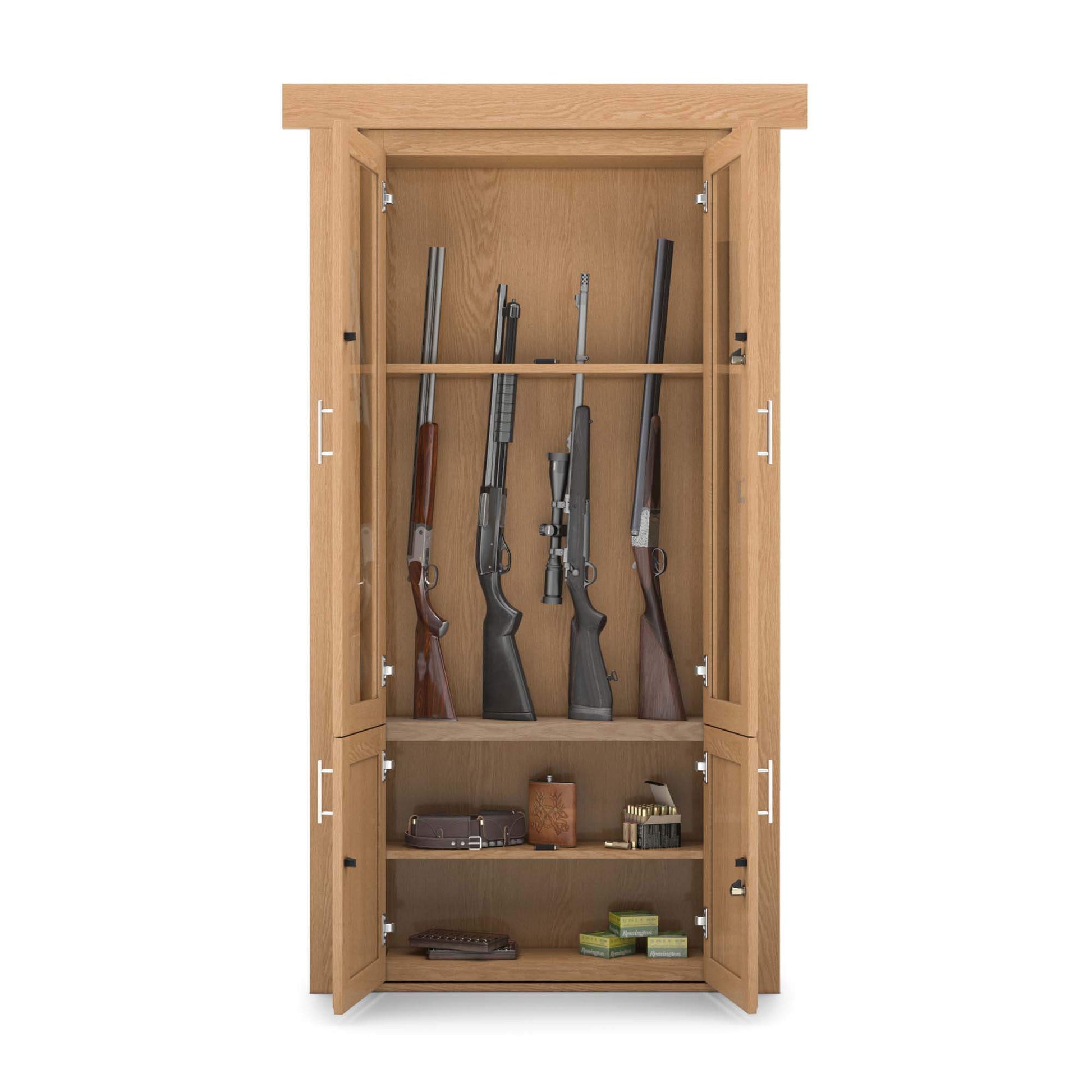
Choose spots that are rarely checked by others. Inside closets, behind false walls, or under floors work well. Avoid obvious places like bedrooms or living rooms. The goal is to hide the safe where no one expects it.
Mounting And Anchoring
Secure the safe to a sturdy surface to prevent theft. Use heavy-duty bolts or anchors designed for your wall or floor type. Avoid weak materials like drywall alone. Proper mounting keeps the safe stable and hard to remove.
Access Considerations
Make sure you can quickly reach the safe in emergencies. Avoid placing it too high or behind heavy furniture. Test the locking mechanism several times after installation. Easy access saves time and stress during urgent moments.
Choosing The Right Lock For You
Choosing the right lock for your hidden gun safe is key to protecting your firearms. Different locks offer various levels of security and ease of use. The choice depends on your personal needs and preferences. Understanding these factors helps you pick the best option.
Assessing Security Needs
Think about who might try to access your safe. Kids at home? Intruders? The lock must stop unauthorized users. Mechanical locks are strong but need manual operation. Electronic locks offer quick access with a code. Biometric locks use fingerprints for high security. Match lock type to the level of protection you require.
Balancing Convenience And Safety
Fast access matters during emergencies. Electronic and biometric locks open quickly. Mechanical locks may take longer but do not rely on batteries. Consider how fast you need to reach your firearm. Choose a lock that fits your lifestyle and safety needs. Ease of use should not reduce your safe’s security.
Budget Considerations
Locks come in a range of prices. Mechanical locks are usually cheaper. Electronic and biometric locks tend to cost more. Think about how much you want to spend. Higher-priced locks often provide better features and security. Find a lock that balances cost and protection well.
Maintenance And Troubleshooting
Hidden gun safes use special locking mechanisms that need care to work well. Regular maintenance keeps the lock safe and easy to open. Troubleshooting helps fix small problems fast.
Taking care of your safe’s lock extends its life and keeps your guns secure. Knowing common issues helps you act quickly. Some problems need expert help to avoid damage.
Lock Care Tips
Clean the lock gently with a soft cloth. Avoid using water or harsh chemicals. Use a small amount of graphite lubricant to keep the lock smooth. Do this twice a year. Keep dirt and dust away from the lock area. Check the battery if the lock is electronic. Replace it before it dies to avoid lock failure.
Common Issues And Fixes
The lock may stick or jam. Try applying graphite powder to ease it. Keypad locks can stop working due to dead batteries. Replace the battery with fresh ones. Mechanical dials may get misaligned. Turn the dial slowly and carefully to realign. Sometimes, the lock won’t open because of dirt. Clean the lock and try again. If the safe is hard to open, check for loose parts and tighten them.
When To Seek Professional Help
Call a locksmith if the lock is broken or stuck. Avoid forcing the lock to prevent damage. If electronic locks fail after battery change, ask for expert help. For complex lock systems, a professional can fix issues safely. Don’t try to pick or break the lock yourself. Professionals have tools and skills for safe repair.
Frequently Asked Questions
What Types Of Locks Are Common In Hidden Gun Safes?
Hidden gun safes commonly use biometric, electronic keypad, and mechanical dial locks. These offer quick access and high security. Biometric locks use fingerprint recognition, while electronic keypads require a code. Mechanical dials rely on combination sequences, providing reliable protection without batteries.
How Does A Biometric Lock Work On Gun Safes?
Biometric locks scan fingerprints to allow access. They store authorized prints and compare them during unlocking. This ensures only registered users can open the safe. Biometric locks offer fast, keyless access and enhanced security against unauthorized entry.
Are Electronic Keypad Locks Secure For Gun Safes?
Yes, electronic keypad locks provide strong security with customizable codes. Users can change codes regularly to prevent unauthorized access. Many models include lockout features after multiple wrong attempts, enhancing protection. They balance convenience with reliable safety for hidden gun safes.
Can Hidden Gun Safes Use Mechanical Dial Locks?
Yes, mechanical dial locks are traditional and reliable options. They do not require batteries or electronics, reducing failure risks. Users must remember the combination to open the safe. Mechanical locks offer durable security, ideal for users preferring non-digital solutions.
Conclusion
Hidden gun safes use different locking methods for security and ease. Some use digital keypads, while others rely on mechanical locks. Biometric locks offer quick access using fingerprints. Each type has its own benefits and fits different needs. Choosing the right lock helps keep guns safe and out of reach.
Understanding these options makes it easier to pick the best safe for you. Safe storage protects your family and gives peace of mind. Think about what matters most before deciding on a locking mechanism.