If you own 9mm ammo, you probably want to keep it in the best condition possible. But do you know the recommended storage temperature to ensure your ammo stays reliable and safe?
Storing your 9mm ammo at the wrong temperature can damage it or affect its performance when you need it most. You’ll discover the ideal temperature range to store your ammo, why it matters, and simple tips to protect your investment.
Keep reading to make sure your 9mm ammo is always ready when you are.

Ideal Storage Temperature Range
Storing 9mm ammo at the right temperature keeps it safe and reliable. Too hot or too cold conditions can harm the bullets and powder inside. Keeping ammo stable helps it last longer and work better when needed. Understanding the ideal temperature range helps you protect your ammunition over time.
Optimal Conditions For 9mm Ammo
The best storage temperature for 9mm ammo is between 55°F and 85°F (13°C to 29°C). This range stops moisture and heat from damaging the cartridges. A cool, dry place, away from sunlight, keeps ammo fresh. Avoid places with big temperature changes, like garages or attics. Consistency in temperature is key to preserving ammo quality.
Temperature Effects On Ammunition
High heat can cause the powder inside the ammo to degrade faster. This makes the bullet less powerful and less safe to use. Cold temperatures can cause the primer to become brittle, leading to misfires. Rapid temperature changes create condensation, which can rust the metal parts. Proper storage avoids these risks and keeps your ammo ready to perform.

Risks Of Improper Storage Temperatures
Storing 9mm ammo at the right temperature is very important. Poor storage can harm the ammo’s quality and safety. Ammo exposed to wrong temperatures may not work well or can even become dangerous. Understanding the risks helps keep your ammo reliable and safe.
Heat Damage And Its Consequences
High heat can cause serious damage to 9mm ammo. The gunpowder inside can degrade or become unstable. This may lead to misfires or weak shots. Cases may also expand or deform, making them hard to load. Heat can shorten the shelf life of your ammo drastically.
Cold Weather Impact On Performance
Extreme cold can also affect 9mm ammo performance. Low temperatures may make the powder burn unevenly. This can reduce bullet speed and accuracy. Cold can cause the primer to become less sensitive. Resulting in failure to ignite or delayed firing.
Best Practices For Ammo Storage
Proper storage of 9mm ammo is key to keeping it safe and effective. Good storage stops moisture, heat, and dirt from damaging the bullets. This section covers smart ways to store your ammo for long life and reliable use.
Using Climate-controlled Storage
Climate-controlled storage keeps temperature steady. It stops heat from getting too high or too low. Too much heat can weaken the gunpowder inside the ammo. Cold can cause moisture build-up. A climate-controlled room or safe keeps ammo in the right range.
Humidity Control And Its Importance
Humidity is moisture in the air. High humidity can rust the metal parts of ammo. It can also affect the powder inside. Use a dehumidifier or silica gel packs in your storage area. Keeping humidity below 50% is best to protect your ammo from damage.
Safe Storage Containers
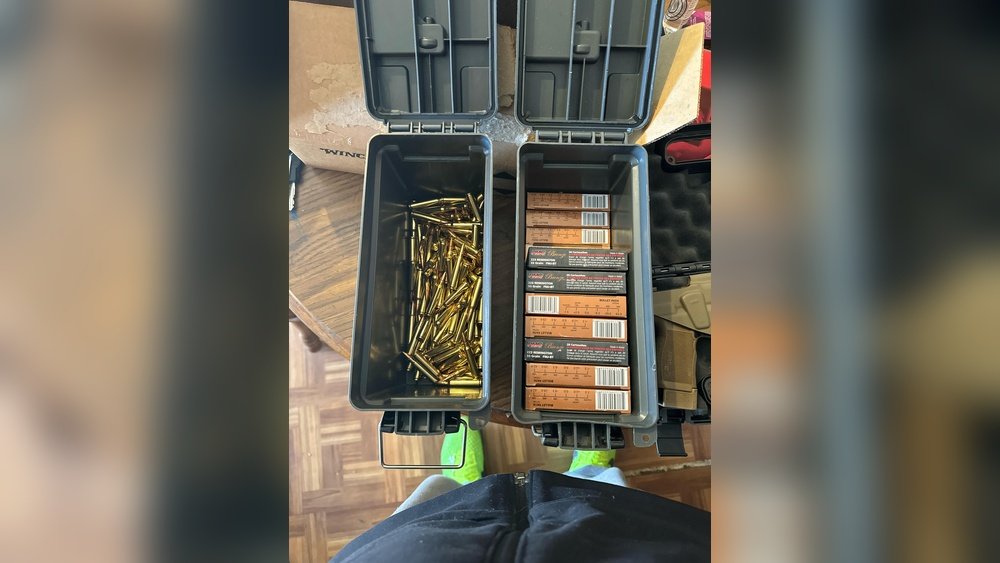
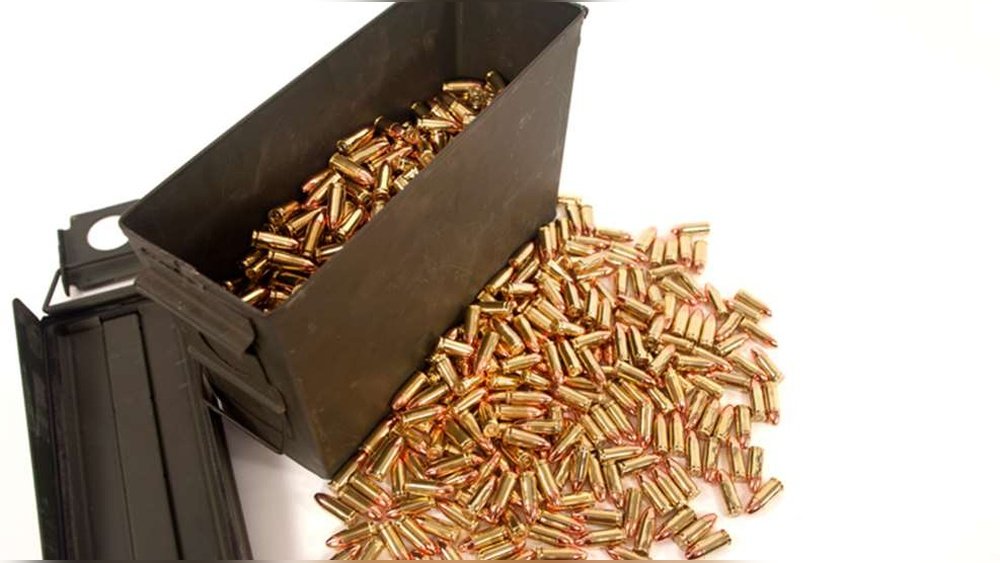
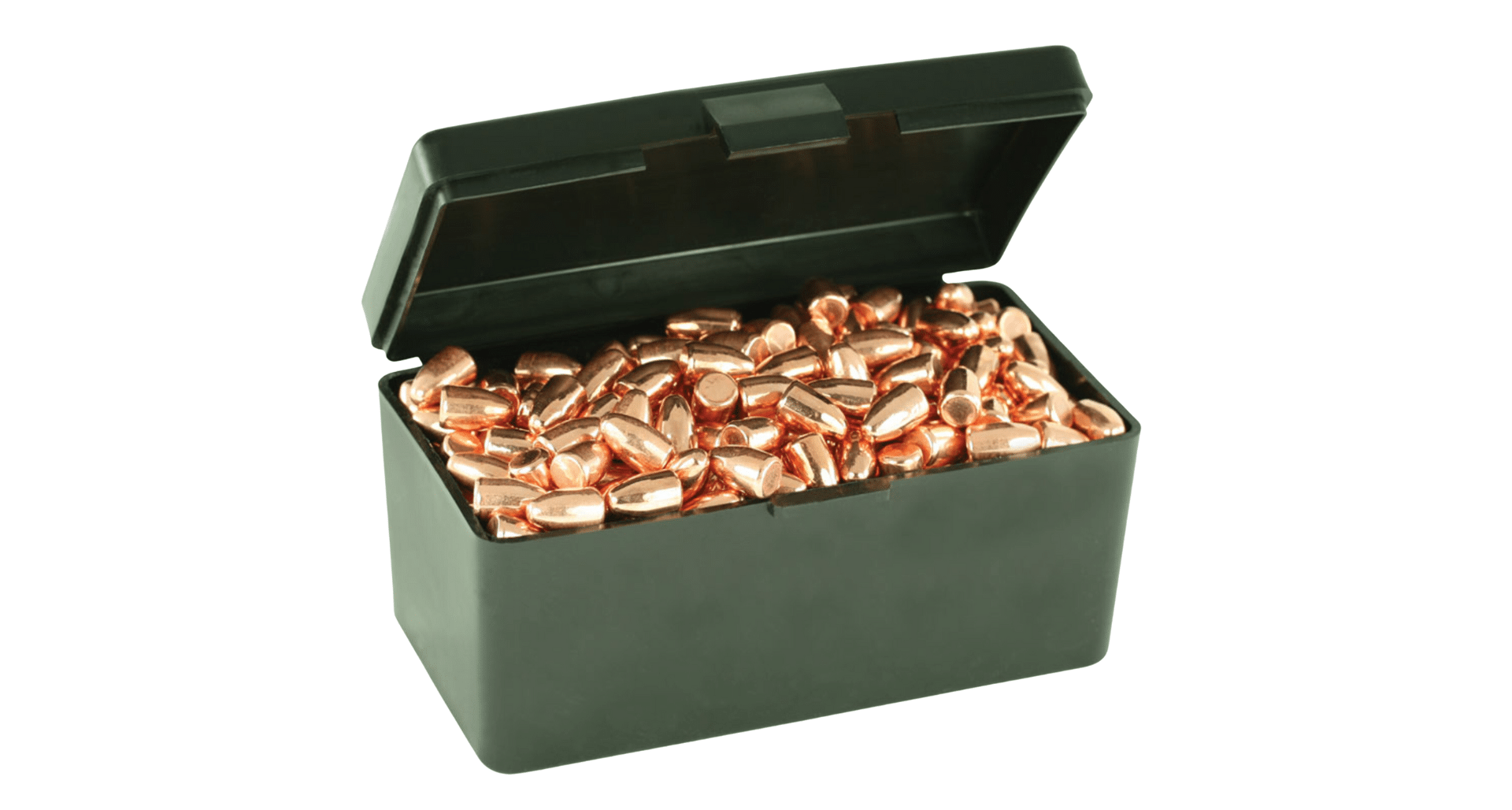
Use containers made for ammo storage. Metal ammo cans or plastic boxes with tight seals work well. These containers block moisture and dirt. Label each container with the ammo type and date. This helps keep your collection organized and easy to check.
Signs Of Ammo Degradation
Ammo degrades over time, especially if stored improperly. Recognizing signs of ammo degradation helps keep you safe. It also ensures your 9mm rounds work when needed. Watch for changes in appearance and performance. These clues point to potential problems with your ammo.
Visual Inspection Tips
Check the casing for rust or corrosion. Look for dents, cracks, or discoloration. Bulging primers signal internal damage. Powder leakage or residue around the bullet is a bad sign. Clean ammo usually has a shiny, smooth surface. Any dullness or flaking may mean moisture damage.
Performance Testing Indicators
Test ammo by firing in a controlled setting. Misfires or failure to ignite are warning signs. Notice any odd sounds or weak recoil. Inconsistent bullet speed or impact suggests poor quality. Jamming or feeding issues in your firearm also matter. These problems often relate to degraded ammo.
Storage Tips For Different Climates
Storing 9mm ammo correctly depends on the climate where you live. Different weather conditions affect ammo quality in various ways. Proper storage keeps your ammo safe and reliable.
Humidity, heat, cold, and dryness all change how ammo holds up over time. Following specific tips helps protect your ammo in each climate. This way, you get the best performance when you need it.
Hot And Humid Environments
High heat and moisture cause corrosion and damage to ammo. Store your 9mm ammo in airtight containers to block moisture. Use silica gel packs to absorb any extra humidity inside the container.
Keep ammo away from direct sunlight and heat sources. A cool, shaded place like a basement works well. Avoid storing ammo in places that get very warm or wet.
Cold And Dry Conditions
Cold air can cause condensation when ammo moves between temperatures. Store ammo in a stable, room-temperature spot to avoid this. Use sealed containers to stop moisture from forming inside.
Dry air may seem safe but can dry out lubricants inside ammo. Check ammo regularly for any signs of cracking or damage. Keep ammo off cold floors and away from windows to reduce temperature swings.
Frequently Asked Questions
What Is The Ideal Temperature For Storing 9mm Ammo?
The ideal storage temperature for 9mm ammo is between 55°F and 85°F. This range prevents corrosion and maintains powder stability. Avoid extreme heat or freezing temperatures to ensure ammo reliability and safety over time.
Can High Temperatures Damage 9mm Ammunition?
Yes, high temperatures above 85°F can degrade gunpowder and primers. Excessive heat may cause misfires or reduced accuracy. Store ammo in cool, dry places to extend shelf life and preserve performance.
How Does Humidity Affect 9mm Ammo Storage?
High humidity can cause corrosion and rust on 9mm ammo casings. Moisture damages primers and powder, risking misfires. Use airtight containers and dehumidifiers to keep ammo dry and reliable.
Is Refrigeration Recommended For 9mm Ammo Storage?
Refrigeration is generally not recommended for 9mm ammo. Condensation inside the fridge can cause corrosion. Store ammo at stable room temperatures with low humidity instead.
Conclusion
Storing 9mm ammo at the right temperature keeps it safe and effective. Aim for a cool, dry place away from heat and moisture. Avoid extreme temperatures to prevent damage or misfires. Proper storage helps your ammo last longer and work better.
Remember, simple care makes a big difference in performance and safety. Keep these tips in mind to protect your 9mm ammo well.