So, you're wondering if you can wear an Inside-the-Waistband (IWB) holster comfortably while sitting. It's a super common question, and the honest answer is: it depends. It's not a simple yes or no, because a lot of things come into play.
Think of it like finding the right pair of shoes, what works for one person might not be ideal for another.
We've all seen folks who seem to carry discreetly all day, no problem. But then some people find it just plain uncomfortable, or worse, feel like their firearm isn't secure. Let's break down what makes the difference.
Manufacturer specifications for many IWB holsters indicate an ideal carry position for standing, and sitting can significantly alter retention and comfort.
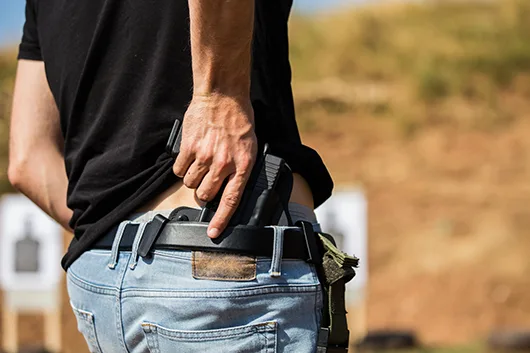
Image source: Bing (Web (fair-use with source credit))
Quick Answer
Yes, you can wear an IWB holster while sitting. However, comfort and security depend heavily on holster design, firearm size, body type, and clothing. Adjustments are often needed.
What Makes Sitting with an IWB Holster Tricky?
When you sit, your body shifts. Your belly might press against your waistband, your hips might push the holster away, and your whole posture changes. This can affect how your holster sits, how comfortable it is, and even how well it conceals your firearm.
Holster Design and Firearm Factors
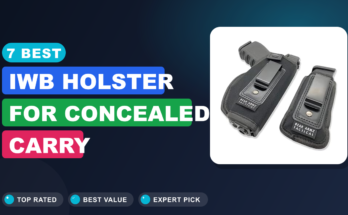
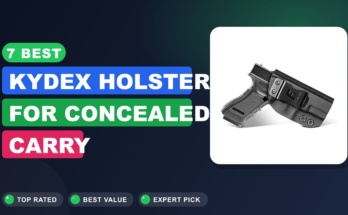
The type of IWB holster and the firearm you're carrying are foundational to how sitting will feel. A rigid Kydex holster, while offering excellent retention, can sometimes dig into your side more than a softer, more flexible material, especially when you're compressed into a seat.
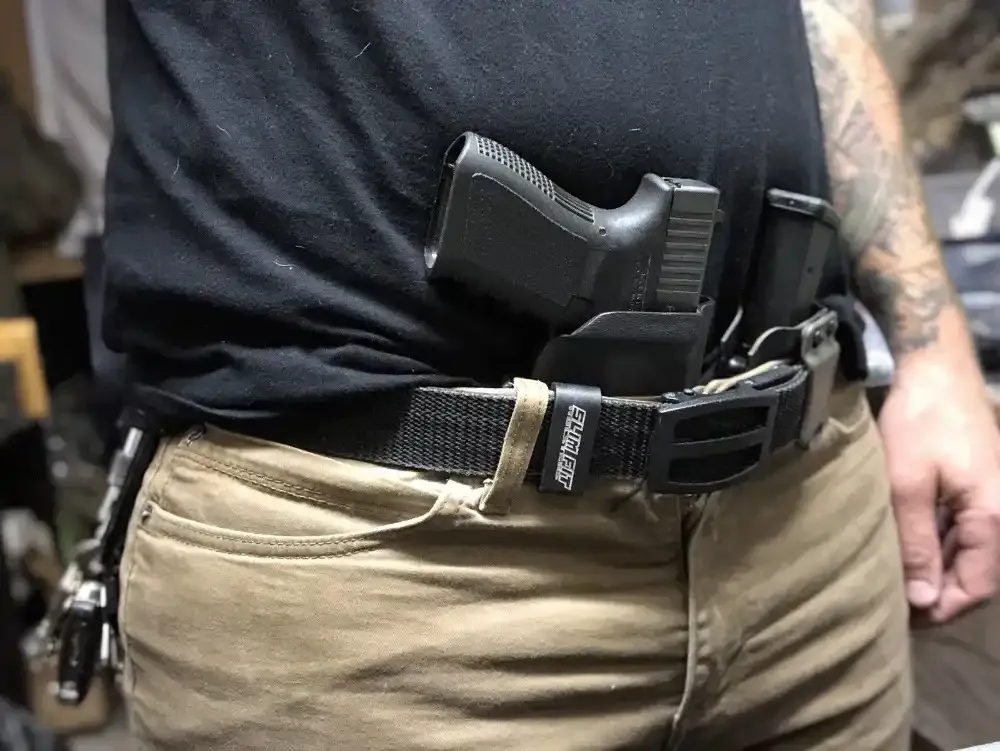
Image source: Web (Bing) / aliexpress.com (Web image (fair-use with source credit))
- Holster Material: Kydex holsters are durable and hold their shape, which is great for consistent firearm retention. However, they can be less forgiving against the body when sitting. Leather or hybrid holsters might offer more flexibility, conforming to your body's shape when seated.
- Firearm Size and Weight: A smaller, lighter firearm like a compact 9mm pistol is generally much easier to carry comfortably when sitting than a larger, heavier full-size handgun. The sheer bulk and weight of a larger gun can become a significant pressure point or cause your pants to sag.
- Holster Adjustments: Key features like adjustable ride height (how high the gun sits off your belt) and cant (the angle of the holster) can be modified. For sitting, sometimes a slightly lower ride height or a different cant angle can prevent the gun's grip from printing or digging into your side.
Body Type and Clothing's Role
Your personal anatomy and what you're wearing play a huge role in how an IWB holster feels when you sit. There's no one-size-fits-all answer because our bodies are all different.
- Body Shape: People with more "padding" around the waist may find that the soft tissue compresses, creating more pressure or pushing the holster outwards. Those with a more athletic build might experience the rigid holster digging into bone or muscle more directly.
- Clothing: The type and fit of your pants are critical. High-waisted pants can provide more coverage and support, keeping the holster in place. Conversely, low-rise pants can cause the holster to slip down or the firearm to become more exposed when you bend. Thicker, stiffer materials like denim or canvas often conceal better than thin, stretchy fabrics.
Carry Position Nuances (3, 4, AIWB)
Where you choose to position your IWB holster on your waistband significantly impacts sitting comfort. Each spot has its own set of challenges and advantages when you go from standing to seated.
- 3 O'Clock Carry: This is a popular spot on your hip. When sitting, the seat of your car or chair can push the gun forward, potentially making it print or feel awkward against your thigh. The grip of the firearm can also press into your side.
- 4 O'Clock Carry: Positioned slightly behind the hip, this spot often tucks into the natural curve of your body. Many find this position more comfortable for sitting than the 3 o'clock because it's less likely to be pushed forward by the seat.
- Appendix Carry (AIWB): Carrying at the front of your waistband (around 1 o'clock) can be very accessible, but it often presents the most challenges for sitting comfort. The belt can dig into your abdomen, and the firearm's muzzle or grip can press uncomfortably against your stomach or groin. This position frequently requires specific holster designs with "wedges" or aggressive cant to mitigate these issues when seated.
Your Sitting Comfort Checklist
To figure out if your specific IWB setup will work for sitting, let's go through some common scenarios and what you might expect. It’s about understanding the trade-offs for each position.
3 O'Clock Carry: Pros and Cons for Sitting
Carrying your IWB holster at the 3 o'clock position, right on your hip, is a well-loved spot for many. It generally offers good concealment for most firearms and provides decent accessibility. However, sitting can introduce some unique challenges that might make it less than ideal for extended periods.
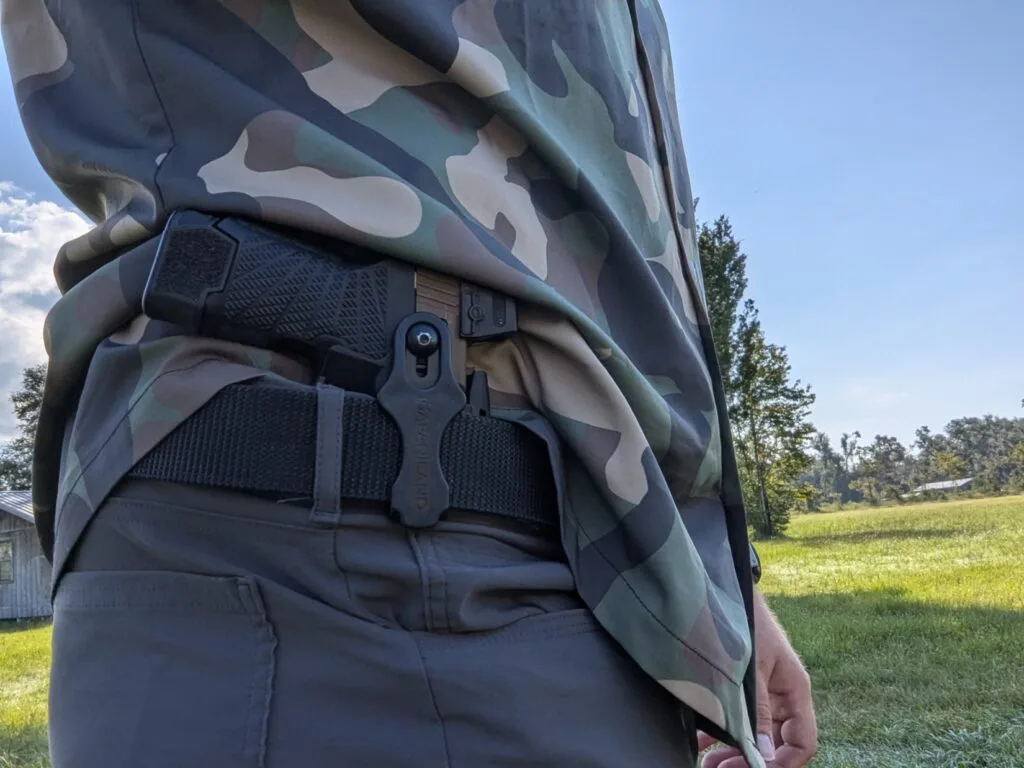
Image source: Web (Bing) / inside.safariland.com (Web image (fair-use with source credit))
- Pros: Often provides good balance between concealment and ease of access. Many users find it natural to reach for their firearm here.
- Cons When Sitting: The primary issue is how car seats, office chairs, or even restaurant booths interact with the holster. The seat can push the firearm forward, causing the grip to print (become visible through clothing) or feel like it's digging into your hip bone or thigh. You might notice the holster muzzle rotating outwards as your body compresses.
4 O'Clock Carry: How it Holds Up When Seated
Moving your IWB holster to the 4 o'clock position, just behind your hip, can be a real game-changer for sitting comfort for some individuals. This spot tends to tuck into a more natural curve of your waist, away from direct pressure from most seating.
- Pros: For many, this position is inherently more comfortable for sitting because it's less prone to being pushed forward by a seat. It can offer excellent concealment, especially for firearms with longer grips.
- Cons When Sitting: While comfort might be better, accessibility can sometimes be a trade-off. Reaching for your firearm might feel slightly less intuitive or slower compared to a 3 o'clock or AIWB position, especially if you're wearing bulkier clothing.
Appendix Carry: The Sitting Challenge
Appendix Inside-the-Waistband (AIWB) carry, typically positioned between 1 and 2 o'clock, is lauded for its superior concealment and rapid access. However, when it comes to sitting down, it often presents the most significant comfort hurdle.
- Pros: Offers potentially the best concealment and fastest draw times if set up correctly. It also keeps the firearm close to your center of gravity.
- Cons When Sitting: This is where many users struggle. The pressure of the belt and the firearm pressing into your abdomen can be intense. The muzzle can dig uncomfortably into your groin area, and the grip might press into your stomach. It frequently requires specific holster designs with "wedges" or aggressive cant to mitigate these issues when seated. Many individuals find they need to make a conscious adjustment to their holster or firearm position when going from standing to sitting.
Tips for Making IWB Comfortable When Seated
If you're determined to make IWB carry comfortable while sitting, there are several adjustments and techniques you can employ. It’s often a process of fine-tuning your existing gear and carry habits.
Holster Adjustments for Better Fit
Not all holsters are created equal, and neither are their settings. A few tweaks to your current holster can sometimes make a world of difference in sitting comfort.
- Cant Adjustment: The cant is the angle at which your holster sits. Experimenting with a slightly more forward or backward cant can change how the firearm sits against your body when seated. For example, some find that a bit more forward cant at the 3 o'clock helps the grip tuck in better.
- Ride Height: This refers to how high or low the holster sits on your belt line. A slightly lower ride height might help reduce pressure on your ribs or hip bones when you sit. A higher ride height can sometimes improve concealment by tucking the gun closer to your body.
- Modifications: Some holsters allow for physical modifications. For instance, adding a "wedge" to the inside of the holster can press against your body, helping to push the muzzle away from you and increasing comfort, particularly for appendix carry.
The Impact of Clothing Choices
Your wardrobe is more than just appearance; it's a functional part of your carry system. The right clothing can dramatically improve IWB comfort, especially when sitting.
- Material Matters: Sturdier fabrics like thick denim, canvas, or certain tactical pants offer more structure and support. They can help distribute pressure more evenly and prevent printing. Thin, stretchy fabrics can highlight any bulge and offer less resistance to a digging holster.
- Fit is Key: Pants that are too tight will obviously exacerbate any discomfort from a holster digging in. Conversely, pants that are too loose can cause the holster to sag or shift. Finding a "just right" fit, often with a slightly higher waist or a bit more room in the seat and thighs, can make a significant difference. A sturdy belt is also crucial for keeping the holster stable.
Strategic Holster Shifting
Sometimes, the best solution isn't changing your gear, but changing how you use it. A subtle adjustment when you sit can solve many sitting comfort issues.
- The "Sit and Shift" Method: Many experienced carriers unconsciously perform a slight repositioning of their holster as they sit down. This might involve subtly nudging the holster forward with your non-dominant hand as you lower yourself into a chair, or adjusting your belt to allow the firearm to settle into a more comfortable position.
- Practice: Like any skill, mastering comfortable sitting carry takes practice. Get into and out of vehicles, sit at your desk, and stand up again. You'll start to develop an intuitive sense for when and how to make minor adjustments without drawing attention.
Exploring Different Carry Positions
If you’ve tried adjusting your holster and clothing and are still struggling with sitting comfort, it might be time to evaluate your primary carry position. What works for one person’s body and lifestyle might not work for another’s.
- Re-evaluate 3 O'Clock: If the seat is consistently pushing the gun forward, consider if a slightly more rearward position (closer to 4 o'clock) would tuck into the natural curve of your hip better.
- Embrace 4 O'Clock: Many find this position to be a sweet spot for comfort during prolonged sitting because it's less likely to be impacted by the car seat. It can offer excellent concealment, especially for firearms with longer grips.
- AIWB with Caution: While AIWB offers great concealment and accessibility, it demands specific holster features (like wedges or wing attachments) and often a more forward-leaning posture when sitting to avoid discomfort. If you’re new to AIWB, ensure your holster is designed to mitigate these sitting pressures.
When Your IWB Setup Isn't Working for Sitting
No matter how much you adjust your holster, tweak your clothing, or try different carry positions, some setups just won't be comfortable for sitting. It's important to recognize when a system isn't working for your lifestyle. If your IWB holster consistently causes significant pain, restricts movement, or makes you feel like your firearm isn't securely retained when you sit, it's probably not the right solution for you in that configuration.
As of 2026, there are numerous firearm carry methods and holster designs available, and forcing an ill-fitting setup can lead to inconsistent carry or even compromise safety. If comfort and security are compromised during daily activities like sitting, it might be time to explore alternative carry methods or different types of holsters designed for specific needs.
Frequently Asked Questions About IWB Holsters and Sitting
Can I wear my appendix IWB holster while driving?
Yes, but it often requires adjustments. Appendix carry can press into your abdomen when you sit, so you might need to cant the holster forward, use a holster wedge, or subtly reposition the firearm as you sit down to make it comfortable and secure.
Will my gun print more when sitting with an IWB holster?
It can. When you sit, your body compresses, which can push the firearm outwards against your clothing. The amount of printing depends on your firearm size, holster design, clothing thickness, and carry position.
How do I know if my IWB holster is secure when I sit?
You should feel consistent retention on your firearm both standing and sitting. If the gun feels loose, shifts significantly, or you worry it might fall out when you change positions, the holster might not be set up correctly for your body or needs.
What's the best IWB carry position for long car rides?
For many, the 4 o'clock position offers the best balance of comfort and security during long drives because it's less likely to be impacted by the car seat. Some AIWB setups can also work but often require specific holster features for comfort.
Can I wear an IWB holster on my lower back while sitting?
Yes, but it often presents similar challenges to 4 o'clock carry, with potential pressure points. The main concern with lower back carry (around 6 o'clock) is accessibility and potential discomfort from the firearm digging into the seat.


One Comment on “Can You Wear an IWB Holster While Sitting?”