Are you struggling with the air in your home feeling either too dry or too damp? Understanding the difference between a humidifier and a dehumidifier can make a huge difference in your comfort and health.
These two devices might sound similar, but they work in opposite ways. Knowing which one you need can help you breathe easier, protect your furniture, and even improve your sleep. Keep reading, and you’ll discover exactly how each works and which one is right for your space.
Humidifier Basics
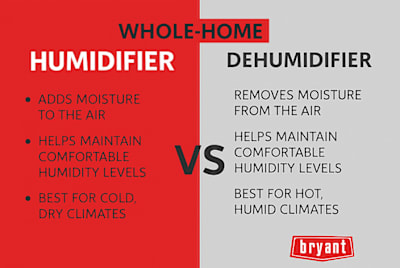
Humidifiers help add moisture to dry air. They are useful in homes and offices, especially during winter. Dry air can cause dry skin, irritated eyes, and sore throats. Using a humidifier can make the air more comfortable and healthy to breathe.
This section explains the basic ideas behind humidifiers. It covers what they do, the different types, and the benefits of using them.
Purpose And Function
A humidifier’s main job is to add water vapor to the air. This helps increase indoor humidity levels. It works by releasing moisture in the form of mist or steam. This added moisture stops air from becoming too dry.
Humidifiers help keep skin hydrated and reduce problems caused by dry air. They also protect wooden furniture and indoor plants from drying out.
Types Of Humidifiers
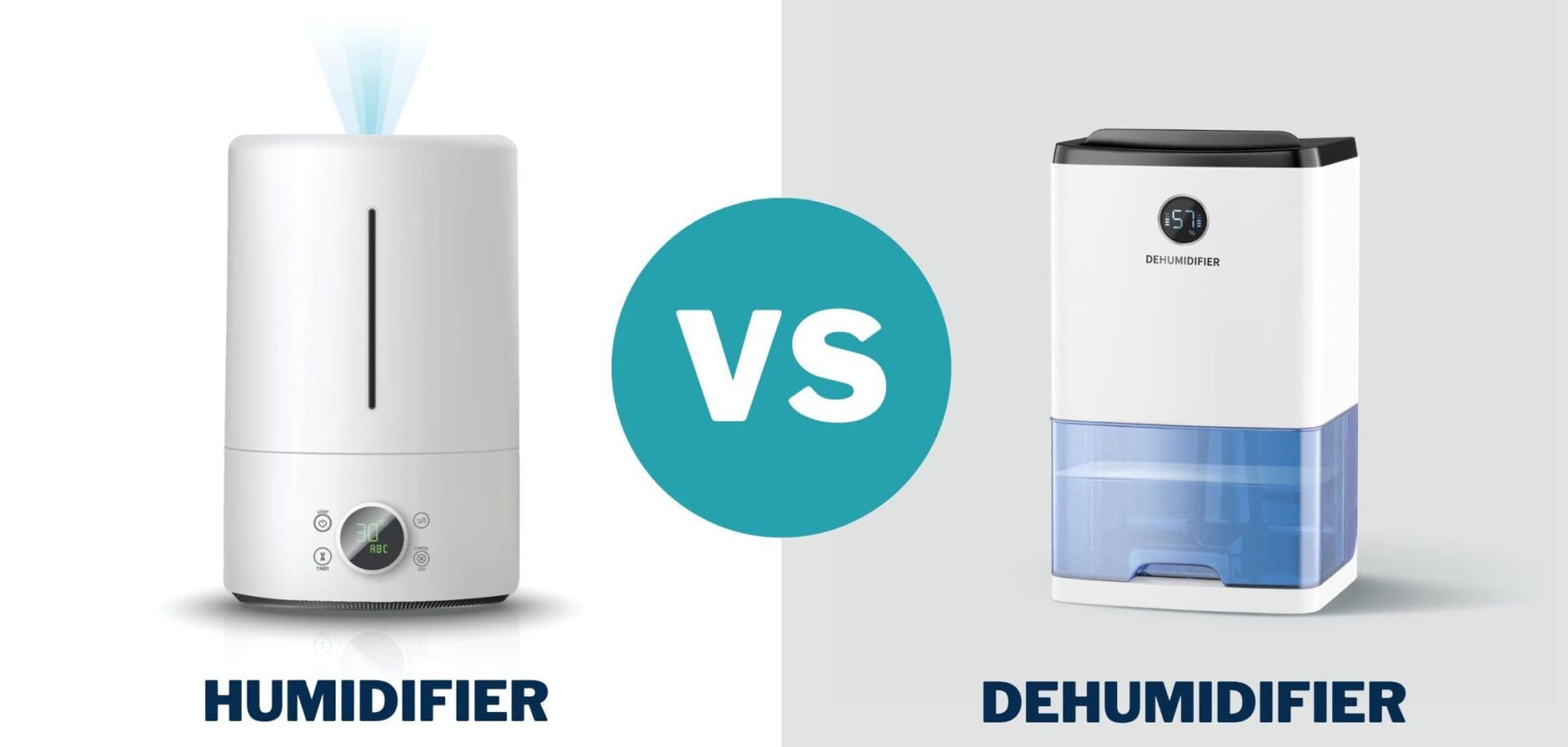
There are several kinds of humidifiers. The most common types are ultrasonic, evaporative, and steam vaporizers. Ultrasonic humidifiers use vibrations to create a fine mist. Evaporative models use a fan to blow air through a wet filter. Steam vaporizers boil water and release steam into the air.
Each type has different noise levels, costs, and maintenance needs. You can choose one based on your space and preferences.
Benefits Of Using Humidifiers
Humidifiers help reduce dry skin and chapped lips. They can ease breathing problems caused by dry air. Using a humidifier may also reduce snoring and dry coughs. Plants and wooden furniture last longer with proper humidity. They create a cozy and healthy environment indoors.
Dehumidifier Basics
A dehumidifier is a device that removes moisture from the air. It helps keep indoor spaces dry and comfortable. Understanding how dehumidifiers work can help you decide if you need one in your home.
Purpose And Function
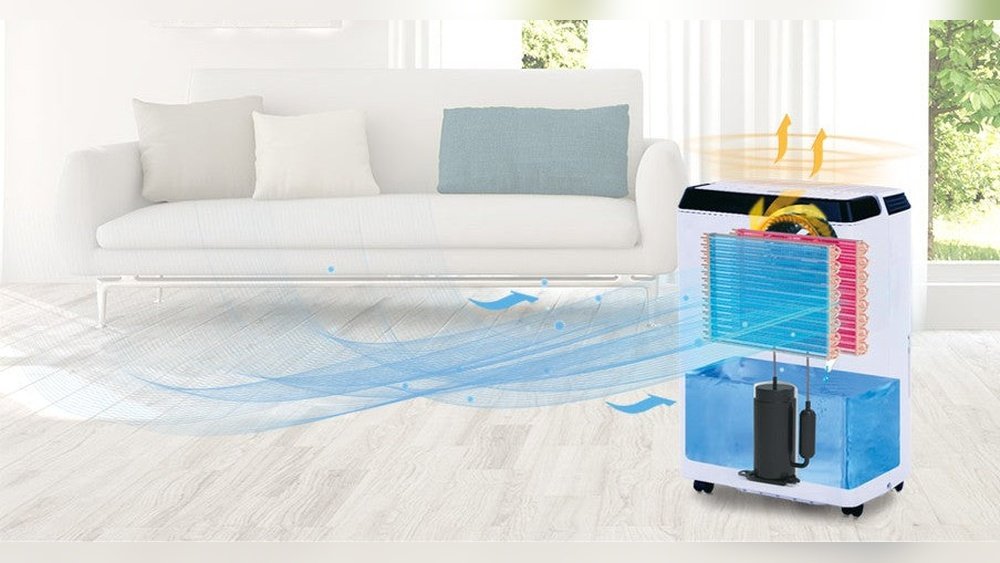
Dehumidifiers reduce excess humidity in rooms. High humidity can cause mold, dust mites, and bad odors. The device pulls moist air inside and cools it. Water collects in a tank or drains away. Dry air then returns to the room. This process lowers the moisture level effectively.
Types Of Dehumidifiers
Several types of dehumidifiers exist for different needs. Refrigerant dehumidifiers use cold coils to condense moisture. They work best in warm, humid places. Desiccant dehumidifiers use a special material to absorb water. These work well in cooler or low humidity areas. Each type has unique advantages and fits various spaces.
Benefits Of Using Dehumidifiers
Using a dehumidifier improves air quality and comfort. It prevents mold growth and protects furniture and walls. Lower humidity also reduces dust mites, easing allergies. The device helps dry clothes faster indoors. It creates a healthier, more pleasant living environment.
Key Differences
Understanding the key differences between a humidifier and a dehumidifier helps you choose the right device. Both control air moisture but serve opposite purposes. Knowing how each works can improve your home’s comfort and health.
Air Moisture Levels
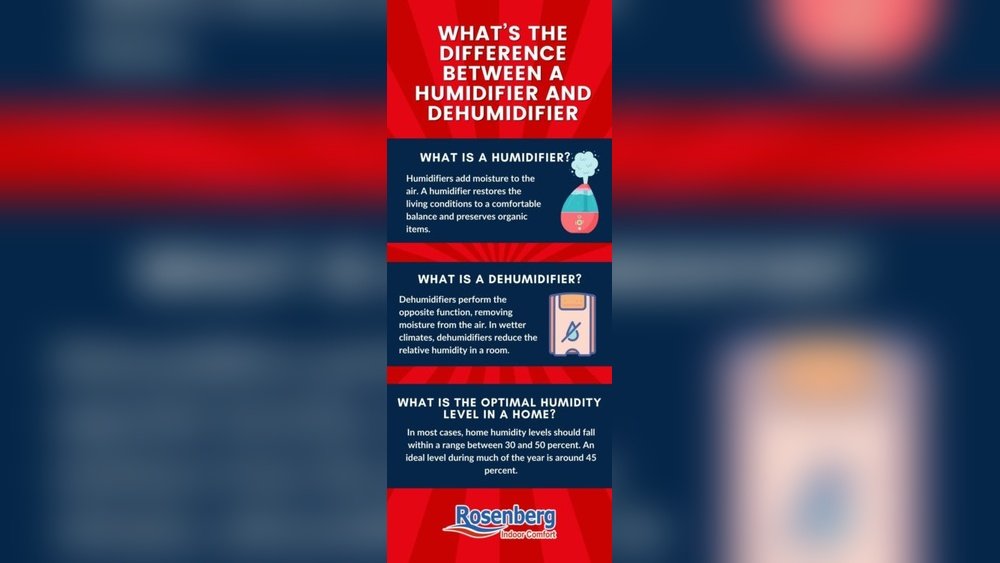
A humidifier adds moisture to dry air. It raises humidity, making the air feel warmer and less dry. A dehumidifier removes moisture from damp air. It lowers humidity, preventing mold and dampness problems.
Health Impacts
Humidifiers help with dry skin, sore throats, and allergies caused by dry air. Dehumidifiers reduce mold and dust mites, which can trigger asthma and allergies. Both improve air quality but target different health issues.
Energy Consumption
Humidifiers usually use less energy because they only release moisture. Dehumidifiers use more power to extract and collect water from the air. Energy use varies by device size and room conditions.
Maintenance Requirements
Humidifiers need regular cleaning to stop bacteria growth. Water tanks must be refilled often. Dehumidifiers require emptying water tanks and cleaning filters. Proper care keeps both devices working well and safe.
When To Use Each Device
Knowing when to use a humidifier or a dehumidifier helps keep your home comfortable. Each device controls moisture but in opposite ways. The choice depends on the current air condition and your needs.
Ideal Conditions For Humidifiers
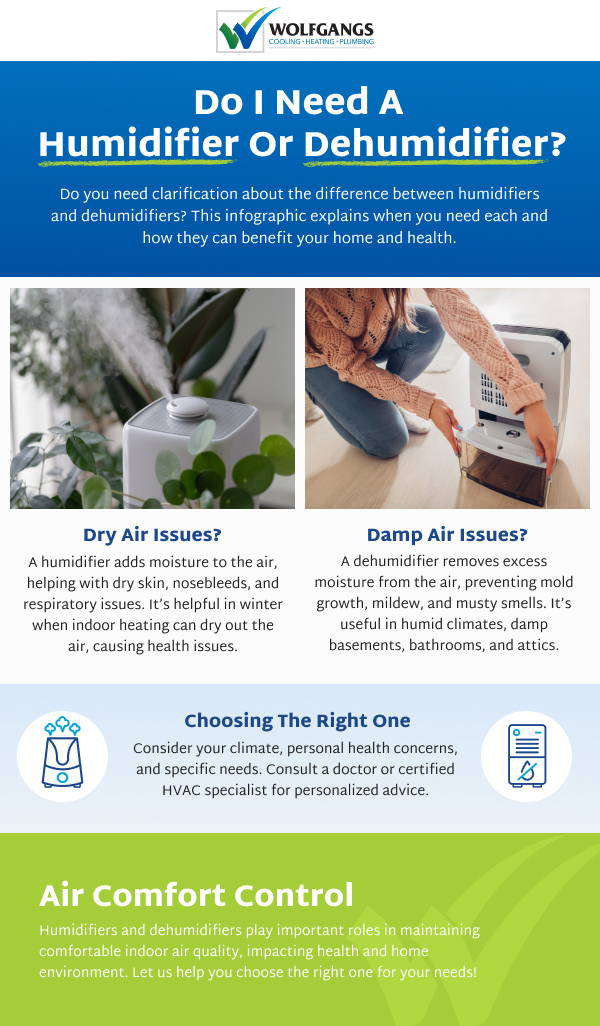
Use a humidifier when the air feels dry. Dry air can cause dry skin, sore throat, and cracked lips. It often happens in winter or in dry climates. A humidifier adds moisture to the air. This helps reduce irritation and keeps your home cozy. It is also good for babies and people with allergies.
Ideal Conditions For Dehumidifiers
Use a dehumidifier when the air feels damp or sticky. Too much moisture can cause mold and dust mites. It often happens in basements or after rain. A dehumidifier removes excess moisture from the air. This helps prevent mold growth and bad smells. It keeps your home healthier and more comfortable.
Choosing The Right Device
Choosing the right device between a humidifier and a dehumidifier depends on your needs. Each device controls the air moisture differently. Understanding your space and requirements helps make the best choice. Consider factors like your environment, budget, and the size of the device you need.
Assessing Your Environment
Check the air moisture in your home. Too dry air calls for a humidifier. It adds moisture to the air. Too much moisture means a dehumidifier is better. It removes excess water from the air. Look for signs like mold or dry skin to decide.
Budget Considerations
Set a budget before buying. Humidifiers usually cost less than dehumidifiers. Consider running costs like electricity use. Some devices need special filters, adding to expenses. Choose a device that fits your budget and needs.
Size And Capacity
Choose the right size for your room. Small devices suit bedrooms or offices. Large units work better in living rooms or basements. Check the capacity, measured in pints or liters. It shows how much moisture the device can add or remove daily.
Common Mistakes To Avoid
Using a humidifier or dehumidifier can greatly improve your home’s air quality. Mistakes with these devices can cause problems instead. Knowing common errors helps keep your air healthy and your devices working well.
Overusing Humidifiers
Too much moisture harms your home. It can cause mold and dust mites to grow. These lead to allergies and breathing problems. Set your humidifier to the right level, usually between 30% and 50%. Turn it off when the air feels damp. Clean it often to stop bacteria build-up.
Ignoring Dehumidifier Maintenance
Dehumidifiers need regular care. Dust and dirt block air flow, making them less effective. Empty the water tank every day to avoid mold. Check and clean the filter monthly. Skipping these steps can shorten the device’s life and reduce air quality.
Frequently Asked Questions
What Does A Humidifier Do In A Room?
A humidifier adds moisture to dry indoor air. It helps prevent dry skin, throat irritation, and respiratory issues. Humidifiers are ideal in winter or dry climates to maintain comfortable humidity levels and improve air quality.
How Does A Dehumidifier Improve Indoor Air?
A dehumidifier removes excess moisture from the air. It reduces mold, mildew, and dust mites, improving air quality. Dehumidifiers are useful in damp spaces to prevent musty odors and protect furniture and walls from moisture damage.
When Should I Use A Humidifier Versus A Dehumidifier?
Use a humidifier when indoor air feels dry or causes discomfort. Use a dehumidifier in humid or damp conditions to reduce moisture and prevent mold growth. Proper use depends on your local climate and indoor humidity levels.
Can A Humidifier Or Dehumidifier Affect Allergies?
Yes, both affect allergy symptoms. Humidifiers soothe dry nasal passages, reducing irritation. Dehumidifiers lower mold and dust mites, common allergy triggers. Choose based on your specific allergy causes and indoor humidity.
Conclusion
Humidifiers add moisture to dry air, making rooms feel comfortable. Dehumidifiers remove extra moisture, helping to prevent mold and dampness. Both devices improve indoor air quality in different ways. Choose based on your home’s needs and climate. Understanding their roles helps you create a healthier living space.
Simple steps can lead to better air and comfort. Clear air, happy home.