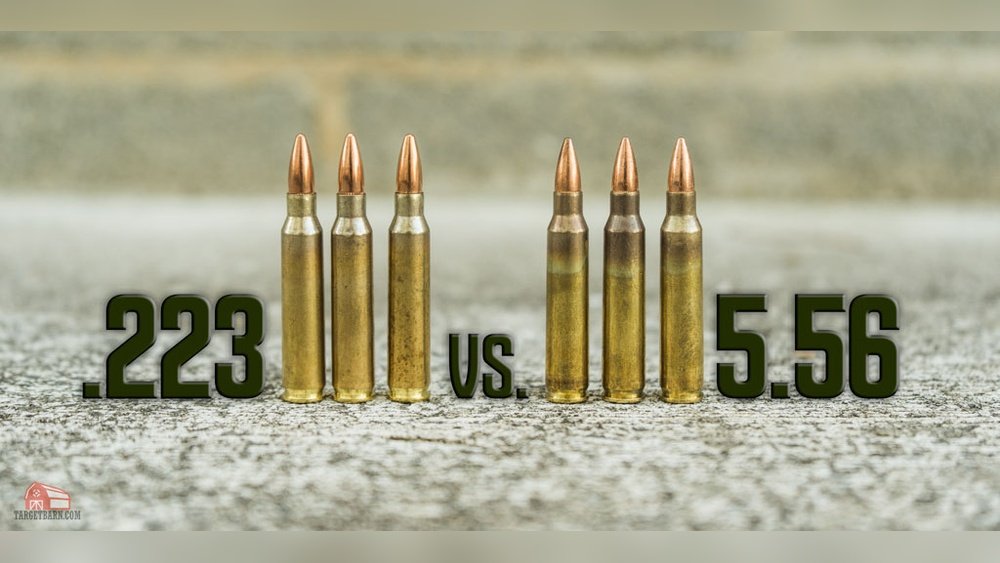
If you’ve ever shopped for rifle ammo, you’ve probably seen .223 and 5.56 cartridges side by side and wondered: what’s the real difference? At first glance, they look almost the same, but using the wrong one could affect your shooting accuracy, safety, and performance.
Understanding these differences is key to making the right choice for your gun and your needs. Keep reading, because by the end of this article, you’ll know exactly how. 223 and 5. 56 ammo compare—and which one is best for you.
.223 Vs 5.56: Basic Specs
Understanding the basic specs of .223 and 5.56 ammo helps in choosing the right cartridge. These two rounds look similar but have key differences. Knowing dimensions, pressure, and velocity is important for safe and effective use. Let’s break down these aspects clearly.
Cartridge Dimensions
The .223 Remington and 5.56 NATO cartridges have almost the same size. Both use a bullet diameter of 0.224 inches. The case length is also very close. The main difference lies in the case thickness and shape. The 5.56 case is slightly thicker to handle more pressure. Despite this, you can usually chamber a .223 round in a 5.56 rifle, but not always the other way around.
Pressure Levels
The 5.56 NATO round is loaded to higher pressure than the .223 Remington. 5.56 can reach up to 62,000 psi, while .223 is usually around 55,000 psi. This means 5.56 ammo produces more force inside the barrel. Using 5.56 ammo in a rifle made only for .223 can be unsafe. Always check your firearm’s rating before using higher pressure rounds.
Velocity And Energy
5.56 ammo generally has higher velocity than .223. This means the bullet moves faster downrange. Higher velocity also gives 5.56 more energy on impact. The differences can affect accuracy and recoil. Shooters may notice a slight jump in power with 5.56 rounds compared to .223. Both are effective but serve slightly different roles.
Origins And Military Use
The origins and military use of .223 and 5.56 ammo are closely connected. Both cartridges share a common background but serve different roles in military and civilian settings. Understanding their development and adoption helps clarify their differences.
Development History
The .223 Remington was developed in the late 1950s. It aimed to create a lightweight, high-velocity round. Designers wanted a cartridge that could replace larger rifle rounds.
The 5.56x45mm NATO round evolved from the .223 Remington. The U.S. military adjusted the design for better performance in combat. Changes included different pressure levels and chamber dimensions.
These modifications made the 5.56 round more suitable for military rifles. Both rounds look similar but have distinct specifications. The difference lies in their intended use and pressure standards.
Adoption By Armed Forces
The 5.56 NATO round was officially adopted by the U.S. military in the early 1960s. It became the standard cartridge for the M16 rifle. Other NATO countries soon followed suit.
The .223 Remington remained popular in civilian markets. Hunters, sport shooters, and law enforcement use it widely. Military forces prefer the 5.56 for its reliability and military-grade standards.
Using the correct ammo type is essential for safety and performance. Military rifles chambered for 5.56 NATO can handle higher pressures. Civilians should choose ammo based on their firearm’s chamber specifications.
Compatibility And Safety
Understanding the compatibility and safety between .223 and 5.56 ammo is very important. Using the wrong ammo can cause damage or injury. Each type of ammo matches specific rifle chambers. Knowing these differences helps keep shooting safe and accurate.
Chamber Differences
The .223 Remington and 5.56 NATO have different chamber designs. The 5.56 chamber is slightly larger and stronger. It can handle higher pressure safely. The .223 chamber is tighter and made for lower pressure rounds. This means the same bullet might behave differently in each chamber.
Using 5.56 In .223 Chambers
Using 5.56 ammo in a .223 chamber can be risky. The higher pressure of 5.56 rounds may cause extra stress. This can lead to dangerous situations like case ruptures or jams. Many experts advise against using 5.56 ammo in rifles marked only for .223.
Using .223 In 5.56 Chambers
Using .223 ammo in a 5.56 chamber is generally safe. The 5.56 chamber can handle the lower pressure of .223 rounds. Shooters may notice slightly less accuracy or velocity. Still, this is a common and safe practice for many rifle owners.

Performance And Accuracy
Performance and accuracy are key factors when choosing between .223 and 5.56 ammo. Both rounds share similarities but show clear differences in how they shoot. Understanding these differences helps shooters pick the right ammo for their needs.
Trajectory Comparison
The .223 round usually has a slightly flatter trajectory than the 5.56. This means the .223 bullet drops less over distance. Shooters find it easier to aim at longer targets with .223. The 5.56 round has a bit more drop, especially past 300 yards. This affects precision at extended ranges.
Effective Range
.223 ammo is effective up to about 300 yards for most shooters. It performs well in hunting and target shooting. The 5.56 round can reach out to 500 yards with some loss in power. Military shooters prefer 5.56 for its longer reach. Both rounds work best in medium-range engagements.
Recoil And Control
Recoil is light for both .223 and 5.56 rounds. The .223 usually has slightly less recoil, making it easier to control. This helps with faster follow-up shots and better accuracy. The 5.56’s recoil is mild but can feel sharper in some rifles. Overall, both rounds offer good control for most shooters.
Ammo Availability And Cost
Ammo availability and cost are key factors for shooters choosing between .223 and 5.56 rounds. These cartridges look similar but have differences in supply and price that matter to many buyers. Understanding these aspects helps in making smart purchases for range time or defense.
Market Supply
5.56 ammo is widely available due to its military use. Many manufacturers produce it in large quantities. This high demand keeps it stocked in most stores. The .223 round is also common, but less so than 5.56. Some stores may carry more 5.56 than .223. Both are easy to find, but 5.56 tends to have a slight edge in availability.
Price Differences
Generally, 5.56 ammo costs a bit less than .223. Bulk production for military contracts lowers 5.56 prices. The .223 round may have a small price premium because of its civilian market focus. Prices vary by brand, quality, and location. Buyers often find better deals on 5.56, especially in larger quantities. Still, price differences are usually small between the two.
Choosing The Right Ammo
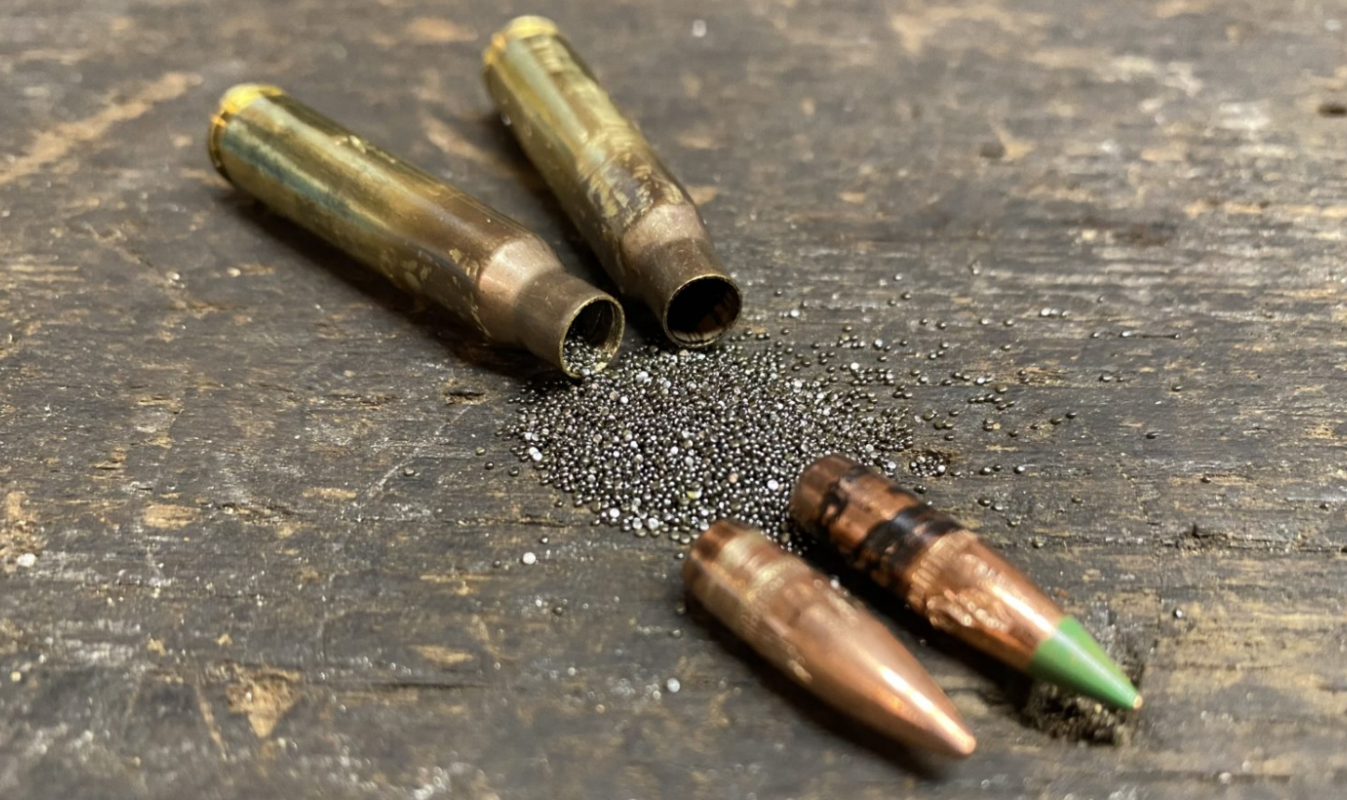
Choosing the right ammo is important for safety and performance. The .223 and 5.56 cartridges are similar but have key differences. Knowing these helps you pick the best option for your needs. This guide breaks down the main factors to consider.
Intended Use Cases
.223 ammo suits target shooting and small game hunting. It has less pressure, which means less recoil and good accuracy. 5.56 ammo works well for tactical and self-defense purposes. It has higher pressure and more power. Match the ammo to your shooting activity for best results.
Firearm Compatibility
Check your firearm’s chamber marking before choosing ammo. Some rifles are made for .223 only. Others are built for 5.56 or both. Using 5.56 ammo in a .223-only rifle may cause damage or reduce accuracy. Always confirm your firearm’s specs to avoid problems.
Legal Considerations
Ammo laws vary by location. Some areas restrict military-style rounds like 5.56. Others allow both types freely. Know your local laws before buying or using ammo. Following rules keeps you safe and avoids legal trouble.

Frequently Asked Questions
What Are The Main Differences Between .223 And 5.56 Ammo?
The. 223 Remington and 5. 56 NATO differ in chamber pressure and case thickness. 5. 56 ammo operates at higher pressure, making it more powerful. Their dimensions are similar, but 5. 56 requires a stronger firearm chamber for safe use.
Can I Use .223 Ammo In A 5.56 Rifle?
Yes, you can safely use. 223 ammo in a 5. 56 chamber. The. 223 has lower pressure, so it works well in 5. 56 firearms. However, expect slightly less performance compared to 5. 56 rounds.
Is 5.56 Ammo Safe In A .223 Chamber?
Using 5. 56 ammo in a. 223 chamber is not recommended. The higher pressure of 5. 56 rounds may cause firearm damage or injury. Always check your firearm’s specifications before using 5. 56 ammo.
How Do .223 And 5.56 Ammo Affect Accuracy?
Both. 223 and 5. 56 offer similar accuracy potential. The slight pressure and velocity difference have minimal impact on precision. Proper firearm and load selection matter more for accuracy than the cartridge choice.
Conclusion
Choosing between. 223 and 5. 56 ammo depends on your needs. Both have similar sizes but differ in pressure and power. The 5. 56 usually has higher pressure and is used by the military. The. 223 is common for civilian shooting and hunting.
Always check your gun’s specifications before using any ammo. Using the wrong ammo can cause damage or injury. Understanding these differences helps you shoot safely and effectively. Keep this info in mind for your next shooting session. Simple knowledge goes a long way.