Have you ever noticed how your home feels stuffy or dry at times? The secret behind that comfort lies in the right humidity level.
Getting your home’s humidity just right can make a huge difference in how you feel, breathe, and even sleep. But what exactly is the best humidity level for a home? You’ll discover the perfect balance that keeps your space cozy, healthy, and free from common problems like mold or dry skin.
Keep reading to find out how adjusting your home’s humidity can improve your everyday life.
Ideal Humidity Range
Maintaining the right humidity level inside your home is very important. It helps keep the air fresh and comfortable. The ideal humidity range stops the air from being too dry or too wet. This balance protects your home and improves your daily living.
Recommended Levels For Comfort
The best humidity level for a home usually falls between 30% and 50%. This range feels comfortable for most people. It prevents dry skin and irritation. It also stops excess moisture that can cause dampness.
Keeping humidity below 50% helps avoid mold growth. It also reduces dust mites and allergens. Humidity above 30% helps prevent dry air problems. These include sore throats and dry eyes.
Effects On Health And Well-being
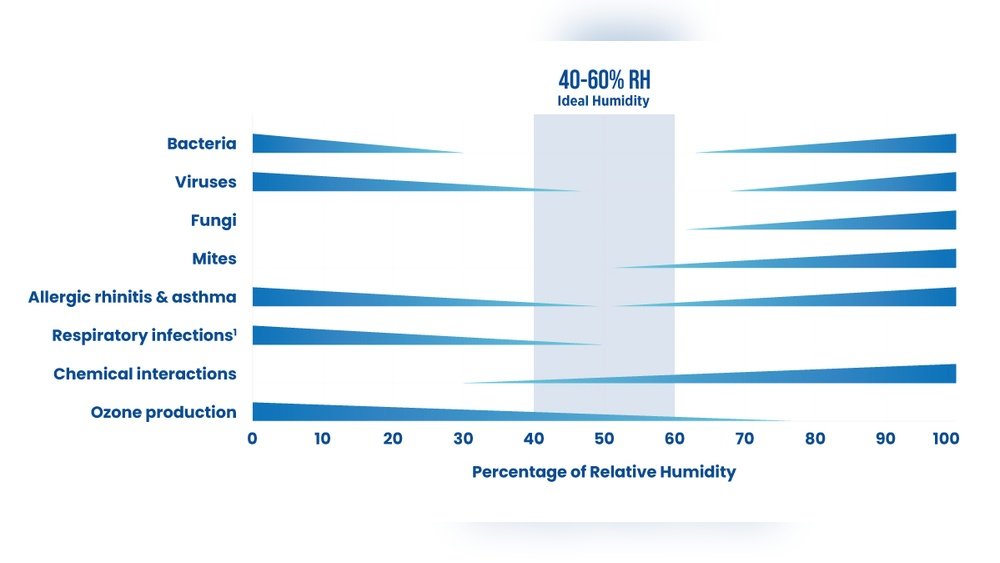
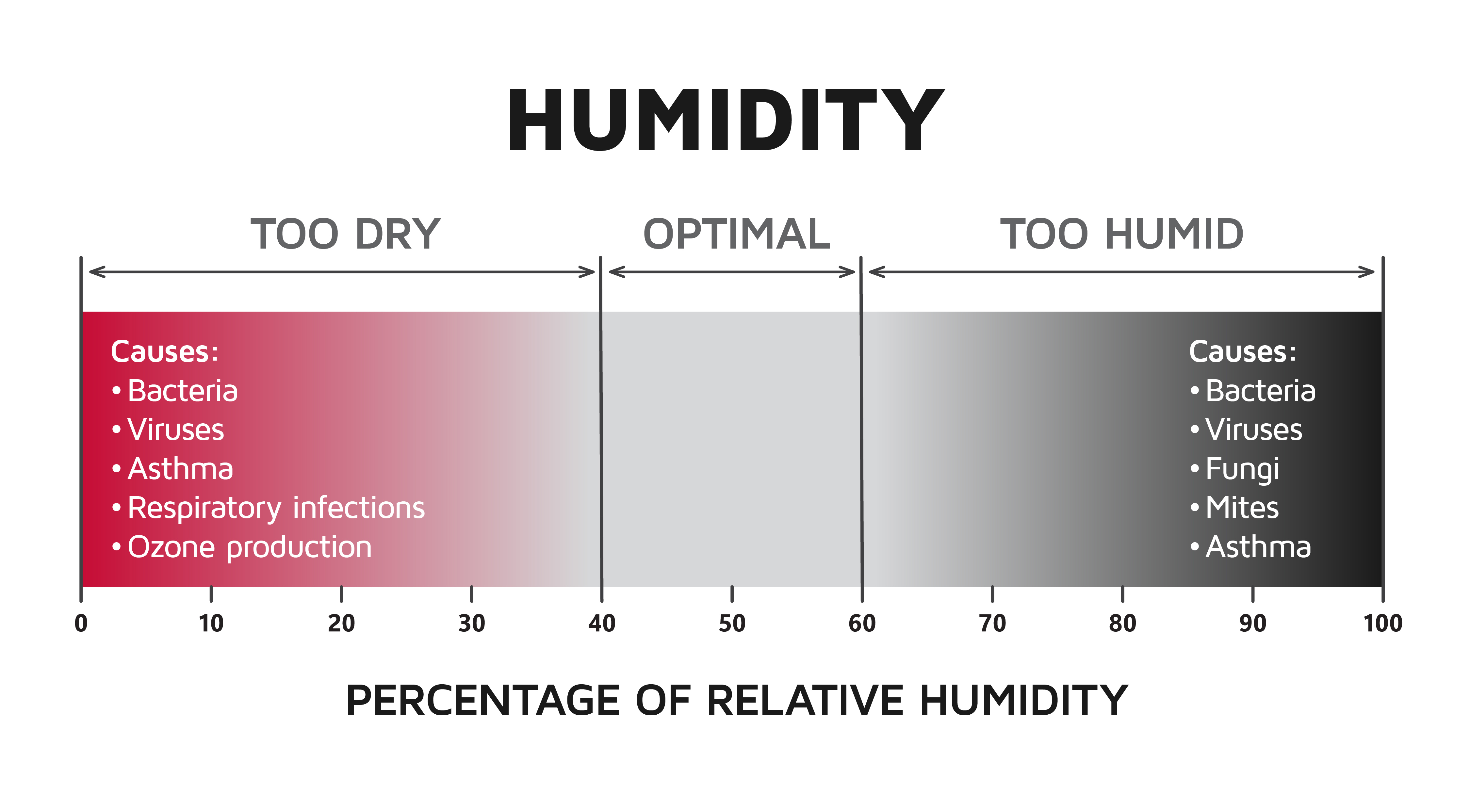
Humidity affects your health in many ways. Too low humidity can cause dry skin and breathing issues. It can make allergies and asthma worse. Too high humidity encourages mold and dust mites. These can trigger respiratory problems.
Balanced humidity helps you breathe easier. It also protects your skin and eyes. It keeps your home environment safe and healthy. This supports better sleep and overall well-being.
Impact On Home Environment
Maintaining the right humidity level greatly affects your home’s comfort and health. It impacts the air you breathe and the condition of your belongings. Proper humidity keeps your home safe and clean. Below are key ways humidity influences your living space.
Preventing Mold And Mildew
High humidity creates a perfect place for mold and mildew to grow. These fungi damage walls, ceilings, and floors. They also cause bad smells and can harm your health. Keeping humidity below 60% stops mold spores from spreading. Dry air helps prevent these problems.
Protecting Wood And Furniture
Wood furniture and floors suffer from too much or too little moisture. Excess humidity causes wood to swell and warp. Low humidity makes it dry and crack. Balanced moisture preserves the shape and strength of wood. It also keeps paint and finishes from peeling.
Reducing Allergens And Dust Mites
Dust mites and allergens thrive in moist environments. These tiny pests can worsen allergies and asthma symptoms. Controlling humidity below 50% reduces their numbers. Dry air lowers allergens, making your home healthier. It also improves overall air quality.
Measuring Indoor Humidity
Measuring indoor humidity helps keep your home comfortable and healthy. Humidity affects air quality, mold growth, and even your skin. Knowing the right humidity level can prevent problems. Tools for measuring humidity are easy to use and widely available. They give clear readings you can trust.
Using Hygrometers
A hygrometer is a simple device to check humidity. It shows the moisture level in the air. Many types exist, from basic analog to digital models. Place it in rooms where you want to monitor humidity. Check readings regularly to spot changes early. Hygrometers are affordable and easy for anyone to use. Some models also measure temperature alongside humidity.
Smart Home Humidity Sensors
Smart sensors connect to your phone or home system. They provide real-time humidity updates anywhere. These devices send alerts if humidity goes too high or low. You can adjust your humidifier or dehumidifier based on the data. Smart sensors often track temperature and air quality too. They help maintain a balanced indoor environment without guesswork.
Adjusting Humidity Levels
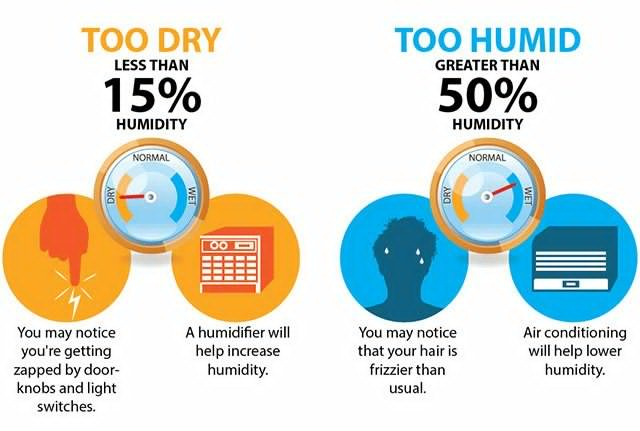
Adjusting humidity levels in your home helps create a healthy and comfortable space. Too dry air can cause dry skin and irritation. Too much moisture may lead to mold and dust mites. Finding the right balance keeps your home fresh and safe.
Humidifiers For Dry Air
Humidifiers add moisture to the air. They help in winter when heaters dry the air inside. Small portable humidifiers work well for single rooms. Larger models can cover whole homes. They prevent dry skin, sore throats, and static electricity.
Dehumidifiers For Excess Moisture
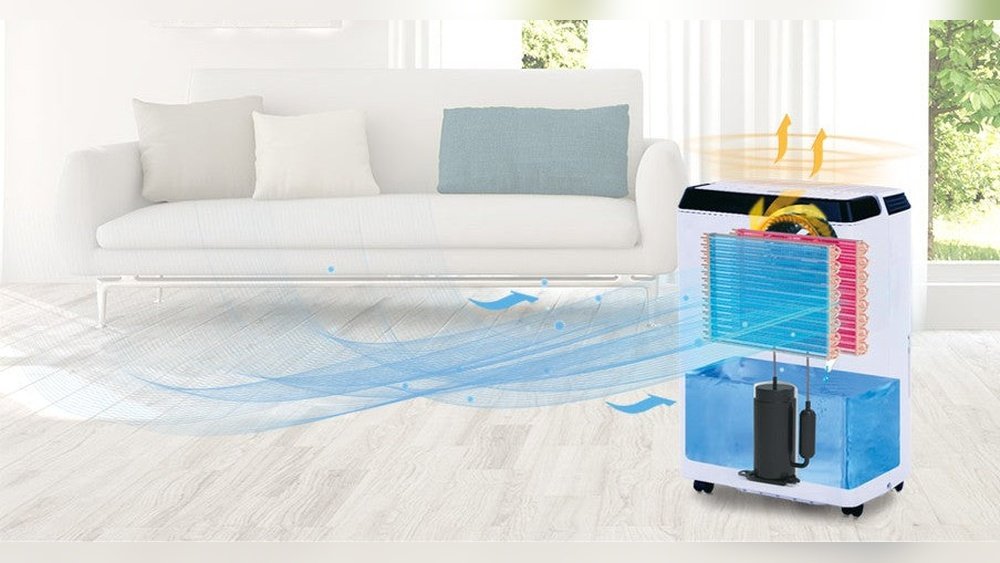
Dehumidifiers remove extra moisture from the air. They help in damp basements or bathrooms. Using a dehumidifier stops mold and mildew growth. It also reduces dust mites that cause allergies. Choose the right size for the room for best results.
Natural Methods To Balance Humidity
Opening windows lets fresh air in and lowers humidity. Houseplants absorb moisture and improve air quality. Using exhaust fans in kitchens and bathrooms helps remove steam. Placing bowls of water near heat sources adds gentle moisture. These simple steps keep humidity balanced without machines.
Seasonal Humidity Tips
Seasonal changes affect humidity inside homes a lot. Different seasons need different ways to keep humidity in a good range. This helps protect your home and keeps you comfortable. Knowing how to manage humidity in winter and summer helps maintain a healthy indoor space.
Managing Humidity In Winter
Winter air is cold and dry, which lowers indoor humidity. Dry air can cause dry skin, irritated eyes, and sore throats. Use a humidifier to add moisture to the air. Keep humidity levels between 30% and 40% to avoid mold growth. Avoid over-humidifying, as this can cause condensation on windows and walls. Ventilate rooms when cooking or showering to reduce excess moisture.
Controlling Humidity In Summer
Summer often brings high humidity, making rooms feel sticky and uncomfortable. High humidity encourages mold, dust mites, and allergies. Use air conditioning or dehumidifiers to lower indoor moisture. Aim for humidity levels between 40% and 50%. Open windows during dry, cooler times to let fresh air in. Close windows when humidity is high outside to keep moisture out.

Common Mistakes To Avoid
Keeping the right humidity level in your home is important. Many people make simple mistakes that harm comfort and health. Avoid these common errors to keep your home safe and cozy.
Over-humidifying
Too much humidity causes problems. It can make rooms feel sticky and warm. Excess moisture leads to mold and dust mites growth. These bring allergies and breathing issues. Use a hygrometer to check levels. Aim for 30% to 50% humidity for best comfort. Don’t run humidifiers all day without breaks.
Ignoring Ventilation
Proper airflow helps control moisture. Without good ventilation, dampness stays inside. Bathrooms and kitchens need fans to remove steam. Open windows when weather allows fresh air in. Poor ventilation increases mold risk and bad odors. Ventilation works with humidity control to keep air clean and fresh.
Frequently Asked Questions
What Is The Ideal Indoor Humidity Level?
The ideal indoor humidity level ranges between 30% and 50%. This range prevents mold, dust mites, and respiratory problems. It also keeps your home comfortable and protects wood furniture from warping.
How Does Humidity Affect Home Health?
High humidity promotes mold growth and dust mites, causing allergies. Low humidity can cause dry skin and respiratory irritation. Maintaining balanced humidity improves indoor air quality and overall health.
Can Humidity Damage Home Structures?
Yes, excessive humidity can cause wood to warp and paint to peel. It also promotes mold growth on walls and ceilings. Controlling humidity protects your home’s structural integrity and appearance.
How To Measure Home Humidity Accurately?
Use a hygrometer to measure indoor humidity. Digital hygrometers are easy to use and provide accurate readings. Regular monitoring helps maintain optimal humidity for comfort and health.
Conclusion
Maintaining the right humidity keeps your home healthy and comfortable. Aim for 30% to 50% humidity for best results. Too much moisture can cause mold and dust mites. Too little can dry your skin and damage wood. Use a humidifier or dehumidifier to control levels.
Check your home’s humidity often to stay balanced. A good humidity level improves breathing and protects your belongings. Simple steps create a better living space for everyone. Keep your home fresh and safe all year long.