When choosing a rifle safe, you might have come across the term “interior cubic footage” and wondered what it really means. Understanding this key measurement can help you pick the right safe that fits all your rifles and gear without wasting space or money.
You’ll discover exactly what interior cubic footage is, why it matters to you, and how it affects your safe’s storage capacity. Keep reading to make a smart, confident choice for protecting your valuable firearms.

Interior Cubic Footage Basics
Understanding the interior cubic footage of a rifle safe is important. It tells you how much space is inside the safe. This space helps you decide if the safe fits your needs. Knowing the basics can save time and avoid mistakes.
This section explains what interior cubic footage means. It also shows how to measure it correctly. These details help you choose the right safe for your collection.
Definition And Importance
Interior cubic footage is the total volume inside a rifle safe. It measures the space in cubic feet. This space is where you store guns, ammo, and other items.
The size matters for storing many rifles or accessories. A larger cubic footage means more storage. It also affects how easy it is to organize your items.
Buyers use cubic footage to compare different safes. It gives a clear idea of the safe’s capacity. This helps avoid buying a safe that is too small or too large.
How It’s Measured
To find cubic footage, measure the safe’s interior length, width, and height. Use feet for each measurement.
Multiply these three numbers: length × width × height. The result is the interior cubic footage.
For example, a safe with 3 feet long, 2 feet wide, and 2 feet high has 12 cubic feet.
Remember, measurements must be inside the walls. Do not include the door or external parts.
Accurate measurement ensures you know exactly how much space you have.

Impact On Storage Capacity
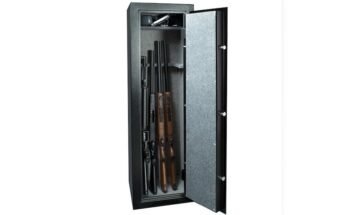
The interior cubic footage of a rifle safe directly affects how much you can store inside. This measurement shows the total internal space available. Understanding this helps to choose the right safe for your needs. It also helps avoid overcrowding and damage to your items.
Storage capacity depends on the size and shape of the safe’s interior. Larger cubic footage means more room for rifles, handguns, and other valuables. Smaller cubic footage limits the number of items you can keep secure. Knowing how cubic footage impacts storage helps plan your safe’s use better.
Types Of Items Stored
Rifle safes hold various items beyond guns. You can store ammunition, scopes, and cleaning kits. Some also keep important documents or jewelry. The types of items affect how much space you need. Bulky items take more room, reducing overall capacity. Slim items fit better but still require careful arrangement.
Maximizing Space Efficiency
Organize your safe to use every inch wisely. Use shelves and racks to separate items. Store guns vertically to save floor space. Place smaller items in drawers or boxes. Avoid stacking too many things; it causes damage and clutter. Proper arrangement helps keep your safe neat and accessible.
Choosing The Right Size
Choosing the right size for your rifle safe is important. The interior cubic footage shows how much space is inside. This space must fit your guns and other valuables. Picking the correct size keeps your items safe and easy to access.
Assessing Your Collection
Count the rifles and other guns you own. Think about the size of each firearm. Include handguns, ammo, and accessories. Check the space each item needs. This helps find a safe that fits all your gear comfortably.
Future Expansion Considerations
Plan for new guns you might buy later. Add extra room for growing your collection. A safe with some spare space avoids buying a new one soon. This saves money and effort over time.

Comparing Exterior Vs Interior Dimensions
Comparing exterior and interior dimensions helps understand the true size of a rifle safe. The exterior size shows the safe’s total footprint. Interior dimensions reveal the actual space available inside. This space determines how many firearms and accessories fit inside comfortably.
Wall Thickness Effects
Wall thickness affects the difference between exterior and interior sizes. Thicker walls mean stronger protection. They also reduce interior space. A safe with thick steel may have less usable room inside. Always check wall thickness to know how much space you lose.
Understanding Usable Space
Usable space is the real area inside the safe. It excludes space taken by shelves, locking bolts, and padding. Interior cubic footage shows total inside volume. Usable space depends on layout and design. Choose a safe with enough usable space for your needs.
Common Misconceptions
Many people misunderstand what interior cubic footage means for rifle safes. This can lead to buying a safe that does not meet their needs. Knowing common misconceptions helps you make better choices.
Overestimating Capacity
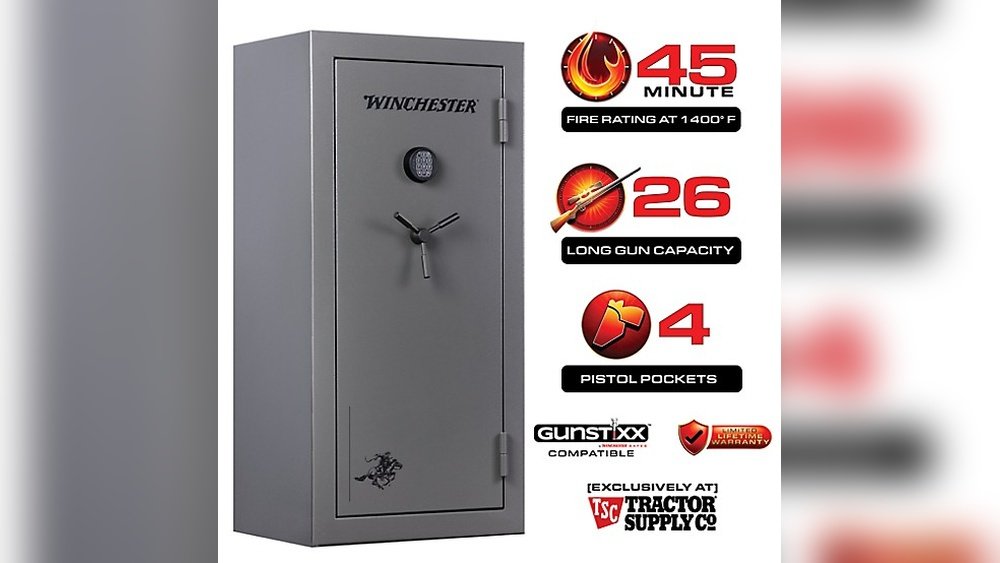
Some buyers think a large number means more space for guns. But interior cubic footage measures volume, not usable space. Shelves, locks, and padding take up room inside. This reduces the actual space for rifles and gear.
Ignoring these factors causes overestimating how many rifles fit. Always check the safe’s design and layout, not just the volume number.
Ignoring Interior Features
People often forget about shelves, door pockets, and gun racks. These features reduce clear space but improve organization. Without them, rifles may not fit safely or neatly. Interior features affect how you can store items.
Focus on the safe’s interior setup as much as its cubic footage. This gives a clearer picture of storage options.
Tips For Organizing Inside The Safe
Organizing the inside of a rifle safe helps protect your firearms and gear. A tidy safe makes it easier to find what you need fast. Proper organization also uses the interior cubic footage efficiently, giving you room for more items. Small changes can create big differences in space and safety.
Use Of Shelves And Racks
Shelves and racks add extra storage levels inside your safe. They keep guns upright and separate from each other. This prevents scratches and damage. Shelves can hold ammo boxes, cleaning kits, or other gear. Adjustable racks allow you to change space based on your needs. Use sturdy materials to support heavy items safely.
Custom Inserts And Accessories
Custom inserts fit perfectly in your safe’s interior cubic footage. Foam inserts hold each firearm securely in place. This stops movement during earthquakes or bumps. Accessories like door organizers or trays add space for small items. Custom options make your safe more organized and user-friendly. They maximize every inch of space inside the safe.
Frequently Asked Questions
What Does Interior Cubic Footage Mean In A Rifle Safe?
Interior cubic footage is the total internal volume inside a rifle safe. It measures length, width, and height in cubic feet. This helps buyers understand how much space is available for storing rifles and other valuables securely.
Why Is Interior Cubic Footage Important For Rifle Safes?
Interior cubic footage indicates the storage capacity of a rifle safe. It helps you choose a safe that fits your firearms and accessories. More cubic footage means more space to organize and protect your collection.
How Is Interior Cubic Footage Calculated In Rifle Safes?
It is calculated by multiplying the safe’s internal length, width, and height in feet. The result gives the total cubic feet available inside. This measurement helps compare different safes’ storage capacities accurately.
Does Larger Cubic Footage Mean Better Rifle Safe?
Not always. Larger cubic footage offers more storage but may affect safe size and weight. Choose a cubic footage that fits your needs and available space for optimal security and convenience.
Conclusion
Understanding interior cubic footage helps you choose the right rifle safe. It shows how much space is inside for your guns and gear. This measure affects how many rifles and accessories fit comfortably. Always check this number before buying to avoid surprises.
A safe with enough space keeps your items organized and protected. Now, you can pick a safe that meets your needs easily. Simple, clear, and useful—interior cubic footage matters a lot.