A carbine safe protects short rifles with quick access while meeting safety and legal needs.
People ask it all the time: What is a carbine safe used for? I’ve spent years helping gun owners set up safe storage that balances speed, security, and law. In this guide, I break down how carbine safes work, who needs one, the features that matter, and how to set yours up the right way. You’ll get a clear answer, with real examples and simple steps you can use today.

What Is a Carbine Safe?
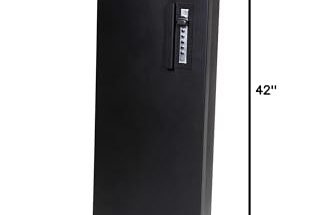
A carbine safe is a compact secure container designed for carbines and short rifles. Think AR pistols, braced PCCs, 10.5–16-inch AR-15s, lever carbines, and folding rifles. It keeps a defensive long gun ready, yet locked away from kids, guests, and thieves.
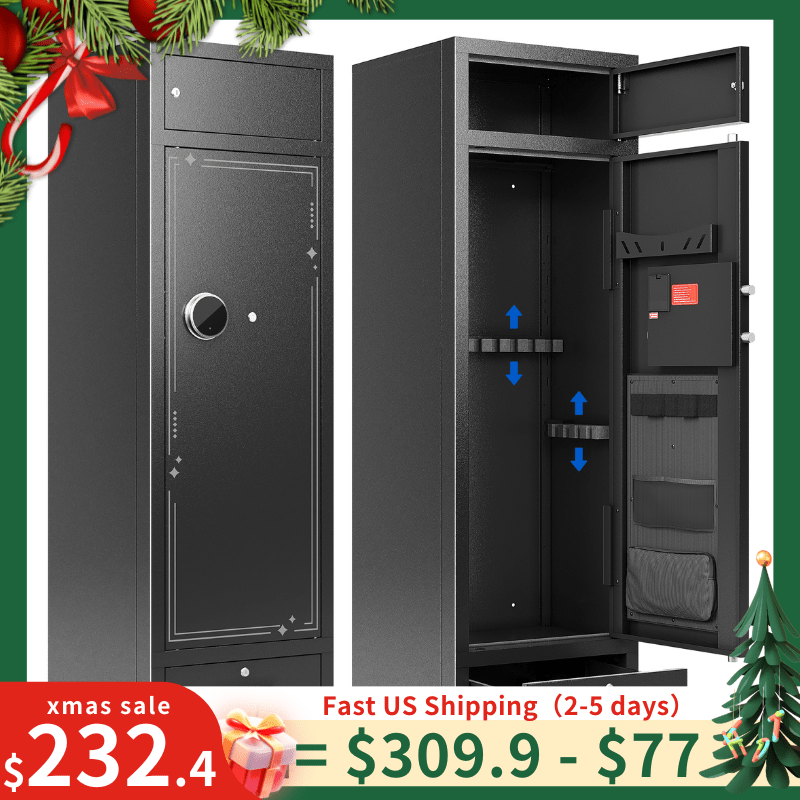
Many shoppers ask, What is a carbine safe used for? The core idea is simple. You want a long gun close at hand, but stored in a locked steel box with a reliable lock. It fits optics, lights, and a sling. It can mount in a closet, beside a bed, or inside a vehicle.
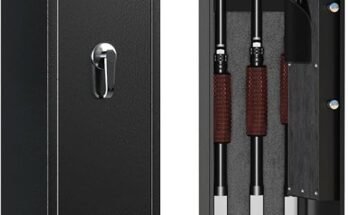
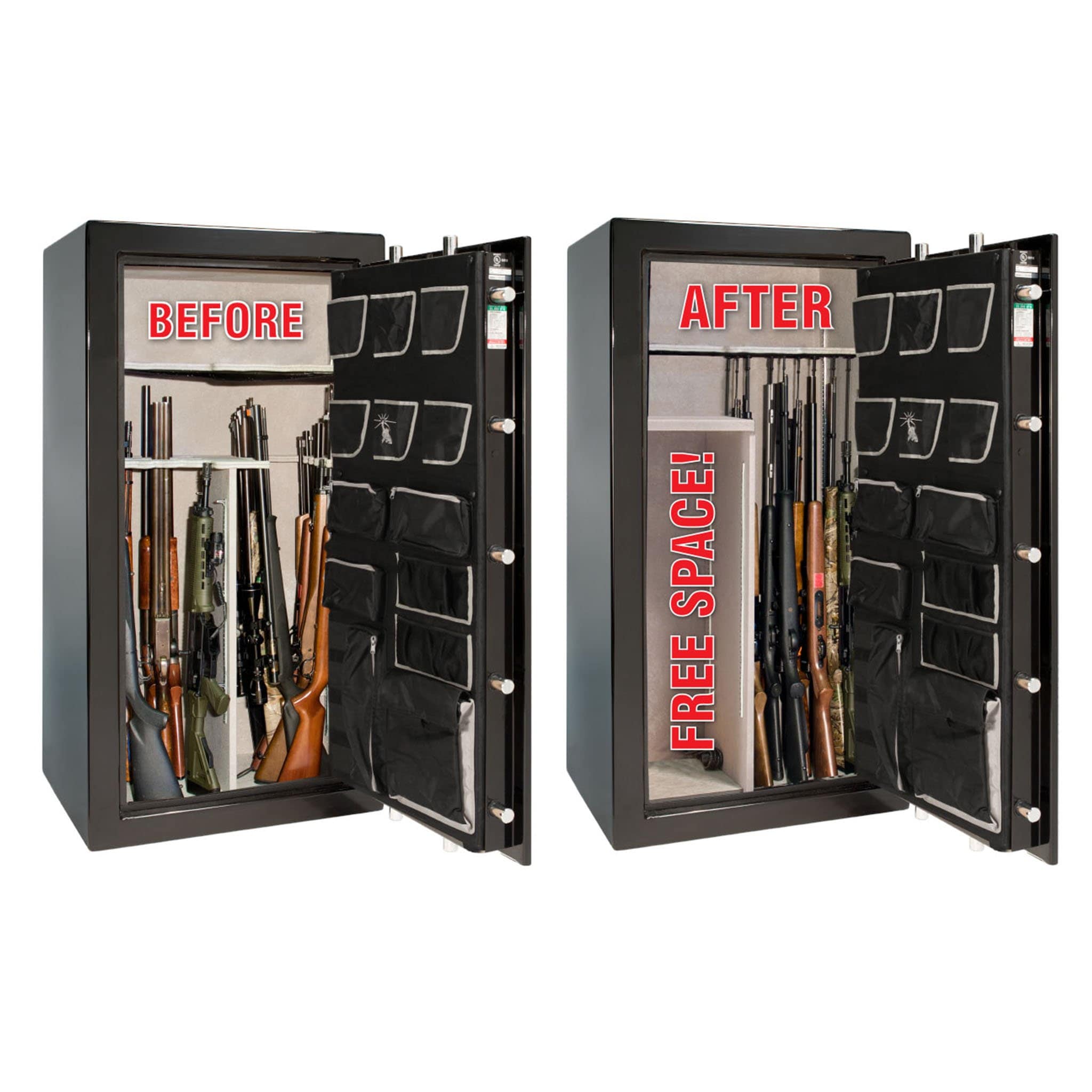
A good carbine safe gives you fast access in seconds. It also offers room for magazines and a light cleaning kit. Most come in vertical or horizontal designs. Some include foam, shelves, or racks for one to three carbines.

Core Uses: Safety, Compliance, and Fast Access
What is a carbine safe used for in daily life? Three things stand out: safety, compliance, and readiness.
- Prevent access by minors. Child Access Prevention laws in many states expect locked storage. Public health data shows secure storage reduces unintentional injuries and teen misuse.
- Deter theft. A quick-smash burglary often takes minutes. A bolted safe and a good lock slow theft, which matters per FBI burglary data.
- Enable fast defense access. Many models open in under three seconds. That window is critical when seconds count.
What is a carbine safe used for when you already own a large gun safe? It fills the gap between a big, slow-to-open safe and a small nightstand box. You keep the carbine staged and secure in the room you actually occupy.
Who Needs One: Real Scenarios I See Most
Over the years, I’ve set up carbine safes for many types of owners. The pattern is clear.
- Homeowners in busy homes. They want a ready long gun, but they put safety first with locked storage.
- Rural folks and ranchers. They need a quick grab carbine for coyotes or two-legged threats.
- Competitive shooters. They protect a match rifle with optics and zero, without hauling a big safe.
- Apartment residents. A slim, anchored carbine safe fits a closet or a corner.
If you’re asking, What is a carbine safe used for, picture your daily life. If you want a faster, safer middle ground between a pistol box and a massive vault, this is it.

Features That Matter (So You Buy Once)
Not all safes are equal. Choose parts that support your use, not just the marketing.
- Steel and construction. Look for 10–14 gauge steel and solid welds. Check for pry resistance around the door.
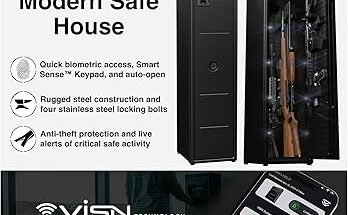
- Lock type. Mechanical simplex locks are fast and low-fail. Quality electronic keypads are quick and easy to change. Good biometrics work, but choose a model with high sensor quality and a keypad backup.
- Certifications. California DOJ compliance is a useful baseline. UL listings for locks add trust.
- Mounting. Pre-drilled anchor holes let you bolt to studs or concrete. A safe not anchored is easy to carry off.
- Interior fit. Ensure space for your optic, light, sling, and a 30-round magazine. Many carbines need extra depth for red dots or LPVOs.
- Access speed. Aim for sub-three-second entry in practice. A quiet, low-profile beeper or silent mode helps at night.
- Power and backup. If it needs batteries, keep spares and an external power option. A physical override key is a nice safety net.
- Fire rating. If fire protection matters, ensure a tested rating. Most quick-access carbine safes prioritize speed over long fire ratings.
What is a carbine safe used for when you pick these features well? It keeps your defensive carbine safe, fast, and reliable, day after day. What is a carbine safe used for when certifications are present? They offer a baseline standard that supports legal compliance and insurance discussions.

Sizing, Placement, and Setup
Getting the size and location right beats any fancy add-on.
- Measure your carbine. Include muzzle device, optic height, sling, and a loaded magazine if you store it inserted. Folding stocks and braces change the footprint.
- Choose vertical or horizontal. Vertical models save floor space. Horizontal boxes slide under a bed or bench.
- Place it where you live. Bedroom closet, office, or safe room. Avoid damp areas without dehumidification.
- Anchor it. Use lag screws into studs or anchors in concrete. Side anchors help with narrow closets.
- Manage noise and light. Use silent entry and low-lumen interior lights to protect night vision.
What is a carbine safe used for if you live in a small space? It gives you discreet storage that still fits a full-length defensive option. What is a carbine safe used for in vehicles? With the right lock and legal compliance, it secures the carbine during travel or stops.
Access Management and Family Training
A safe is only as good as your habits. Set rules and practice.
- Limit codes. Give access only to trained and authorized users. Change codes after guests or life changes.
- Run dry drills. Practice entering the code, opening, and safe handling with an unloaded firearm.
- Stage smart. Store magazines nearby or inserted if legal and safe in your area. Keep a light on the gun.
- Document and label. Keep serials and photos for insurance. Use a small card inside with battery replacement dates.
What is a carbine safe used for in a family context? It builds a clear safety plan that protects loved ones while keeping you prepared.

Maintenance, Humidity, and Fire Considerations
A little care keeps your setup ready.
- Control moisture. Use silica gel or a small dehumidifier rod. Check them monthly.
- Check the lock. Test the keypad or mechanical lock weekly. Replace batteries on a schedule, not when they fail.
- Inspect hardware. Retighten anchor bolts twice a year. Look for door sag or gasket wear.
- Balance fire vs speed. Quick-access safes often have limited fire ratings. If house fire risk is high, consider a layered plan: carbine safe for speed, big fire safe for storage.
What is a carbine safe used for over the long term? Consistent protection and access, as long as you maintain it like any other safety tool.
Frequently Asked Questions of What is a carbine safe used for
What is a carbine safe used for in a typical home?
It secures a defensive carbine so it’s fast to access but locked from kids and guests. It reduces risk and can help you meet safe storage laws.
What is a carbine safe used for compared to a handgun safe?
It stores a longer firearm with optics and mags, which won’t fit in pistol boxes. It offers more room and better layout for a ready long gun.
What is a carbine safe used for when traveling in a car or truck?
It can lock a carbine while parked or stopping, subject to your state and local laws. Always check transport rules and anchor the safe to the vehicle frame if possible.
What is a carbine safe used for if I already have a big gun safe?
It gives you quick access in your living space while the big safe handles bulk storage. It’s a speed layer, not a replacement.
What is a carbine safe used for in states with strict storage laws?
It helps you comply with locked-storage requirements and prevent unauthorized access. Look for models with recognized compliance marks.
What is a carbine safe used for in apartments or rented homes?
It offers discreet, space-saving security with bolt-down options that don’t damage walls much. Check lease terms and use floor anchors where allowed.
Conclusion
A carbine safe fills the gap between a slow vault and a tiny pistol box. It keeps your long gun secure, fast, and compliant with safe-storage best practices. Now that you know what to look for, set a budget, pick your features, and anchor it where you live.
Take one small step today. Measure your carbine, choose a spot, and shortlist three safes that fit your needs. Want more practical guides like this? Subscribe for updates or drop your questions in the comments.