If you own a rifle safe, you know how important it is to keep your firearms in perfect condition. But have you ever wondered what humidity level is best inside your rifle safe?
Too much moisture can cause rust and damage, while too little might not protect your guns the way you think. You’ll discover the ideal humidity range to keep your rifles safe and ready for action. Keep reading, and learn how a simple adjustment can make a big difference in preserving your valuable firearms.
Ideal Humidity Range
Maintaining the right humidity inside a rifle safe is crucial for protecting your firearms. The ideal humidity range helps prevent rust and damage. It keeps metal parts safe and wood stocks from drying out or cracking.
Optimal Levels For Firearm Preservation
Experts recommend keeping humidity between 40% and 50%. This range stops moisture from building up. It also avoids drying out the gun’s wood and seals. Keeping humidity steady in this zone extends the life of your firearms.
Risks Of High Humidity
High humidity causes rust and corrosion on metal parts. It makes gun oil less effective. Moisture can also damage wooden stocks, causing swelling or warping. Keeping humidity above 60% puts guns at serious risk.
Dangers Of Low Humidity
Too low humidity, below 30%, dries out wood and seals. This leads to cracks and shrinkage. It can weaken the gun’s structure and appearance. Low moisture also increases static electricity, which may attract dust.
Effects Of Humidity On Rifles
Humidity inside a rifle safe affects your firearms in many ways. Keeping the right humidity level helps protect rifles from damage. Too much moisture leads to problems. Too little can also cause issues. Understanding how humidity impacts rifles helps you take better care of them.
Corrosion And Rust Formation
High humidity causes rust to form on metal parts. Rust weakens the metal and damages your rifle. Moisture in the air reacts with metal surfaces. This reaction creates corrosion, which can spread quickly. Rust can make rifles unsafe and reduce their value.
Impact On Wood And Metal Components
Wood parts of rifles absorb moisture from the air. This causes the wood to swell and warp. Warped wood affects the rifle’s accuracy and comfort. Metal components can expand or contract with humidity changes. These changes affect the rifle’s fit and function.
Long-term Damage Concerns
Continuous exposure to wrong humidity levels causes long-term damage. Metal parts may corrode deeply and become unusable. Wood can crack or dry out, losing strength. Small damages turn into costly repairs over time. Protecting rifles from humidity extends their lifespan.
Humidity Control Methods
Controlling humidity inside a rifle safe is crucial to protect your firearms. Moisture can cause rust, damage wood stocks, and reduce the value of your guns. Choosing the right method to control humidity helps maintain a safe environment for your collection. Below are common and effective ways to manage moisture inside your safe.
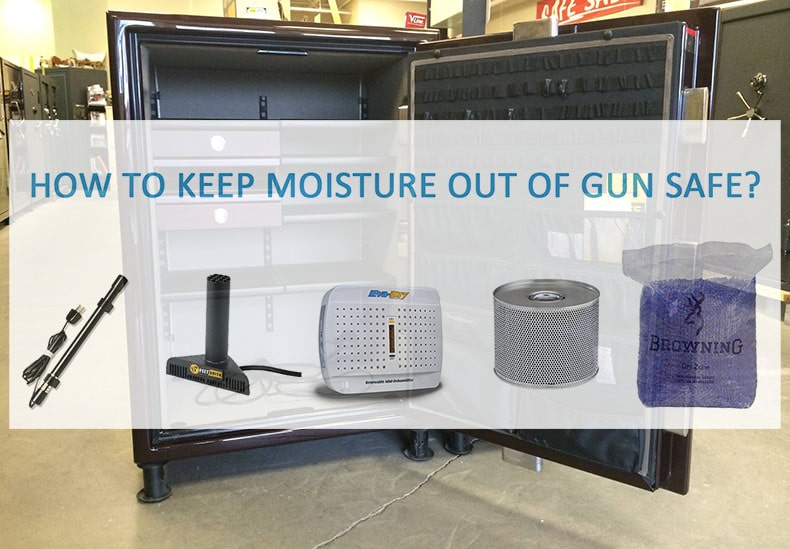
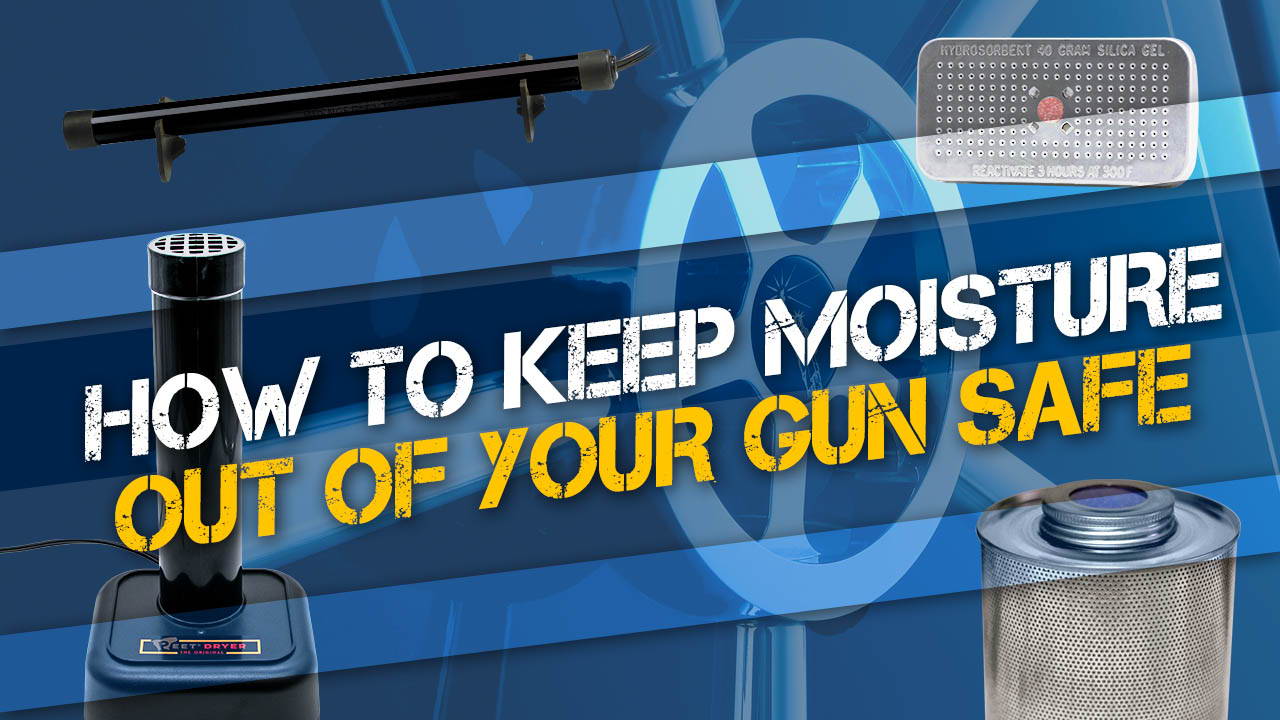
Use Of Desiccants
Desiccants absorb moisture from the air inside the safe. Silica gel packs are popular desiccants. They are affordable and easy to replace. Place several packs around your rifles for best results. These packs need recharging or replacing regularly to keep working. Desiccants work well in small to medium-sized safes.
Dehumidifiers For Safes
Electric dehumidifiers remove moisture continuously. They keep humidity at a stable, safe level. Many models are designed specifically for gun safes. These devices need power to run but offer reliable control. Some dehumidifiers also have automatic shutoff features. They are ideal for larger safes or humid climates.
Ventilation And Air Circulation
Proper air circulation prevents moisture buildup. Adding ventilation helps dry out damp air inside the safe. Small fans or vents can improve airflow. Avoid sealing the safe too tightly without airflow options. Good ventilation lowers the risk of mold and rust. It is a simple way to keep guns dry and safe.
Monitoring Humidity Levels
Monitoring humidity levels inside your rifle safe keeps your firearms in good condition. Proper humidity prevents rust and damage to metal parts. It also protects wooden stocks from warping or cracking. Regular checks help you spot changes early and act fast.
Types Of Hygrometers
Hygrometers measure moisture in the air. Analog models use a dial and needle to show humidity. Digital hygrometers give exact numbers on a screen. Both types work well, but digital ones are easier to read and more accurate.
Placement Inside The Safe
Place the hygrometer where air flows freely. Avoid corners or behind rifles that block airflow. The middle of the safe door or a shelf works well. This spot gives the most accurate humidity readings.
Frequency Of Checks
Check humidity levels at least once a week. During humid seasons, check more often. Frequent checks help catch problems before they harm your firearms. Keep a small notebook to record readings and notice trends over time.
Additional Tips For Safe Storage
Proper humidity inside a rifle safe is crucial, but there are other factors to keep your firearms safe. These tips help protect your guns from damage and rust. Small actions can make a big difference over time.
Temperature Considerations
Keep the safe in a place with steady temperature. Avoid spots that get very hot or cold. Sudden changes can cause moisture to build inside. Heat can damage gun finishes and wood parts. A stable temperature helps maintain safe humidity levels.
Safe Location Selection
Choose a dry and secure area for your safe. Basements can be damp, increasing moisture inside. Avoid placing the safe near windows or vents. These spots let in moisture and dust. A good location helps control humidity and protects your guns.
Routine Maintenance Practices
Check your safe regularly for signs of moisture or rust. Wipe guns with a dry cloth after use. Use silica gel packs or dehumidifiers inside the safe. Replace these items as needed to keep humidity low. Regular cleaning and inspection keep your firearms in top shape.
Frequently Asked Questions
What Is The Ideal Humidity For A Rifle Safe?
The ideal humidity inside a rifle safe is between 40% and 50%. This range prevents rust and mold growth. Maintaining this level protects your firearms from moisture damage and corrosion effectively.
How Does High Humidity Affect Firearms Inside Safes?
High humidity causes metal parts to rust and wooden parts to warp. It also promotes mold and mildew growth. Keeping humidity controlled prevents costly damage to your firearms and safe interior.
What Tools Help Control Rifle Safe Humidity?
Silica gel packs, dehumidifiers, and moisture absorbers are common tools. They regulate humidity by absorbing excess moisture inside the safe. Using these tools helps maintain optimal humidity levels consistently.
Can Low Humidity Damage Guns Stored In Safes?
Very low humidity can dry out wooden stocks and cause cracking. It may also affect lubricants on metal parts. Aim for moderate humidity to keep all firearm materials in good condition.
Conclusion
Keeping the right humidity inside a rifle safe protects your guns well. Aim for 40 to 50 percent humidity. This level stops rust and keeps wood parts strong. Use a good dehumidifier or moisture absorber to control humidity. Check humidity often with a reliable gauge.
Proper care helps your rifle last longer and stay in top shape. Small steps make a big difference in gun safety and maintenance.