When it comes to protecting your rifles, choosing the right safe is crucial. But have you ever wondered what gauge steel is best for a rifle safe?
The thickness of the steel can make all the difference between keeping your firearms secure or leaving them vulnerable. You’ll discover exactly which steel gauge offers the strongest defense without breaking your budget. If you want to make sure your rifles stay safe from theft or damage, keep reading—this is the information you can’t afford to miss.
Steel Gauge Basics
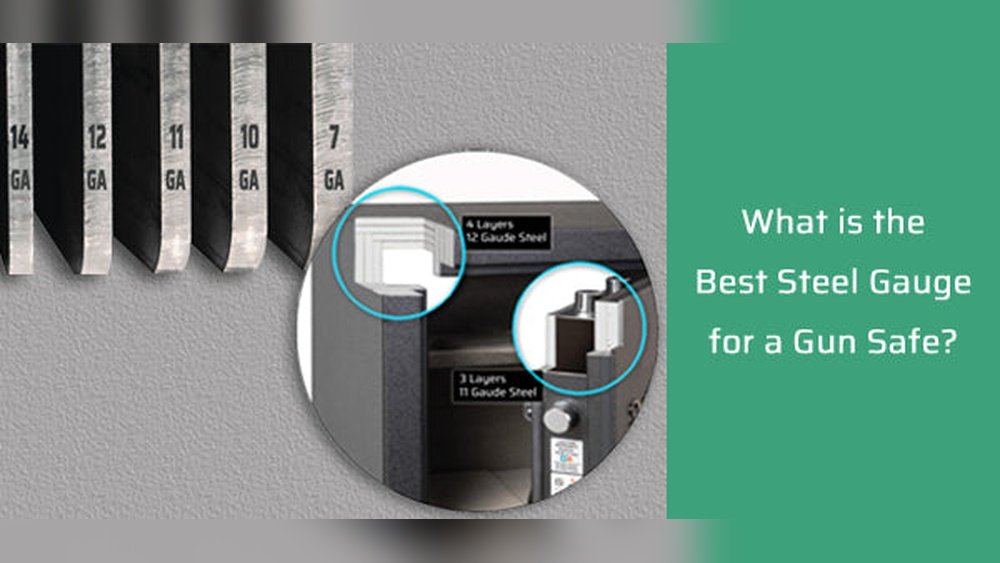
Understanding steel gauge is key to choosing the right rifle safe. Steel gauge measures the thickness of the metal. The lower the gauge number, the thicker the steel. Thicker steel means better protection against break-ins and damage.
Not all steel gauges are the same for safes. Some are thin and easy to cut, while others offer strong resistance. Knowing the basics helps you pick a safe that keeps your rifles secure.
Common Steel Gauges For Safes
Most rifle safes use steel between 10 and 14 gauge. A 14-gauge steel is about 0.075 inches thick. It offers basic protection and suits low-risk areas. A 12-gauge steel is thicker, around 0.104 inches. It provides better security for homes or offices. The strongest safes use 10-gauge steel, about 0.134 inches thick. This thickness resists most attacks and tools.
How Gauge Affects Strength
Steel gauge directly affects the safe’s strength. Thicker steel is harder to cut or drill. It adds weight to the safe, making it harder to move. Thin steel can bend or break under pressure. Thicker steel keeps thieves from easily breaking in. It also protects contents from fire and impact better.
Steel Thickness And Security
Thick steel is a key part of a secure rifle safe. It works with locks and bolts to keep your guns safe. Thicker walls slow down thieves, giving you time to react. Thin steel safes may look good but offer less security. Choose a safe with at least 12-gauge steel for strong protection. For high-value collections, 10-gauge steel is best.
Ideal Gauge For Rifle Safes
Choosing the right steel gauge for a rifle safe is essential. It affects security, weight, and durability. The ideal gauge offers strong protection without making the safe too heavy or hard to move. Understanding steel gauge helps you pick the best safe for your needs.
Balancing Weight And Protection
Thicker steel means better protection from break-ins. But thicker steel also adds more weight. A very heavy safe can be hard to install or move. The right gauge balances strong security and manageable weight. This balance keeps your rifles safe without too much hassle.
Recommended Minimum Gauge
Experts suggest using at least 10-gauge steel for rifle safes. This thickness offers solid resistance against tools and attacks. Some safes use 12-gauge steel, but it provides less protection. Thinner steel may be easier to break into. Choose a gauge that meets safety standards and your budget.
Impact On Safe Durability
Steel gauge also affects the safe’s lifespan. Thicker steel resists dents and damage better over time. It holds up well under rough handling or moving. Thin steel may warp or crack after some use. A durable safe protects your rifles for many years.
Comparing Steel Types
Choosing the right steel type is key for a strong rifle safe. Steel affects safety, durability, and weight. Understanding different steels helps you pick the best option for protection and value.
Below, we compare popular steel types based on how they are made, their quality, and how well they resist rust and wear.
Cold Rolled Vs. Hot Rolled Steel
Cold rolled steel is made by rolling steel at room temperature. This process creates a smooth, hard surface. It offers better strength and accuracy in thickness. Hot rolled steel is rolled at high temperatures. It is easier to shape but less precise and softer than cold rolled steel. Cold rolled steel is often preferred for rifle safes due to its higher strength and finish quality.
Steel Quality And Hardness
Steel quality depends on its composition and manufacturing process. Higher quality steel means better hardness and resistance to attacks. Hardness is measured by the Brinell or Rockwell scale. A harder steel grade resists drilling and cutting. Most rifle safes use steel between 11 and 14 gauge. Thicker steel provides more protection but adds weight and cost.
Corrosion Resistance Factors
Steel can rust if exposed to moisture. Corrosion resistance is important for safes in humid areas. Some steels have added elements like chromium to prevent rust. Protective coatings also help steel resist corrosion. Powder coating and paint create a barrier against moisture. Proper steel choice and finishing extend the life of your rifle safe.
Additional Reinforcement Options
Choosing the right gauge steel is crucial for a rifle safe. Still, added reinforcements boost protection. These options help resist break-ins and keep your firearms secure. They also improve the safe’s overall durability and strength.
Composite Layers
Composite layers combine steel with other strong materials. This mix enhances the safe’s resistance to cutting and drilling. Layers may include ceramics or special plastics. They absorb impact and slow down attackers. Composite layers add weight but improve safety greatly.
Concrete Fillings
Concrete fillings add bulk inside the safe walls. This makes it much harder to cut or drill through. Some safes use special concrete blends for extra strength. This filling also helps with fire resistance. It keeps the safe tough against different types of attacks.
Internal Locking Mechanisms
Internal locking mechanisms add extra barriers inside the safe. These locks prevent the door from opening even if outer steel is damaged. Common types include deadbolts and locking bars. They work together with the steel gauge to secure your rifles. Strong internal locks improve security dramatically.
Cost Implications
Choosing the right steel gauge for a rifle safe affects the overall cost. Thicker steel usually costs more but offers better protection. Understanding these cost implications helps balance safety and budget.
Price Differences By Gauge
Steel gauge measures thickness. Lower gauge means thicker steel. Thicker steel costs more because it uses more material. For example, 10-gauge steel is thicker and pricier than 14-gauge steel. Prices can vary widely based on gauge and safe size.
Value Vs. Security Trade-offs
Thicker steel offers stronger defense against break-ins. Thinner steel lowers price but may reduce security. Cheaper safes might not resist heavy tools or attacks. Spending more on steel gauge improves peace of mind and safe durability.
Budgeting For Long-term Safety
Think about how long you want your safe to last. Investing in thicker steel can save money later by avoiding damage or replacement. Set a clear budget but consider the benefits of stronger steel. Safety is a long-term investment worth planning for.
Installation And Maintenance
Choosing the right gauge steel for your rifle safe is just the first step. Proper installation and regular maintenance keep your safe strong and reliable. These steps help protect your firearms from theft and damage. A well-installed safe also lasts longer and works better every day.
Proper Placement For Security
Place your rifle safe in a secure, hidden spot. Avoid open areas or places easy to access. Choose a location with a solid floor, like concrete. This prevents the safe from moving or tipping. Anchoring the safe to the floor or wall adds extra security. It makes theft much harder.
Regular Inspections
Check your safe often for any signs of wear or damage. Look at the locking mechanism and hinges. Make sure they work smoothly. Tighten any loose screws or bolts. Early fixes stop small problems from growing. Keep your safe working like new.
Preventing Rust And Damage
Steel can rust if exposed to moisture. Keep the safe dry and clean inside and out. Use a dehumidifier or moisture absorber inside the safe. Wipe down the safe regularly to remove dust and dirt. Avoid placing the safe in damp or humid rooms. Rust weakens steel and lowers your safe’s protection.
Frequently Asked Questions
What Is The Ideal Steel Gauge For Rifle Safes?
The ideal steel gauge for rifle safes is 10 to 12 gauge. This range offers strong protection against break-ins and fire damage. Thicker steel means better durability and security, essential for safeguarding firearms.
Why Is Steel Gauge Important In Rifle Safes?
Steel gauge affects the safe’s strength and resistance to attacks. Lower gauge numbers mean thicker, stronger steel. This helps prevent unauthorized access and ensures long-term protection for your rifles.
Can Thinner Steel Gauges Secure Rifles Effectively?
Thinner steel, like 14 or 16 gauge, offers less protection. It’s easier to breach, providing minimal security. For rifle safes, thicker steel is recommended to resist tools and forced entry.
How Does Steel Gauge Impact Safe Weight And Portability?
Thicker steel increases safe weight significantly, enhancing security. Heavy safes are harder to move or steal. However, increased weight can reduce portability, so balance gauge thickness with your mobility needs.
Conclusion
Choosing the right gauge steel keeps your rifle safe and secure. Thicker steel means stronger protection against break-ins. But balance strength with weight and cost for your needs. A 10 to 12 gauge often works well for most safes. Remember, quality construction matters as much as steel thickness.
Your rifle deserves a safe that guards it well every day. Stay smart and choose steel that fits your security goals.