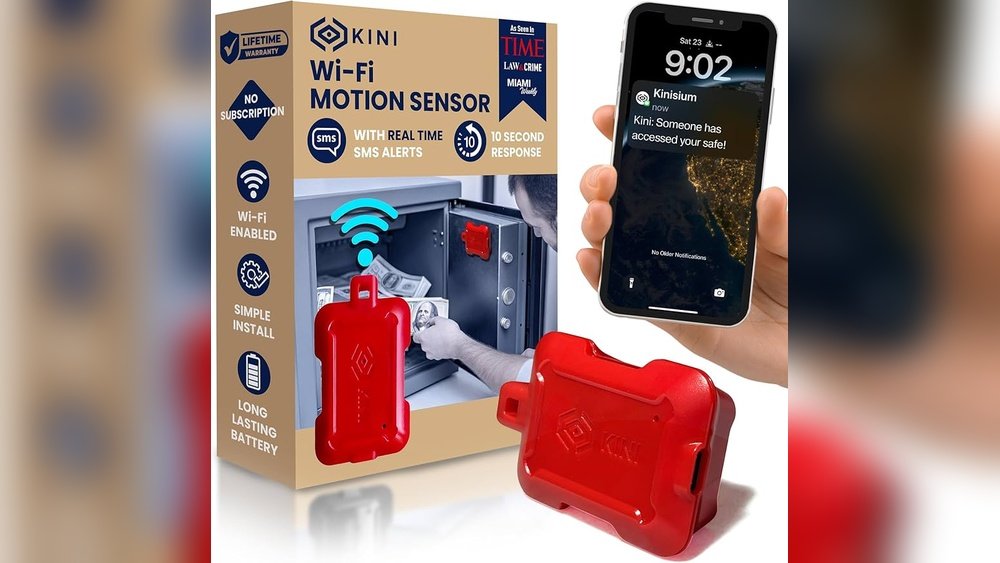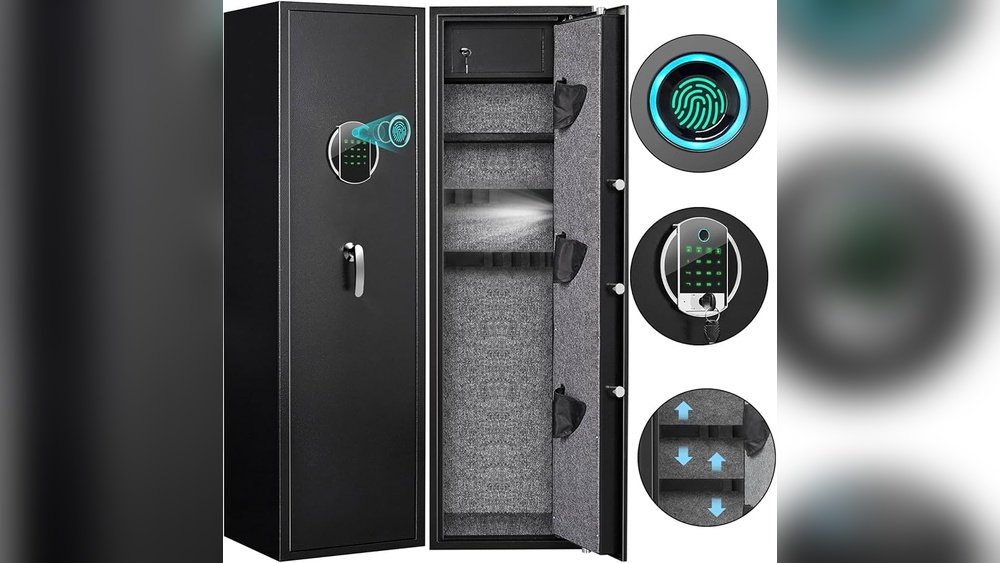
Have you ever been startled by your rifle safe’s vibration sensor going off when nothing seemed wrong? False alerts can be frustrating and make you question the reliability of your security system.
But what exactly causes these false alarms? Understanding the triggers behind these unwanted alerts can help you protect your valuables better and avoid unnecessary stress. You’ll discover the common reasons behind false alerts on rifle safe vibration sensors—and how you can fix them for good.
Keep reading to make your safe smarter and your peace of mind stronger.

Common Triggers Of False Alerts
False alerts on rifle safe vibration sensors can be frustrating. These alerts often happen due to common triggers in the environment. Knowing these triggers helps reduce unnecessary alarms and keeps your safe secure.
Environmental Vibrations
Vibration sensors detect movement, but they cannot always tell the source. Strong winds or nearby construction can cause vibrations that trigger false alerts. Even heavy footsteps or slamming doors can shake the safe enough to set off the sensor.
Nearby Machinery And Traffic
Machines like lawnmowers, air conditioners, or generators create constant vibrations. These vibrations travel through floors and walls. Traffic, especially trucks or buses passing nearby, can also cause shaking. These outside forces often confuse vibration sensors.
Pet And Human Movement
Pets jumping or running near the safe can trigger alerts. People walking, tapping, or leaning on the safe may also cause vibrations. Small movements can sometimes be enough to activate sensitive vibration sensors.
Sensor Sensitivity Settings
Sensor sensitivity settings control how a rifle safe vibration sensor detects movement. These settings decide the strength of vibration needed to trigger an alert. Proper sensitivity helps avoid false alarms. Incorrect settings cause the sensor to react to harmless vibrations.
High Sensitivity Issues
High sensitivity makes the sensor very reactive. It can detect even small vibrations like a passing truck or footsteps. This often causes false alerts. The sensor may beep for no real threat. High sensitivity drains battery faster too. It can frustrate users by sending many false warnings.
Adjusting For Accuracy
Lowering sensitivity reduces false alerts. Set it just right to catch real threats only. Test different levels to find the best setting. Check the sensor after adjustment to confirm accuracy. A balanced sensitivity keeps your safe secure and quiet. Adjustments improve trust in your vibration sensor system.
Installation Challenges
Installing vibration sensors on a rifle safe can be tricky. Small errors during setup often cause false alerts. Understanding common installation challenges helps reduce these issues. Proper placement and surface choice are key factors.
Improper Mounting
Mounting the sensor incorrectly can trigger false alarms. Sensors must sit firmly against the safe’s surface. Loose or tilted sensors detect vibrations that are not real threats. Use the right screws or adhesive for a stable fit. Check the sensor position after installation to avoid movement.
Surface Compatibility
Not all surfaces work well with vibration sensors. Rough or uneven surfaces create extra vibrations. These vibrations confuse the sensor and cause false alerts. Smooth, flat metal surfaces are ideal for mounting. Clean the surface before attaching the sensor to improve contact and reduce errors.

Electrical Interference
Electrical interference often causes false alerts on rifle safe vibration sensors. These sensors detect movement through vibrations. Electrical signals from other devices can confuse the sensor. This confusion leads to false alarms. Understanding how electrical interference affects these sensors helps reduce unwanted alerts.
Nearby Electronics Impact
Electronics close to the safe can cause interference. Devices like routers, cordless phones, and microwaves emit signals. These signals may disrupt the sensor’s vibration detection. Even small electronic devices can create enough noise to trigger alerts. Keeping electronics away from the safe lowers the chance of false alarms.
Battery And Power Supply Issues
Weak or failing batteries cause electrical problems. Low power makes sensors more sensitive to interference. Fluctuations in the power supply affect sensor accuracy. Unstable power can create false vibration signals. Regular battery checks and using quality power sources help maintain sensor reliability.
Sensor Quality And Design
Sensor quality and design play a big role in causing false alerts on rifle safe vibration sensors. Sensors detect movement or vibrations and trigger alarms. Poor quality or bad design can make sensors too sensitive or not sensitive enough. This leads to false alarms that annoy users and reduce trust in the system.
Low-quality Sensors
Low-quality sensors use cheap materials and parts. They may not filter out normal vibrations well. This causes the sensor to react to small, harmless movements. Examples include vibrations from nearby footsteps or doors closing. Low-quality sensors also wear out faster. Over time, they may become more prone to false alerts.
Design Flaws
Design flaws in sensors affect their accuracy. Some sensors lack proper calibration for different environments. This means they cannot tell the difference between normal and suspicious vibrations. Poor placement of sensors inside the safe can also cause problems. If a sensor touches a moving part, it may trigger false alarms. Good design ensures the sensor only responds to real threats.
Maintenance And Wear
Maintenance and wear play a key role in how well rifle safe vibration sensors work. Over time, parts can collect dirt or break down. These issues cause false alerts. Knowing common problems helps keep your safe reliable.
Dust And Dirt Accumulation
Dust and dirt build up on sensor parts easily. This buildup blocks sensor signals or triggers false alarms. Small particles can stick to vibration sensors and stop them from working right. Cleaning the sensor often keeps it clear and prevents wrong alerts.
Component Degradation
Sensor parts wear out after long use. Worn components lose sensitivity and give false signals. Springs, wires, and circuits may break or weaken. Replacing old parts on time ensures the sensor stays accurate and reliable.
Frequently Asked Questions
What Causes False Alerts On Rifle Safe Vibration Sensors?
False alerts often result from excessive vibrations, nearby heavy machinery, or accidental bumps. Environmental factors like loud noises or sensitive sensor settings also trigger false alarms. Proper sensor calibration and location choice reduce these unwanted alerts significantly.
How Can I Reduce False Vibration Sensor Alarms?
To minimize false alarms, adjust sensor sensitivity to appropriate levels. Position the safe away from high-traffic areas and heavy equipment. Regular maintenance and checking sensor alignment also help maintain accuracy and prevent false alerts.
Why Does Temperature Affect Rifle Safe Vibration Sensors?
Extreme temperatures can alter sensor performance, causing false alerts. Cold or heat may affect sensor electronics or battery life. Ensuring stable room temperature and using temperature-resistant sensors improve reliability and reduce incorrect triggers.
Can Nearby Construction Cause Rifle Safe Sensor False Alerts?
Yes, construction vibrations and heavy machinery can trigger false sensor alarms. These external vibrations mimic tampering, causing unnecessary alerts. Installing the safe in a vibration-isolated area reduces sensitivity to external disturbances.
Conclusion
False alerts on rifle safe vibration sensors often come from nearby movements or strong vibrations. Pets, heavy footsteps, or even loud music can trigger these sensors. Poor sensor placement and environmental factors also play a role. Understanding these causes helps you reduce unnecessary alarms.
Regular checks and proper setup keep your safe secure and alerts accurate. Stay aware of your sensor’s limits to avoid false alarms. Simple steps make a big difference in keeping your rifle safe.