Storing your ammo safely and correctly is crucial for both security and longevity. If you have a home vault, you already know how important it is to protect your valuables—but ammo needs special care too.
Are you sure your current storage method keeps your ammunition in the best condition? This article will give you simple, effective tips to make sure your ammo stays safe, dry, and ready when you need it. Keep reading to discover easy steps that can save you time, money, and worry.
Your peace of mind starts here.
Choosing The Right Vault
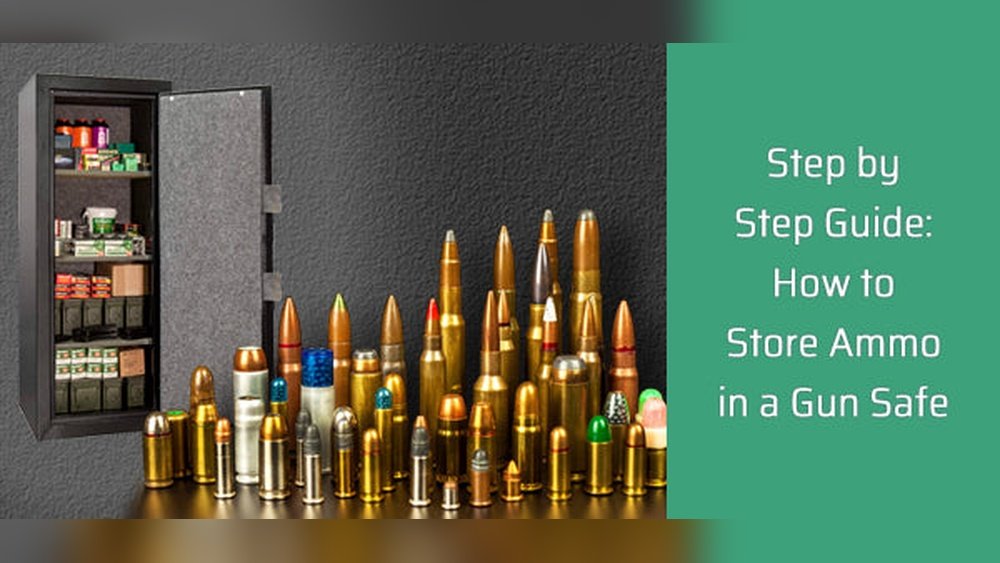
Choosing the right vault for storing ammo is very important. It keeps your ammunition safe and in good condition. A good vault protects against fire, water, and theft. It also holds the amount of ammo you have. This section helps you pick the best vault for your needs.
Size And Capacity Considerations
Think about how much ammo you want to store. Choose a vault that fits your current supply. Leave space for more ammo in the future. A vault too small will cause clutter and damage. A vault too big can waste space and money.
Fireproof And Waterproof Features
Ammo can be damaged by fire or water. Pick a vault with fireproof ratings. It should resist heat for at least 30 minutes. Waterproof seals keep moisture out. Moisture can cause rust and weaken ammo. A vault with these features protects your ammo well.
Locking Mechanisms And Security
Security matters to keep ammo away from thieves and children. Use a vault with strong locks. Digital locks or combination locks work well. Avoid simple key locks that can be picked. A heavy, solid vault adds extra protection. Secure your ammo with reliable locking systems.
Proper Ammo Packaging
Proper ammo packaging is key to keeping your ammunition safe and ready to use. It protects ammo from damage, dirt, and moisture. Good packaging helps your ammo last longer and work better when needed. Organizing ammo with the right materials makes storage simple and effective.
Using Airtight Containers
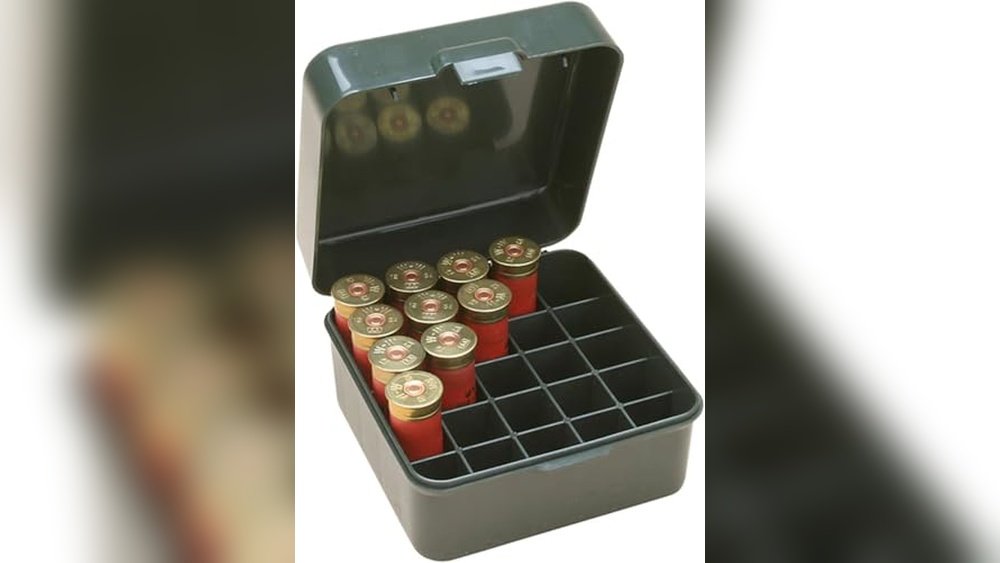
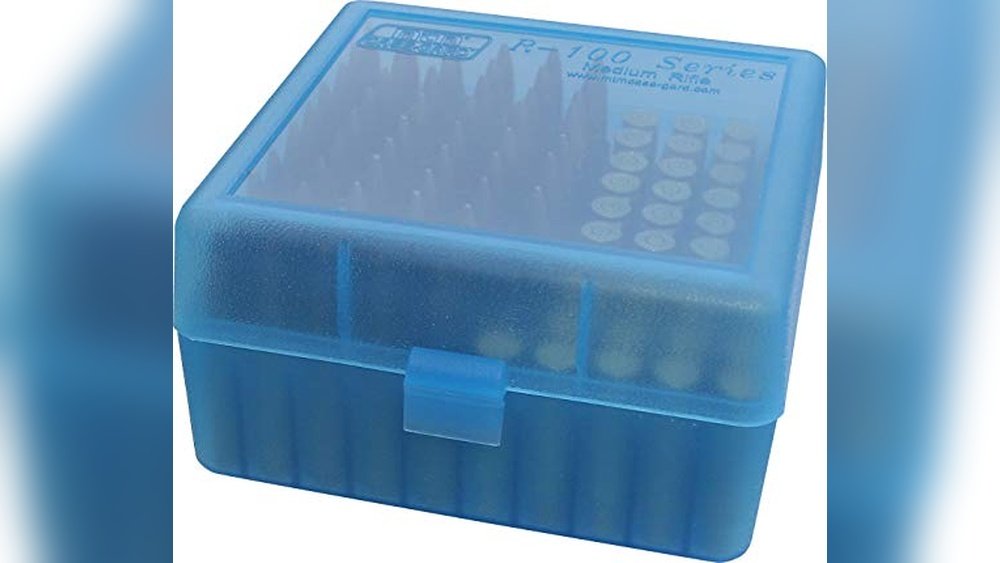
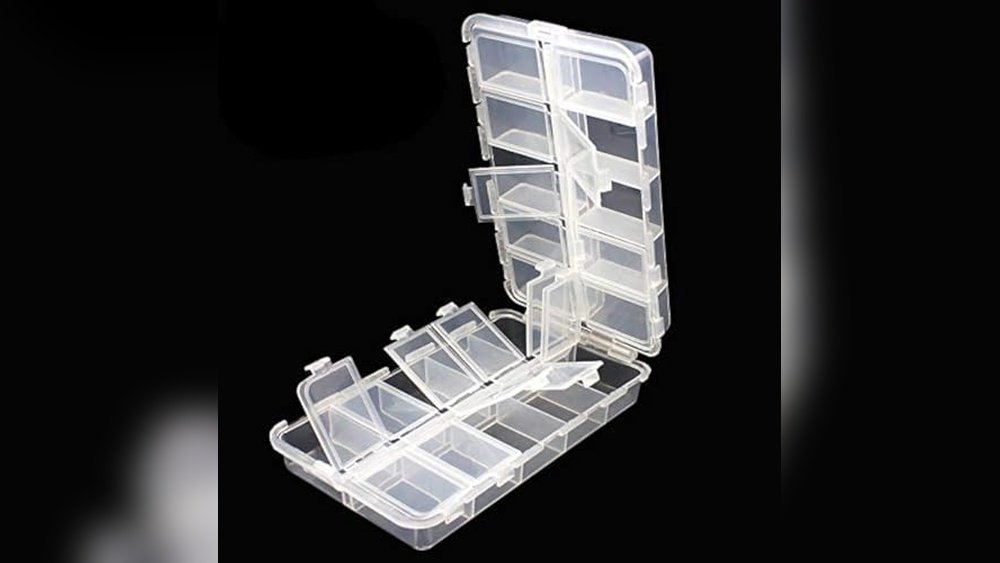
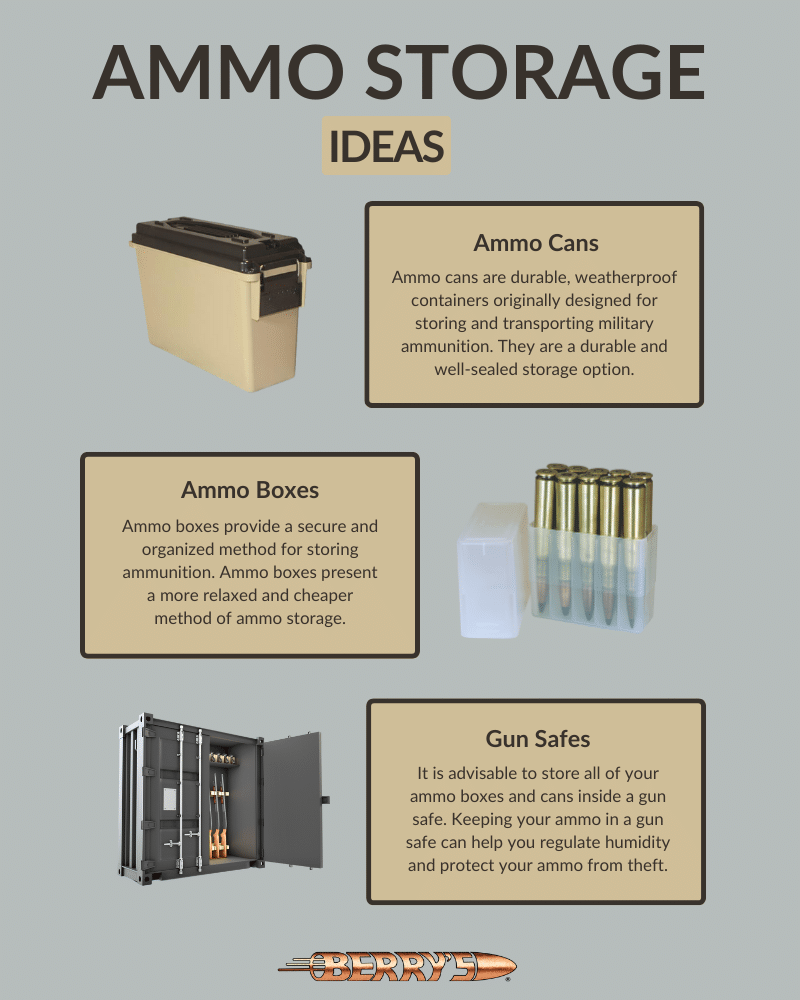
Airtight containers stop air and moisture from reaching the ammo. Plastic or metal containers with tight seals work best. These containers keep ammo dry and clean. Using airtight containers reduces the risk of corrosion and rust. Choose containers designed for ammo or small, sealable boxes.
Labeling And Organizing
Label each container clearly with the ammo type and date. This helps you find what you need quickly. Organize ammo by size and caliber to avoid confusion. Good labels prevent mistakes and keep your collection neat. Use waterproof labels or permanent markers for durability.
Avoiding Moisture And Corrosion
Moisture causes corrosion, which damages ammo and reduces performance. Store ammo in a cool, dry place inside the vault. Add silica gel packs to containers to absorb moisture. Check containers regularly for signs of rust or dampness. Proper packaging and storage prevent costly damage.
Optimal Storage Conditions
Storing ammo correctly protects it from damage and keeps it safe. Optimal storage conditions help maintain ammo quality for years. Control of temperature, humidity, and ventilation is key to proper storage in a home vault.
Temperature Control
Keep ammo in a cool place. High temperatures can cause powder to break down. Avoid storing ammo near heaters or direct sunlight. Ideal temperature stays between 55°F and 70°F. Stable temperatures stop corrosion and preserve ammo life.
Humidity Management
Humidity causes rust and corrosion on ammo. Use a dehumidifier or moisture absorbers inside the vault. Keep humidity below 50%. Silica gel packs are small and effective moisture controllers. Regularly check for dampness and replace moisture absorbers as needed.
Ventilation Tips
Good airflow reduces moisture buildup inside the vault. Install vents or small fans to keep air moving. Avoid sealed containers that trap humidity. Air circulation helps prevent mold and rust. Make sure vents have screens to keep pests out.

Safety Precautions
Storing ammunition safely in a home vault is crucial. It helps prevent accidents and keeps your ammo in good condition. Follow these safety precautions to protect your family and your investment. Proper storage reduces risks and ensures peace of mind.
Safe Handling Practices
Always handle ammo with care. Keep your hands clean and dry to avoid corrosion. Never drop or strike ammunition. Store it away from heat or open flames. Use gloves if needed to prevent oils from damaging the rounds. Treat every piece as if it could fire.
Separating Ammo From Firearms
Keep ammunition and guns in separate storage spaces. This reduces the chance of accidental use. Use different locked containers or compartments inside the vault. Label each clearly to avoid confusion. Separation enhances safety and control over your gear.
Childproofing The Vault
Children must never access ammunition. Use strong locks on your vault. Consider adding alarms or electronic access controls. Store ammo out of reach and sight. Teach children about the dangers of firearms and ammo. Childproofing prevents accidents and keeps your home safer.
Maintenance And Inspection
Proper maintenance and inspection are key for safe ammo storage in a home vault. Regular checks keep ammo reliable and safe to use. They help spot problems early and prevent damage or accidents. A clean vault supports the longevity of your ammo and storage system. Replace any worn or damaged parts to keep the vault secure and functional.
Regular Ammo Checks
Check your ammo often for signs of rust or corrosion. Look for dents, cracks, or loose primers. Remove any damaged rounds immediately. Store ammo in original packaging if possible. Keep track of manufacturing dates and use older ammo first. Regular checks reduce the risk of malfunction during use.
Vault Cleaning Tips
Clean your vault every few months to prevent dust and moisture buildup. Use a soft cloth to wipe down surfaces. Avoid harsh chemicals that can damage metal or paint. Place moisture absorbers inside the vault to control humidity. Proper cleaning keeps your ammo dry and the vault rust-free.
Replacing Damaged Components
Inspect door seals, hinges, and locks for wear or damage. Replace faulty seals to maintain a tight, moisture-proof closure. Fix loose hinges or broken locks to keep the vault secure. Using quality replacement parts extends the life of your vault. Always ensure the vault operates smoothly and safely.
Emergency Preparedness
Emergency preparedness is vital for anyone storing ammo at home. A well-planned strategy keeps your ammunition safe and ready. It helps you react fast in urgent moments. Your home vault must support quick, secure access. It must withstand fire and floods. Backup power ensures the vault’s systems work without interruption.
Quick Access Strategies
Keep your ammo within easy reach inside the vault. Organize ammo by type and use frequency. Use clear labels for fast identification. Consider a vault with a quick-open lock. Practice opening the vault regularly. Avoid clutter around the vault to prevent delays.
Backup Power For Vault Systems
Vaults with electronic locks need reliable power. Install a battery backup or a small generator. Test backup systems often to ensure they work. Keep spare batteries on hand. A power outage should not block your vault access.
Fire And Flood Response Plans
Choose a vault rated for fire and water resistance. Store ammo in sealed containers inside the vault. Keep a fire extinguisher nearby. Have a flood plan that includes moving ammo to higher ground if possible. Know how to safely access your ammo during emergencies.
Frequently Asked Questions
How To Keep Ammo Dry In A Home Vault?
Use silica gel packs or dehumidifiers to control moisture. Store ammo in airtight containers to prevent rust and corrosion. Regularly check humidity levels and replace moisture absorbers as needed for optimal preservation.
What Is The Best Temperature For Ammo Storage?
Maintain a stable temperature between 55°F and 75°F. Avoid extreme heat or cold, which can degrade powder and primers. Consistent temperature helps preserve ammo reliability and safety over time.
How To Organize Ammo Safely In A Home Vault?
Use labeled, stackable containers or ammo boxes for easy access. Separate calibers and types clearly to avoid mix-ups. Keep heavier boxes at the bottom to prevent damage and ensure vault stability.
Can I Store Ammo Near Firearms In A Vault?
Yes, but store ammo separately from firearms for safety. Use separate compartments or locked boxes within the vault. This reduces accidental discharge risk and simplifies inventory management.
Conclusion
Storing ammo safely protects both your supplies and your home. Keep your vault dry and cool to prevent damage. Use proper containers to avoid moisture and rust. Regularly check your ammo for signs of wear or corrosion. Organize your rounds by type and date for easy access.
Always follow safety rules to avoid accidents. A well-kept ammo vault gives peace of mind and readiness. Simple steps make a big difference in storage quality. Stay safe, stay prepared.