Are you wondering if using a dehumidifier together with your air purifier is a smart move? You want your home to feel fresh and healthy, but it’s easy to get confused about which devices you really need.
Combining these two machines might seem like overkill—or maybe the perfect duo. You’ll discover how these devices work, why pairing them could improve your air quality, and when it might be better to stick with just one. Keep reading to find the answer that fits your home and your health best.

Benefits Of Using A Dehumidifier
Using a dehumidifier brings many benefits to your home environment. It helps keep indoor air fresh and clean. It also supports the function of your air purifier. Understanding these benefits shows why a dehumidifier can be a smart choice.
Controlling Indoor Humidity
A dehumidifier reduces excess moisture in the air. High humidity can make rooms feel damp and uncomfortable. It also causes condensation on windows and walls. Controlling humidity keeps your home dry and pleasant. It helps maintain a balanced air quality level.
Preventing Mold And Mildew
Moist environments encourage mold and mildew growth. These fungi can damage your home and belongings. A dehumidifier lowers moisture, stopping mold spores from spreading. This prevention protects your walls, furniture, and fabrics. It also reduces allergy risks caused by mold.
Improving Comfort And Health
Lower humidity levels improve overall comfort indoors. You feel cooler and less sticky during warm months. Dry air reduces dust mites and allergens. Breathing easier lowers the chance of respiratory problems. A dehumidifier supports a healthier living space for everyone.
Benefits Of Using An Air Purifier
Using an air purifier brings many benefits to your home. It helps clean the air you breathe every day. This can make your space healthier and more comfortable. The air purifier works to remove harmful particles and improve the quality of indoor air. These benefits support better health for you and your family.
Removing Airborne Pollutants
An air purifier traps dust, smoke, and other tiny particles. These pollutants often float in the air without being seen. Breathing them in can cause health problems over time. The purifier pulls these particles out of the air. This makes the air safer and cleaner to breathe.
Reducing Allergens And Asthma Triggers
Many people suffer from allergies and asthma. Air purifiers help by removing common triggers like pollen, pet dander, and mold spores. Cleaning the air lowers the chance of allergic reactions and asthma attacks. This creates a more comfortable living space for sensitive individuals.
Enhancing Air Quality
Air purifiers improve air quality by filtering out bad odors and harmful gases. This leads to fresher, cleaner air in your home. Better air quality supports overall wellness and can improve sleep and focus. Using an air purifier creates a healthier environment every day.
How Dehumidifiers And Air Purifiers Work Together
Understanding how dehumidifiers and air purifiers work together helps improve your home’s air quality. Both devices target different air issues but complement each other well. Using them together creates a cleaner, healthier indoor space.
Complementary Functions
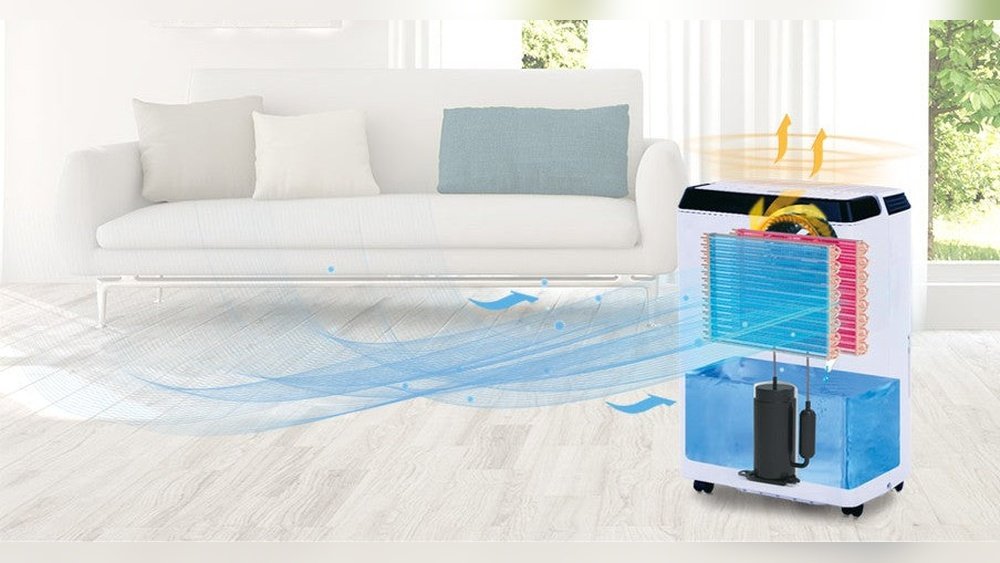
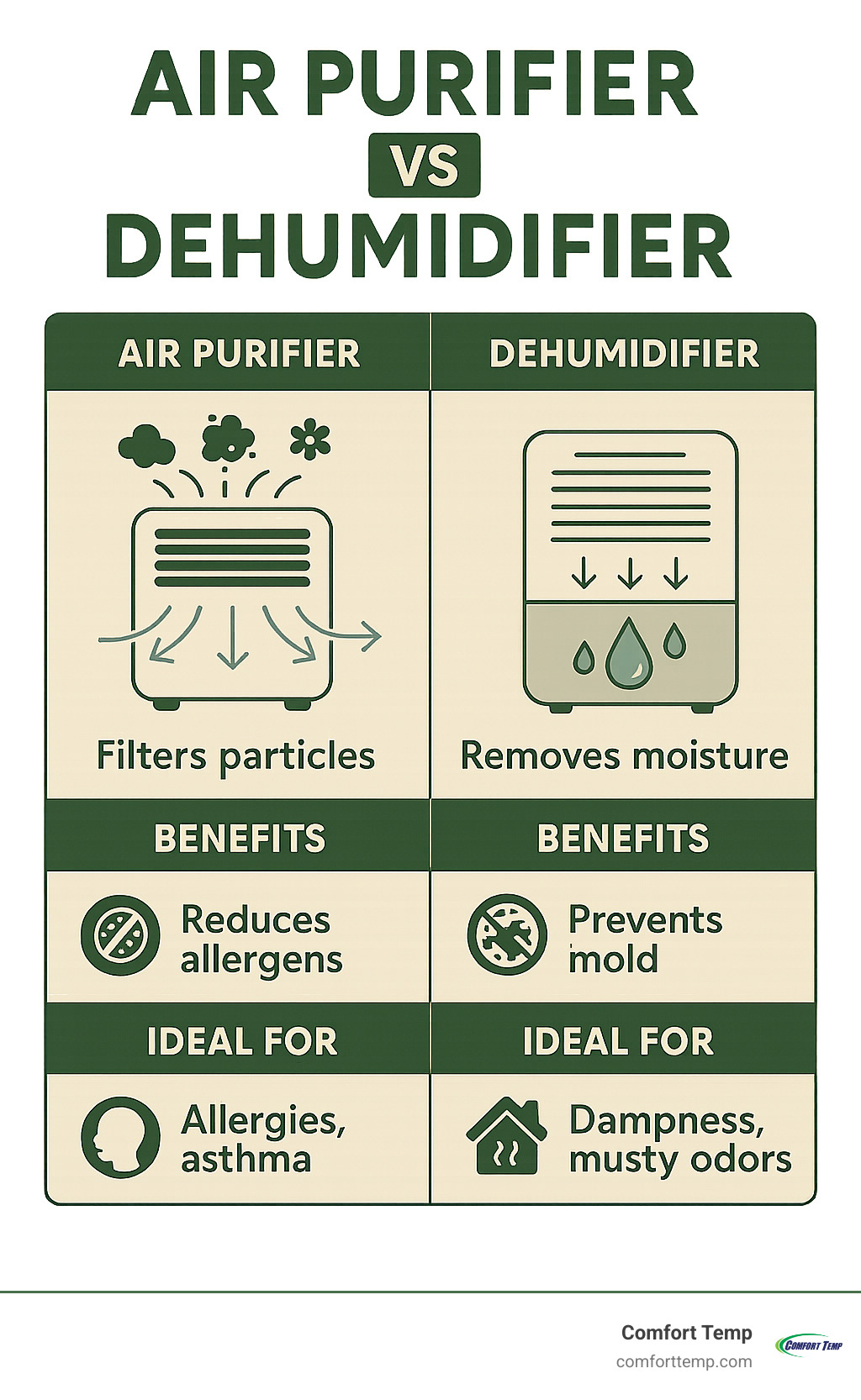
Dehumidifiers reduce moisture in the air. They stop mold and mildew growth. Air purifiers remove dust, pollen, and smoke particles. Together, they handle both moisture and airborne pollutants. This dual action makes your home more comfortable and safer.
Impact On Indoor Air Quality
Lower humidity levels help air purifiers work better. Dry air allows filters to capture particles more easily. Reducing moisture also cuts down on allergens like dust mites. This combination leads to fresher and cleaner air inside your home.
Energy Efficiency Considerations
Running both devices can use more electricity. Choose energy-efficient models to save power. Use each device only when necessary. Setting timers or smart controls helps lower energy costs. This keeps your home healthy without wasting energy.
When To Use Both Devices
Using a dehumidifier and an air purifier together can improve indoor air quality. Each device has a unique role. The dehumidifier removes moisture from the air. The air purifier cleans dust, pollen, and other particles. Knowing when to use both helps create a healthier home environment. Below are key situations where using both devices makes sense.
High Humidity And Pollution Areas
Homes in humid climates often face mold and mildew problems. These conditions harm health and damage property. A dehumidifier reduces moisture, preventing mold growth. Pollution adds dust, smoke, and allergens to the air. An air purifier filters out these particles. Using both devices improves comfort and safety in such areas.
Seasonal Factors
Humidity and air quality change with seasons. Summer brings high humidity, increasing moisture indoors. Winter often causes dry air but can trap indoor pollutants. A dehumidifier controls summer moisture. An air purifier helps remove indoor allergens year-round. Using both keeps air fresh and balanced through all seasons.
Specific Health Conditions
People with asthma or allergies need clean air and low humidity. Moist air can worsen symptoms by promoting dust mites and mold. Air purifiers remove allergens and pollutants. Dehumidifiers reduce moisture that triggers health problems. Using both devices supports better breathing and overall well-being.
Choosing The Right Devices
Choosing the right devices for your home is important for clean and comfortable air. Both dehumidifiers and air purifiers have different roles. Picking the right size, features, and budget helps you get the best results. This guide will help you decide on the perfect devices for your needs.
Size And Capacity
Choose a device that fits the room size. A small unit in a large room won’t work well. Check the square footage the device can cover. Dehumidifiers have a capacity measured in pints per day. Air purifiers show coverage in square feet. Match these to your room size for better performance.
Features To Look For
Look for easy controls and clear displays. Automatic sensors help devices adjust to air quality or humidity. Some models have timers or sleep modes for quiet operation. Filters should be easy to replace. Consider energy-saving features to keep costs low.
Budget And Maintenance
Set a budget before shopping. Good devices come in many price ranges. Don’t forget maintenance costs like filter or water tank cleaning. Regular upkeep keeps devices working well. Choose devices with simple maintenance to save time and money.
Placement Tips For Optimal Performance
Proper placement of a dehumidifier and air purifier enhances their performance. Each device works best in specific areas of your home. Placing them correctly helps maintain clean, dry air efficiently. Careful setup avoids common problems and boosts their effectiveness.
Ideal Locations In Your Home
Place the dehumidifier in damp areas like basements or bathrooms. These spots usually have high humidity. The air purifier fits well in living rooms and bedrooms. These rooms need fresh, clean air the most. Keep both devices away from walls and furniture. This allows free airflow and better operation.
Avoiding Common Mistakes
Do not block the air intake or outlet of either device. Avoid placing them near windows or doors where outside air enters. Do not put the devices too close to each other. This can reduce their efficiency. Make sure the power cords are safe and not stretched.
Maximizing Efficiency
Run the dehumidifier and air purifier continuously for best results. Clean their filters regularly to maintain airflow. Use devices with the right capacity for room size. Close doors and windows to keep air conditions stable. Proper placement helps both devices work together well.
Potential Drawbacks To Consider
Using a dehumidifier with an air purifier can improve indoor air quality and comfort. Still, some drawbacks need attention before buying both devices. Understanding these issues helps you make a better choice for your home.
Energy Consumption
Both devices use electricity to work. Running them together can increase your energy bill. Dehumidifiers often consume more power than air purifiers. This may lead to higher monthly costs. Consider your budget and energy use before combining these units.
Noise Levels
Dehumidifiers and air purifiers produce noise during operation. Some models are louder than others. Using both may create a noisy environment. This can disturb sleep or concentration. Check noise ratings and choose quieter options if needed.
Maintenance Requirements
Each device needs regular care to work well. Dehumidifiers require emptying water tanks or draining. Air purifiers need filter changes and cleaning. Maintaining both increases your workload. Forgetting maintenance can reduce their effectiveness.
Frequently Asked Questions
Can I Use A Dehumidifier And Air Purifier Together?
Yes, using both together improves indoor air quality. The dehumidifier reduces moisture, while the purifier removes airborne particles. This combination prevents mold growth and allergens effectively.
Does A Dehumidifier Enhance An Air Purifier’s Performance?
A dehumidifier lowers humidity, which helps air purifiers work better. Dry air allows filters to capture pollutants more efficiently, improving overall air cleanliness.
When Should I Choose A Dehumidifier Over An Air Purifier?
Choose a dehumidifier if your main issue is excess moisture or mold. Opt for an air purifier if allergens, dust, or smoke are your primary concerns.
Will Using Both Devices Increase Electricity Bills Significantly?
Running both devices increases energy use but not drastically. Modern units are energy-efficient, so costs remain reasonable with proper usage and maintenance.
Conclusion
Using a dehumidifier with an air purifier can improve your home’s air quality. Both devices work well together to reduce dust, mold, and allergens. A dehumidifier controls moisture, while an air purifier cleans the air you breathe. This combo helps create a healthier and more comfortable space.
Choose the right models for your needs and room size. Regular maintenance keeps both devices working at their best. Small steps like these can make a big difference in your indoor environment. Consider using both for cleaner, fresher air every day.