If you own a rifle chambered for .223, you’ve probably come across steel-cased ammo and wondered, “Is this safe to use in my gun?” It’s a question that matters because your safety and your rifle’s performance depend on it. Using the wrong ammo can cause damage or even accidents.
You’ll discover the truth about steel-cased. 223 ammo—when it’s safe, when it’s not, and what you need to know before loading your next round. Keep reading to protect your gear and shoot with confidence.
Steel-cased Ammo Basics
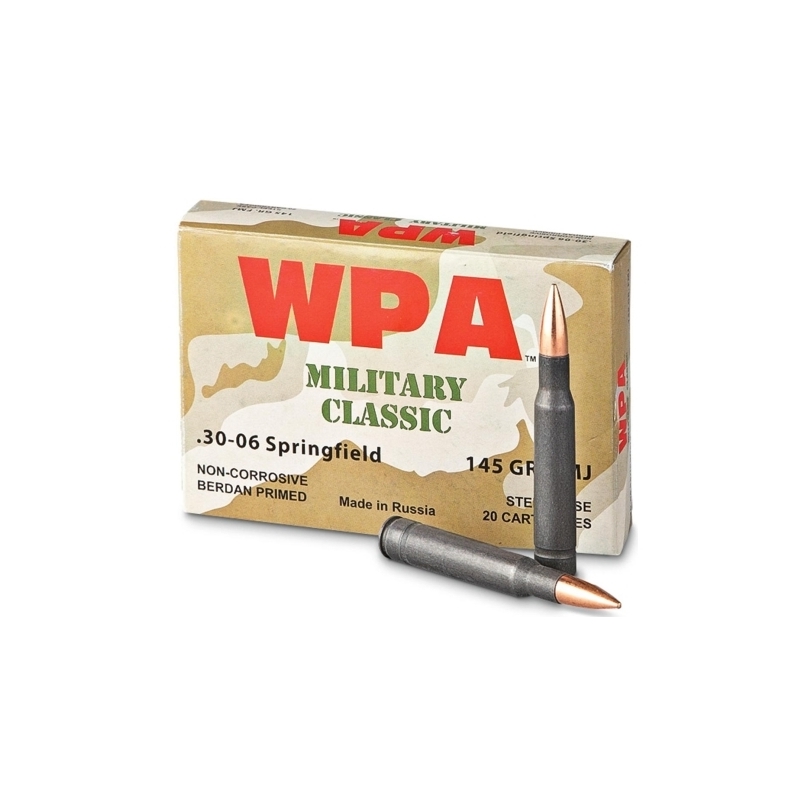
Steel-cased ammo is a popular choice for many shooters. It offers an affordable option for target practice and training. Understanding the basics helps you decide if it fits your rifle and shooting needs.
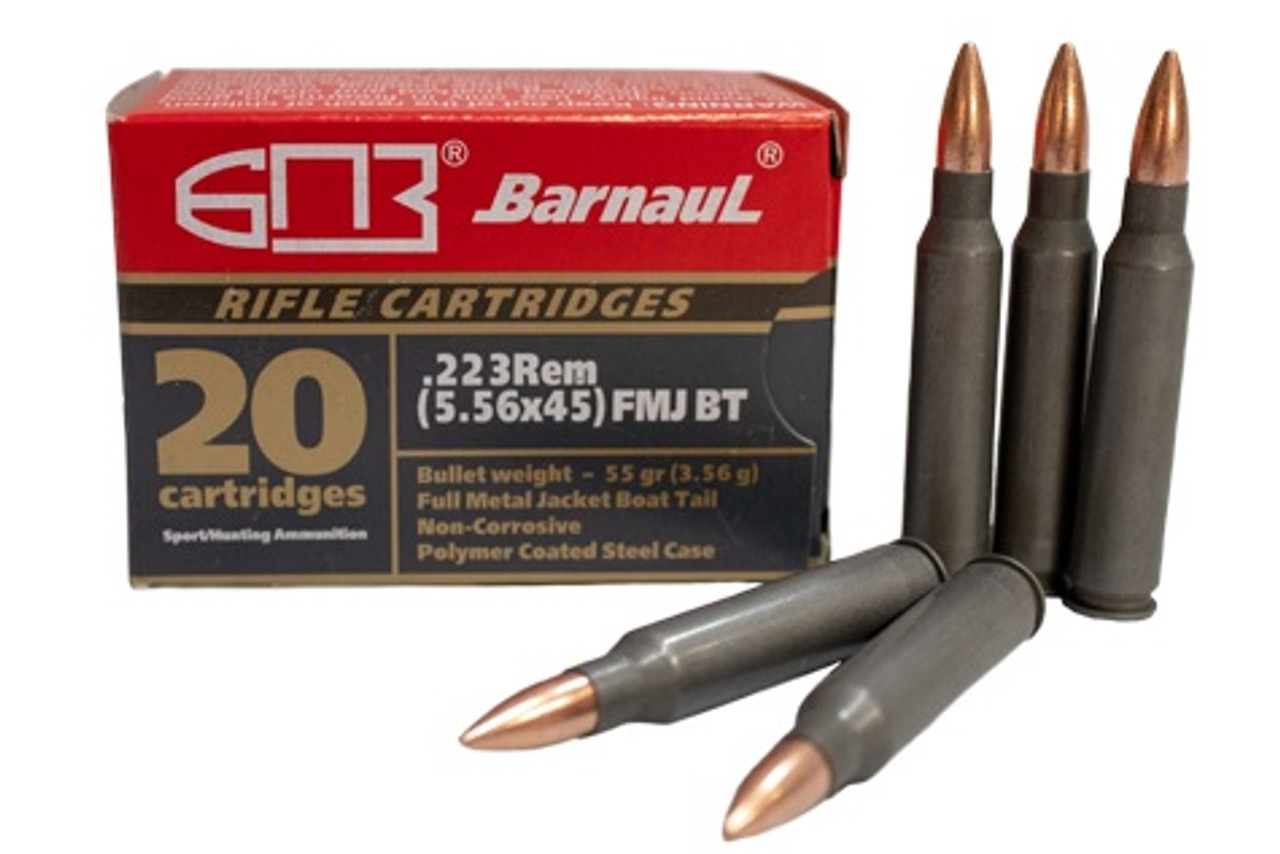
This type of ammo uses steel instead of brass for the cartridge case. The difference in material affects how it performs and how safe it is for your rifle.
Material Differences
Steel cases are made from harder metal than brass. Steel is less expensive but not as flexible as brass. It can cause more wear on the rifle’s chamber and extractor. Steel cases are often coated to prevent rust and improve feeding. Brass cases are softer and expand better to seal the chamber.
Manufacturing Process
Steel-cased ammo is made by stamping and forming steel sheets. This process is faster and cheaper than making brass cases. The steel is usually coated with lacquer or polymer to reduce friction. The coating helps prevent corrosion and makes the ammo feed smoother. Brass cases are made by deep-drawing and annealing, which makes them more durable but costlier.
Compatibility With Rifle Types
Steel-cased .223 ammo works differently in various rifles. The type of rifle affects how well the ammo functions. Some rifles handle steel cases better than others. Knowing compatibility helps avoid jams and damage. Understanding this keeps your shooting safe and smooth.
Bolt-action Rifles
Bolt-action rifles often handle steel-cased .223 ammo well. These rifles use manual cycling, reducing feeding issues. Steel cases can be harder on the extractor but usually work fine. Regular cleaning helps prevent wear from steel cases. Many shooters trust steel ammo in bolt-action rifles for practice.
Semi-automatic Rifles
Semi-automatic rifles may have mixed results with steel-cased ammo. Their feeding systems rely on smooth cartridge cases. Steel cases are less lubricated and can cause jams or failures. Some semi-autos need extra care or tuning to run steel ammo. Testing your rifle with steel ammo is best before regular use.
Ar-15 Platforms
AR-15 rifles often face challenges with steel-cased .223 ammo. The gas system and extractor wear more with steel cases. Many AR-15s require modifications to cycle steel ammo reliably. Using steel ammo in AR-15s can increase cleaning and maintenance needs. Check your AR-15’s manual and test before continuous use of steel cases.
Performance And Reliability
Performance and reliability are key factors when choosing steel-cased .223 ammo for your rifle. Not all rifles react the same to this type of ammunition. Some rifles may perform well, while others could face issues. Understanding these aspects helps ensure a safer and smoother shooting experience.
Accuracy Considerations
Steel-cased .223 ammo can have a slight impact on accuracy. The steel casing is harder and less uniform than brass. This difference can cause small variations in bullet flight. Some shooters notice less precision at longer distances. For casual shooting, the difference is often minimal. Competitive shooting or hunting may require more consistent ammo types.
Feeding And Extraction Issues
Steel cases can be tougher on your rifle’s feeding and extraction systems. The harder steel does not expand as easily as brass. This can cause extraction to be less smooth. Rifles with tight chambers may jam more often. Some gunsmiths recommend checking your rifle’s compatibility before use. Proper cleaning and maintenance reduce feeding problems. Testing a few rounds first is a smart step.
Potential Risks And Concerns
Steel-cased .223 ammo is popular for its affordability and availability. Yet, it carries some risks and concerns for rifle users. Knowing these issues helps you decide if this ammo suits your rifle. Here are the main points to consider.
Barrel Wear And Corrosion
Steel cases can cause more barrel wear than brass cases. Steel is harder and less smooth, which might wear the barrel faster. Corrosion is another issue. Steel cases often have a coating to stop rust. This coating can wear off and cause rust inside the barrel or chamber. Cleaning your rifle more often can reduce these problems.
Chamber Pressure Differences
Steel-cased ammo may create different pressure levels than brass ammo. These differences can affect rifle performance and safety. Some rifles are not made to handle the higher or uneven pressure. Using steel-cased ammo in such rifles may cause damage or reduce accuracy. Always check if your rifle supports steel-cased .223 ammo before use.
Expert Recommendations
Experts share clear advice on using steel-cased .223 ammo safely. They focus on when to choose this ammo and how to care for your rifle. Following expert tips helps avoid damage and keeps shooting smooth.
When To Use Steel-cased Ammo
Steel-cased ammo suits practice and target shooting well. It is often cheaper than brass-cased rounds. Experts suggest using it in rifles made for steel cases. Some rifles may face feeding or extraction issues. Check your rifle’s manual before using steel-cased ammo. Avoid using it in precision shooting or hunting where accuracy matters most.
Maintenance Tips For Safety
Steel cases can cause more wear inside your rifle. Clean your rifle thoroughly after each use. Remove all residue and debris from the chamber and barrel. Regular lubrication helps reduce friction and wear. Inspect your rifle parts often for any damage. Replace worn parts quickly to keep your rifle safe. Following these steps extends your rifle’s life and keeps it reliable.
Comparing Steel-cased To Brass-cased Ammo
Comparing steel-cased to brass-cased ammo reveals key differences. Each type has its strengths and weaknesses. Understanding these helps shooters choose the right ammo for their needs. Below, we explore two important factors: cost and availability, and longevity and performance.
Cost And Availability
Steel-cased ammo usually costs less than brass-cased ammo. This makes it popular for practice and target shooting. Steel cases are cheaper to make. They are often imported from other countries.
Brass-cased ammo tends to be more expensive. It is made in the USA and other local places. Brass ammo is easier to find in stores and ranges. It also comes in more varieties.
Longevity And Performance
Brass cases last longer than steel cases. Brass is softer and more flexible. It resists damage during firing and reloading. Many shooters reuse brass ammo several times.
Steel cases are harder and less flexible. They may wear out faster in some rifles. Steel ammo can cause more fouling inside the barrel. Some shooters notice less accuracy with steel cases.
Brass ammo generally performs better in all rifles. It feeds smoothly and ejects cleanly. Steel ammo works well in many guns but not all. Checking your rifle’s manual helps avoid problems.

Frequently Asked Questions
Is Steel-cased .223 Ammo Safe For All Rifles?
Steel-cased. 223 ammo is generally safe for most rifles chambered in. 223 Remington or 5. 56 NATO. However, some rifles may experience increased wear or extraction issues due to steel casing hardness. Always check your rifle manufacturer’s recommendations before use.
Can Steel-cased Ammo Cause Barrel Wear?
Yes, steel-cased ammo can cause slightly more barrel wear than brass-cased ammo. Steel is harder and less lubricative, which may increase friction. However, the difference is often minimal for casual shooters and not a major concern for most users.
Does Steel-cased .223 Ammo Affect Accuracy?
Steel-cased. 223 ammo may have slightly lower accuracy compared to brass-cased ammo. The variations in bullet quality and casing can influence precision. For high-accuracy shooting, brass-cased ammo is generally preferred.
Are There Extraction Problems With Steel-cased Ammo?
Extraction problems can occur with steel-cased ammo due to its harder casing and less malleable nature. Rifles with tight chambers or worn extractors may experience more issues. Cleaning and proper maintenance help reduce extraction failures.
Conclusion
Steel-cased. 223 ammo works well in many rifles but not all. Some guns may face wear or feeding issues with this ammo type. Always check your rifle’s manual or ask a gunsmith before use. Choosing the right ammo keeps you safe and your gun in good shape.
Testing ammo carefully helps find what suits your firearm best. Safety and proper function should guide every shooting choice. Stay informed and shoot smart.