You rely on your gun safe to protect your valuable firearms, and keeping the right humidity inside is key to preventing rust and damage. But how do you know if your gun safe hygrometer is really accurate?
If it’s off even by a little, your guns could be at risk without you realizing it. You’ll discover simple, effective ways to test your hygrometer’s accuracy. By the end, you’ll have the confidence that your gun safe is truly protecting what matters most.
Keep reading to learn the easy steps you can take today.

Choosing The Right Hygrometer
Choosing the right hygrometer is key to keeping your gun safe in good condition. It helps you track moisture levels and avoid damage. Not all hygrometers work the same. Picking the right type and features makes testing accuracy easier.
Types Of Hygrometers
There are mainly three types of hygrometers. Analog, digital, and wireless.
Analog hygrometers use a dial to show humidity. They are simple and do not need batteries. But they may not be very precise.
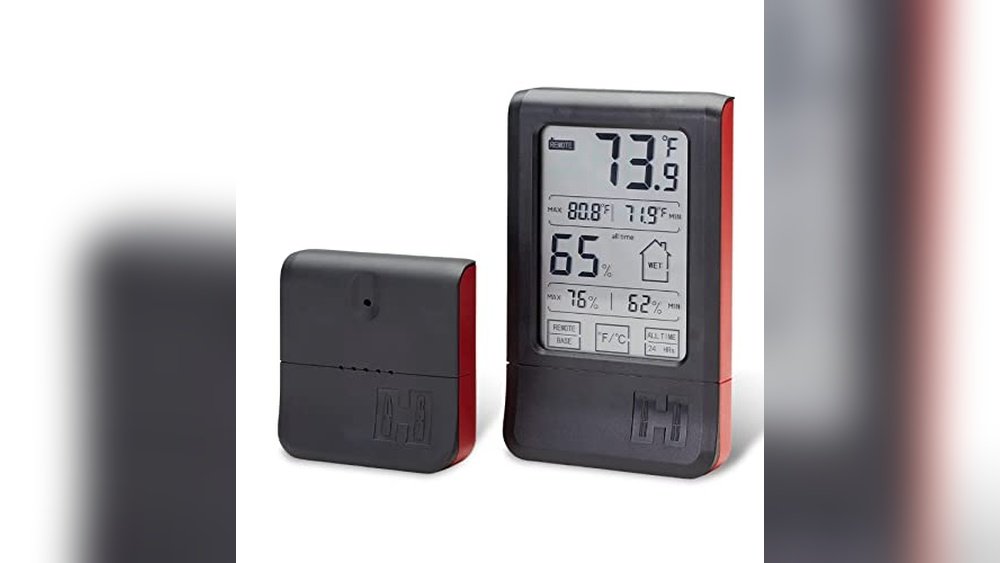
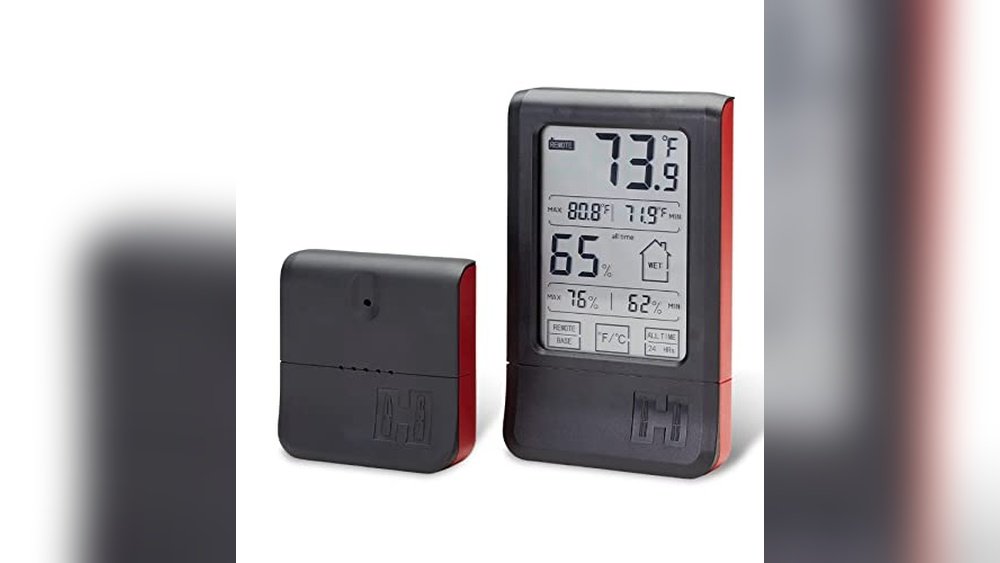
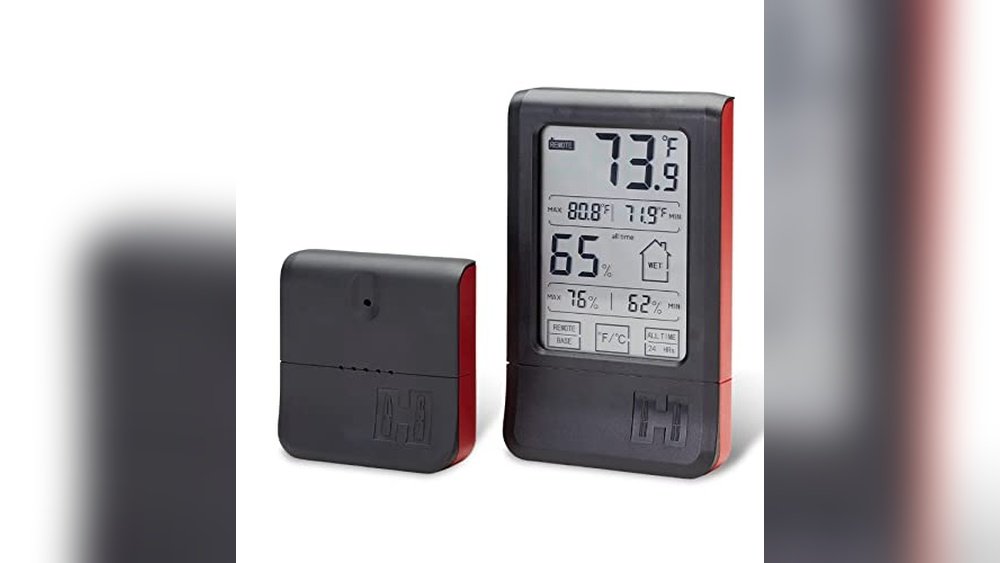
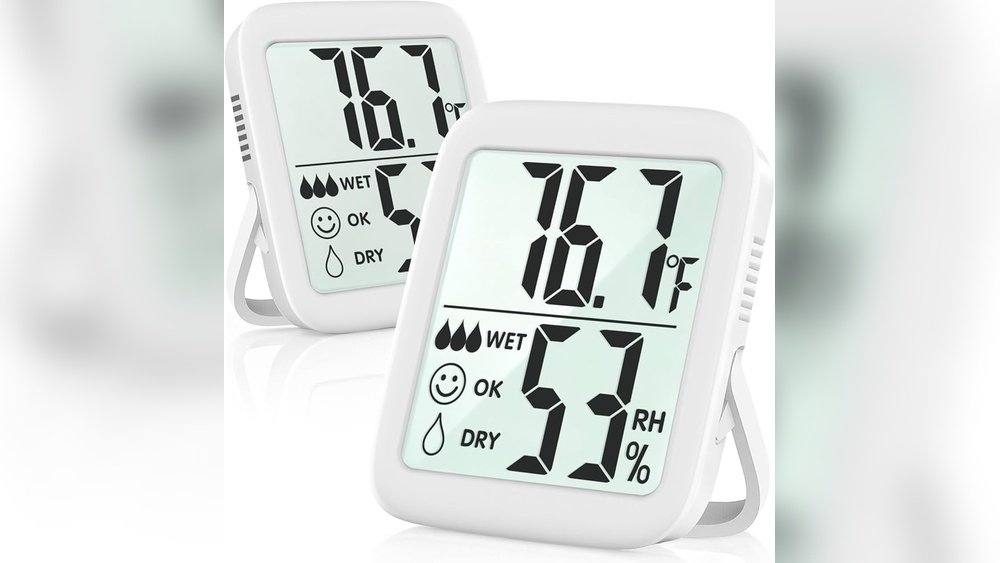
Digital hygrometers give exact numbers. They show humidity on a screen. They need batteries but are easy to read.
Wireless hygrometers connect to your phone. They send alerts if humidity changes. These are good for remote monitoring.
Features To Look For
Accuracy is the most important feature. Choose a hygrometer with less error margin.
Easy calibration helps keep readings correct. A device that adjusts fast saves time.
Look for a clear display. Large numbers and backlight improve readability.
A compact size fits well inside gun safes. It should not take much space.
Durability matters. Pick a hygrometer that lasts long in humid places.
Preparing For Accuracy Testing
Preparing for accuracy testing of your gun safe hygrometer is a key step. It helps ensure the device gives correct humidity readings. Accuracy matters to keep your firearms safe from rust and damage. This section guides you through the setup process for reliable results.
Gathering Necessary Materials
Start by collecting all needed items. You will need a reliable reference hygrometer. A small sealed container or plastic bag is helpful. Also, get some salt and water to create a test environment. Have a notebook or device ready to record readings. These materials help you compare and check the hygrometer’s accuracy.
Setting A Controlled Environment
Create a stable place to test your hygrometer. Avoid spots with direct sunlight or drafts. Room temperature should be steady, around 70°F (21°C). Place the hygrometer and reference device inside the sealed container. Add the salt and water mixture to keep humidity constant. This controlled setup allows accurate comparison of readings over time.
Simple Calibration Methods
Simple calibration methods help check if your gun safe hygrometer shows the right humidity. These methods are easy and use items you can find at home. You can test the accuracy and adjust your hygrometer without special tools. This ensures your guns stay protected from moisture damage.
Salt Test Procedure
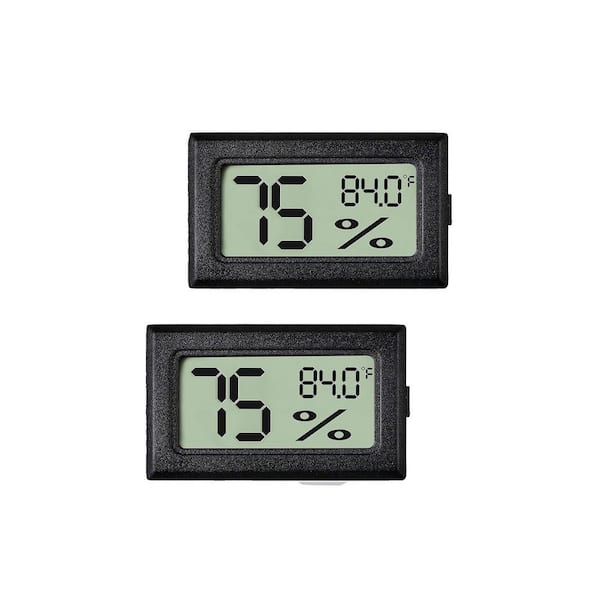
Start by placing a teaspoon of salt in a small container. Add a few drops of water to make it damp, not wet. Put the container and your hygrometer inside a sealed plastic bag or jar. Leave it for at least eight hours without opening. After that time, the humidity should read about 75%. Check your hygrometer reading. If it shows a different number, adjust it or note the difference.
Using A Damp Cloth Method
Wet a cloth with clean water and squeeze out extra moisture. Wrap the damp cloth around your hygrometer. Place the wrapped hygrometer inside a sealed plastic bag or container. Wait for about an hour to let the humidity rise. Your hygrometer should read close to 95%. If not, adjust the reading or remember the error for future checks.
Advanced Calibration Techniques
Advanced calibration techniques help ensure your gun safe hygrometer shows the right humidity. These methods go beyond basic checks and give more precise results. They are useful for people who want accurate readings to protect valuable firearms.
Using advanced methods can catch small errors. This keeps your gun safe environment stable. It also helps prevent rust and damage to your guns.
Comparing With A Digital Hygrometer
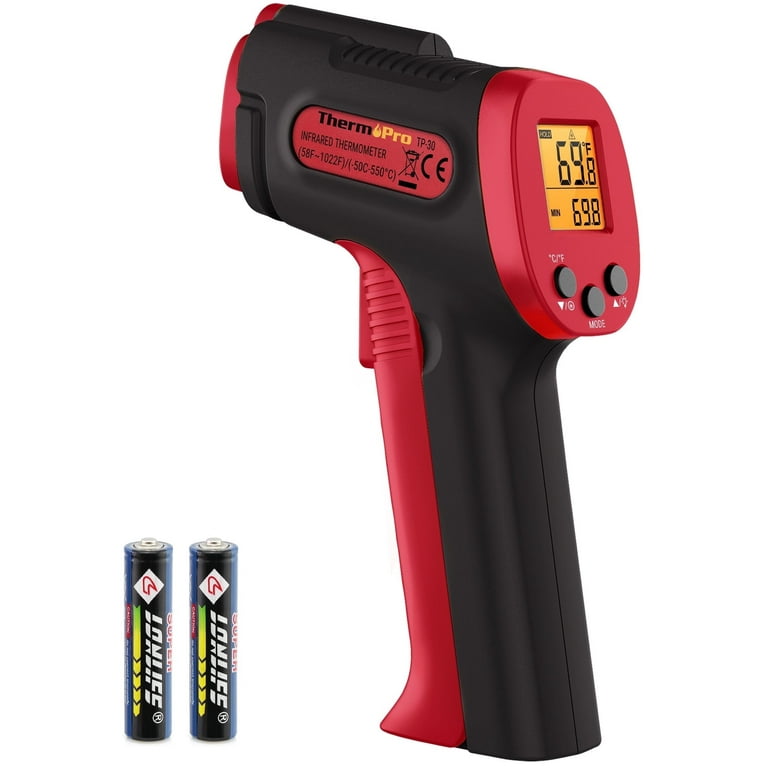
One way to test your hygrometer is by comparing it to a digital model. Digital hygrometers often provide more accurate readings. Place both hygrometers in the same spot inside your gun safe. Wait a few hours for them to adjust. Check if the numbers match or differ. Small differences are normal, but large gaps mean calibration is needed. This method is simple and reliable for quick checks.
Using A Calibration Kit
Calibration kits provide a controlled humidity environment. They usually include a sealed container and a humidity source. Place your hygrometer inside the container with the moisture pack. Leave it sealed for several hours. The pack sets a known humidity level. After the wait, check your hygrometer reading. If it differs from the kit’s humidity, adjust your device accordingly. This method gives a precise way to test and fix your hygrometer’s accuracy.
Troubleshooting Common Issues
Troubleshooting common issues with a gun safe hygrometer helps keep your safe’s environment stable. Small problems can cause wrong readings. Spotting and fixing these issues keeps your firearms safe from moisture damage.
Inconsistent Readings
Inconsistent hygrometer readings often mean it needs calibration. Check the device by comparing it to a known accurate hygrometer. Sudden changes can come from temperature shifts or moisture near the sensor. Clean the sensor gently to remove dust. Replace the hygrometer if it still gives wrong readings after cleaning.
Hygrometer Placement Tips
Place the hygrometer inside the safe away from walls. Avoid putting it near vents or the door. These spots have different air and moisture levels. Keep the hygrometer at eye level for easy checking. Proper placement helps the device read the true humidity inside the safe.
Maintaining Your Hygrometer
Maintaining your gun safe hygrometer helps keep its readings accurate. A well-maintained hygrometer protects your firearms from moisture damage. Small efforts in upkeep can save you from costly repairs or replacements. Regular care ensures consistent performance over time.
Regular Calibration Schedule
Set a routine to check your hygrometer’s accuracy. Calibrate it every few months to keep readings reliable. Use a salt test or a known humidity source for calibration. Mark the dates on a calendar or reminder app. Consistent calibration prevents errors and false alerts.
Proper Storage Practices
Store your hygrometer away from direct sunlight and heat. Extreme temperatures can damage its sensors. Keep it inside the gun safe or a cool, dry place. Avoid storing near strong magnets or electronics that may interfere. Proper storage extends the life of your device.
Frequently Asked Questions
How Often Should I Calibrate A Gun Safe Hygrometer?
Calibrate your gun safe hygrometer every 6 months to ensure accurate readings. Regular calibration prevents moisture damage to firearms. Frequent checks maintain optimal humidity control inside your safe. This habit prolongs the life of both your hygrometer and firearms.
What Is The Best Method To Test Hygrometer Accuracy?
The salt test is the best method to test hygrometer accuracy. Place the hygrometer in a sealed bag with salt and water. Wait 6 to 8 hours, then compare the reading to 75% humidity. Adjust or recalibrate if the reading differs significantly.
Can A Faulty Hygrometer Harm My Gun Safe?
Yes, a faulty hygrometer can cause improper humidity levels. Excess moisture leads to rust and damage to firearms. Low humidity may dry out wooden gun stocks. Accurate hygrometer readings protect your collection and maintain safe conditions.
How To Adjust A Gun Safe Hygrometer Reading?
Adjust your hygrometer using the calibration screw or digital settings. Use the salt test to find the correct humidity level. Turn the screw slowly until the reading matches 75% humidity. Regular adjustments ensure your gun safe stays properly humidified.
Conclusion
Testing your gun safe hygrometer ensures your firearms stay safe and dry. Regular checks help spot errors early and keep humidity in control. Use simple methods like the salt test to verify accuracy. Accurate readings prevent rust and damage to your guns.
Keep your safe’s environment stable for long gun life. Small steps make a big difference in protection. Stay consistent with your checks for best results. Protect your investment by knowing your safe’s true humidity.