If you own .223 ammo, you know how important it is to keep it safe and ready when you need it. But how do you store it without risking damage or accidents?
You want your ammo to last, stay reliable, and be easy to access, right? You’ll discover simple, effective ways to store your. 223 ammo at home. By following these tips, you’ll protect your investment and ensure your peace of mind.
Keep reading to learn the best storage methods that anyone can use.
Choosing The Right Storage Container
Choosing the right storage container for .223 ammo is very important. It helps keep your ammo safe, dry, and ready to use. The right container protects your ammo from damage and keeps it organized. You want a container that fits your needs and space. Consider durability, size, and extra features. This section covers the best options for storing your .223 ammo at home.
Ammo Cans And Boxes
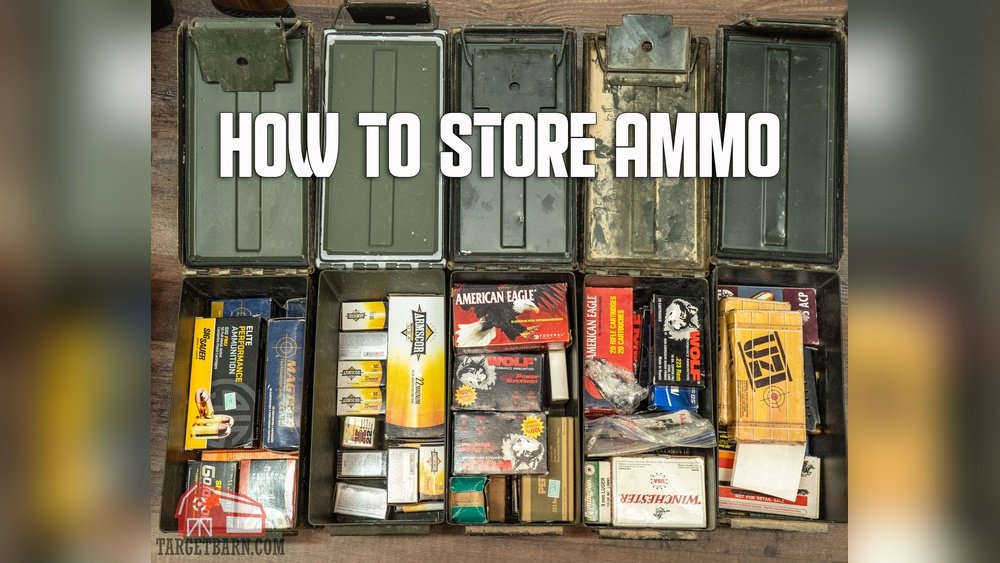
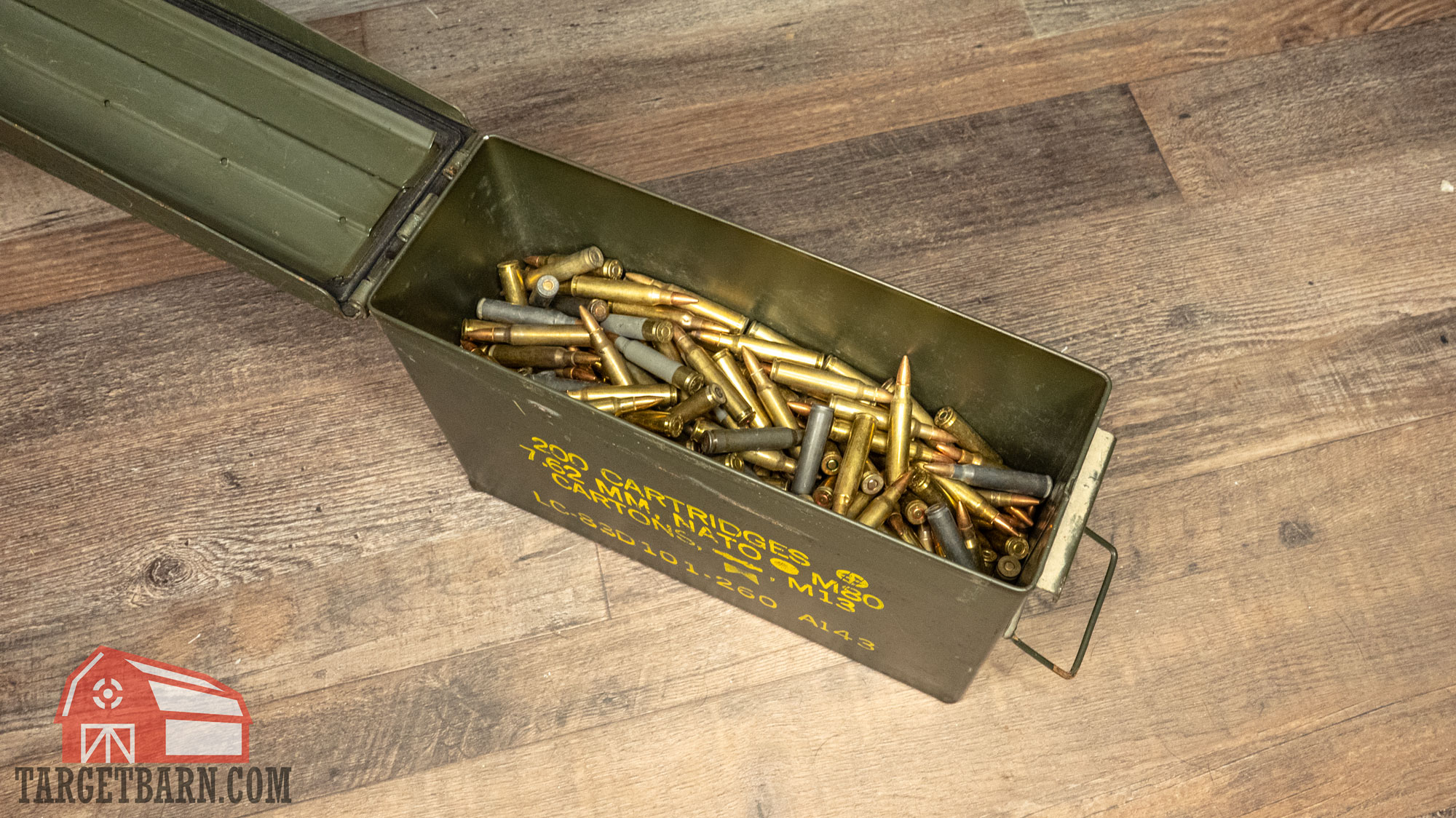
Ammo cans are popular for storing .223 rounds. They are made of metal or strong plastic. These cans keep ammo safe from dust and dirt. They also protect against impact and crushing. Ammo boxes come in many sizes to hold different amounts of ammo. Look for cans that close tightly to keep air out. Choose cans with a sturdy handle for easy carrying.
Humidity Control Options
Keeping ammo dry is key to its safety. Humidity can cause rust and damage. Use moisture-absorbing packs inside your ammo container. Silica gel packs are common and easy to find. You can also use small dehumidifiers made for ammo storage. Check and replace moisture control items regularly. A dry container means your ammo will last longer.
Seal And Lock Features
A good seal prevents moisture and air from entering the container. Rubber gaskets help create a tight seal on ammo cans. Lock features add security to your ammo storage. Some containers have built-in locks or holes for padlocks. Locks keep your ammo safe from children and unauthorized people. Choose containers with strong seals and lock options for best protection.

Ideal Storage Environment
Storing .223 ammo properly helps keep it reliable and safe. The ideal storage environment protects the ammo from damage and keeps it ready to use. Pay attention to temperature, moisture, and the storage location. These factors affect the ammo’s lifespan and performance.
Creating the right conditions reduces risks and maintains ammo quality. Follow simple steps to ensure your .223 rounds stay in top shape.
Temperature Considerations
Keep the ammo in a cool, stable place. Extreme heat can weaken the powder inside the rounds. Cold temperatures are less harmful but avoid freezing. Avoid places with big temperature changes. These changes can cause condensation and damage the ammo. Aim for a consistent temperature between 50°F and 70°F.
Avoiding Moisture And Humidity
Moisture is the biggest enemy of ammo. It can cause corrosion and rust on the casing. Use airtight containers or ammo cans with rubber seals. Add silica gel packs to absorb any moisture inside the container. Store ammo in a dry room. Avoid basements or areas prone to dampness. Keep humidity below 50% to protect your ammo.
Safe Location Selection
Choose a secure location away from children and pets. A locked cabinet or safe works best. Avoid storing ammo near firearms for safety. Keep ammo away from heat sources like heaters or direct sunlight. Select a place that is easy to access but safe from damage or theft. Label your storage clearly to avoid confusion.
Handling And Organization Tips
Proper handling and organization of .223 ammo is key to safe storage at home. It helps keep your ammo in good condition and ready to use. Careful organization also prevents accidents and loss. Below are practical tips to handle and organize your ammo effectively.
Labeling And Inventory
Label every box or container clearly. Include details like caliber, brand, and purchase date. Keep a written or digital inventory list. Update it when you add or remove ammo. This helps track what you have and avoid confusion.
Rotation And Usage
Use older ammo first to keep stock fresh. Place new ammo behind older boxes. This simple rotation prevents ammo from becoming too old. Check expiration or manufacture dates regularly. Proper rotation ensures reliability when you need it.
Avoiding Physical Damage
Store ammo in sturdy containers to prevent dents or scratches. Avoid dropping or shaking the boxes. Keep ammo away from moisture to stop corrosion. Use foam padding or separators if stacking boxes. Protecting ammo physically keeps it safe and functional.
Safety Precautions
Storing .223 ammo safely at home requires careful attention to safety precautions. Proper handling protects your family and property. Taking the right steps reduces risks of accidents and damage.
Focus on childproofing, fire safety, and following the law. Each area plays a key role in secure ammo storage. These precautions keep your home safe and legal.
Childproofing Ammo Storage
Keep ammo out of reach of children. Use locked containers or safes designed for ammo. Store ammo separately from firearms. Teach children about the dangers of ammunition. Avoid leaving ammo in open or easy-to-access places.
Fire Safety Measures
Store ammo in a cool, dry place away from heat. Avoid storing near stoves, heaters, or open flames. Use fireproof containers for extra protection. Keep a fire extinguisher nearby. Regularly check storage areas for heat or moisture buildup.
Legal Regulations To Follow
Check local laws on ammo storage. Some places require locked storage or limits on ammo amounts. Follow all legal rules to avoid fines or trouble. Keep documentation of your ammo purchase. Stay updated on changes in regulations.
Long-term Storage Strategies
Storing .223 ammo for a long time needs careful planning. Proper strategies keep your ammo safe and working well. These methods prevent damage from moisture, heat, and dirt. Use the right tools and habits to protect your ammo over months or years.
Periodic Inspection
Check your ammo every few months. Look for rust, corrosion, or damage on the cases and primers. Remove any dirty or wet ammo immediately. Regular checks help catch problems early. Replace containers if they become damaged or no longer seal well.
Using Desiccants And Protective Coatings
Desiccants absorb moisture that can harm your ammo. Place silica gel packs or other moisture absorbers inside your storage container. Use protective coatings like light oil on metal parts to stop rust. Avoid using too much oil; it can cause other issues. These steps reduce moisture and extend ammo life.
Storage Duration And Ammo Lifespan
Ammunition lasts longer in cool, dry places. Most .223 ammo can stay good for 10 years or more if stored well. Avoid places with high heat or humidity. Remember, old ammo may lose power or fail to fire. Rotate your stock by using older ammo first and replacing it with new.
Frequently Asked Questions
How Should I Store .223 Ammo At Home Safely?
Store. 223 ammo in a cool, dry place away from moisture. Use airtight containers or ammo cans with desiccants to prevent rust and corrosion. Keep ammo out of direct sunlight and away from heat sources for optimal safety.
What Container Is Best For Storing .223 Ammo?
Use metal ammo cans or heavy-duty plastic containers with tight seals. These containers protect ammo from moisture, dust, and physical damage. Adding silica gel packets inside helps absorb humidity, preserving ammo quality over time.
Can I Store .223 Ammo In Plastic Bags?
Plastic bags alone are not recommended for storing. 223 ammo long-term. They do not provide adequate protection against moisture or physical damage. Use sealed containers or ammo cans combined with desiccants for better preservation.
How Long Can .223 Ammo Be Stored Safely?
Properly stored. 223 ammo can last 10 years or more. Keep ammo in a controlled environment, away from humidity and extreme temperatures. Regularly check stored ammo for corrosion or damage to ensure safety.
Conclusion
Safe storage of. 223 ammo protects your home and family. Keep ammo dry and cool in a sturdy container. Store it away from heat and direct sunlight. Lock your ammo in a secure place out of children’s reach. Check your ammo regularly for signs of damage or rust.
Good habits reduce risks and keep your ammo ready to use. Simple steps make a big difference in safety. Remember, careful storage means peace of mind and responsibility. Stay safe and handle your ammo with care every day.