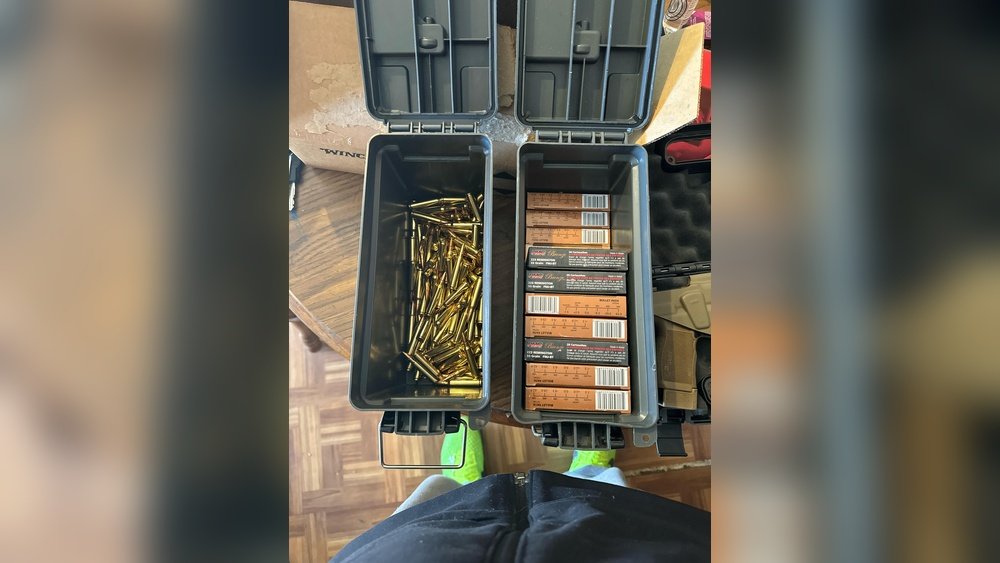
Transporting your 9mm ammo safely is crucial, whether you’re heading to the range or moving it for storage. Handling ammunition without the right precautions can lead to accidents, legal troubles, or damage to your ammo.
You might think it’s simple, but there are important steps you need to follow to keep yourself and others safe. You’ll discover clear, practical tips that make transporting your 9mm ammo worry-free. Keep reading to learn how to protect your investment and stay within the law every time you move your ammunition.
Legal Requirements
Transporting 9mm ammo requires following legal rules. Knowing these laws helps avoid fines or trouble. Different laws apply at federal, state, and local levels. You must also understand permit needs. This section explains key legal requirements for safe ammo transport.
Federal Regulations
The federal government controls ammo transport across states. The Bureau of Alcohol, Tobacco, Firearms and Explosives (ATF) sets rules. Ammo must be stored securely in a locked container. It cannot be accessible to the driver or passengers while driving. Transporting ammo by plane needs special approval. Federal law also bans ammo transport to certain places, like schools.
State And Local Laws
Each state has its own rules on carrying ammo. Some states allow open transport, others require ammo in locked boxes. Local governments may add stricter laws. Always check the state and local rules before transport. Breaking local laws can lead to fines or arrest. Be aware of any ammo quantity limits in your area.
Transport Permits
Some states require permits for carrying or transporting ammo. These permits show you follow safety and legal standards. You may need a permit for large amounts or commercial transport. Permit rules vary widely. Apply for permits well before your transport date. Keep the permit with you during transport for inspection.
Choosing The Right Container
Choosing the right container is key to safely transporting 9mm ammo. The container keeps the ammo secure and protected. It also helps prevent damage or accidents during transport.
Different containers offer different levels of protection and convenience. The right choice depends on how much ammo you carry and your transport method.
Ammo Boxes
Ammo boxes are strong and built for ammo storage. They usually have metal or hard plastic walls. These boxes protect ammo from moisture and impact.
Many ammo boxes have a tight seal to keep water out. They also stack well, making storage easier. They are a top choice for long trips or heavy loads.
Hard Cases
Hard cases are solid and often have foam inside. Foam cushions the ammo and stops it from moving. These cases offer excellent impact protection.
Hard cases are perfect for carrying ammo in cars or planes. They come with locks or latches for extra security. Hard cases are durable and can last many years.
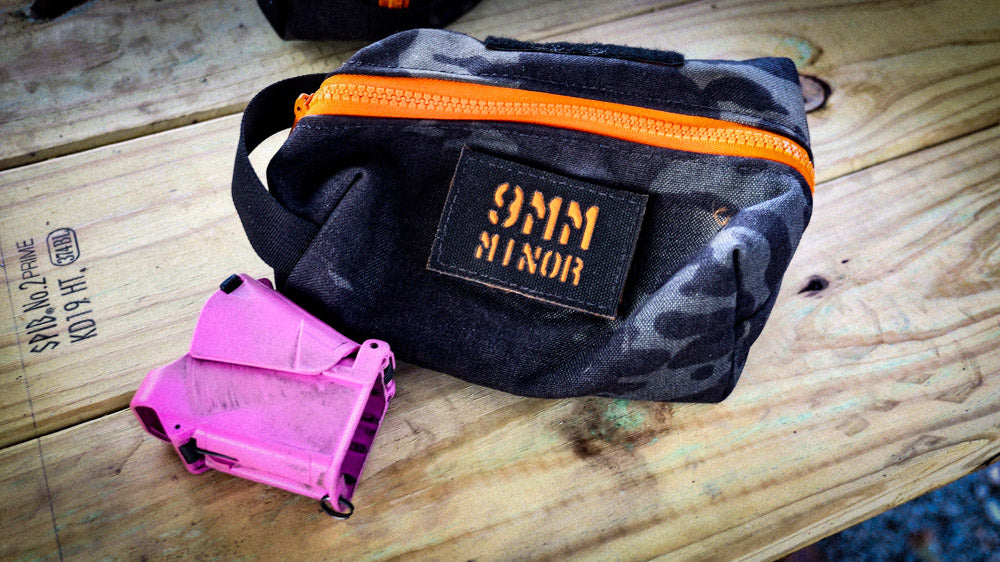
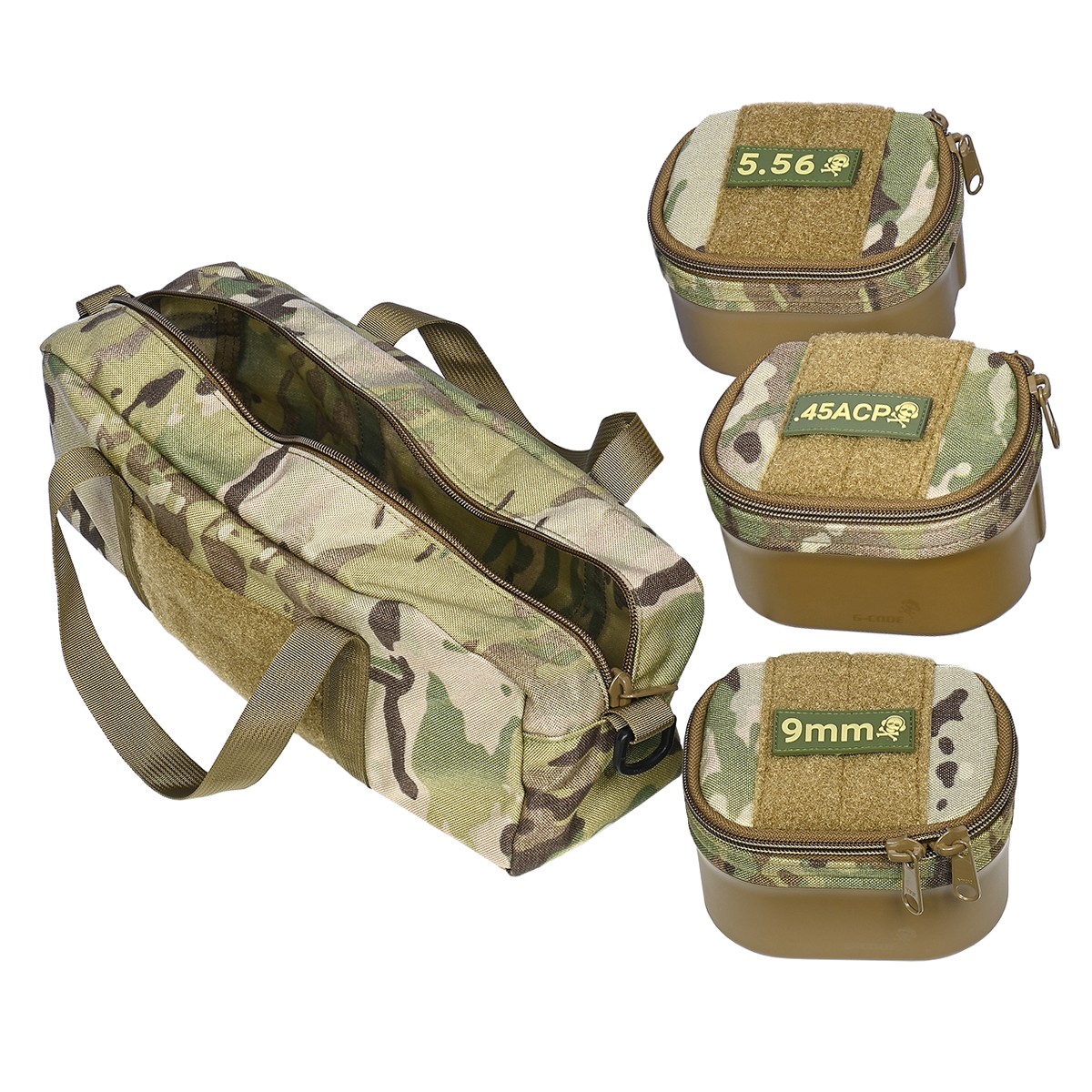
Soft Pouches
Soft pouches are lightweight and easy to carry. They usually have padded sides to protect the ammo. Soft pouches fit well in bags or backpacks.
These pouches are good for short trips or small ammo amounts. They are less protective than hard cases or ammo boxes. Still, they keep ammo organized and easy to access.
Packaging Techniques
Proper packaging is key to safely transport 9mm ammo. It protects the bullets and prevents accidents. Safe packaging keeps the ammo stable and secure during transit.
Follow clear steps to package ammunition correctly. Use materials that shield and cushion the ammo. Label containers to avoid confusion and ensure safe handling.
Sealing Ammunition
Seal the ammo tightly in plastic bags or original boxes. This keeps moisture and dirt away. Avoid loose rounds; they can move and cause damage.
Use airtight seals to prevent corrosion. Check seals before transport to confirm they are secure. Proper sealing keeps ammo fresh and safe.
Using Padding
Place padding like foam or bubble wrap around the ammo containers. This absorbs shocks and prevents damage. Avoid packing ammo directly against hard surfaces.
Padding also stops containers from sliding inside the transport case. Use enough padding to fill empty spaces. Secure padding to keep it in place.
Labeling Containers
Clearly label ammo containers with contents and warnings. Use simple, easy-to-read text. Labels help handlers know what is inside and take care.
Include important info like caliber and quantity. Mark containers as “Ammunition” to alert others. Proper labeling reduces risks during transport.
Vehicle Transport Tips
Transporting 9mm ammo in a vehicle requires care. Safety is the top priority to prevent accidents and damage. Follow these tips to keep ammo secure and stable during transit.
Safe Storage Locations
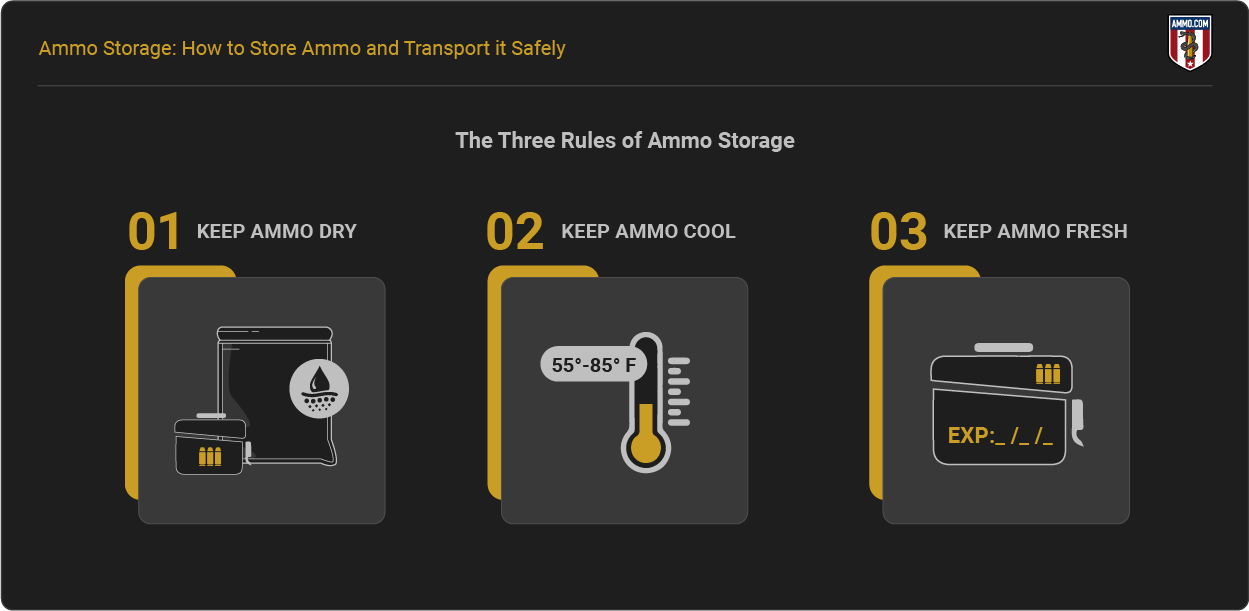
Store ammo in a cool, dry place inside the vehicle. The trunk is the safest spot to avoid distractions while driving. Avoid storing ammo inside the passenger cabin. Use hard cases or ammo boxes for extra protection. Keep ammo away from sharp objects and heavy gear.
Avoiding Heat Exposure
Ammo can be sensitive to high temperatures. Do not leave ammo in a hot car for a long time. Heat can damage the powder inside the rounds. Park in shaded areas to reduce heat exposure. Open windows slightly to improve airflow if needed.
Securing Ammo During Transit
Prevent ammo from moving or sliding during the drive. Use non-slip mats or secure containers to hold ammo in place. Avoid loose storage that can cause rattling or damage. Check ammo placement before starting the trip. Safety first—keep ammo stable and secure.
Air Travel Guidelines
Transporting 9mm ammo by air requires careful attention to rules. Airlines and airports have strict guidelines to keep everyone safe. Understanding these rules helps avoid delays or penalties. This section explains key points about air travel with 9mm ammo.
Airline Policies
Each airline has its own rules for ammo transport. Some allow only small amounts in checked baggage. Others may forbid ammo entirely. Always check your airline’s policy before booking. Following their rules prevents problems at the airport.
Packing For Checked Baggage
Ammo must be packed securely in original boxes or strong containers. Use a hard-sided case that locks well. Keep the ammo separate from firearms. Label the package clearly if required. Proper packing reduces risk during the flight.
Documentation Needed
Bring all necessary documents for your ammo. This may include purchase receipts or permits. Some airports ask for written permission from authorities. Carry these papers with your checked bag. Having documents ready speeds up security checks.
Handling And Safety Precautions
Handling and safety precautions are vital when transporting 9mm ammo. Proper care helps avoid accidents and keeps everyone safe. Safe handling means understanding how ammo reacts to different conditions. It also means using the right storage methods during transport.
Avoiding Impact And Friction
Ammo should never be dropped or hit hard. Impact can damage the bullet or casing. Friction can cause heat, which may ignite the powder inside. Always place ammo in a sturdy container to prevent movement. Use padding to reduce shocks during transport. Handle boxes gently and avoid tossing them around.
Keeping Ammo Dry
Moisture can ruin 9mm ammo quickly. Water causes corrosion on the bullet and casing. Keep ammo in a sealed, waterproof container. Avoid transporting ammo in damp places or bad weather. Use silica gel packs inside the container to absorb moisture. Check ammo regularly for signs of rust or dampness.
Childproofing Ammo Storage
Keep ammo out of reach of children at all times. Use locked boxes or containers designed to be childproof. Store ammo separately from firearms for added safety. Label containers clearly to avoid confusion. Teach family members about the dangers of ammo. Always double-check locks before traveling with ammo.
Emergency Preparedness
Emergency preparedness is key when transporting 9mm ammo. Safe handling reduces risks. Being ready for accidents keeps everyone safe. Knowing what to do helps control problems fast.
Dealing With Spills Or Damage
Spills or damage to ammo can happen. Stop and clear the area immediately. Avoid touching damaged rounds with bare hands. Use gloves to pick up any spilled ammo. Place damaged rounds in a safe container. Report serious damage to authorities or experts.
Fire Safety Measures
Ammo and fire do not mix. Keep a fire extinguisher nearby when transporting ammo. Store ammo away from open flames or heat. Avoid smoking near ammo storage or transport. Know the type of fire extinguisher to use on ammo fires. Call emergency services if a fire starts.
First Aid Tips
Accidents can cause injuries. Stop bleeding by applying pressure with a clean cloth. Keep the injured person calm and still. Seek medical help immediately for serious wounds. Avoid moving the injured person unless necessary. Have a first aid kit ready during transport.
Frequently Asked Questions
How Should I Store 9mm Ammo During Transport?
Store 9mm ammo in a sturdy, sealed container to prevent moisture and damage. Use original packaging or a dedicated ammo box with padding for safety.
Is It Legal To Transport 9mm Ammo In A Vehicle?
Laws vary by location, but generally, ammo must be stored separately from firearms. Check local regulations to ensure compliance during transport.
Can I Carry 9mm Ammo In Checked Airline Luggage?
Yes, but follow airline and TSA rules. Pack ammo in original packaging or a secure container, and declare it during check-in.
What Safety Precautions Prevent Ammo Damage In Transit?
Keep ammo dry, cool, and secure. Avoid rough handling, exposure to heat, and moisture to maintain ammo integrity and safety.
Conclusion
Transporting 9mm ammo safely protects you and others. Use sturdy containers made for ammo storage. Keep ammo away from heat and moisture. Always follow local laws and regulations carefully. Check your ammo before and after transport. Stay alert and handle ammo with care.
Safe transport means less risk and more peace. Remember, safety is the top priority every time.