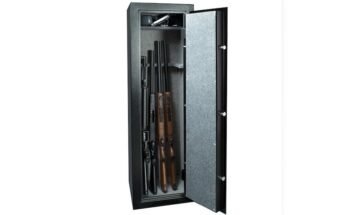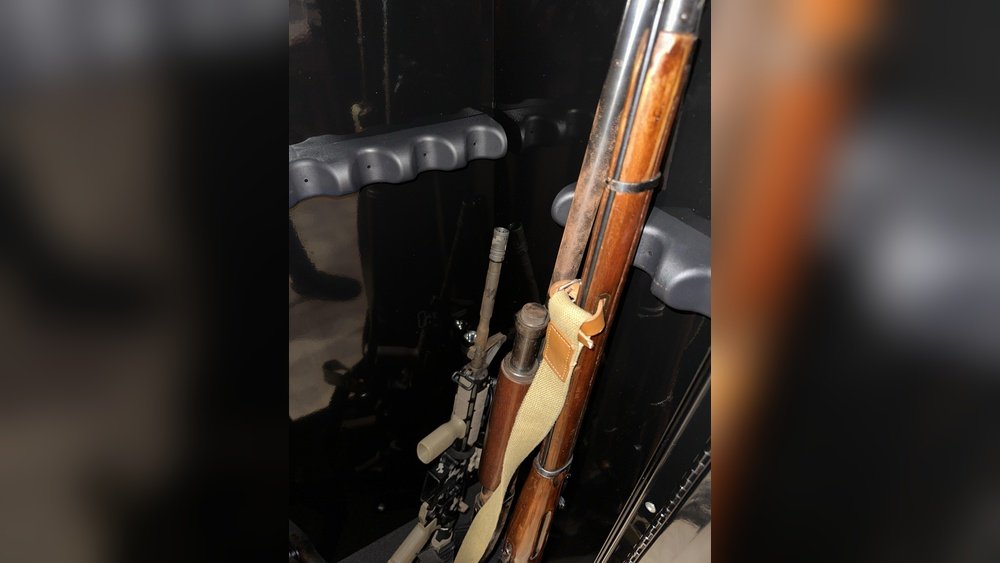
You’ve invested in a rifle safe to protect your valuable firearms. But did you know that rust can quietly damage your safe and everything inside it?
Rust not only ruins the metal but can also affect the safety and longevity of your rifles. If you want to keep your safe—and your guns—in perfect condition, you need to take simple yet effective steps to prevent rust. You’ll discover easy ways to protect your rifle safe from corrosion, so you never have to worry about costly damage again.
Keep reading to learn how to safeguard your investment and enjoy peace of mind.
Causes Of Rust On Rifle Safes
Rust on a rifle safe damages its surface and weakens the metal. Understanding causes helps stop rust before it starts. Many factors lead to rust. The main ones include moisture, temperature changes, and chemicals. Each factor affects the metal differently. Knowing these helps protect your safe better.
Humidity And Moisture Effects
Moisture is the top cause of rust. Water in the air settles on the safe’s surface. High humidity means more water vapor around. This water mixes with oxygen and causes rust. Even small drops of water can start rust. Keeping the safe dry lowers rust risk.
Temperature Fluctuations
Changing temperatures cause metal to expand and contract. This movement creates tiny cracks or weak spots. These spots let moisture get inside the safe’s surface. Cold weather followed by warmth makes more moisture. These cycles speed up rust formation.
Exposure To Chemicals And Salts
Some chemicals and salts harm metal surfaces. Salts attract moisture and speed rust. Chemicals like cleaning agents or spills can wear down paint or coatings. Once the protective layer breaks, rust forms easier. Avoid harsh chemicals near your rifle safe.
Choosing The Right Safe Material
Choosing the right material for your rifle safe plays a big role in preventing rust. The material affects the safe’s strength and its resistance to moisture. Some materials handle moisture better than others. Picking the right one helps keep your safe and rifles in good condition for a long time.
Steel Types And Coatings
Most rifle safes are made from steel. Steel is strong but can rust easily if not treated. There are different types of steel. Cold-rolled steel is smooth and strong. Hot-rolled steel is thicker but rougher. The type affects how well the safe resists rust.
Coatings on steel add extra protection. Zinc coatings prevent moisture from touching the metal. Powder coating forms a thick, hard layer that stops rust. Choose safes with these coatings for better rust protection.
Rust-resistant Finishes
Rust-resistant finishes make steel last longer. These finishes seal the metal from water and air. Some finishes use paint, enamel, or powder. Powder finishes are common because they are tough and cover the steel well.
Look for safes with a rust-resistant finish. This finish helps stop rust before it starts. It also keeps the safe looking new. A good finish is a key step in rust prevention.
Controlling Moisture Inside The Safe
Controlling moisture inside a rifle safe is key to stopping rust. Moisture causes metal parts to corrode and break down. Keeping the inside dry helps protect your guns for years. Simple steps can lower humidity and keep rust away.
Using Dehumidifiers And Desiccants
Dehumidifiers pull moisture out of the air inside the safe. They work well in humid places. Choose a model made for gun safes to fit the space and power needs.
Desiccants absorb water and are easy to use. Silica gel packs or clay-based packs fit inside the safe. Replace them regularly to keep them active. They are cheap and do not need power.
Ventilation Tips
Good airflow stops moisture buildup inside the safe. Leave a small gap when closing the door to allow air exchange. Avoid sealing the safe completely airtight.
Place the safe in a dry, cool room with some air movement. Avoid basements or damp areas. Use a small fan near the safe if needed to improve circulation.

Regular Cleaning And Maintenance
Regular cleaning and maintenance help keep a rifle safe free from rust. Dirt, moisture, and dust can cause metal parts to corrode over time. Cleaning removes these harmful elements and keeps the safe working well. Maintenance also helps spot small problems before they become big issues. This care extends the life of your rifle safe and protects your firearms inside.
Safe Interior Cleaning Methods
Start by removing all items from the safe. Use a soft cloth or microfiber towel to wipe down surfaces. Avoid harsh chemicals that can damage the metal or paint. A mild soap mixed with water works well for cleaning. Dry the interior completely to stop moisture from settling. Use a small vacuum to remove dust from corners and crevices. Place moisture absorbers inside to keep the air dry.
Inspecting For Early Signs Of Rust
Check your rifle safe often for any signs of rust. Look closely at metal edges and corners where moisture collects. Small rust spots appear as reddish-brown stains or flakes. Feel for rough or pitted areas on the metal surface. Early detection allows quick action to stop rust from spreading. Use fine sandpaper or a wire brush to gently remove rust spots. Apply a rust inhibitor or protective coating afterward.
Proper Storage Practices
Proper storage is key to stop rust from forming on your rifle safe. Rust grows fast in wet, humid spots. Storing your safe right keeps moisture away and protects your guns inside. It also keeps the safe’s metal strong and looking good.
Avoiding Damp Locations
Choose a dry place for your rifle safe. Basements and garages often hold moisture. This moisture can cause rust. Look for rooms with good airflow. A dry closet or a heated room works well. Use a dehumidifier if the air feels damp. Keep the safe off cold floors to avoid condensation.
Using Protective Covers
Covering your rifle safe adds a layer of defense. Use a breathable cover to stop dust and dirt. Avoid plastic covers that trap moisture. A cloth or canvas cover works best. Covers block water and reduce temperature changes. This helps keep rust from starting on your safe’s surface.

Rust Prevention Products
Rust prevention products help keep your rifle safe strong and clean. They create a barrier that stops moisture and air from causing rust. These products are easy to use and protect your investment.
Choosing the right rust prevention product depends on your needs and environment. Some products work better for indoor use, while others handle more moisture. Regular use of these products extends the life of your safe.
Rust Inhibitors And Protectants
Rust inhibitors slow down the rust process by blocking moisture. They often come as sprays or powders. You can apply them inside and outside of your safe. These protectants create a thin layer that keeps air away from metal surfaces.
Many rust inhibitors are safe for firearms and easy to wipe off. Use them regularly, especially in humid places. This helps avoid rust buildup and keeps your safe looking new.
Oils And Wax Coatings
Oils and wax coatings add a strong shield against rust. Oils penetrate small cracks and prevent moisture from settling. Waxes form a thicker layer that seals the metal well. Both options reduce the chance of rust forming over time.
Choose oils made for metal protection. Apply a thin, even layer with a clean cloth. Wax coatings need buffing after application for best results. These products also help keep your safe’s finish smooth and shiny.
Handling And Usage Tips
Proper handling and usage of your rifle safe helps prevent rust. Taking simple daily steps protects your firearms and the safe’s interior. Careful habits reduce moisture and dirt buildup. These tips keep your safe in good shape for years.
Keeping Firearms Clean Before Storage
Always clean your firearms before placing them in the safe. Dirt and moisture cause rust quickly. Wipe down metal parts with a dry cloth. Use gun oil to protect surfaces from corrosion. Clean barrels and chambers thoroughly. Removing residue stops rust from forming inside the safe.
Minimizing Contact With Contaminants
Avoid touching firearms with dirty or sweaty hands. Oils and salts from skin can damage metal. Use gloves or clean hands when handling guns. Keep food, drinks, and liquids far from the safe. Store the safe in a dry, clean area. These actions limit contaminants that cause rust.
Frequently Asked Questions
How Can I Keep My Rifle Safe From Rust?
Regularly clean and dry your rifle safe to remove moisture. Use dehumidifiers or silica gel packs inside to control humidity. Avoid storing firearms when wet and maintain proper ventilation to prevent rust formation.
What Is The Best Humidity Level To Prevent Rust?
Maintain indoor humidity between 30% and 50% to prevent rust. Too much moisture promotes corrosion, while too little can damage wood components. Use a hygrometer to monitor levels inside your rifle safe.
Should I Use Rust Inhibitors For My Rifle Safe?
Yes, rust inhibitors or corrosion-resistant sprays protect metal surfaces effectively. Apply them regularly, especially in humid climates, to create a protective barrier against moisture and oxidation.
How Often Should I Inspect My Rifle Safe For Rust?
Inspect your rifle safe monthly to catch early signs of rust. Prompt cleaning and treatment prevent extensive damage. Regular checks ensure your firearms stay safe and in good condition.
Conclusion
Preventing rust on a rifle safe takes regular care and simple steps. Keep the safe dry and clean to stop moisture buildup. Use rust inhibitors and check seals often. Good air circulation helps too. Small efforts today save big problems tomorrow.
Protect your investment and keep your firearms safe. Rust-free means longer life and better security. Stay consistent with these easy habits for lasting results.