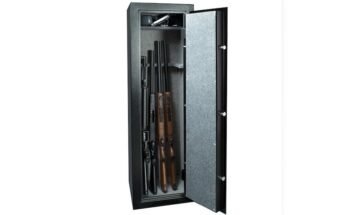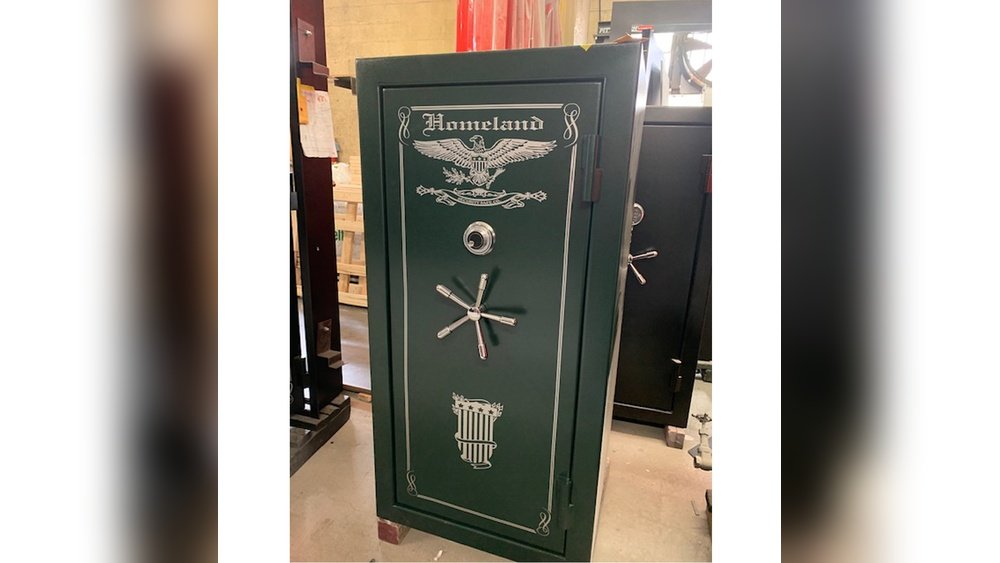
If you own a rifle safe, you know how important it is to keep it secure and stable. But have you ever noticed your safe wobbling or uneven?
Leveling your rifle safe is a simple step that can protect your valuables and make sure your safe works properly. You’ll learn exactly how to level your rifle safe quickly and easily. Keep reading to discover the easy tricks that will give your safe the perfect balance it needs.
Choosing The Right Location
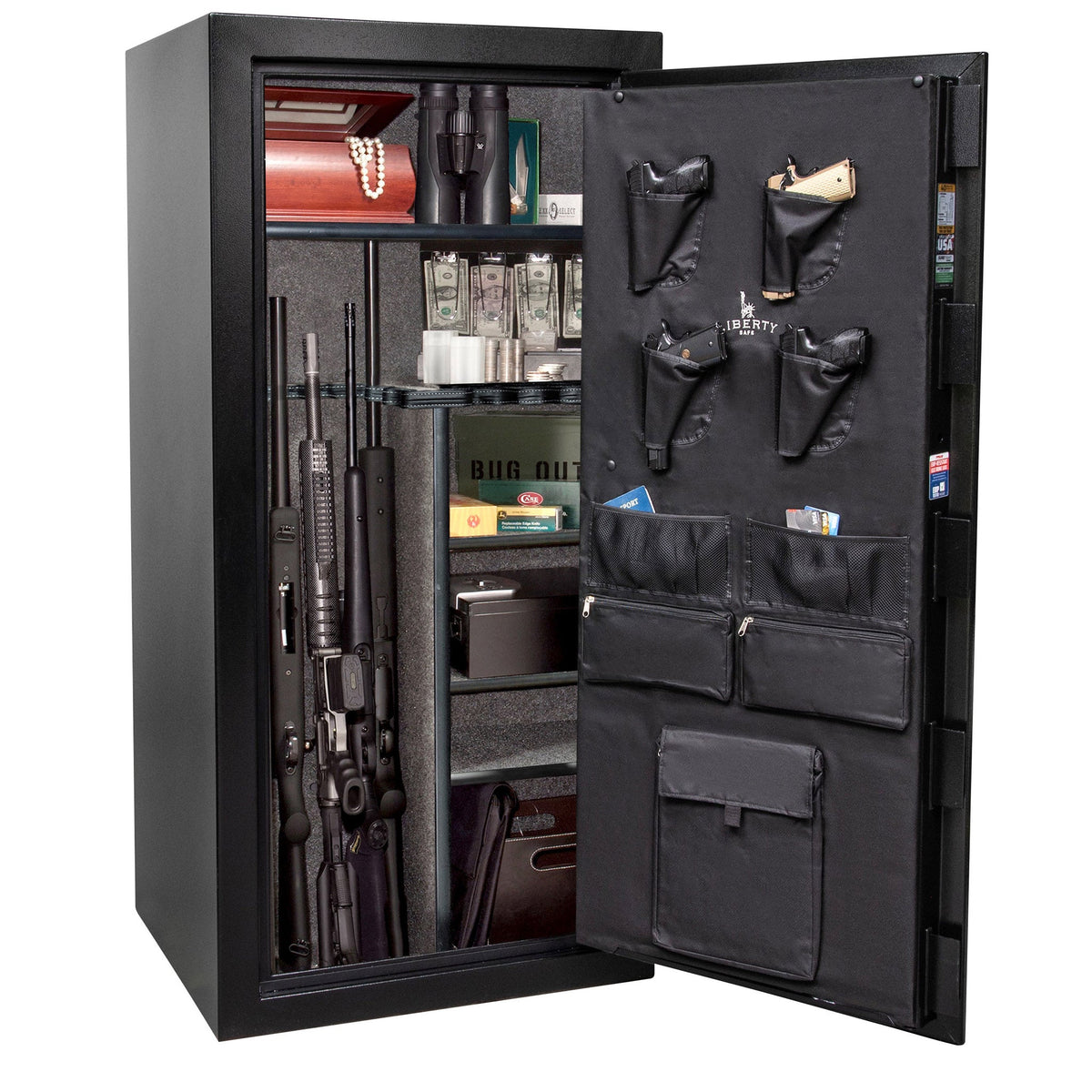
Choosing the right location for your rifle safe is very important. The spot affects the safe’s stability and security. A good place helps keep your rifles protected and easy to reach. Think about the floor, surface, and how safe the area is. These factors make sure your safe stays level and secure for a long time.
Assessing Floor Stability
Check the floor where you plan to put your safe. It must be strong enough to hold the safe’s weight. Concrete floors are the best choice. Wood floors can work but make sure they do not bend or creak. Avoid soft floors that may cause the safe to tilt. A solid floor keeps the safe steady and balanced.
Avoiding Uneven Surfaces
Uneven floors make it hard to level your safe. Look for flat surfaces without bumps or dips. Use a level tool to check the ground. If the surface is rough, fix it before placing the safe. Uneven surfaces can cause the safe to wobble or lean. A smooth, flat spot keeps the safe stable and safe.
Considering Accessibility And Security
Choose a place that is easy to reach but not obvious. The safe should be hidden from plain sight. The location must allow quick access in an emergency. Avoid places near windows or doors that are easy to break into. A good spot balances safety and convenience for your rifle safe.

Tools For Leveling
Leveling a rifle safe ensures stability and proper function. Choosing the right tools makes this task easier and more accurate. Several tools help you check and adjust the safe’s position. Understanding these tools improves your setup and safety.
Using A Bubble Level
A bubble level is a simple and popular tool for leveling. It has a liquid-filled tube with a bubble inside. Place it on top of the safe. Adjust the safe until the bubble sits between the marked lines. This shows the safe is level. Bubble levels are affordable and easy to use. They work well on flat surfaces and give quick results.
Leveraging Laser Levels
Laser levels offer more precision than bubble levels. They project a straight laser line onto the surface. Set the safe under the laser line. Adjust it until the safe aligns perfectly. Laser levels are useful for larger safes and uneven floors. They save time and reduce guesswork. Some models have self-leveling features for even better accuracy.
Additional Tools For Precision
Other tools can improve leveling accuracy. Shims help adjust small gaps under the safe’s feet. A carpenter’s square checks right angles on corners. A tape measure ensures consistent distance from walls or floor. Combining these tools gives a thorough, precise setup. Using extra tools helps avoid mistakes and keeps the safe secure.
Preparing The Safe
Preparing your rifle safe before leveling is key to a smooth process. It helps avoid damage and ensures safety. Taking time to prepare makes the job easier and faster.
Emptying The Safe
Start by removing all items from the safe. Take out rifles, ammo, and any valuables. This reduces weight and risk of damage during leveling. Keep everything in a secure spot nearby. Emptying also lets you clean the inside while the safe is open.
Cleaning The Installation Area
Clear the floor space where the safe sits. Remove dust, dirt, and debris to get a flat surface. Check for bumps or uneven spots. A clean area helps the safe sit firmly and level. Sweep or vacuum the floor for best results.
Protecting The Floor Surface
Place a protective layer under the safe to avoid scratches. Use rubber mats or thick carpet pieces. This protects both the floor and safe base. It also prevents slipping during leveling. The right protection extends your floor’s life.
Leveling Techniques
Leveling a rifle safe is key to its stability and security. Uneven floors can cause the safe to tilt, risking damage or malfunction. Different leveling methods help you achieve a firm, balanced setup. These techniques suit various floor types and safe designs. Understanding these options makes the process easier and more effective.
Adjusting Built-in Feet
Many rifle safes come with built-in adjustable feet. These feet allow small height changes to balance the safe. Turn the feet clockwise or counterclockwise to raise or lower corners. Use a level tool to check the balance as you adjust. This method is quick and needs no extra tools.
Using Shims And Spacers
Shims and spacers help fix uneven floors under the safe. Place thin, sturdy pieces under the safe’s base to fill gaps. Use plastic, wood, or metal shims for best support. Insert shims until the safe sits flat and steady. Check with a level to confirm accuracy before finalizing.
Applying Self-leveling Compounds
Self-leveling compounds work well on uneven concrete or tile floors. These compounds flow into low spots and harden flat. Clean the floor first to ensure good adhesion. Pour the compound in the problem area and let it settle. Once dry, place the safe on the now-level surface.
Securing The Safe
Securing a rifle safe is a key step after leveling it. A stable safe protects your firearms and prevents accidents. Properly securing the safe also stops thieves from moving or stealing it. Focus on strong anchoring and checking stability often.
Anchoring To The Floor
Anchor the safe to a solid floor, like concrete. Use anchor bolts designed for heavy loads. Drill holes through the safe base and into the floor. Tighten bolts to hold the safe firmly in place. Avoid anchoring on weak floors like thin wood or tile.
Bolting To Walls
Bolting the safe to a wall adds extra security. Use heavy-duty bolts and secure studs inside the wall. Find wall studs with a stud finder before drilling. Drill holes through the safe and into the studs. This stops the safe from tipping or sliding.
Ensuring Stability Over Time
Check the safe’s stability regularly to keep it secure. Tighten bolts and anchors if they become loose. Look for signs of floor or wall damage. Small shifts can weaken the safe’s hold. Regular checks keep your safe steady and secure.
Maintenance Tips
Maintaining the level of your rifle safe is crucial for its security and function. A safe that is not level can affect the locking mechanism and stability. Regular care helps keep your safe working well and protects your valuables.
Regular Level Checks
Check the level of your safe often. Use a spirit level to see if the safe sits flat. Small shifts happen over time due to floor settling or vibrations. Catching these early prevents bigger problems later.
Addressing Floor Shifts
Floors can change with time or weather. Wood floors may warp, and concrete can crack. Notice any unevenness under your safe. Use shims or pads to fill gaps and keep the safe steady. Fixing floor issues helps maintain the safe’s level.
Re-leveling Procedures
Lift the safe slightly using proper tools. Place shims or leveling feet under the base. Check the level again and adjust as needed. Tighten all bolts once the safe is stable. Repeat the process to ensure the safe stays perfectly level.

Frequently Asked Questions
How Do I Check If My Rifle Safe Is Level?
Use a carpenter’s level on the safe’s top surface. Check front-to-back and side-to-side for accurate leveling. Adjust until the bubble is centered in both directions to ensure your rifle safe is perfectly level.
Why Is It Important To Level A Rifle Safe?
Leveling prevents door misalignment and locking issues. It ensures proper safe function and security. A level safe also reduces stress on the structure, extending its lifespan and protecting your firearms effectively.
What Tools Do I Need To Level A Rifle Safe?
You need a carpenter’s level, shims, and a wrench. The level checks alignment, shims fill gaps, and the wrench adjusts bolts or feet. These tools help achieve a stable, level safe setup.
Can Uneven Floors Affect My Rifle Safe’s Stability?
Yes, uneven floors cause the safe to tilt or wobble. Leveling with shims or adjustable feet corrects this. A stable, level safe is crucial for security and proper operation.
Conclusion
Leveling a rifle safe keeps your guns secure and stable. A safe that sits evenly helps prevent damage over time. Use a level tool to check and adjust the position. Small changes make a big difference in safety. Take your time and follow the steps carefully.
A well-leveled safe adds peace of mind to your home. Keep your firearms protected the right way. Simple steps lead to better security and lasting use.