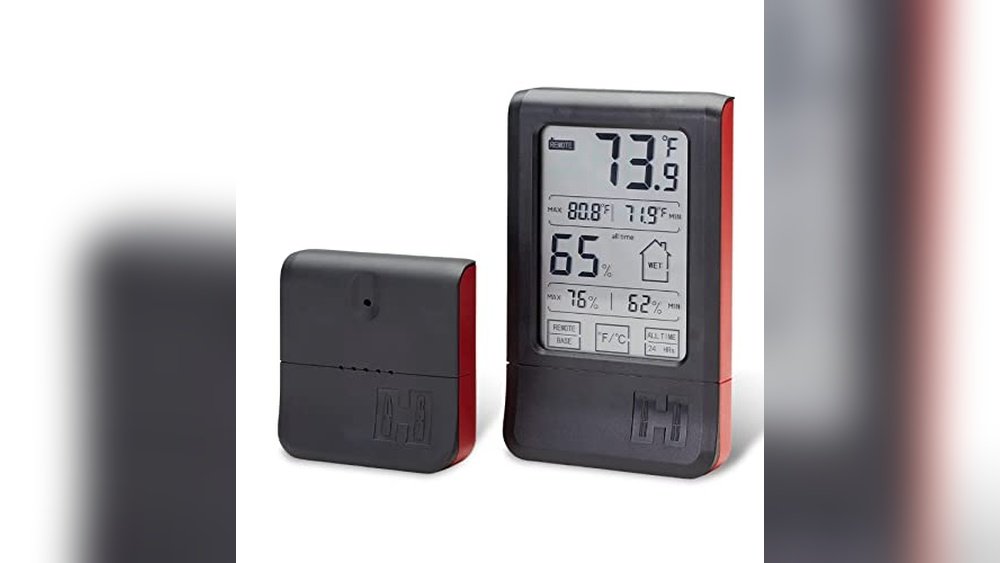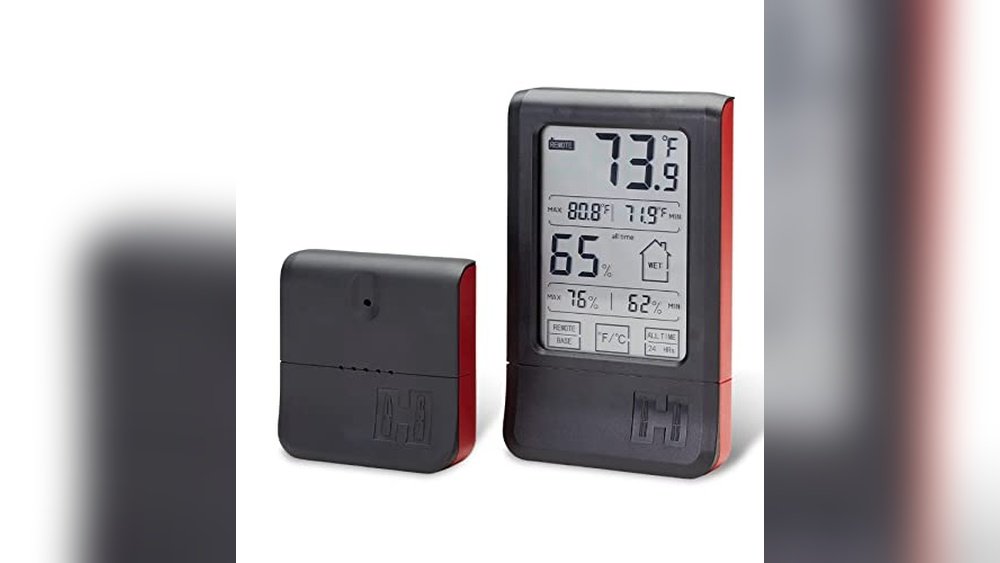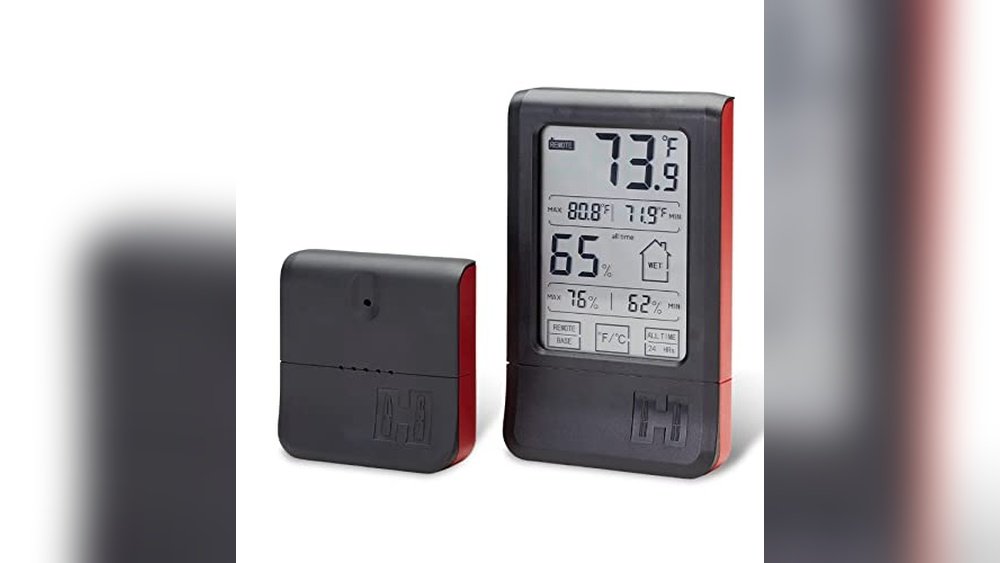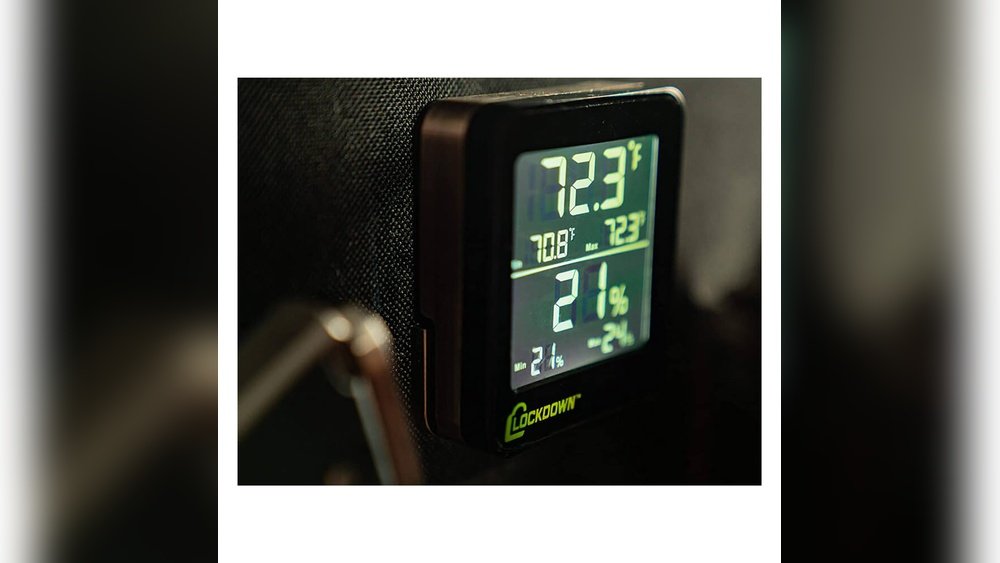
If you own a gun safe, you know how important it is to protect your firearms from moisture damage. Installing a digital hygrometer inside your safe is one of the smartest steps you can take to keep your guns in perfect condition.
But how exactly do you install it? This guide will walk you through simple, clear steps to get your digital hygrometer up and running quickly. By the end, you’ll have the tools to monitor humidity levels easily and keep your collection safe for years to come.
Keep reading—you won’t want to miss these easy tips that can save your firearms from costly damage.

Choosing The Right Hygrometer
Choosing the right digital hygrometer is key to protecting your guns. A good hygrometer keeps track of humidity inside your safe. It helps stop rust and damage. Picking the right one means better care for your firearms and peace of mind.
Types Of Digital Hygrometers
There are several types of digital hygrometers. Some attach inside the safe with magnets. Others come with probes to measure hidden spots. Some models show temperature too. Choose a type that fits your safe size and setup.
Features To Look For
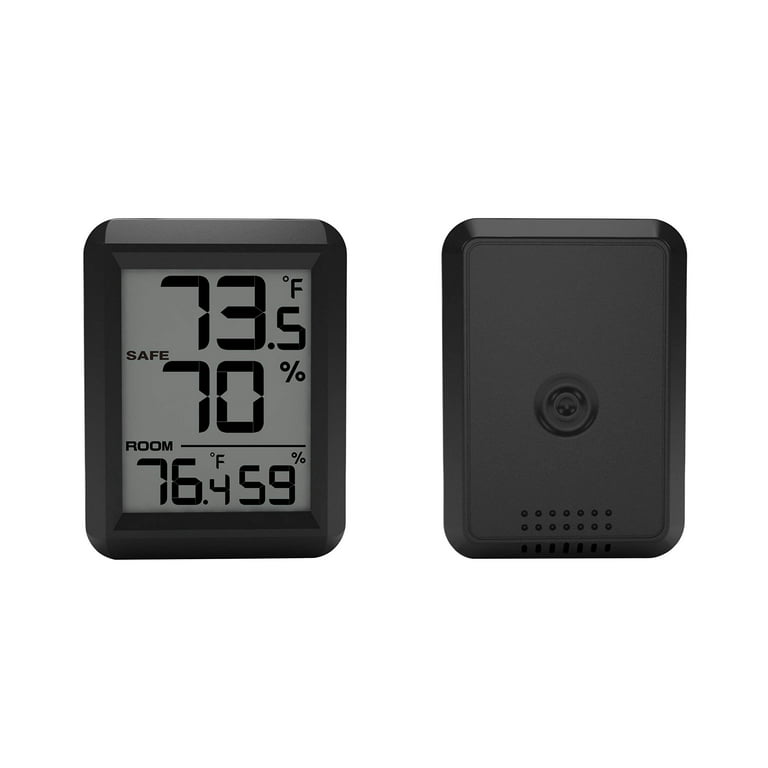
Look for clear, easy-to-read displays. A backlight helps in dark safes. Accuracy is important; pick a model with good reviews. Some have alarms to warn of high humidity. Wireless options let you check levels remotely.
Budget Considerations
Digital hygrometers come in many price ranges. Basic models cost less but may lack features. Higher-end ones offer better accuracy and alerts. Decide how much you want to spend. Balance cost with the features you need.
Preparing The Gun Safe
Preparing your gun safe before installing a digital hygrometer is key to accurate readings. A clean and well-ventilated safe helps the device work properly. Taking time to prepare ensures the hygrometer gives you the right information about moisture levels. Follow these steps to get your safe ready for installation.
Cleaning The Interior
Start by removing all items from the safe. Use a soft cloth to wipe dust and dirt off the walls and shelves. Avoid harsh chemicals that might damage the safe or the hygrometer. Clean surfaces help prevent false moisture readings. Let the interior dry completely before moving to the next step.
Selecting The Installation Spot
Choose a spot inside the safe that is easy to see and access. Avoid placing the hygrometer near the door or vents. These areas can have fluctuating humidity and give inaccurate readings. The middle of the safe is usually the best place. Make sure the spot is flat and stable for the device to sit or stick securely.
Ensuring Proper Ventilation
Good air flow inside the safe is important for accurate humidity measurement. Check if the safe has vents or small openings for air circulation. Do not block these vents with items or the hygrometer. Proper ventilation helps keep moisture levels steady. This protects your firearms and gear from rust and damage.
Tools And Materials Needed
Installing a digital hygrometer in your gun safe helps protect your firearms from moisture damage. Using the right tools and materials makes the process smooth and safe. Preparing everything beforehand saves time and avoids mistakes.
Essential Tools
Start with a small drill or screwdriver for mounting the hygrometer. A measuring tape or ruler helps place the device correctly. Use a pencil to mark spots before drilling. Keep a level handy to ensure the hygrometer sits straight. A soft cloth or towel protects your safe’s interior during installation.
Additional Supplies
Double-sided tape or mounting adhesive can hold the hygrometer without drilling. Batteries are necessary for most digital hygrometers. Have spare ones ready. Use silica gel packs inside the safe to improve moisture control. A small vacuum or brush cleans dust before installation, ensuring better adhesion and accuracy.
Step-by-step Installation
Installing a digital hygrometer in your gun safe helps protect your firearms. It measures humidity levels and alerts you to moisture. Follow these simple steps to install the device properly. This ensures accurate readings and keeps your guns safe.
Mounting The Hygrometer
Choose a dry and visible spot inside the safe. Clean the surface to remove dust and dirt. Use adhesive strips or screws if provided. Press the hygrometer firmly against the surface. Avoid placing it near vents or direct contact with guns.
Powering The Device
Check the power source needed for your hygrometer. Most devices use batteries for easy installation. Open the battery compartment carefully. Insert the batteries following the correct polarity. Close the compartment securely to avoid loose contacts.
Calibrating The Sensor
Calibration ensures accurate humidity readings. Use a salt test or follow the manufacturer’s guide. Place the hygrometer in a sealed container with salt and water. Wait for 8 to 12 hours. Adjust the device according to the instructions for correct calibration.
Maintaining Accuracy
Maintaining the accuracy of a digital hygrometer in your gun safe is key to protecting your firearms. Accurate readings help control humidity and prevent rust or damage. Small steps keep the device working well over time. Follow simple habits to ensure reliability.
Regular Calibration
Calibration keeps the hygrometer’s readings correct. Over time, sensors may drift and show wrong numbers. Check the device against a trusted humidity source every few months. Adjust settings if your model allows it. This practice ensures you always get true humidity levels.
Battery Replacement
Digital hygrometers run on batteries that lose power gradually. Weak batteries cause poor or unstable readings. Replace batteries once a year or when the display dims. Use fresh, high-quality batteries to keep the device running smoothly. Never ignore low battery signs.
Cleaning And Care
Dust and dirt can block sensors and affect readings. Gently clean the device with a soft cloth regularly. Avoid harsh chemicals or water that might damage it. Keep the hygrometer away from direct sunlight or heat sources. Proper care extends its life and accuracy.
Troubleshooting Common Issues
Troubleshooting common issues helps keep your digital hygrometer working well. It ensures accurate humidity readings inside your gun safe. Problems can happen, but many are easy to fix. Below are common issues and simple tips to solve them.
Inaccurate Readings
Check the sensor placement. It should not touch the safe walls. Clean the sensor gently with a soft cloth. Avoid moisture near the device except normal humidity. Replace batteries if readings stay wrong. Calibrate the device following the user guide.
Device Not Powering On
Make sure batteries are inserted correctly. Use fresh batteries with the right size. Inspect battery contacts for dirt or corrosion. Reset the device by removing and reinserting batteries. If it still won’t turn on, try a new set of batteries or contact support.
Signal Interference
Keep the digital hygrometer away from metal objects inside the safe. Metal can block wireless signals. Place the device in a clear spot with open space around. Avoid placing it near electronic gadgets that emit signals. Repositioning often improves signal strength and data transmission.
Additional Tips For Moisture Control
Controlling moisture inside a gun safe is crucial to protect firearms. Excess humidity leads to rust and damage. A digital hygrometer helps measure humidity but does not control it. Follow these extra tips to keep moisture low and guns safe.
Using Desiccants
Desiccants absorb moisture and keep the air dry. Silica gel packs are popular and easy to use. Place them inside the gun safe near your firearms. Replace or recharge packs regularly to keep them effective. Avoid using too many, or they may block airflow.
Safe Humidity Levels For Guns
Ideal humidity for guns is between 40% and 50%. Lower than 40% can dry out wood parts. Higher than 50% increases rust risk. Use your digital hygrometer to check levels often. Adjust moisture control methods based on the readings.
Monitoring Frequency
Check the hygrometer daily at first to understand patterns. After stabilization, weekly checks are enough. Frequent monitoring helps catch humidity spikes early. Act quickly if levels rise above the safe range. Consistent checks maintain gun condition over time.

Frequently Asked Questions
What Tools Are Needed To Install A Digital Hygrometer?
To install a digital hygrometer, you need screws, a drill, and a screwdriver. Some models include adhesive pads for easy mounting. Always check the manufacturer’s instructions for specific tools and requirements.
Where Is The Best Spot To Place A Hygrometer In A Gun Safe?
Place the hygrometer inside the gun safe, away from direct contact with guns. Position it at eye level for easy reading and accurate humidity monitoring.
How Do I Calibrate A Digital Hygrometer After Installation?
To calibrate, use a salt test or follow the device’s manual instructions. Calibration ensures accurate humidity readings and optimal gun safe protection.
Can A Digital Hygrometer Prevent Gun Rust Effectively?
Yes, monitoring humidity helps prevent rust by maintaining ideal moisture levels. Use a digital hygrometer with a dehumidifier or desiccant for best results.
Conclusion
Installing a digital hygrometer in your gun safe helps protect your firearms. It keeps track of moisture levels inside the safe. This prevents rust and damage to your guns. The process is quick and simple to follow. Place the device where air flows freely for best results.
Check readings regularly to maintain safe conditions. This small step keeps your collection in great shape. Protect your investment with easy moisture monitoring. A digital hygrometer is a useful tool for every gun owner.