Choosing the right .223 ammo for long-range shooting can make all the difference in your accuracy and performance. If you want your shots to hit their mark every time, you need to understand what makes some ammo better than others.
This guide will help you pick the best. 223 rounds tailored to your needs. By the end, you’ll feel confident in your choice and ready to improve your long-range shooting skills like never before. Keep reading—you don’t want to miss these crucial tips.
Key Factors In .223 Ammo Selection
Choosing the right .223 ammo for long-range shooting involves understanding several key factors. These factors impact your shooting accuracy and overall experience. Knowing what to consider helps you select ammo that suits your needs. Focus on bullet weight, velocity, accuracy, and the brand’s reliability.
Bullet Weight And Type
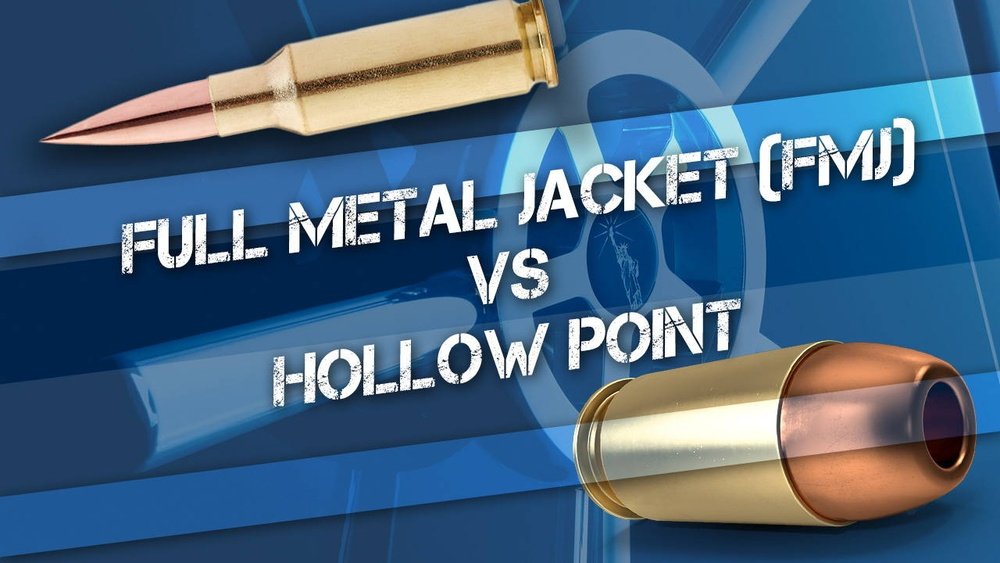
Bullet weight affects how the round flies and hits the target. Heavier bullets often hold velocity better over long distances. Lighter bullets travel faster but may lose speed quickly. The bullet type also matters. Full metal jacket (FMJ) rounds work well for practice. Match-grade bullets provide better precision. Choose a bullet that matches your shooting goals.
Velocity And Ballistics
Velocity influences how far and flat the bullet flies. Higher velocity rounds tend to have less drop over distance. Ballistics shape how the bullet behaves in air. Good ballistics improve accuracy and reduce wind drift. Check the ammo’s velocity rating and ballistic coefficient. These numbers guide your long-range performance.
Accuracy And Consistency
Consistent ammo produces similar shots every time. This consistency builds confidence at longer ranges. Accuracy depends on how well the ammo and rifle work together. Using quality, match-grade ammo can improve grouping size. Test different brands to find the most consistent option for your rifle.
Brand Reputation
Trusted brands often maintain high production standards. Quality control reduces the chance of defects. Reviews from other shooters reveal real-world performance. Choose brands known for reliable and precise .223 ammo. Reliable ammo supports better shooting outcomes and safety.
Matching Ammo To Your Rifle
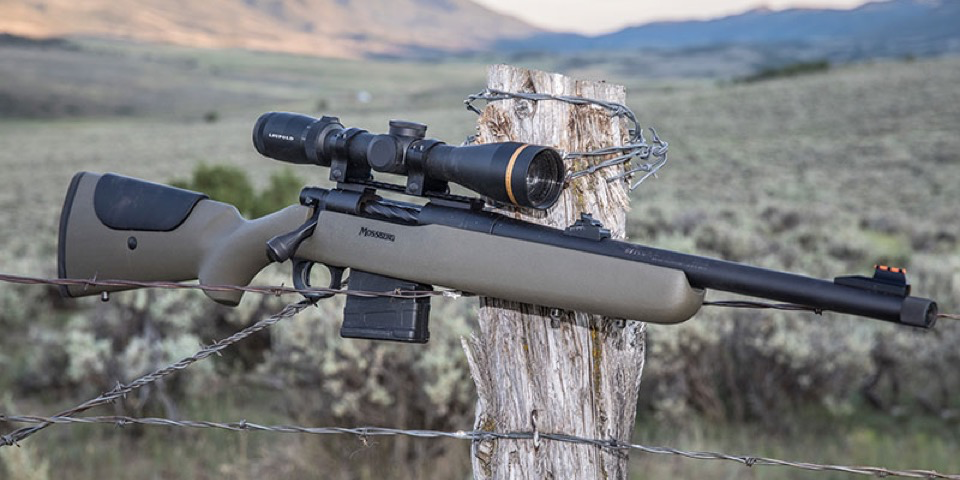
Choosing the right .223 ammo means matching it to your rifle. Ammo and rifle parts work together to hit targets far away. Using ammo that fits your rifle helps with accuracy and speed. Each rifle has unique features. These features affect which ammo works best. Knowing these details helps pick the best .223 ammo for long-range shooting.
Barrel Length Considerations
Barrel length changes bullet speed and pressure inside the rifle. Longer barrels give bullets more time to build speed. This can improve accuracy at long distances. Shorter barrels may reduce bullet speed. Choose ammo that performs well with your barrel length. Some bullets need more barrel length to reach full speed.
Twist Rate Impact
Twist rate means how fast the rifle barrel spins the bullet. It affects bullet stability in flight. Fast twist rates stabilize heavier bullets better. Light bullets may need slower twist rates. Match ammo weight with the twist rate for best flight. Wrong twist rates cause bullets to wobble or lose accuracy.
Chamber Specifications
Each rifle chamber has specific size limits. Ammo must fit these dimensions exactly. Using wrong ammo can cause pressure problems or damage. Check your rifle’s chamber size before buying ammo. Some .223 ammo types fit better in certain chambers. Proper fit improves safety and shooting performance.
Long-range Performance Tips
Long-range shooting with .223 ammo needs careful attention to performance details. Small factors can change your shot accuracy. Understanding how your ammo behaves at distance helps you choose the best one for your needs. Here are key tips to improve your long-range shooting results.
Ballistic Coefficient Importance
The ballistic coefficient (BC) shows how well a bullet cuts through the air. Higher BC means less air drag and better flight stability. Bullets with high BC keep speed longer and drop less over distance. Choosing ammo with a high BC improves accuracy at long range.
Look for bullets designed for better aerodynamics. These reduce wind drift and maintain velocity. Always check the BC value on the ammo box or product description.
Wind And Weather Effects
Wind changes bullet path significantly at long distances. Even a light breeze can push your bullet off target. Learn to read wind direction and speed before shooting. Use wind flags or natural signs to estimate conditions.
Temperature and humidity also affect bullet flight. Warm air makes bullets fly faster and straighter. Cold air slows them down and increases drop. Adjust your aim based on weather changes to stay accurate.
Optimal Shooting Distances
.223 ammo performs best within certain distance limits. Most bullets keep good accuracy up to 500 yards. Beyond this, bullet drop and wind drift become harder to manage.
Test your ammo at different ranges to find its sweet spot. Knowing your ammo’s effective distance helps you plan shots better. Stay within that range for consistent long-range shooting.
Testing And Zeroing Ammo
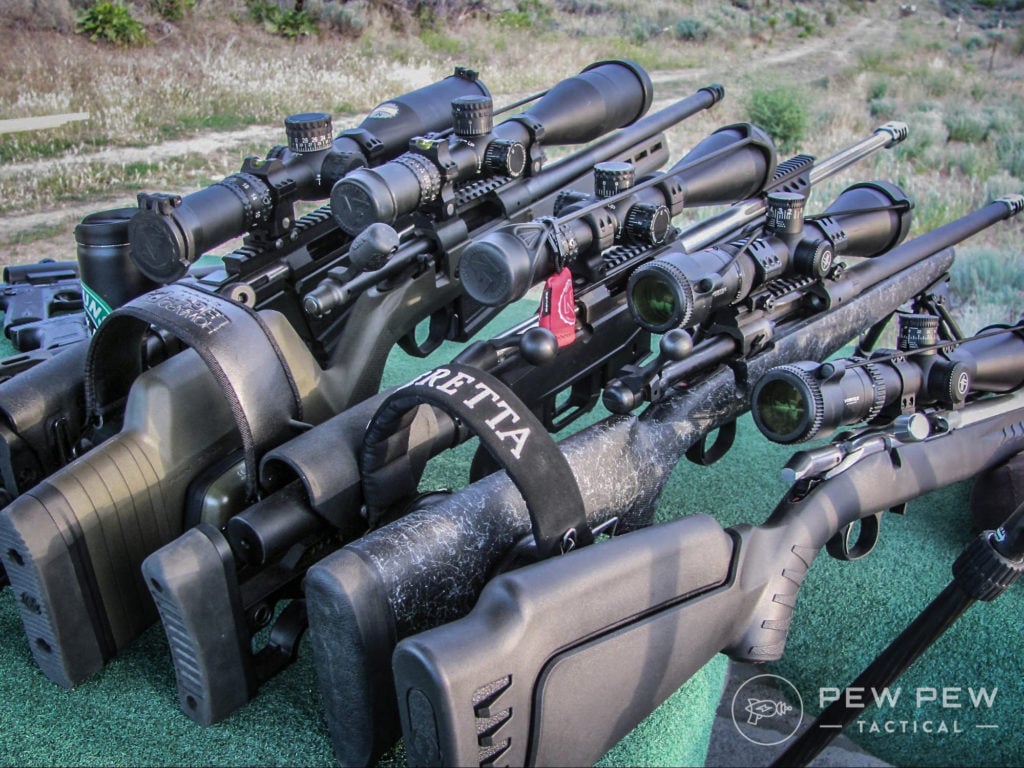
Testing and zeroing your .223 ammo is a key step for long-range shooting success. It ensures your rifle and ammo work well together. This process improves accuracy and confidence at the range. Proper testing helps find the best ammo that fits your rifle perfectly.
Zeroing means adjusting your sights so the bullet hits exactly where you aim. Every rifle and ammo type may need different settings. Testing different ammo types lets you choose the one with the best performance for your setup.
Range Testing Strategies
Start testing at a shorter distance, like 100 yards. Fire several shots with each ammo type. Keep notes on how each round performs. Gradually increase distance to 200 yards or more. This helps see how ammo behaves at long range.
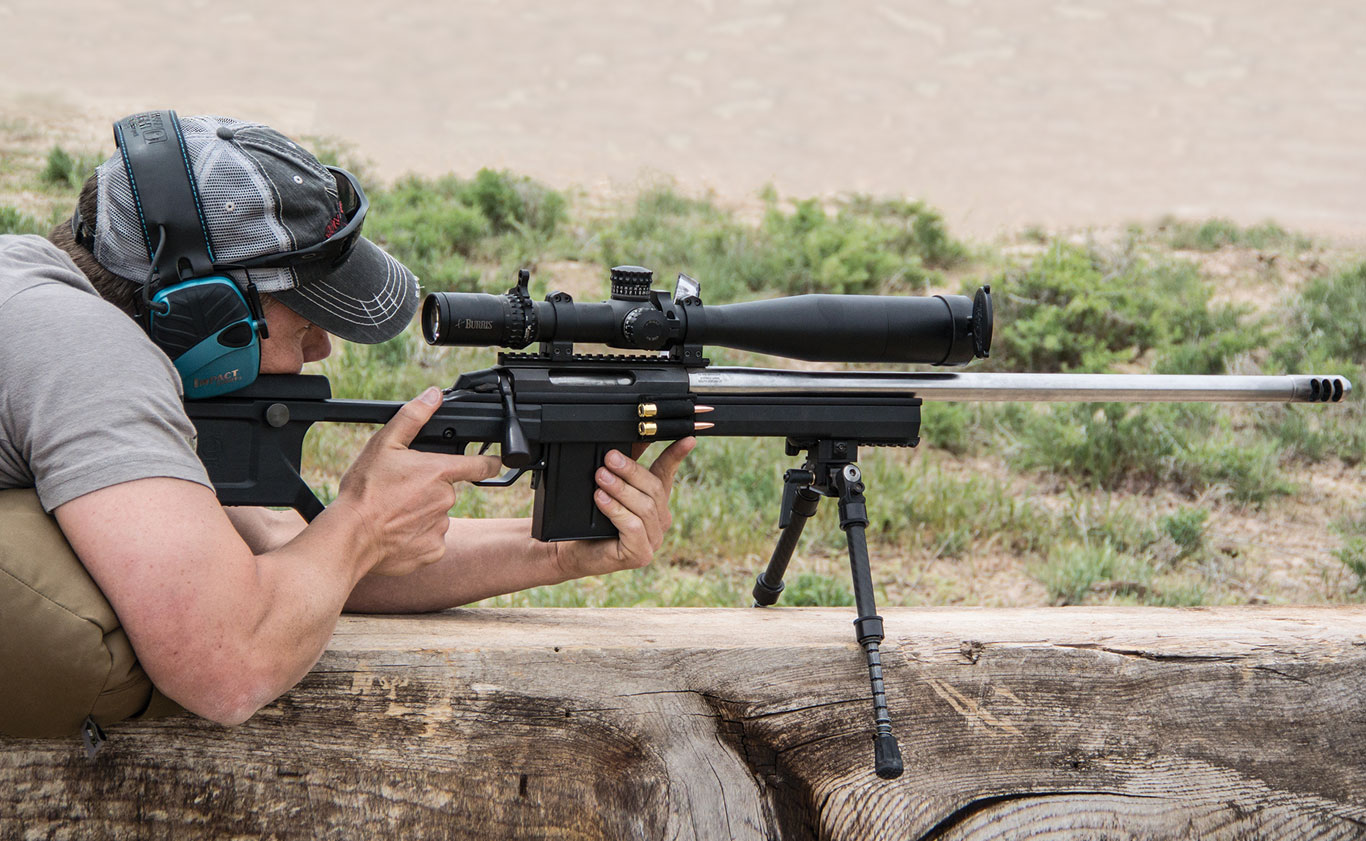
Test in calm weather. Wind can affect bullet flight and confuse results. Use a solid rest or shooting bench. This keeps the rifle steady and improves shot consistency.
Evaluating Group Sizes
Group size shows how close your shots land to each other. Smaller groups mean better ammo accuracy. Shoot at least five rounds per group for reliable results. Measure the distance between the two furthest holes in the target.
Compare groups from different ammo types. Choose the ammo with the tightest groups. Consistency matters more than speed or cost for long-range shooting.
Adjusting Sights For Ammo
After choosing ammo, zero your sights to match its point of impact. Use your scope’s adjustment knobs for windage and elevation. Make small changes and fire test shots each time.
Confirm zero at your preferred shooting distance. This ensures your shots hit the target dead center. Re-check zero after changing ammo or shooting conditions.
Ammo Storage And Handling
Proper storage and careful handling of .223 ammo are essential for long-range shooting. Ammo kept in the right conditions performs better and lasts longer. Mishandling can lead to damage or safety risks. Learn how to store and handle your ammo correctly to maintain its quality and reliability.
Proper Storage Conditions
Store .223 ammo in a cool, dry place. Avoid damp areas that can cause rust or corrosion. Use airtight containers to keep moisture out. Keep ammo away from direct sunlight and heat sources. A stable temperature helps maintain bullet and powder quality.
Shelf Life Considerations
Ammunition does not last forever. Most .223 ammo stays good for 5 to 10 years if stored well. Check dates on boxes and use older ammo first. Inspect rounds for signs of damage before use. Discard any ammo with corrosion or dents.
Safe Handling Practices
Handle ammo gently to avoid damage. Do not drop or strike cartridges. Keep ammo away from children and pets. Use original packaging or proper cases for transport. Always follow safety rules at the range and during storage.
Frequently Asked Questions
What Factors Affect .223 Ammo Performance For Long-range?
Bullet weight, powder type, and barrel length impact. 223 ammo performance. Heavier bullets retain velocity better. Consistent powder improves accuracy. Longer barrels increase muzzle velocity, aiding long-range precision.
Which Bullet Type Is Best For .223 Long-range Shooting?
Boat-tail hollow point (BTHP) bullets are ideal. They offer better aerodynamics and expansion. This improves accuracy and terminal performance at long distances.
How Important Is Grain Weight In .223 Ammo Selection?
Grain weight affects trajectory and recoil. Heavier grains (60-77) maintain velocity longer, ideal for long-range. Lighter grains have less recoil but drop faster.
Can Factory .223 Ammo Match Custom Loads For Range?
High-quality factory ammo can be very accurate. However, custom loads tailored to your rifle usually perform better at long distances.
Conclusion
Choosing the right. 223 ammo improves your long-range shooting experience. Focus on bullet weight, velocity, and accuracy. Test different brands to find what fits best. Quality ammo helps you shoot better and more consistently. Remember, practice and patience matter just as much as ammo.
Keep learning and adjusting for your best results. Your shooting skills will grow with the right choices.