When it comes to protecting your valuable rifles, a safe’s fire resistance is one of the most important features you need to understand. You want to be sure that your firearms will stay secure even if a fire breaks out.
But how can you check if your rifle safe truly offers the protection it promises? This guide will walk you through simple steps to evaluate your safe’s fire resistance. By the end, you’ll know exactly what to look for and how to keep your rifles safe from heat and flames.
Keep reading to make the best choice for your peace of mind.

Fire Resistance Ratings
Fire resistance ratings show how well a rifle safe protects its contents from heat. These ratings tell you how long the safe can withstand fire. Knowing these ratings helps pick a safe that fits your needs. Ratings come from tests by different safety organizations. Each rating gives a clear idea of the safe’s fire protection level.
Common Rating Standards
UL (Underwriters Laboratories) is a popular standard in the US. It tests safes at high temperatures and measures time inside the fire. Another common standard is the ETL, which also tests fire resistance and impact. Both standards rate safes by how many minutes they resist fire. The ratings often include temperature limits inside the safe. Look for safes with ratings that match your risk level.
Interpreting Fire Ratings
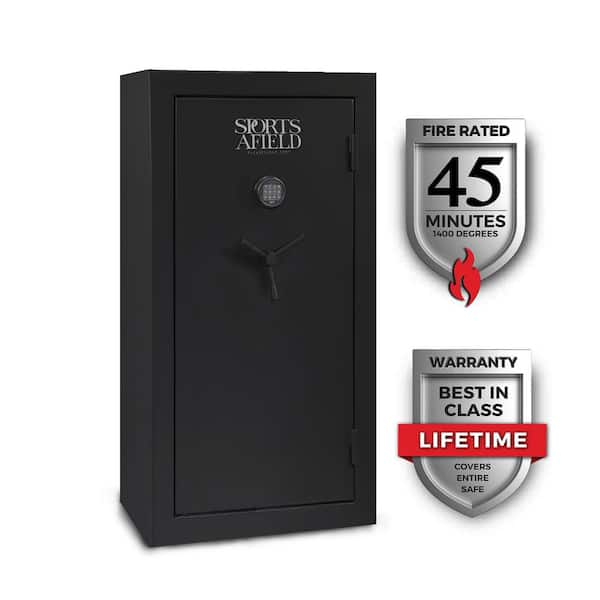
A rating like “1 hour at 1200°F” means the safe protects for one hour. The inside temperature should stay low enough to protect guns and ammo. Different safes have different temperature limits inside. Some ratings show the maximum temperature allowed inside during the fire test. Choose a safe with a rating that offers enough time to escape or recover items. Remember, higher ratings usually mean heavier and more expensive safes.
Materials Affecting Fire Resistance
Fire resistance is a key factor in choosing a rifle safe. The materials used in the safe affect how well it can protect your guns from fire damage. Understanding these materials helps you pick a safe that lasts and keeps your items secure.
Different materials respond to heat in different ways. Some block heat better, while others slow fire from reaching inside. Knowing about these materials gives you a clear idea of what to expect from your safe.
Insulation Types
Insulation in a rifle safe blocks heat from getting inside. Common types include gypsum, ceramic, and mineral wool. Gypsum is popular because it releases water vapor when heated, which cools the safe’s interior.
Ceramic insulation resists very high temperatures. It is lightweight and effective but can be costly. Mineral wool offers good fire protection and also dampens sound. Some safes use a mix of these insulations for better results.
Construction Materials
The outer shell of a rifle safe is often made of steel. Steel is strong and shields against fire and physical attacks. Thicker steel usually means better fire resistance.
Inside, some safes use concrete or composite panels. These materials add extra protection by absorbing heat. The combination of outer steel and inner panels creates a strong barrier against fire.
Testing Methods For Fire Resistance
Testing the fire resistance of a rifle safe is vital for ensuring its protection level. This process shows how well the safe can protect its contents during a fire. Different testing methods provide clear proof of a safe’s fire resistance. These tests help buyers pick the right safe for their needs.
Laboratory Testing
Laboratory testing uses controlled conditions to test fire resistance. Experts place the safe inside a furnace and heat it to high temperatures. The heat level and time follow strict standards. This method measures how long the safe can hold up against fire. Sensors check the inside temperature to see if it stays safe for guns and ammo. This testing is accurate and trusted by many users.
Field Testing
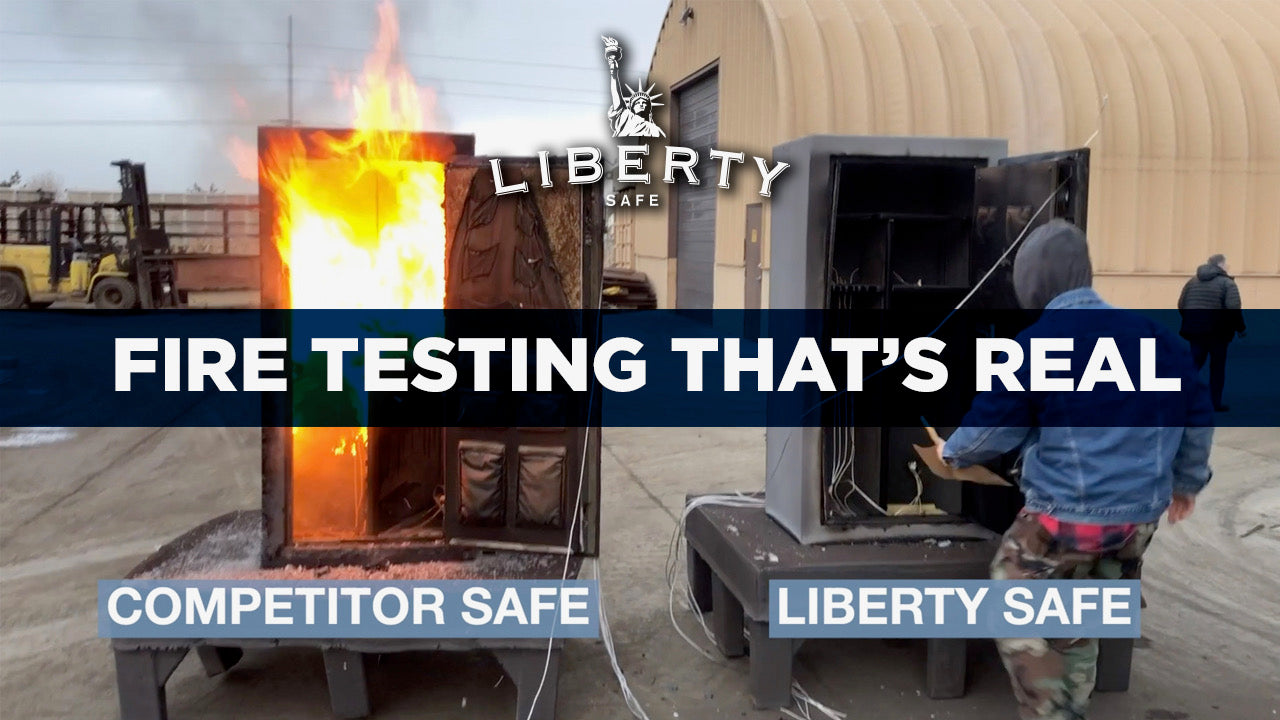
Field testing checks fire resistance outside the lab. It uses real fire or controlled burns to test safes in natural settings. This method shows how the safe performs in real fire scenarios. It tests the safe’s durability against heat, smoke, and flames. Field tests give practical proof of fire resistance. They help confirm lab results and show how safes work in real life.
Signs Of Reliable Fire Resistance
Knowing the signs of reliable fire resistance helps protect your rifle safe. Fire can destroy guns and important documents inside. A safe with strong fire resistance keeps contents secure during a fire. Not all safes offer the same protection. Identifying trustworthy features ensures safety and peace of mind.
Check for proven signs that show a safe can resist high heat. These signs come from official tests and guarantees. They prove the safe can withstand fire for a set time. Without these signs, the safe may fail in real fires.
Manufacturer Certifications
Certifications from recognized organizations show a safe’s fire resistance. Look for labels from UL (Underwriters Laboratories) or ETL. These tests measure how long the safe protects against heat and fire. Certified safes pass strict standards for fire duration and temperature. The higher the rating, the better the protection.
Certifications also ensure the safe’s structure and materials resist fire damage. They give confidence the safe performs as claimed. Without certifications, a safe’s fire claims are less trustworthy.
Warranty And Guarantees
Warranties and guarantees reveal the manufacturer’s trust in their product. A good warranty covers fire damage for a specific time period. It shows the company stands behind the safe’s fire resistance. Some safes offer money-back guarantees if they fail fire tests.
Check warranty details carefully. A longer or more comprehensive warranty means better reliability. It reduces your risk of losing valuables due to fire. Choose safes with clear, strong warranties for fire protection.
Common Mistakes To Avoid
Checking a rifle safe’s fire resistance is important for protecting your valuables. Many people make simple mistakes that reduce safety. Avoiding these errors helps ensure your safe works as expected during a fire. Focus on key details to get the best protection.
Relying Solely On Marketing
Marketing claims can be misleading. Ads may highlight fire ratings without explaining test conditions. A safe might pass tests only under ideal settings. Always check for independent fire resistance certifications. Look for real data, not just catchy slogans.
Ignoring Installation Factors
How you install the safe affects its fire resistance. Placing it near heat sources reduces protection. Poor sealing around the safe allows heat and smoke inside. The floor type also matters; concrete floors offer better resistance than wood. Follow manufacturer guidelines carefully for installation.
Maintenance Tips To Preserve Fire Resistance
Maintaining the fire resistance of a rifle safe is key to protecting its contents. Fire-resistant materials can weaken over time without care. Simple steps help keep your safe effective and reliable. Regular checks and correct storage preserve its fire protection for years.
Regular Inspections
Check the safe for any signs of damage or wear. Look closely at seals, hinges, and locking mechanisms. Damaged seals reduce fire resistance by allowing heat inside. Test the door to ensure it closes tightly every time. Replace worn parts quickly to maintain full protection.
Proper Use And Storage
Place the safe away from direct sunlight or heat sources. Avoid storing flammable liquids near or inside the safe. Keep the safe dry to prevent rust and corrosion. Use the safe only as instructed by the manufacturer. Proper use helps keep fire-resistant features intact and working well.
Frequently Asked Questions
What Is Fire Resistance Rating In Rifle Safes?
Fire resistance rating shows how long a safe protects contents from fire. It is measured in minutes or hours at specific temperatures. Higher ratings mean better protection during fires. Look for this rating when choosing a rifle safe to ensure your firearms stay safe.
How To Find A Rifle Safe’s Fire Resistance Rating?
Check the safe’s label or manufacturer’s specifications for fire resistance rating. Ratings come from independent tests by organizations like UL or ETL. These tests certify how long the safe can withstand fire and heat, helping you choose a reliable safe.
Does Fire Resistance Protect Ammunition In Rifle Safes?
Fire resistance mainly protects firearms and documents, not ammunition. Ammunition can explode or degrade under extreme heat. For ammo safety, consider separate storage options designed to withstand high temperatures and prevent accidental ignition.
What Materials Improve A Rifle Safe’s Fire Resistance?
Materials like gypsum, concrete, and fire-resistant insulation improve fire resistance. These materials absorb heat and delay temperature rise inside the safe. A well-built safe uses multiple layers of fireproof materials for maximum protection.
Conclusion
Checking a rifle safe’s fire resistance protects your valuables well. Always find the fire rating label on the safe. Look for clear information about temperature and time. Use trusted sources to compare ratings and standards. Remember, a good safe keeps guns and papers safe from fire.
Regularly inspect your safe to ensure it stays secure. Small steps lead to big safety for your firearms. Stay informed and choose wisely for peace of mind.