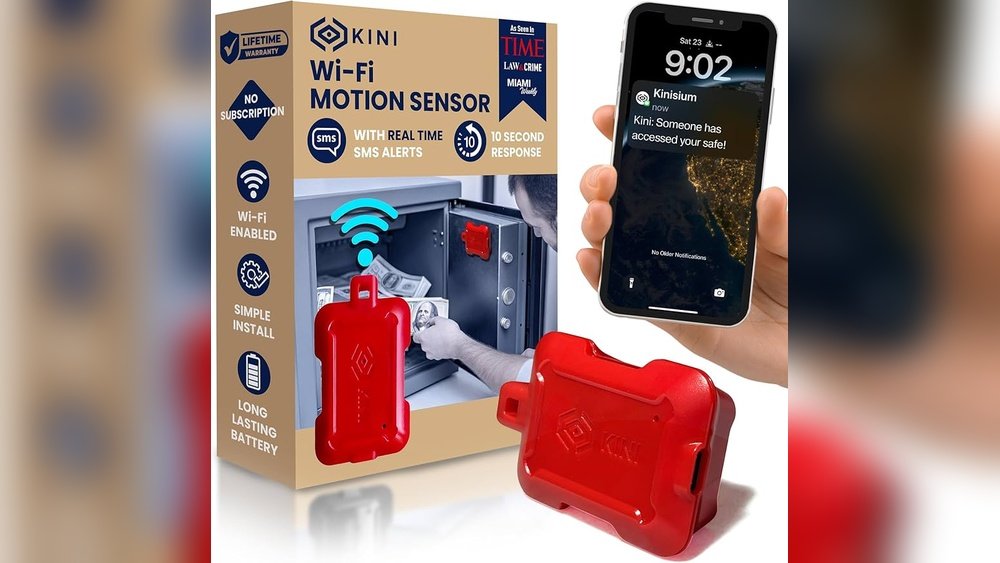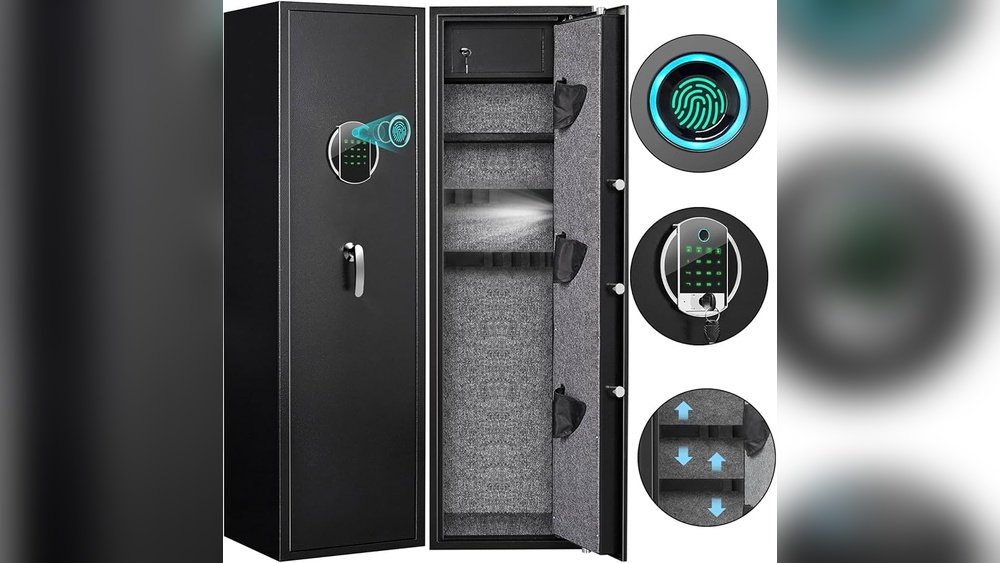
Are you worried about the safety of your gun safe? You might be wondering just how sensitive vibration sensors really are when it comes to protecting your valuables.
Imagine a sensor so precise that it can detect the slightest shake or tap, alerting you immediately to any tampering. But how does this sensitivity work in real life? You’ll discover how vibration sensors respond to different movements and why their sensitivity level matters for your security.
Keep reading to find out how these sensors can be the silent guardians of your most important possessions.
Vibration Sensor Basics
Vibration sensors detect movement or shaking on a surface. They help secure gun safes by alerting owners to tampering or forced entry. These sensors can sense even small vibrations, making them useful for security.
Understanding how vibration sensors work is important. It shows why they are sensitive enough to protect valuable items inside gun safes. Different types of sensors offer various levels of accuracy and response time.
How Vibration Sensors Work
Vibration sensors use tiny components that move when shaken. This movement creates an electrical signal. The sensor sends this signal to an alarm system inside the safe. The alarm then alerts the owner or security team.
Some sensors use piezoelectric materials that produce voltage when bent or stressed. Others use accelerometers to measure changes in motion or speed. Both methods detect vibration quickly and reliably.
Types Used In Gun Safes
Common vibration sensors include piezoelectric sensors and MEMS accelerometers. Piezoelectric sensors respond to pressure changes by generating electric charge. MEMS accelerometers detect movement in multiple directions.
Gun safes often use these sensors combined with other security features. This mix improves protection against forced entry and theft attempts. The choice depends on the safe’s design and security needs.

Sensitivity Levels Explained
Vibration sensors for gun safes detect movement or shaking. Their sensitivity level shows how small a vibration they can notice. This is key for security. Sensors must catch real threats without false alarms.
Understanding sensitivity helps choose the right sensor. It depends on how the sensor measures vibrations and other conditions around it. Let’s explore this in detail.
Measuring Sensitivity
Sensitivity is measured by the smallest vibration the sensor can detect. It uses units like g-force or acceleration. A lower value means higher sensitivity. Sensors with high sensitivity detect very light shakes.
Testing involves tapping or shaking the safe and checking sensor response. Some sensors have adjustable sensitivity settings. This helps balance safety and false alarms.
Factors Affecting Sensitivity
Material of the safe affects vibration transmission. Thick metal walls reduce sensor sensitivity. Placement of the sensor inside the safe matters too. A sensor on a rigid surface works better.
External environment also plays a role. Vibrations from nearby machines or traffic can cause false alarms. Temperature and humidity can affect sensor performance as well.
Adjusting Sensor Sensitivity
Adjusting the sensitivity of vibration sensors in gun safes is important for proper protection. Setting the right sensitivity helps detect real threats while avoiding false alarms. Each safe has different needs, so tuning the sensor is key.
Calibration Techniques
Start by testing the sensor with light taps. Increase sensitivity step by step. Check how the safe reacts to each level. Use a small hammer or your hand for tapping. Note when the sensor triggers an alarm. Repeat the test in different spots on the safe.
Some sensors come with built-in calibration tools. Follow the manufacturer’s guide carefully. Use software or buttons to fine-tune the sensitivity. Save the settings after each change. Test again to confirm the sensor works well.
Balancing Sensitivity And False Alarms
Too high sensitivity causes many false alarms. These happen from small vibrations like walking or closing doors. Too low sensitivity may miss real break-in attempts. Find a balance by adjusting slowly and testing often. Pay attention to the environment around the safe.
Place the safe away from heavy foot traffic or loud machines. This reduces unnecessary vibrations. Adjust sensitivity just enough to detect strong impacts. This approach keeps the safe secure and avoids annoying alarms.
Common Interference Sources
Vibration sensors in gun safes are designed to detect movement and protect your valuables. These sensors are very sensitive. They can pick up many small vibrations. Not all vibrations mean danger. Some come from everyday sources. Knowing these sources helps avoid false alarms. It also helps you understand how these sensors work.
Environmental Vibrations
Environmental vibrations come from the ground and air around the safe. Passing cars, nearby trains, or construction work cause these vibrations. Even heavy footsteps can shake the floor slightly. Sensors can detect these small movements. Some sensors filter out mild vibrations. Others may trigger an alarm for strong shakes. Placement of the safe affects how much environmental vibration it senses.
Household Appliances Impact
Household appliances create vibrations during use. Washing machines, dryers, and dishwashers produce steady shakes. Air conditioners and refrigerators cause low vibrations too. These vibrations can travel through walls and floors. A sensitive vibration sensor may react to these appliance movements. This can lead to false alarms if the safe is close to these devices.
Sensor Placement Tips
Placing vibration sensors correctly inside gun safes increases their sensitivity. Proper sensor placement helps detect any unusual movement or tampering. Knowing where to position these sensors ensures better protection of your valuables.
Optimal Locations Inside Safes
Attach sensors to solid, stable surfaces inside the safe. The back wall is a great spot. It picks up strong vibrations from any forced entry. The safe door frame also works well. Sensors here catch attempts to pry open the door. Avoid placing sensors on soft padding. Soft spots reduce vibration signals. Mount sensors near locking bolts for extra security. These spots feel the most movement during tampering.
Avoiding Dead Zones
Dead zones are areas where sensors detect little to no vibration. Corners and soft lining often create dead zones. Avoid mounting sensors there. Spread sensors evenly for full coverage. Check sensor response after installation. Tap the safe gently in different spots. Adjust sensor placement if any area feels unmonitored. Proper coverage prevents blind spots and ensures alerts trigger quickly.
Comparing Sensor Brands
Choosing the right vibration sensor for a gun safe matters a lot. Different brands offer varying levels of sensitivity. Some sensors detect even slight vibrations. Others need stronger shakes to trigger an alert. Understanding these differences helps protect your firearms better. It also ensures your safe reacts quickly to threats.
Top Models For Gun Safes
Several vibration sensors stand out for gun safes. Brands like Fort Knox, SentrySafe, and Stack-On produce reliable models. Fort Knox sensors catch subtle movements well. SentrySafe models balance sensitivity and false alarms. Stack-On sensors work best for basic needs. Each brand offers various models to fit different safes.
Sensitivity Performance Reviews
Fort Knox sensors score high on sensitivity tests. They detect light taps and small shakes. SentrySafe sensors respond to moderate vibrations. This reduces false alarms from minor bumps. Stack-On sensors need stronger vibrations to activate. This makes them less sensitive but more stable. User reviews praise Fort Knox for quick alerts. SentrySafe users like fewer false triggers. Stack-On suits those wanting simple, sturdy sensors.
Enhancing Safe Security
Vibration sensors add an important layer to gun safe security. They detect any unusual movement or shaking. This helps stop theft or tampering early. These sensors react quickly to even small vibrations.
By using sensitive vibration sensors, owners can protect their valuables better. These devices work well in quiet environments. They alert users before any forced entry happens. This makes gun safes much harder to break into.
Combining Sensors With Alarms
Pairing vibration sensors with alarms improves security. When the sensor detects movement, it triggers a loud alarm. The noise scares off intruders fast. It also warns nearby people about the threat. This combination makes gun safes much safer.
Alarms add an instant response to sensor alerts. This helps stop theft before it happens. It also gives owners time to act or call for help. Many safes use this smart pairing to protect guns and valuables.
Integration With Smart Systems
Modern vibration sensors connect easily to smart home systems. This allows remote monitoring from phones or computers. Owners get instant alerts if the safe moves or shakes. They can check the safe’s status anytime, anywhere.
Smart system integration adds convenience and better control. Users can link sensors to cameras or locks. This creates a full security network around the safe. It also helps track any suspicious activity quickly and easily.


Frequently Asked Questions
How Sensitive Are Vibration Sensors In Gun Safes?
Vibration sensors in gun safes detect even minor movements or impacts. They are designed to trigger alarms quickly. This helps prevent unauthorized access or theft by alerting owners to suspicious activity immediately.
Can Vibration Sensors Differentiate Between Minor And Major Impacts?
Yes, advanced vibration sensors can distinguish between light vibrations and strong impacts. This reduces false alarms from everyday vibrations. They ensure the alarm activates only during significant tampering or forced entry attempts.
Do Vibration Sensors Work In All Types Of Gun Safes?
Most modern gun safes come equipped with vibration sensors compatible with various safe materials. However, sensitivity might vary slightly depending on safe thickness and construction. Proper installation ensures optimal sensor performance for effective security.
How Do Vibration Sensors Enhance Gun Safe Security?
Vibration sensors add an extra security layer by detecting tampering early. They alert owners before safe breaches occur, enabling quick response. This feature complements other security measures like biometric locks and alarms.
Conclusion
Vibration sensors for gun safes detect even small movements. They protect your valuables by alerting you quickly. Sensitivity varies by model but usually works well. Choose a sensor that matches your safety needs. Proper installation helps sensors work better. Regular testing ensures they stay reliable over time.
These sensors add an important security layer at home. Trust their ability to warn against tampering. Stay safe and keep your guns secure with good sensors.