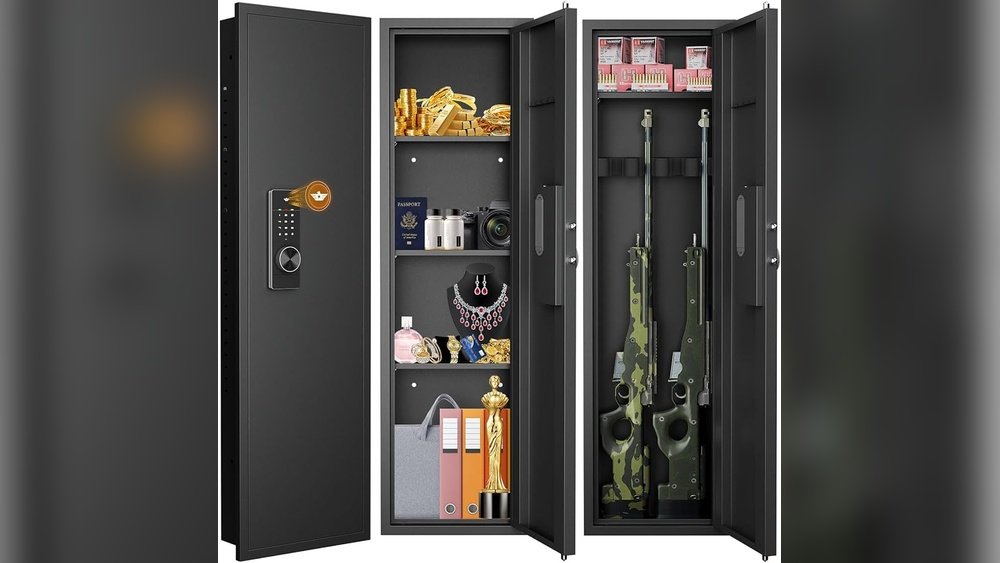
You rely on your gun safe to protect what matters most. But have you ever wondered how long the alarm battery inside it actually lasts?
Knowing this can save you from unexpected surprises and keep your safe’s security strong. You’ll discover exactly how long you can expect your gun safe alarm battery to work and simple tips to make sure it never lets you down.
Keep reading to stay one step ahead and protect your valuables with confidence.
Battery Types Used In Gun Safe Alarms
Gun safe alarms rely on batteries to stay active and protect your valuables. The type of battery used affects the alarm’s performance and how long it lasts. Understanding the common battery types can help you choose the right one for your safe alarm. Battery type also impacts the cost and convenience of replacement.
Common Battery Models
Most gun safe alarms use standard batteries like AA, AAA, or 9-volt. These batteries are easy to find in stores. Some alarms use button cell batteries, which are small and compact. Alkaline batteries are popular due to their long shelf life and reliability. Lithium batteries also appear in some models for longer life and better performance.
Rechargeable Vs Disposable Batteries
Rechargeable batteries can be used many times after charging. They save money over time and reduce waste. Disposable batteries are used once and then thrown away. They usually last longer in a single use than rechargeables. Rechargeables need a charger and more care. Disposable batteries are simple and ready to use anytime.
Average Battery Lifespan
Knowing the average battery lifespan of a gun safe alarm helps plan replacements. Battery life depends on the battery type and usage frequency. Choosing the right battery extends the alarm’s effectiveness.
Typical Duration For Alkaline Batteries
Alkaline batteries are common in gun safe alarms. They usually last between 6 to 12 months. Frequent alarm triggers can reduce this time. Alkaline batteries are easy to find and affordable.
Performance Of Lithium Batteries
Lithium batteries offer longer life than alkaline ones. They typically last 1 to 3 years in gun safe alarms. Lithium batteries handle temperature changes better. This makes them reliable for long-term use.
Factors Affecting Battery Life
The battery life of a gun safe alarm depends on several key factors. These factors influence how long the battery can power the alarm before needing replacement. Understanding these can help you maintain your alarm efficiently and avoid unexpected failures.
Frequency Of Alarm Activation
Every time the alarm sounds, it uses battery power. More frequent alarms drain the battery faster. If the alarm triggers often, expect shorter battery life. Occasional tests or false alarms can also reduce battery duration.
Environmental Conditions
Temperature and humidity affect battery performance. Cold weather can reduce battery capacity. High humidity may cause corrosion in battery contacts. Keeping the safe in stable conditions helps the battery last longer.
Alarm System Features
Advanced features like sensors and wireless connections consume more power. Basic alarms with fewer functions usually use less battery. Choosing a system with efficient technology extends battery life.
Signs Of A Weak Or Dead Battery
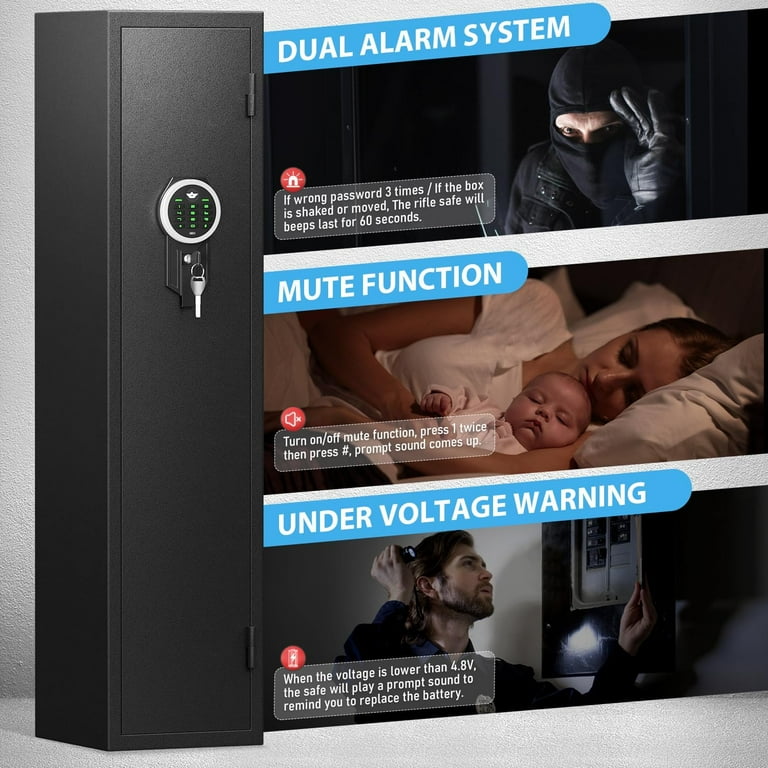
Knowing the signs of a weak or dead battery in your gun safe alarm helps keep your valuables secure. A failing battery can reduce protection and cause false alarms. Early detection prevents surprise lockouts or security breaches.
Recognizing these signs is simple and saves time. Pay close attention to changes in alarm performance and alerts. This section explains key indicators to watch for.
Audible Alerts And Indicators
Many gun safe alarms give a beep or chirp when the battery is low. These sounds occur regularly and are different from normal alarms. The alerts warn you to replace the battery soon.
Some alarms also show flashing lights or other visual signals. These signs help users notice battery issues even if they miss the sound. Ignoring these alerts can risk losing alarm function.
Reduced Alarm Sensitivity
A weak battery can cause the alarm to react slower or less often. The system may not detect movement or tampering as well. This drop in sensitivity means your gun safe is less protected.
Delayed or missed alarms indicate it is time to check the battery. Test the alarm regularly to ensure it sounds at the right triggers. Replace the battery immediately when sensitivity fades.
Tips To Extend Battery Life
Extending the battery life of your gun safe alarm helps keep your valuables secure. Long-lasting batteries mean fewer interruptions and less hassle. Simple actions can protect the battery from draining quickly. These tips make your alarm more reliable and save money over time.
Proper Storage And Maintenance
Store batteries in a cool, dry place away from sunlight. Heat and moisture shorten battery life. Clean battery contacts regularly to remove dust and corrosion. Use a soft cloth or a brush for cleaning. Avoid mixing old and new batteries in the alarm. This can cause uneven power and damage the system.
Regular Testing And Replacement Schedule
Test your alarm battery every few months to check its power. Replace batteries before they run out completely. Most gun safe alarms need new batteries once a year. Mark the replacement date on your calendar for easy tracking. Keeping a spare battery nearby helps you act quickly. Regular checks ensure your alarm stays active and dependable.
Choosing The Right Battery For Your Safe
Choosing the right battery for your gun safe alarm is important. The battery keeps the alarm active and reliable. Without the correct battery, the alarm might fail or drain power quickly. It also affects how long your safe stays protected.
Compatibility With Alarm Models
Not all batteries fit every alarm model. Check the alarm’s manual for battery type. Some alarms use AA or AAA batteries. Others need 9-volt or lithium batteries. Using the wrong battery can cause damage or poor performance. Match the battery brand and size to your safe’s alarm.
Balancing Cost And Performance
Cheaper batteries may save money but last less time. High-quality batteries cost more but provide longer life. Consider how often you want to change batteries. Long-lasting batteries reduce maintenance and keep alarms working. Choose a battery that fits your budget and needs well.
Battery Replacement Procedures
Replacing the battery in your gun safe alarm is important. It keeps the alarm working and your safe secure. Knowing the right steps makes the process simple and safe. Follow clear instructions to avoid damage or mistakes.
Step-by-step Replacement Guide
First, open the battery compartment on your alarm. Use a small screwdriver if needed. Take out the old battery carefully. Check the battery type and size before buying a new one. Insert the new battery, matching the positive and negative ends. Close the compartment securely. Test the alarm to make sure it works well. Listen for the alarm sound or check indicator lights. Replace the battery every year or when the alarm signals low power.
Safety Precautions
Always turn off the alarm before replacing the battery. Avoid using damaged or leaking batteries. Keep batteries away from children and pets. Do not mix old and new batteries. Use the battery type recommended by the safe’s manufacturer. Dispose of old batteries properly at a recycling center. Handle batteries with dry hands to prevent electric shock. Follow these rules to keep your safe alarm functioning safely.
Frequently Asked Questions
How Long Does A Gun Safe Alarm Battery Typically Last?
A gun safe alarm battery usually lasts between 6 to 12 months. Battery life depends on usage and alarm type. Frequent alarms and sensor activity can reduce battery life. Regular checks help ensure the alarm stays functional and reliable.
What Factors Affect Gun Safe Alarm Battery Life?
Battery life depends on alarm frequency, sensor sensitivity, and battery quality. High usage and constant sensor triggers drain batteries faster. Environmental conditions like temperature also impact battery longevity. Using recommended batteries extends overall performance.
How Can I Extend My Gun Safe Alarm Battery Life?
To extend battery life, use high-quality batteries and reduce false alarms. Regularly clean sensors to avoid unnecessary triggers. Turn off the alarm during long inactivity periods. Monitor battery status and replace batteries promptly when low.
When Should I Replace My Gun Safe Alarm Battery?
Replace the battery when the alarm signals low power or weak sounds. If the alarm fails to respond, check and swap the battery immediately. Annual replacement is recommended even without warnings to maintain optimal security.
Conclusion
A gun safe alarm battery usually lasts between six months to one year. Regularly check the battery to keep your alarm working well. Changing the battery on time helps protect your valuables. Don’t wait for the alarm to fail before replacing the battery.
A well-maintained alarm gives you peace of mind every day. Simple steps like this make a big difference in safety. Stay alert and keep your gun safe secure at all times.