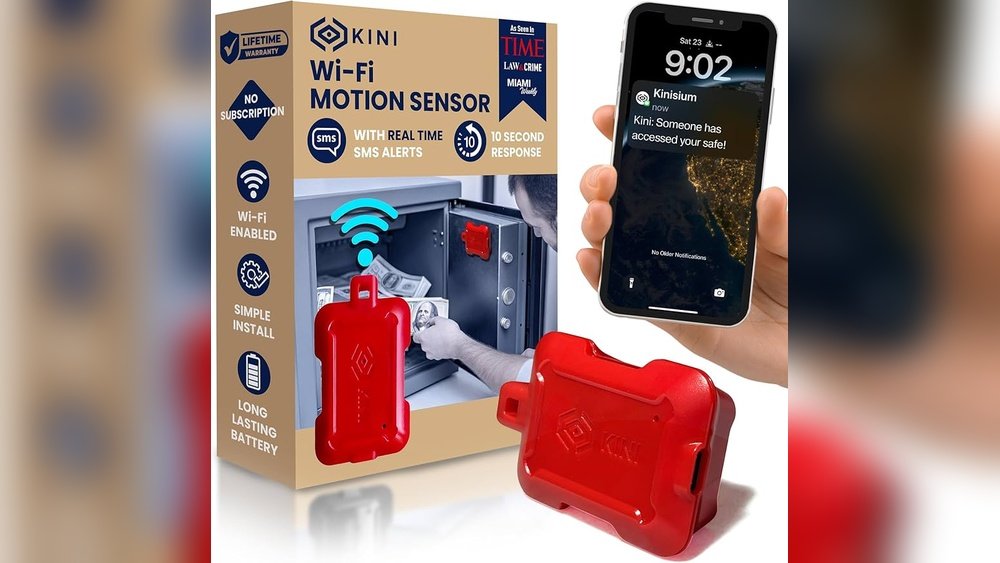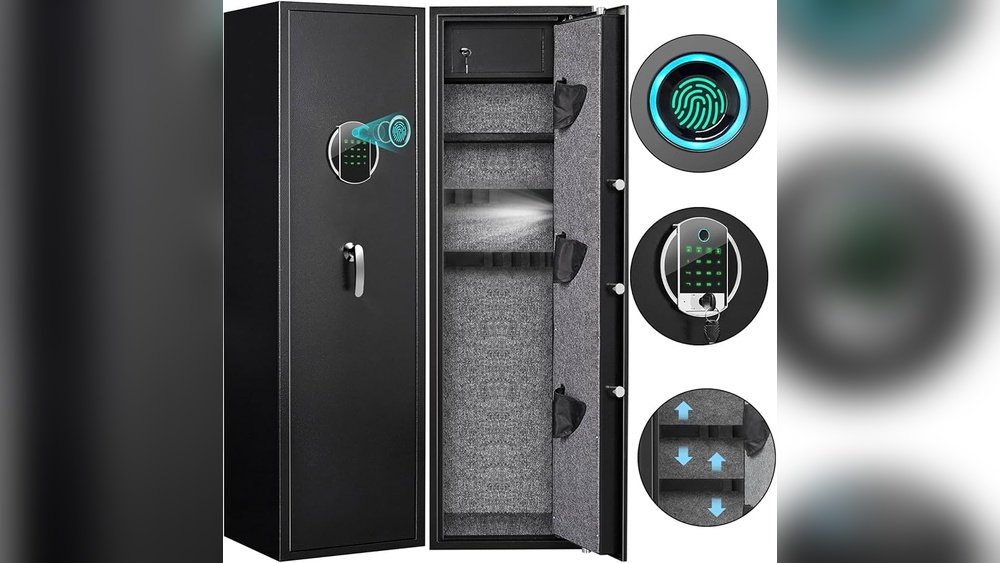
You rely on your rifle safe to keep your firearms secure and protected. But have you ever stopped to think about the battery life of your vibration sensor?
Knowing how long these batteries last can save you from unexpected failures and keep your valuables safe. You’ll discover exactly how long you can expect your vibration sensor batteries to last, what factors affect their lifespan, and simple tips to make them go even further.
Keep reading to make sure your rifle safe is always ready when you need it most.
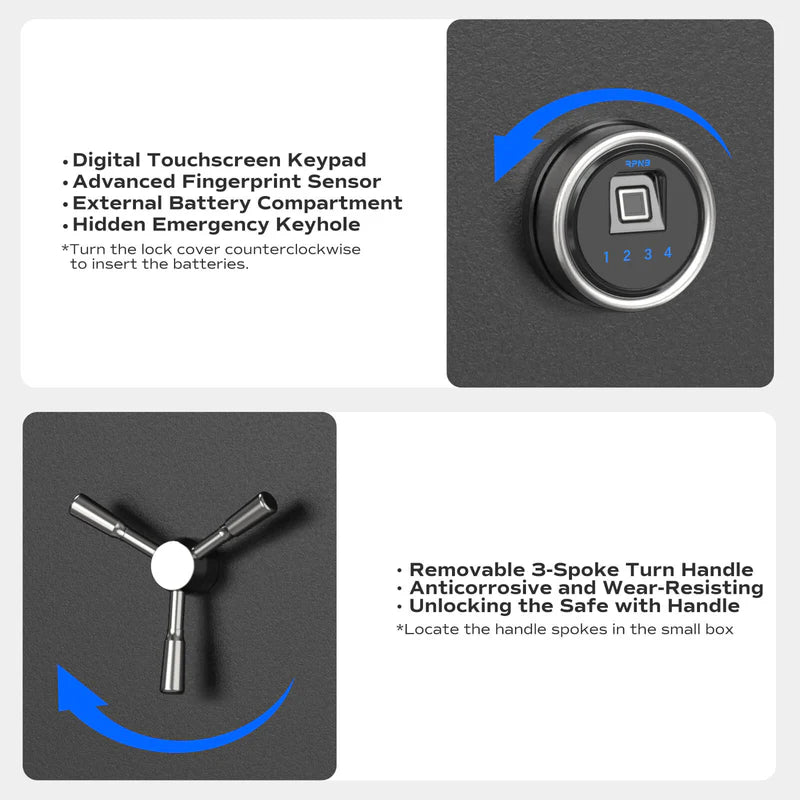
Battery Types For Vibration Sensors
Vibration sensors on rifle safes need reliable batteries to work well. These sensors alert you if someone tries to move or tamper with the safe. Choosing the right battery type helps keep the sensor active and ready. Different batteries offer different lifespans and power levels. Knowing these options helps you pick the best battery for your needs.
Common Battery Models
Most vibration sensors use small batteries. Common types include AA, AAA, CR2032, and 9V batteries. CR2032 is a popular coin cell battery. It fits well in compact sensors and lasts several months. AA and AAA batteries offer more power and last longer. 9V batteries are less common but provide strong voltage. The choice depends on your sensor design and power needs.
Rechargeable Vs. Disposable
Disposable batteries are easy to replace and cheap. They work well for sensors with low energy needs. Rechargeable batteries save money over time. They reduce waste and environmental impact. Rechargeables need a charger and may have a shorter run time per charge. Disposable batteries often last longer before replacement. Both types have pros and cons for vibration sensors. Your choice depends on convenience and usage frequency.
Average Battery Lifespan
Understanding the average battery lifespan of vibration sensors in rifle safes helps with maintenance and reliability. These sensors alert you to any unauthorized movement or tampering. Knowing how long the batteries last can prevent unexpected failures and keep your safe secure.
Typical Duration In Rifle Safes
Most vibration sensor batteries last between 6 months to 1 year. This depends on the sensor type and usage frequency. Sensors that detect constant movement use more power. If the safe is rarely moved, batteries can last longer.
Factors Impacting Battery Life
Battery life changes with sensor sensitivity and alert frequency. Higher sensitivity means the sensor activates more, draining the battery faster. Temperature also affects battery performance. Cold environments reduce battery efficiency. Using high-quality batteries helps extend life. Frequent testing or false alarms reduce battery duration too.
Power Consumption Patterns
Understanding power consumption patterns helps explain how long vibration sensor batteries last on rifle safes. These sensors do not use power constantly. Instead, their energy use changes based on sensor activity and mode. Knowing these patterns can help users manage battery life better.
Sensor Activity And Usage
Vibration sensors use more power when they detect movement. Each time the sensor senses a shake or vibration, it wakes up and sends a signal. This action uses more battery power compared to when it is quiet. Frequent movement near the safe shortens battery life. Sensors in busy environments may need battery changes more often.
Standby Vs. Active Modes
Most vibration sensors have two modes: standby and active. In standby mode, the sensor uses very little power while waiting for vibrations. This low power use helps the battery last longer. When the sensor detects a vibration, it switches to active mode. Active mode consumes more power to send alerts or record data. The balance between these two modes affects overall battery life.
Signs Of Battery Wear
Batteries in vibration sensors on rifle safes do not last forever. Over time, their power decreases, affecting the sensor’s performance. Recognizing early signs of battery wear helps maintain your safe’s security. It also prevents unexpected failures.
Reduced Sensitivity
One clear sign of battery wear is reduced sensor sensitivity. The sensor may not react to small vibrations. It might miss light knocks or soft bumps. This drop in sensitivity means the battery is losing power. The sensor cannot detect threats as well as before.
Warning Alerts
Many vibration sensors have built-in alerts for low battery. These alerts notify you with sounds or lights. If your sensor starts giving warning signals, check the battery soon. Ignoring alerts can lead to sensor failure. Timely battery replacement keeps your safe secure.
Extending Battery Life
Extending the battery life of vibration sensors on rifle safes saves money and hassle. Long-lasting batteries keep your safe secure without frequent changes. Small steps can make a big difference in battery performance and duration.
Optimizing Sensor Settings
Adjust the sensor sensitivity to a moderate level. Too high sensitivity causes more battery use. Set the sensor to alert only for strong vibrations. Turn off extra features that are not needed. Use sleep mode if available to save power.
Maintenance Tips
Clean the sensor regularly to prevent false alarms. Remove dust and dirt from the sensor surface. Check battery contacts for corrosion or dirt. Replace batteries before they are completely drained. Store the safe in a cool, dry place to protect battery life.

Battery Replacement Tips
Replacing the battery in your vibration sensor is important for safety. The sensor stops working if the battery dies. This section gives simple tips for changing batteries safely and correctly.
Safe Replacement Procedures
Turn off the rifle safe before starting. Open the battery compartment carefully. Use the correct battery type as shown in the manual. Avoid mixing old and new batteries. Insert the new battery with the right side up. Close the compartment firmly to keep it secure. Test the sensor to confirm it works after replacement.
Disposing Of Old Batteries
Do not throw old batteries in the trash. They contain harmful chemicals that can leak. Take used batteries to a recycling center. Many stores have battery drop-off points. Keep old batteries in a safe place until disposal. Handle them carefully to avoid leaks or damage.
Alternative Power Solutions
Relying solely on standard batteries for vibration sensors in rifle safes may not always be practical. Alternative power solutions help maintain sensor functionality without frequent battery changes. These options provide more stable and longer-lasting power for your safety devices.
External Power Options
Some rifle safes allow connection to external power sources. This setup reduces battery use and keeps sensors active longer. Power adapters plug directly into the safe and supply constant energy. This method lowers maintenance and prevents sudden sensor failures.
External power helps avoid interruptions caused by battery drain. It is a reliable choice for those who want consistent sensor performance. You can often find compatible adapters designed for specific safe models.
Solar And Backup Batteries
Solar panels offer a clean way to power vibration sensors. They gather sunlight and convert it to electricity. This energy can charge backup batteries inside the safe. The backup batteries then power the sensors at night or during low light.
Backup batteries provide extra security by kicking in during power loss. This dual system ensures sensors keep working without interruption. Solar power combined with backup batteries reduces the need for frequent replacements.

Frequently Asked Questions
How Long Do Vibration Sensor Batteries Typically Last?
Vibration sensor batteries on rifle safes usually last between 1 to 2 years. Battery life depends on sensor usage and quality. Frequent alerts or vibrations may drain batteries faster. Using high-quality batteries can extend their lifespan significantly.
What Factors Affect Vibration Sensor Battery Life?
Battery life depends on sensor sensitivity, alert frequency, and battery type. Environmental conditions like temperature also impact longevity. Regular maintenance and turning off sensors when not needed help conserve battery life.
How Can I Extend My Vibration Sensor Battery Life?
To extend battery life, reduce sensor sensitivity and limit unnecessary alerts. Use premium batteries and check for firmware updates. Regularly clean sensors to ensure efficient operation and avoid false alarms.
When Should I Replace Vibration Sensor Batteries On Rifle Safes?
Replace batteries when sensor alerts become weak or inconsistent. A sudden drop in sensitivity or frequent false alarms also signals battery replacement. Regular checks every 12 months help maintain sensor reliability.
Conclusion
Vibration sensor batteries on rifle safes usually last about one to two years. Battery life depends on how often the sensor triggers. Frequent alerts may drain the battery faster. Always check the battery regularly to avoid surprises. Replacing batteries is simple and keeps your safe secure.
Choose quality batteries for longer performance. Remember, a working sensor helps protect your firearms. Stay safe and keep your sensor in good shape.