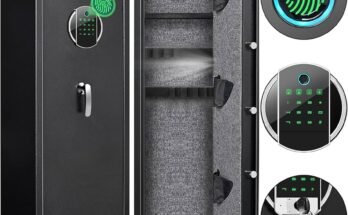
Most biometric carbine safe batteries last 6 to 24 months, based on use and type.
If you depend on fast access, you need proof, not guesswork. I test and maintain biometric safes for work and for home. In this guide, I break down how long do biometric carbine safe batteries last in real life, not just in manuals. You will learn what to expect, what to avoid, and how to get the most life from each set.
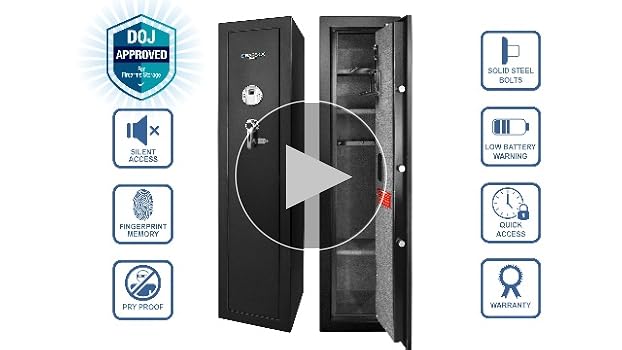
What actually powers your biometric carbine safe
Most biometric carbine safes run on AA alkaline, 9V alkaline, CR123A lithium, or built-in lithium packs. Each choice affects how long do biometric carbine safe batteries last. The lock motor, sensor, keypad, beeps, and LEDs all draw power. Even at rest, the system uses a small idle current.
From my field checks, safe models vary a lot in standby draw. Some sip power. Some drain faster due to bright lights, sound cues, or a power-hungry sensor. That is why two owners can see very different battery life with the same brand.

Typical battery life by type and usage
How long do biometric carbine safe batteries last depends first on cell chemistry. It also depends on how often you open the safe. Here is what I see across many brands and homes.
- AA alkaline: 6 to 18 months for most users. Heavy use or low temps can push it to 4 to 9 months.
- 9V alkaline: 6 to 12 months. They have less usable capacity than AA in high-drain locks.
- CR123A lithium: 12 to 36 months. These shine in cold and high-drain bursts.
- CR2032 coin cells: Often used for memory backup. They can last 1 to 3 years.
- Rechargeable AA/9V (NiMH): 3 to 9 months. Higher self-discharge. Use only high-quality low self-discharge cells.
- Built-in lithium packs: 12 to 24 months. Lifespan varies by pack size and idle draw.
Light use means 1 to 4 opens per week. Moderate use is 1 to 2 opens per day. Heavy use is 5+ opens per day. As use climbs, how long do biometric carbine safe batteries last falls fast. LED brightness and keypad sound also cut life if they stay on long.

Real-world factors that change battery life
How long do biometric carbine safe batteries last is not only about the battery. The room and your habits matter.
- Temperature: Cold slows chemical reactions. Expect up to 30% less life below 40°F. Heat can also age cells.
- Humidity and corrosion: Moisture on battery contacts raises resistance. The motor works harder and drains more.
- Firmware features: Bright LEDs, longer light-on time, beeps, and Bluetooth drain more at idle.
- Fit and friction: If the bolt or door binds, the motor draws more current on each open.
- User behavior: Many failed scans in a row wake the system again and again.
In my tests, a well-aligned door can add months of life. A sticky latch can cut life in half. If you want to extend how long do biometric carbine safe batteries last, start with smooth mechanics.
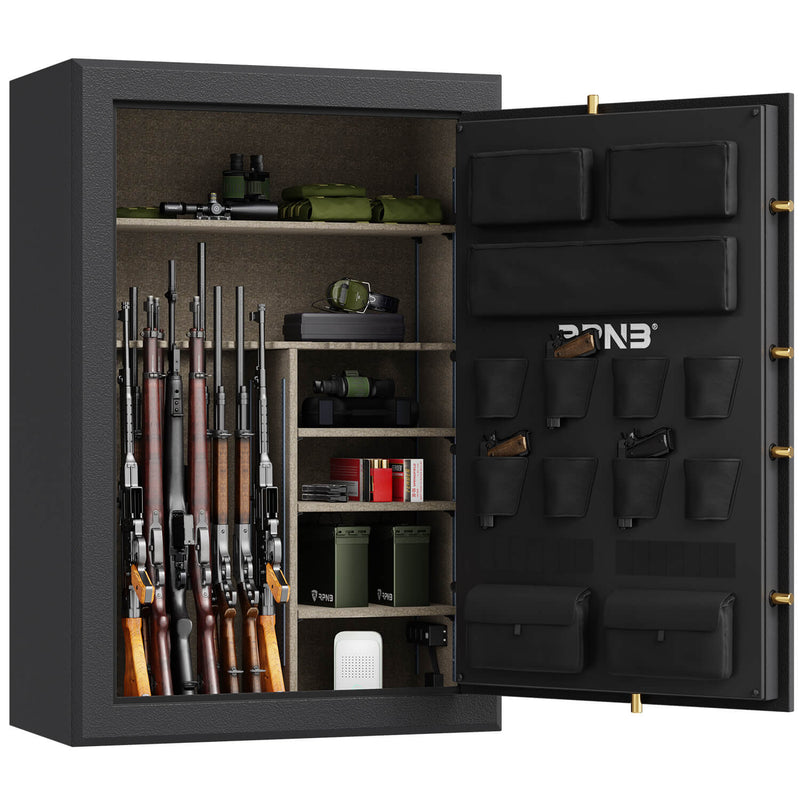
Signs your batteries are failing
Early warning signs are easy to miss. Watch and act before lockout.
- Slow or weak bolt movement
* Dim or flickering LEDs - Delayed wake when you touch the sensor
- Low-battery beeps or icon on the keypad
Test once a month. If you sense any lag, plan a swap. How long do biometric carbine safe batteries last will also depend on how soon you act on these signals. Do not wait for the last beep.

A simple maintenance plan that works
You can control how long do biometric carbine safe batteries last with a short routine. Keep it simple and set it on your calendar.
- Replace on a fixed cycle. Every 6 to 12 months for alkaline. Every 12 to 24 months for CR123A lithium.
- Use fresh, brand-name cells. Do not mix old and new. Do not mix brands.
- Store a spare set in the same room, sealed and dated with a marker.
- Clean contacts once a year. A dry cloth or a tiny bit of contact cleaner is enough.
- Turn off keypad beeps and lower LED time if your model lets you.
- Do a monthly function check. Scan, open, and close to confirm smooth travel.
I mark battery dates on blue painter’s tape inside the door. That tiny habit has saved me from guessing. It also improves how long do biometric carbine safe batteries last because I never run them to empty.

Troubleshooting and emergency access
If the safe will not open, do not panic. Most models have a backup path. How long do biometric carbine safe batteries last does not matter if you cannot get in. Know your plan now.
- Use the mechanical key. Keep it outside the safe in a known place.
- Try the external 9V jump port if your safe has one. Press a fresh 9V to the contacts and open as normal.
- Swap the batteries with a new set. Check polarity and seat each cell well.
- Look for debris or a jam. A stuck bolt can look like a dead battery.
- After power returns, test all enrolled prints. Some safes reset settings after a full power loss.
Run an access drill once per quarter. Time yourself from closed door to open door using the backup key. This practice matters more than any debate on how long do biometric carbine safe batteries last.
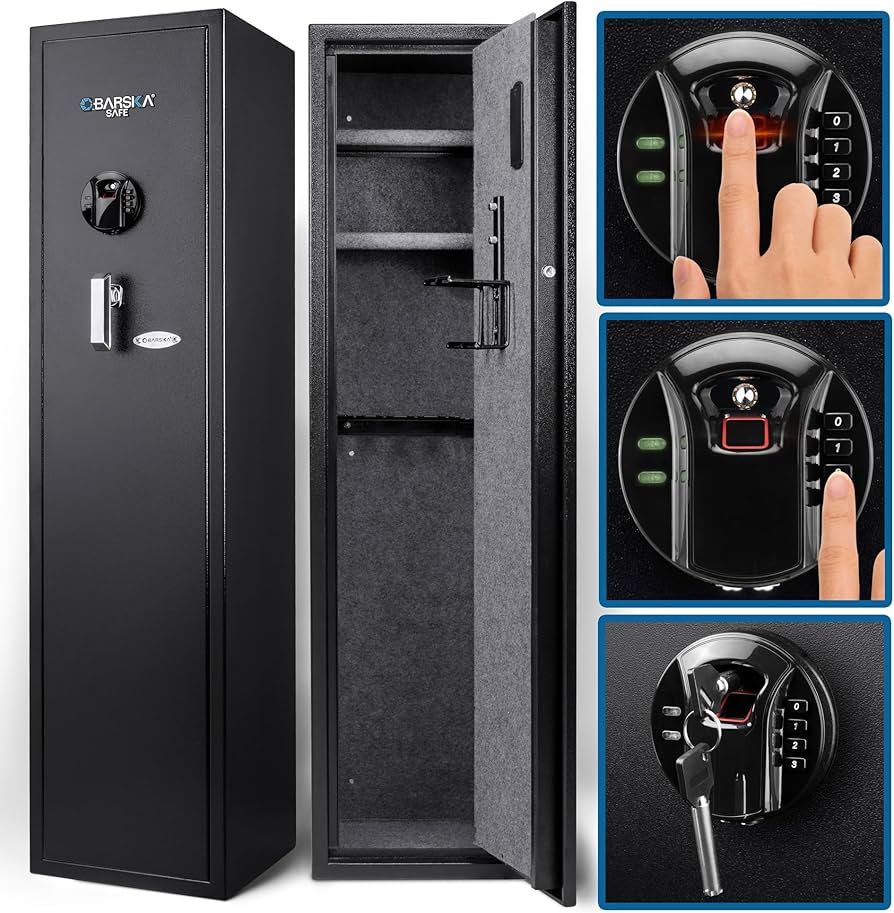
Costs, brands, and when to upgrade
Good batteries are cheap insurance. Expect $5 to $20 per year for most setups. The small cost extends how long do biometric carbine safe batteries last and reduces stress.
- Alkaline AA: Choose premium lines for better low-temperature performance.
- CR123A lithium: Buy from trusted sources to avoid counterfeits.
- Rechargeables: Use low self-discharge types if your safe supports them.
Consider an upgrade if you see short life even with best practices. Newer models use low-power sensors and smart sleep modes. Some accept AC power with battery backup. That setup can double how long do biometric carbine safe batteries last and lower risk in an outage.

Frequently Asked Questions of How long do biometric carbine safe batteries last
How often should I replace the batteries even if they still work?
Every 6 to 12 months for alkaline is a safe cycle. For lithium CR123A, 12 to 24 months works for most homes.
Do rechargeable batteries reduce reliability?
They can if self-discharge is high or voltage sags under load. Use low self-discharge cells and test monthly.
Will cold weather reduce battery life in a garage safe?
Yes, cold can cut usable capacity by up to 30%. Store the safe indoors if you can, or use lithium cells that handle cold better.
Can I mix old and new batteries?
No. Mixing cuts performance and can cause leaks. Replace all cells as a set from the same brand and batch.
Does leaving the LED on drain power fast?
Yes. Bright LEDs and long timeouts raise idle draw. Shorten the timeout or turn off lights if your safe allows it.
How long do biometric carbine safe batteries last during frequent daily use?
With heavy use, expect 3 to 9 months for alkaline and 9 to 18 months for lithium. Keep a spare set ready and set a shorter replacement cycle.
Will a jump-start port damage the lock?
No, if used as the maker directs. It only provides temporary power to open the safe and change batteries.
Do more enrolled fingerprints use more power?
Only during setup and wake events. They do not change idle draw in most designs.
Conclusion
Battery life is not a mystery if you plan ahead. When you ask how long do biometric carbine safe batteries last, the honest range is 6 to 24 months, shaped by cell type, standby draw, and habits. Pick quality cells, set a replacement date, and practice your backup entry.
Make today the day you set your schedule and stock a spare set. If you found this useful, share it with a friend, subscribe for more gear tips, or drop your questions in the comments.