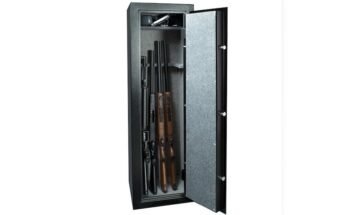
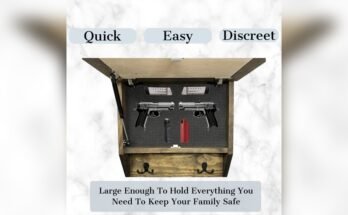
When you’re thinking about protecting your valuable rifles, one question probably comes to mind: How heavy is a rifle safe? The weight of your safe isn’t just a number—it affects where you can place it, how easy it is to move, and how secure your firearms really are.
Understanding this can help you make the best choice for your home and peace of mind. Keep reading, and you’ll discover the key facts about rifle safe weights that can save you time, money, and stress.

Factors Influencing Rifle Safe Weight
The weight of a rifle safe depends on several important factors. These factors affect how heavy the safe is and how secure it can be. Understanding these elements helps to choose the right safe for your needs. Below are key points that influence the weight of a rifle safe.
Material Types
The material used for the safe’s body plays a big role in its weight. Steel is the most common material. Thick steel walls make the safe heavier and stronger. Some safes include composite materials to add protection. These materials can increase weight but improve safety. Lighter metals reduce weight but may lower security.
Size And Capacity
Bigger safes weigh more because they hold more rifles and gear. The height, width, and depth all add to the total weight. Safes with more shelves or compartments also weigh more. A compact safe can be lighter and easier to move. Larger safes provide better storage but require more effort to install.
Locking Mechanisms
The type of lock affects weight too. Mechanical locks often weigh less than electronic locks. Digital keypads, biometric scanners, and other tech add extra parts. These parts increase the overall weight of the safe. Heavy-duty locking bolts also add significant weight. Strong locks improve security but add bulk.
Additional Features
Extra features like fireproof insulation add to the weight. Some safes have internal lighting or dehumidifiers, which add small weight amounts. Reinforced doors and thicker walls increase total mass. Anchor kits or bolt-down hardware also add weight. These features improve function but make the safe heavier.
Typical Weight Ranges For Rifle Safes
Rifle safes come in many sizes, and their weight changes with size and features. Understanding typical weight ranges helps in choosing the right safe for your needs. Weight affects moving, installation, and security. Here is a breakdown of common weight ranges for small, medium, and large rifle safes.
Small Rifle Safes
Small rifle safes usually hold 1 to 5 guns. They weigh between 100 and 300 pounds. These safes are easier to move and fit in tight spaces. Despite being lighter, they still offer good protection for a few rifles.
Medium Rifle Safes
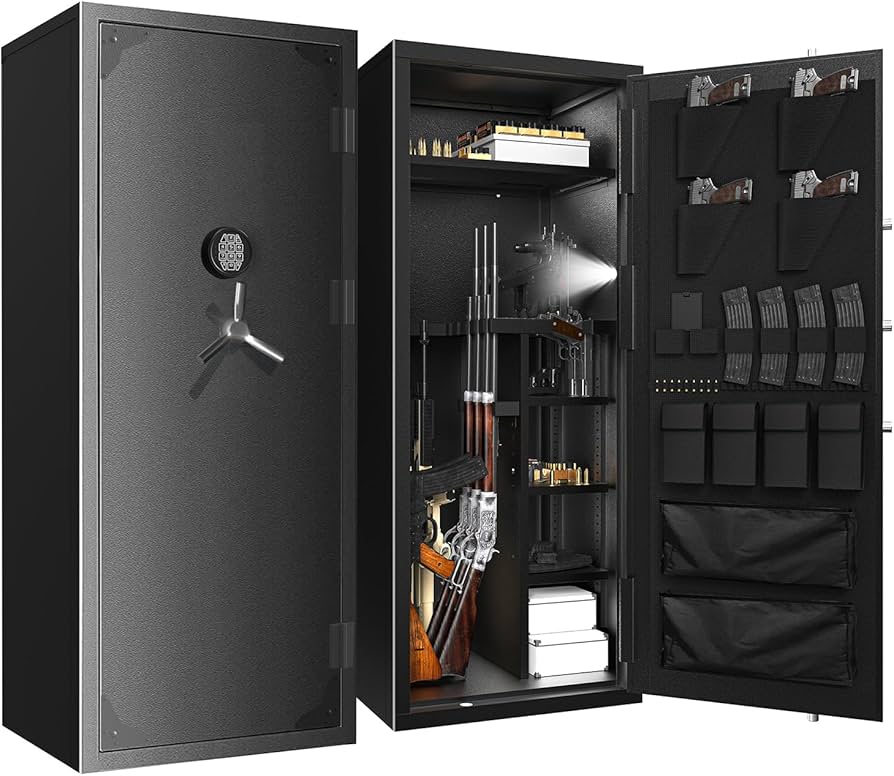
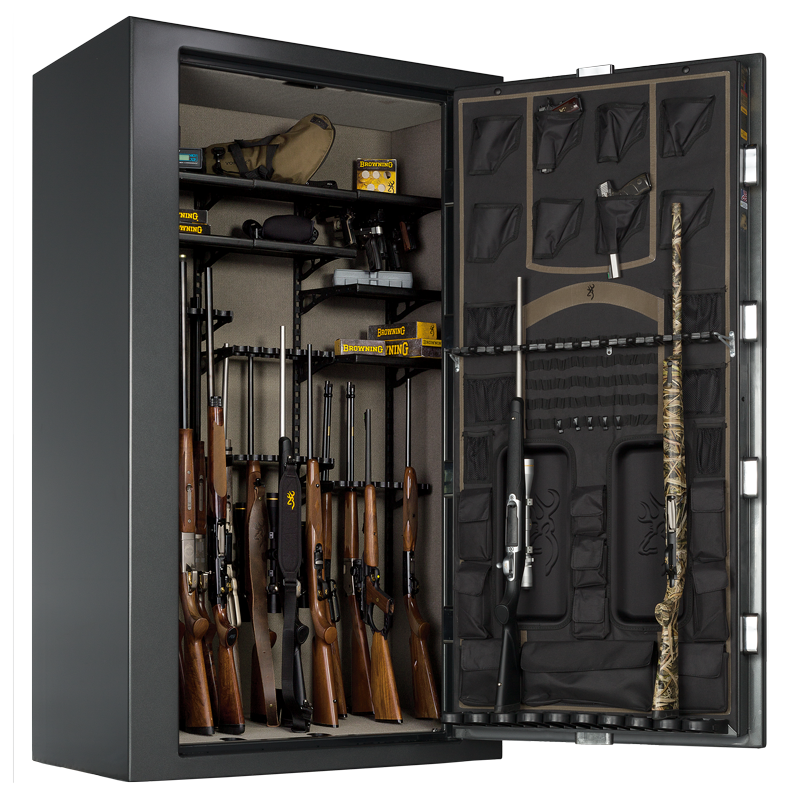
Medium rifle safes can store 6 to 15 rifles. Their weight ranges from 300 to 700 pounds. These safes balance capacity and portability. They are heavier and more secure than small safes but still manageable for most homes.
Large Rifle Safes
Large rifle safes hold over 15 rifles and other valuables. They weigh between 700 and 1500 pounds or more. These safes provide the highest security and space. They need strong floors and professional installation due to their heavy weight.
Weight Considerations For Home Security
Choosing the right rifle safe means thinking about its weight. The weight affects how secure the safe is and how easy it is to move. A heavy safe can stop thieves from stealing your guns. But a very heavy safe might be hard to install or move in your home.
Understanding these weight factors helps you pick the best safe for your needs. You balance security with practical use. The safe’s weight also connects to where and how you set it up in your house.
Portability Vs. Security
Light safes are easy to carry and move. You can change their place as needed. But light safes are easier to steal or break into. Heavy safes are hard to lift or move. This makes them safer from theft. The best safes find a good balance between weight and safety.
Installation Requirements
Heavy rifle safes may need special tools or help to install. Some require bolts to fix them to the floor or wall. Proper installation keeps the safe stable and secure. Light safes usually need less effort to set up. But they still need a good spot to keep your guns safe.
Floor And Wall Support
Check if your floor can hold a heavy safe. Some floors may crack or bend under too much weight. You might need to place the safe on a strong base or in a basement. Walls can also support safes if bolted properly. Always match the safe’s weight with your home’s structure for safety.
Choosing The Right Weight For Your Needs
Choosing the right weight for your rifle safe is important. Weight affects security, ease of use, and where you can place the safe. Finding the right balance helps protect your guns while fitting your needs.
Balancing Weight And Accessibility
Heavier safes offer better protection against theft. They are hard to move or steal. But very heavy safes can be hard to open quickly. Lighter safes are easier to access. They may not provide the same level of security. Choose a weight that keeps your guns safe but lets you reach them fast.
Transport And Relocation
Consider how often you move the safe. Heavy safes are difficult to transport. They may need special equipment to move. If you plan to relocate often, a lighter safe is better. It will save time and effort. Think about your living situation and future moves.
Budget And Weight Correlation
Heavier safes usually cost more. They use thicker steel and stronger locks. Lighter safes are often cheaper but less secure. Decide how much you want to spend. Match your budget with the weight that fits your security needs. Balance cost and protection carefully.
Tips To Manage And Move Heavy Rifle Safes
Rifle safes can be very heavy. Moving them requires careful planning. These tips will help you manage and move heavy rifle safes safely and easily. Follow simple steps to protect yourself and your property.
Planning the move ahead saves time and prevents damage. Use the right tools and know when to call for help.
Using Professional Movers
Professional movers have experience with heavy and bulky items. They know how to handle rifle safes safely. Hiring experts reduces the risk of injury and damage. They bring the right equipment and skills for the job. This option is best for very heavy or large safes.
Safety Precautions
Always wear sturdy gloves to protect your hands. Use back braces to avoid injury. Clear the path to avoid tripping hazards. Never try to move the safe alone. Communicate clearly with helpers. Take breaks to avoid exhaustion. Lift with your legs, not your back.
Tools And Equipment
Use dollies or hand trucks made for heavy loads. Secure the safe with straps to prevent slipping. Moving blankets protect walls and floors. Ramps help with stairs or uneven surfaces. Floor sliders make moving on smooth floors easier. Prepare all tools before starting the move.
Frequently Asked Questions
How Heavy Is An Average Rifle Safe?
An average rifle safe weighs between 200 to 500 pounds. Weight depends on size, materials, and security features. Heavier safes offer better protection against theft and fire. Consider your needs when choosing the right weight for your rifle safe.
What Affects The Weight Of A Rifle Safe?
Material thickness, size, and locking mechanisms mainly affect rifle safe weight. Steel safes are heavier than composite ones. Additional fireproof insulation and security layers also increase weight. These factors ensure safety and durability but impact portability.
Why Does Safe Weight Matter For Rifles?
Safe weight matters because heavier safes resist theft and break-ins better. A heavy safe is harder to move or steal. It also usually provides enhanced fire protection. Weight contributes to overall security, making it a key factor in safe selection.
Can A Lightweight Rifle Safe Be Secure?
Lightweight rifle safes can offer basic protection but are less secure. They are easier to move or break into. For high-value firearms, heavier safes with thicker steel are recommended. Security level should match the value of your firearms.
Conclusion
Rifle safes vary widely in weight, from light to very heavy. Weight depends on size, material, and security features. Heavier safes offer better protection but can be harder to move. Lighter safes are easier to handle but may not be as secure.
Think about your needs before choosing a safe. Consider where you will place it and how often you might move it. Understanding rifle safe weight helps you pick the right one. Safety and convenience should both matter. Choose wisely to keep your firearms secure and accessible.