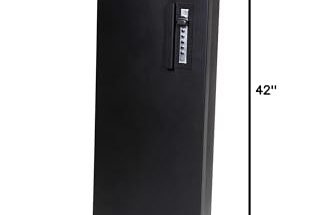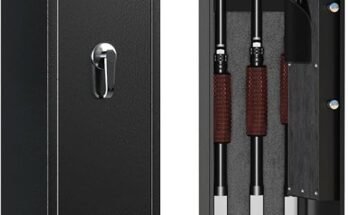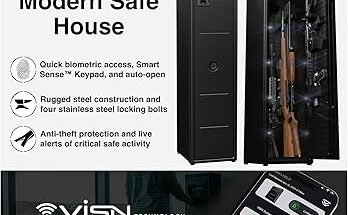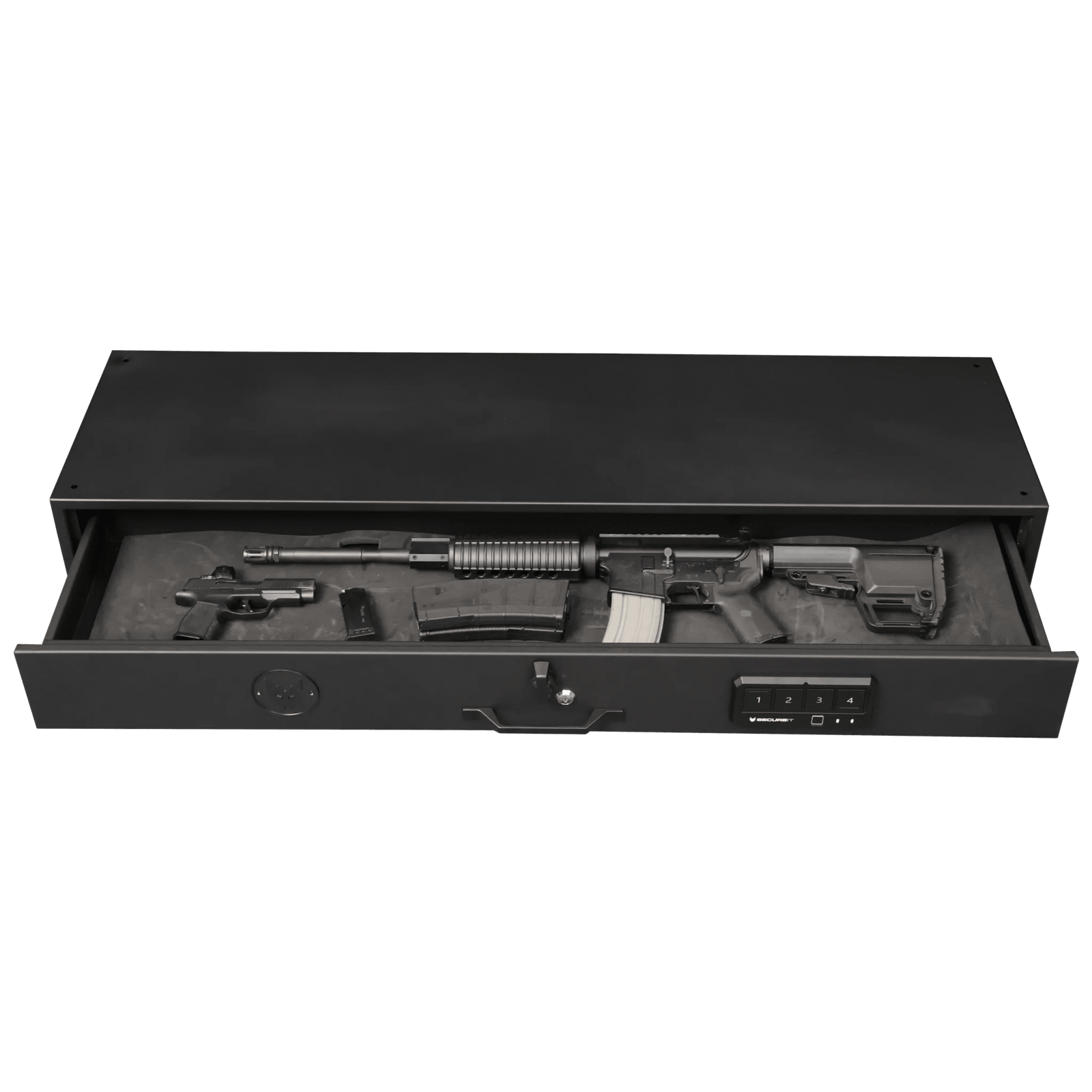
Most quick access carbine safes open in 0.3 to 2 seconds, depending on model.
If you rely on a locked carbine for home defense, speed matters as much as security. I’ve tested and timed a range of models in real homes and training spaces. In this guide, I break down how fast can a quick access carbine safe open under real conditions, what affects that speed, and how to set yours up for fast, consistent access without sacrificing safety. Expect clear numbers, field-tested tips, and practical steps you can use today.
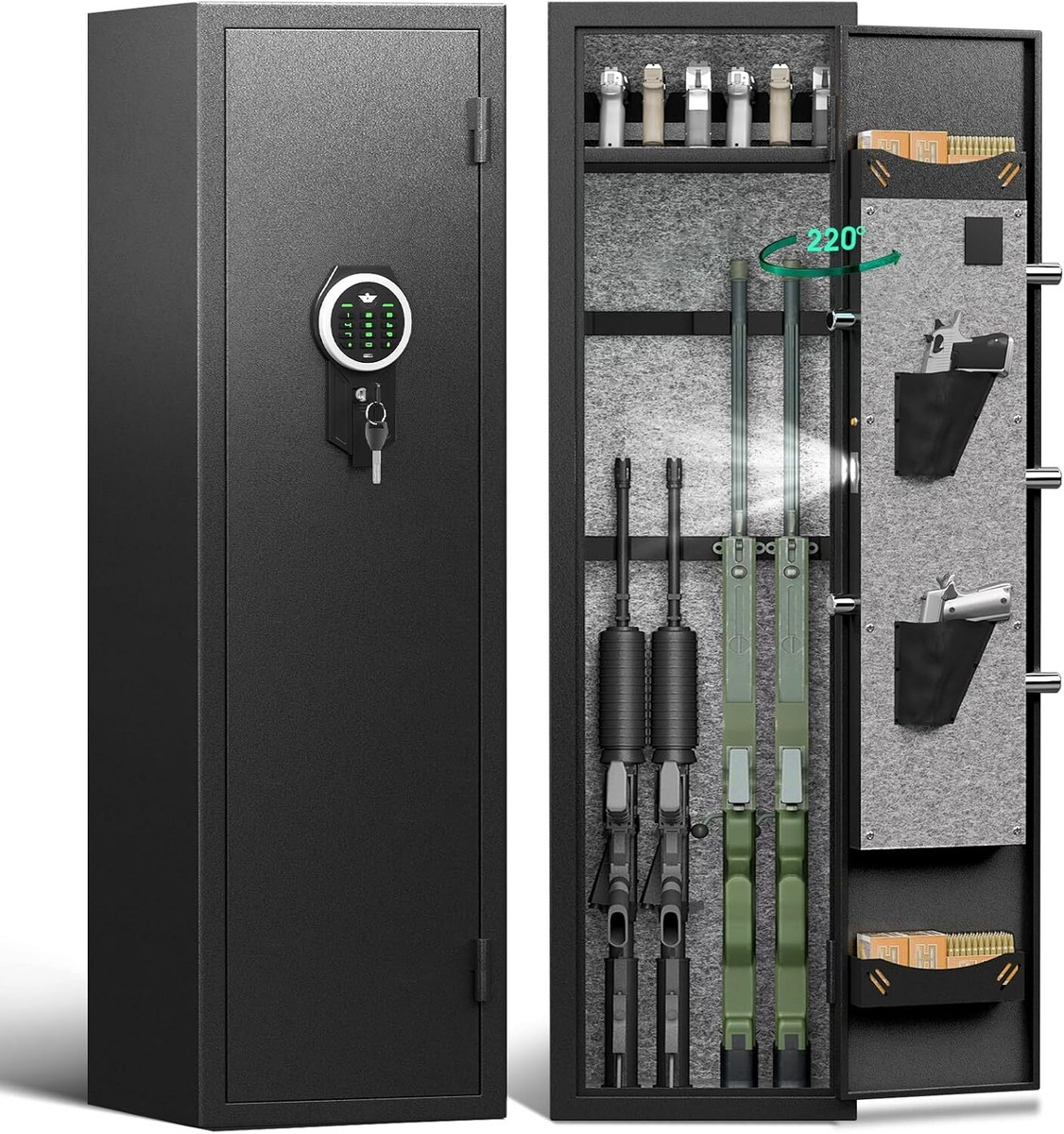
What actually determines opening speed
Opening speed is a chain, not a single event. The clock starts the moment you initiate the unlock and ends when the door clears and you can grab the carbine. Small delays add up. Understanding each link helps you choose better and train smarter.
Key factors that affect speed:
- Authentication type Fingerprint, RFID, keypad, or mechanical combo each has a different latency.
- Electronics and motor design Quality sensors, fast microcontrollers, and strong motors reduce wait time.
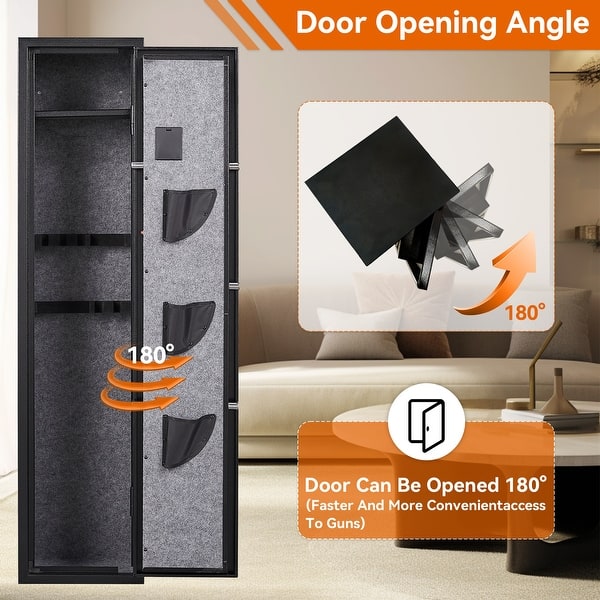
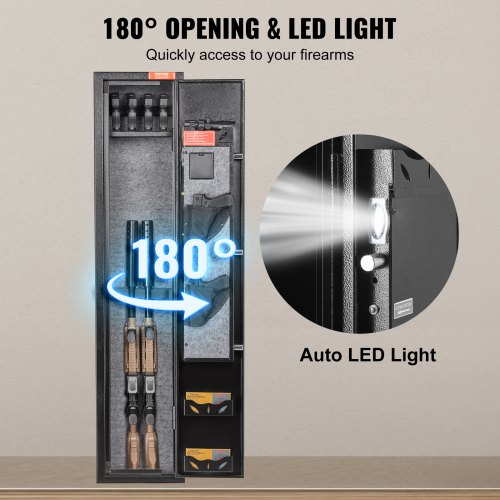
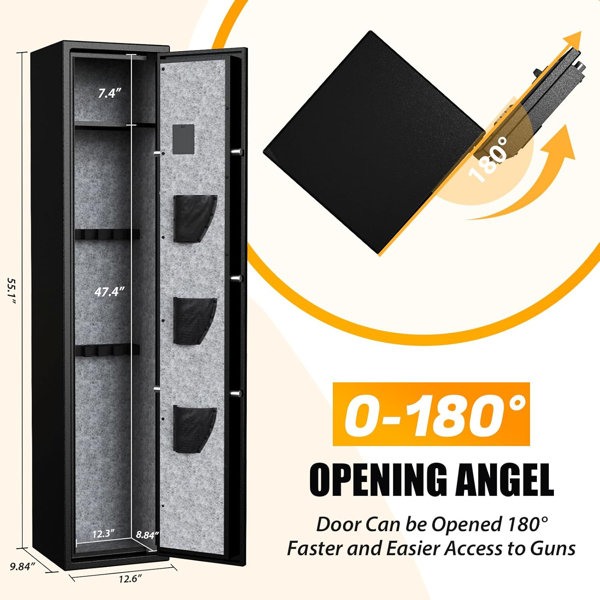
- Door mechanics Gas struts, spring assist, and door angle affect how fast the door clears.
- Power and firmware Fresh batteries and smart firmware keep response times tight.
- Mounting and environment Vertical vs horizontal mount, humidity, dust, and cold all change performance.
- User technique Finger placement, code length, and practice make a big difference.
During testing, I time from the first touch to the moment the door is fully clear. Then I also measure the time to shoulder the carbine, since that is what counts in real life. When readers ask how fast can a quick access carbine safe open, I always add, “and how fast can you retrieve and present the rifle?” Both matter.
Typical speeds by lock type
Not all “quick access” systems are equal. Below are realistic windows I have measured or verified against reliable manufacturer data and independent testing.
Biometric fingerprint
- Typical door release time 0.3 to 1.2 seconds on higher-end sensors; 1.5 to 3 seconds on budget units.
- Notes Sensor cleanliness and finger technique matter. Good units learn with each read and improve over time.
- Pros Hands-only operation, silent mode possible.
- Cons Cold, wet, or dirty fingers may cause retries, adding time.
RFID or NFC tag/card
- Typical door release time 0.2 to 0.8 seconds when the tag is presented cleanly.
- Notes Fastest consistent unlock when the tag is staged well, like a wristband or sticker on a phone case.
- Pros Very fast and simple under stress.
- Cons Token management is a risk. Lose it, and you must have a backup method.
Electronic keypad
- Typical door release time 0.7 to 2.5 seconds, depending on digits and lock logic.
- Notes Shorter codes are faster but may lower security. Backlit, tactile keys speed up entry in the dark.
- Pros Works in any weather on any finger.
- Cons Entry fumbles add time under stress.
Mechanical Simplex-style pushbutton
- Typical door release time 0.5 to 1.2 seconds with practice; 1.5 to 2.5 seconds for new users.
- Notes No batteries. Muscle memory is very strong once dialed in.
- Pros Reliable, simple, quiet.
- Cons Limited code space compared to electronic systems.
Phone apps and Bluetooth
- Typical door release time 1.0 to 3.0 seconds or more. Latency varies.
- Notes Fine for admin use. Not my choice for urgent access.
Across these types, door motion adds 0.1 to 0.5 seconds. Larger, heavier doors take longer to clear. Gas struts that snap the door open save precious time. When folks ask how fast can a quick access carbine safe open, my follow-up is to pick a system that matches your habits and the environment you live in.

Real-world timings and how to test yours
I use a shot timer and a simple script:
- Stage the safe as you keep it day to day.
- Start from a normal ready position, hands at sides.
- On the beep, unlock the safe.
- Record two metrics Beep-to-door-clear and beep-to-shouldered-carbine.
Typical results from mixed brands I’ve tested in homes and training spaces:
- RFID, door clear 0.3 to 0.7 seconds. Shouldered carbine 1.5 to 2.7 seconds.
- High-quality biometric, door clear 0.4 to 1.0 seconds. Shouldered carbine 1.7 to 3.0 seconds.
- Keypad, door clear 1.0 to 2.2 seconds. Shouldered carbine 2.2 to 3.8 seconds.
- Simplex, door clear 0.6 to 1.4 seconds. Shouldered carbine 1.9 to 3.2 seconds.
Your placement matters more than you think. Waist-to-chest height reduces fumbles. A clear path to your ready position can cut over a second. If you wonder how fast can a quick access carbine safe open in your own setup, time it with a phone timer or a training partner and write the numbers down.
Speed vs reliability, and how to keep it fast
Speed without reliability is a liability. I have seen fast biometrics slow to a crawl when batteries sag in cold weather. I have also seen flawless Simplex locks stay quick for years with zero power worries.
Keep your safe fast and dependable:
- Power Rotate fresh batteries on a schedule, twice a year. Use high-quality cells.
- Sensor care Wipe the fingerprint reader with a microfiber cloth. Re-enroll prints seasonally.
- Door mechanics Lubricate hinges lightly. Check that gas struts still snap open.
- Firmware If your safe allows updates, keep it current.
- Redundancy Keep a second access method available and tested.
Independent testing shows that high-quality sensors and strong motors reduce latency and failure-to-open rates. But even the best hardware needs care. People often ask how fast can a quick access carbine safe open when brand new; the real question is how fast it stays after a winter in the garage or a summer in a humid room.

Safety, standards, and what “quick access” should still mean
Quick access should never mean easy access for the wrong hands. Look for recognized benchmarks:
- California DOJ firearm safety compliance Helps confirm basic construction and lock standards.
- ASTM youth-resistant standards Such as ASTM F2456, aimed at tamper resistance.
- RSC classifications Residential Security Container ratings indicate resistance to forced entry.
Anchoring matters. A fast, light safe that can be carried off is not security. Mount to studs or concrete with proper hardware. Use tamper alerts if available. When the debate is how fast can a quick access carbine safe open, remember speed must live alongside real security and responsible storage.
Buying guide What to look for if speed is your priority
Use these checkpoints when shopping or upgrading:
- Lock technology Match to your environment. RFID or Simplex for cold garages. Biometric or keypad for indoor, climate-controlled rooms.
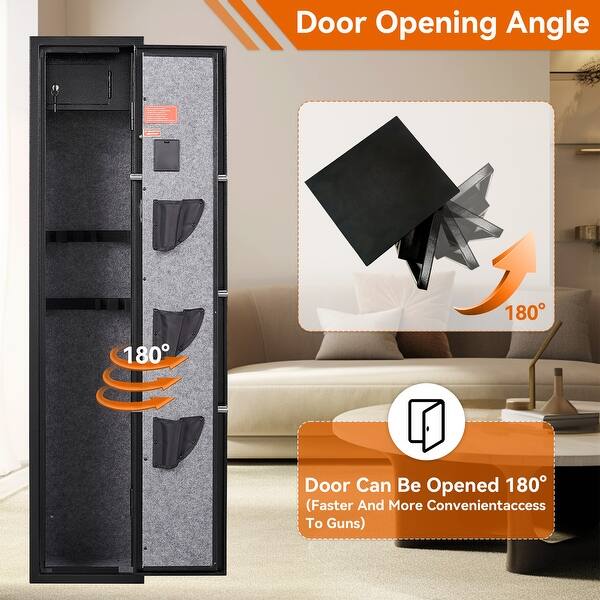
- Door action Favor gas struts or spring assist. Test door clearance with the carbine, sling, and optic mounted.
- Ergonomics Choose a large release area, backlit keys, and bright interior lighting.
- Mounting and size Ensure the muzzle clears the door without snagging. Vertical mount speeds retrieval.
- Quiet mode Silencing beeps prevents telegraphing your actions.
If you are still weighing how fast can a quick access carbine safe open, ask the seller for a live demo. Time it. Then time your own draw with your rifle, not a display stick.

Setup and training Tips that shave seconds
Small tweaks shorten your timeline a lot:
- Placement Waist-to-chest height. Clear the front by at least an arm’s length.
- Fingerprint enrollment Enroll the same finger at several angles. Practice with cold hands and gloves if allowed.
- Keypad codes Use a code you can enter by feel. Avoid long patterns that collapse under stress.
- RFID staging Keep the tag where your hand lives, like a watch band or the back of your phone case.
- Dry practice Run 3 to 5 reps, three times a week. Aim for clean, repeatable movement.
In classes, I see a full second vanish when students index the same finger, use a steady grip on the handle, and step into a stable stance before the door pops. If your question is how fast can a quick access carbine safe open, your training decides the second half of the answer.
Troubleshooting a slow or inconsistent safe
Use this quick checklist:
- Door sticks Check hinge screws, debris, and strut strength. Light lube often fixes it.
- Biometric retries Clean the sensor, re-enroll your print, and keep hands dry.
- Keypad lag Replace batteries and check for sticky keys.
- RFID misses Move the antenna tag closer or reorient the reader if adjustable.
- Cold weather issues Warm the unit, upgrade batteries, and avoid condensation.
When friends ask how fast can a quick access carbine safe open and still be reliable, the fix is often simple care and consistent practice.
Frequently Asked Questions of How fast can a quick access carbine safe open
How fast is “fast enough” for a carbine safe?
Under two seconds to door clear is a solid target. With training, aim for under three seconds to a shouldered carbine.
Does biometric always beat keypad for speed?
Not always. Quality biometrics can be faster, but a short keypad code with good lighting can match them.
Will cold weather slow my safe?
Yes, cold saps batteries and can stiffen grease. Keep fresh batteries and use a light, cold-rated lubricant.
Are manufacturer time claims reliable?
They are best-case numbers. Test your own unit in your home, with your hands and your rifle.
What is the best lock type for reliability?
Mechanical Simplex is very reliable and consistent. For pure speed with ease, RFID with a well-staged tag is hard to beat.
Can I make my keypad faster without changing the safe?
Yes. Shorten the code if possible, enable backlight, and practice entering by feel in the dark.
How often should I practice opening the safe?
Do short reps a few times a week. Ten clean reps build muscle memory without wearing parts.
Conclusion
Quick access is a system, not just a lock. The best safes open in well under two seconds, but placement, setup, and practice decide the total time to a shouldered carbine. Test your gear, log your times, and tune each link in the chain.
Set a goal this week. Time your current setup, make one change, and retest. If this helped, share your numbers, subscribe for more gear breakdowns, or ask your follow-up questions in the comments.