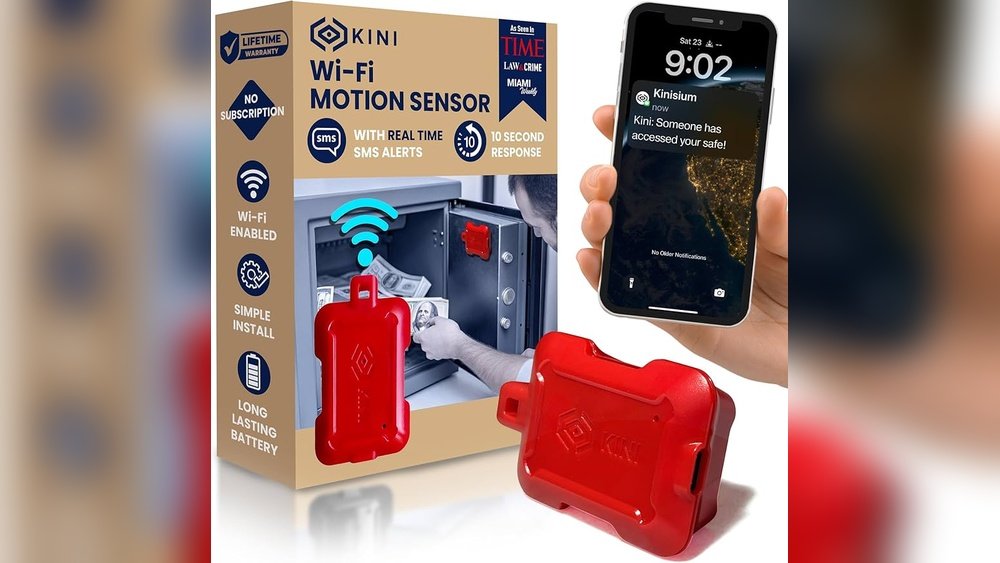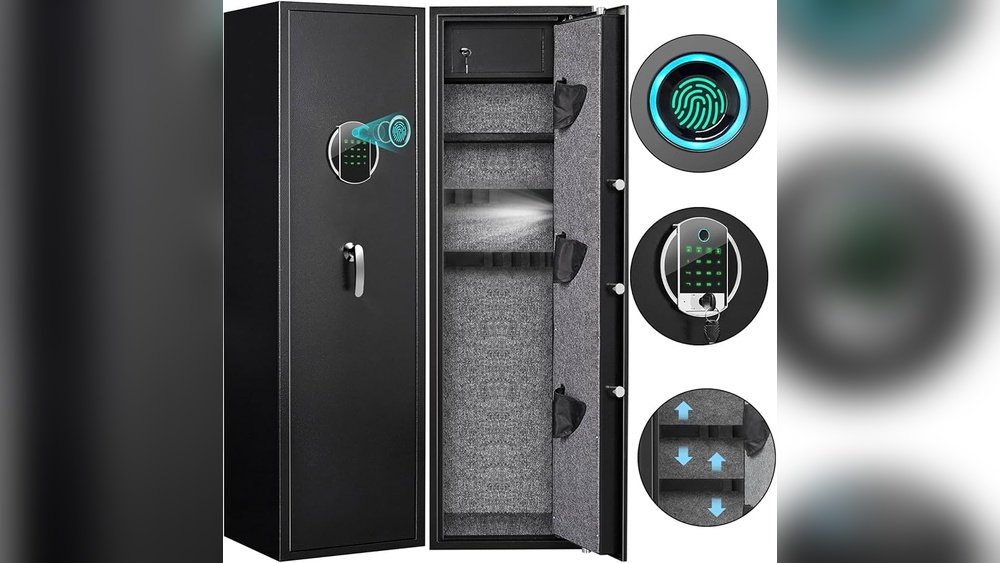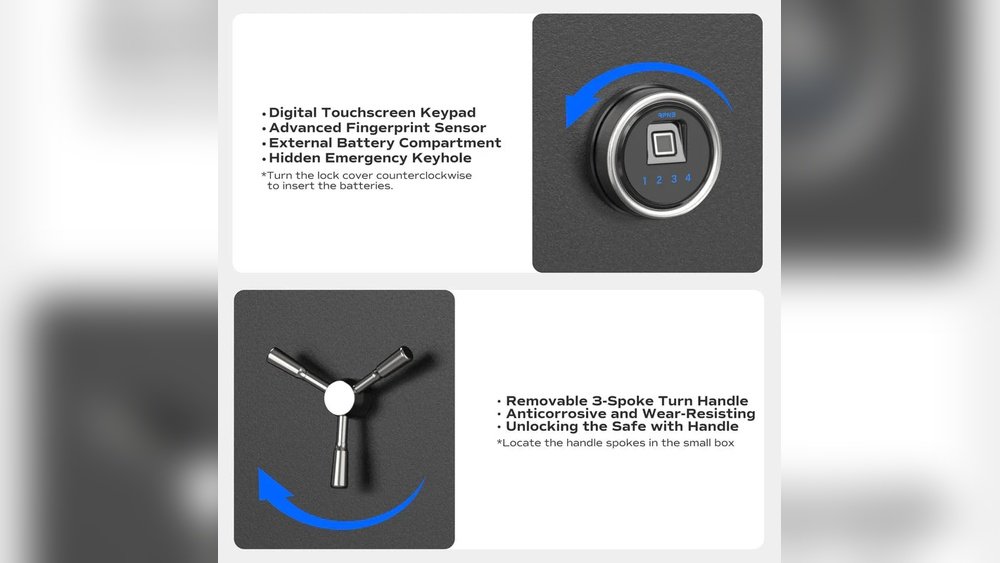
If you own a rifle safe, you know how important it is to keep your firearms secure. A vibration sensor is a key part of that security, alerting you if someone tries to tamper with your safe.
But how do you know if your vibration sensor is actually working? Testing it might seem tricky, but it doesn’t have to be. You’ll learn simple, effective ways to check your vibration sensor so you can be sure your rifles are protected.
Keep reading to find out exactly what to do and why it matters for your safety.
Types Of Vibration Sensors
Vibration sensors detect movement or shaking of a rifle safe. These sensors trigger alarms if someone tries to tamper with the safe. Different types of vibration sensors work in various ways. Each type suits different security needs and budgets. Understanding these types helps in testing and choosing the right sensor for your safe.
Piezoelectric Sensors
Piezoelectric sensors create electrical signals from pressure or vibrations. They have a small crystal inside that moves when shaken. This movement produces a voltage signal that indicates vibration. These sensors are very sensitive and can detect light taps or bumps. They are common in rifle safes because they respond quickly to any movement.
Accelerometer-based Sensors
Accelerometer sensors measure changes in speed and direction. They sense how fast and in what direction the safe moves. These sensors use tiny chips to detect vibrations in three dimensions. They provide accurate data about the movement of the safe. This makes them useful for detecting strong shakes or impacts.
Magnetic Sensors
Magnetic sensors detect changes in magnetic fields near the safe. When the safe moves, it changes the magnetic field around the sensor. This change triggers the sensor to send an alert. Magnetic sensors work well when combined with other types. They are reliable for sensing forced entry attempts through shaking or moving.

Tools Needed For Testing
Testing a vibration sensor on a rifle safe requires some basic tools. These tools help check if the sensor works correctly. They measure signals and vibrations to find faults. Using the right tools makes testing easier and accurate.
Multimeter
A multimeter measures electrical values like voltage, current, and resistance. It helps check sensor wiring and power supply. You can see if the sensor gets power and if wires are broken. It is simple to use and very useful for basic tests.
Oscilloscope
An oscilloscope shows the sensor’s signal as a wave on a screen. It displays vibration signals in real time. This tool helps spot small changes or issues with the sensor output. It is useful for detailed testing of sensor response.
Signal Generator
A signal generator creates electrical signals to test the sensor’s response. It sends vibrations or pulses to the sensor. This helps see if the sensor reacts correctly. It is handy for controlled and repeatable testing.
Preparing The Rifle Safe
Start by closing and locking the rifle safe securely. Gently tap or shake the safe to trigger the vibration sensor. Listen carefully for any alarm or alert sound to confirm the sensor works.
Powering Down The Safe
Start by turning off the rifle safe’s power. This stops any accidental alarms. Unplug the safe from the wall outlet if it uses external power. For safes with battery backup, remove the batteries carefully. This step keeps you safe and avoids false sensor readings.
Accessing The Sensor
Locate the vibration sensor inside the safe. Check your safe’s manual for exact sensor placement. Usually, it sits near the locking mechanism or on the door frame. Use a screwdriver to open panels if needed. Handle the sensor gently to avoid damage.
Ensuring Safety Precautions
Wear gloves to protect your hands from sharp edges. Keep tools organized to prevent losing small parts. Work in a well-lit area for better visibility. Avoid touching wires or circuits with bare hands. Follow all safety instructions provided by the safe manufacturer.
Step-by-step Testing Process
Testing a vibration sensor on a rifle safe ensures it works correctly. This step-by-step process helps spot issues early. Follow each step carefully for accurate results. The process is simple and does not need special tools.
Visual Inspection
Start by looking at the sensor and its parts. Check for cracks, dirt, or loose pieces. Clean the sensor gently if it is dirty. Make sure the sensor is fixed tightly in place. A damaged sensor might not work properly.
Checking Sensor Connections
Next, check the wires connected to the sensor. Look for cuts, bends, or loose connections. Make sure each wire is secure and plugged in. Faulty connections can stop the sensor from working. Fix or replace any damaged wires before testing.
Applying Test Vibrations
Gently tap near the sensor to create vibrations. Use light taps at first to avoid damage. Increase the strength of taps to test sensitivity. The sensor should detect these vibrations. If not, it may need adjustment or replacement.
Measuring Sensor Output
Use a multimeter to check the sensor’s output signal. Connect the multimeter to the sensor’s output wires. Watch for changes in the reading when tapping the sensor. A changing signal means the sensor detects vibrations. No change suggests a problem with the sensor.
Interpreting Test Results
After testing a vibration sensor on your rifle safe, understanding the results is key. The sensor’s output signals show if it works properly. Clear interpretation helps ensure your safe stays secure. This section breaks down normal signals, failure signs, and when to replace the sensor.
Normal Output Patterns
A working vibration sensor sends steady, clear signals. It detects small movements without false alarms. The output usually shows short pulses when the safe is gently tapped. Constant or random signals without movement are uncommon. Normal patterns have consistent timing and strength.
Signs Of Sensor Failure
Faulty sensors may give no signals or erratic ones. No output after a strong tap suggests a dead sensor. Random spikes without any vibration mean the sensor is faulty. Weak or fading signals also point to sensor problems. Check wiring and connections before concluding failure.
When To Replace The Sensor
Replace the sensor if it fails to respond to tests. Persistent false alarms or no signals require a new sensor. Old sensors lose sensitivity over time and need replacement. Always choose a sensor compatible with your safe model. Timely replacement keeps your rifle safe secure and reliable.

Troubleshooting Common Issues
Troubleshooting vibration sensors on a rifle safe helps keep your security system reliable. Sensors can show issues that affect their performance. Recognizing common problems saves time and prevents false alarms.
Testing the sensor often reveals the root cause. Some problems are easy to fix with simple checks. Others may need sensor replacement or professional help.
False Alarms
False alarms occur when the sensor triggers without real vibration. Dust or dirt on the sensor can cause this. Clean the sensor gently with a dry cloth. Check if the sensor is too sensitive. Adjust the sensitivity settings to lower levels. Avoid placing the safe near heavy machinery or vibrations.
No Sensor Response
No response means the sensor does not react to any movement. First, check the battery or power source. Replace old batteries with new ones. Inspect wiring for loose or broken connections. Make sure the sensor is correctly mounted on the safe. Test the sensor with a small tap to see if it reacts.
Intermittent Signals
Intermittent signals cause the sensor to work sometimes, not always. This problem can come from a weak battery. Replace batteries to ensure steady power. Loose wires may cause poor contact; tighten all connections. Moisture or humidity can affect sensor performance. Keep the safe and sensor dry and clean.
Maintaining Sensor Performance
Maintaining the vibration sensor on your rifle safe helps keep it reliable. A well-kept sensor detects motion accurately. This means your safe stays secure and alerts you to any unwanted movement. Simple steps ensure the sensor works as it should. Regular checks and care can extend the life of your sensor.
Regular Testing Schedule
Test the vibration sensor regularly to confirm it works well. Set a routine, like once a month, to check its response. Gently tap or shake the safe and watch for alerts. Regular tests help spot problems early. Fixing issues on time avoids bigger troubles later.
Cleaning Tips
Keep the sensor clean from dust and dirt. Use a soft cloth to wipe the sensor surface gently. Avoid harsh chemicals that might damage the sensor. Clean the safe area around the sensor too. A clean sensor reads vibrations better and stays accurate.
Firmware Updates
Check for firmware updates from the safe’s manufacturer. Updates improve sensor performance and fix bugs. Follow the instructions to install updates carefully. Updated firmware keeps the sensor working with new features. Do this regularly to keep your sensor current and safe.
Frequently Asked Questions
How Do I Know If My Vibration Sensor Works?
Test the sensor by gently tapping the safe. If the alarm sounds or indicator activates, the sensor works properly. Ensure the sensor is connected and powered before testing.
What Tools Do I Need To Test A Vibration Sensor?
You generally only need your hands to gently tap the safe. Some models may require a multimeter or battery tester to check connectivity and power.
Can I Test The Vibration Sensor Without Opening The Safe?
Yes, most vibration sensors can be tested externally by tapping or shaking the safe. This triggers the sensor without needing to open or access the interior.
How Often Should I Test My Rifle Safe’s Vibration Sensor?
Test the sensor monthly to ensure it functions correctly. Regular testing helps maintain security and alerts you to any sensor malfunctions early.
Conclusion
Testing a vibration sensor on a rifle safe is simple and quick. You only need to follow a few clear steps to check if it works well. Make sure the sensor reacts to gentle taps or shakes on the safe.
This helps keep your firearms secure and alerts you to any movement. Regular testing keeps the sensor reliable and your safe protected. Stay safe by checking your vibration sensor often. It gives you peace of mind about your gun storage.