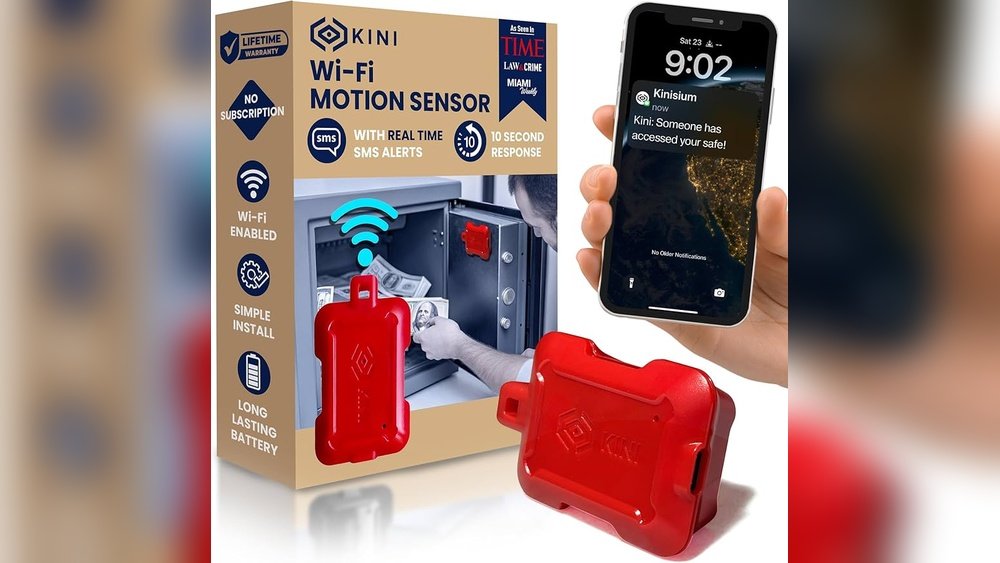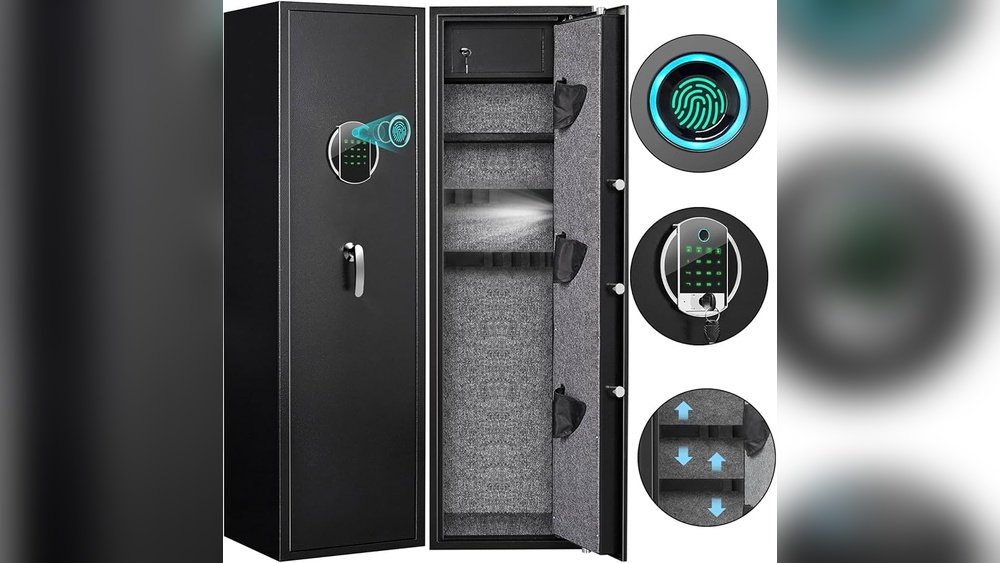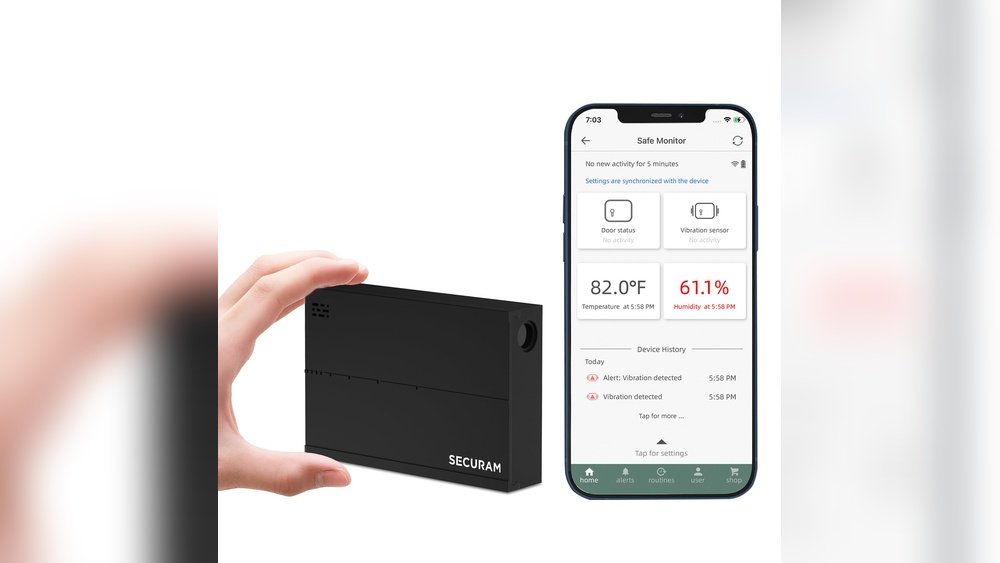
Are you looking to boost the security of your rifle safe? Mounting a vibration sensor can be a game-changer.
It helps detect any unwanted movement or tampering, giving you peace of mind that your firearms are protected. But how do you mount a vibration sensor correctly so it works effectively? In this guide, you’ll discover simple, step-by-step instructions that anyone can follow.
By the end, you’ll know exactly how to set up your sensor for maximum safety. Keep reading to make sure your rifle safe is truly secure.
Choosing The Right Sensor
Choosing the right vibration sensor is key to protecting your rifle safe. The sensor must detect movement quickly and accurately. It should avoid false alarms caused by small vibrations. The correct sensor fits your safe’s size and material. Understanding sensor types, sensitivity levels, and compatibility helps you pick the best option.
Types Of Vibration Sensors
There are several types of vibration sensors for rifle safes. Piezoelectric sensors generate voltage when shaken. They are very sensitive and reliable. Accelerometers measure changes in speed and direction. These sensors detect strong impacts well. Capacitive sensors detect changes in distance between surfaces. They work for light vibrations. Choose a sensor type based on the level of protection needed.
Sensor Sensitivity Levels
Sensitivity is how much movement triggers the alarm. High sensitivity detects small shakes or taps. This setting may cause false alarms from nearby activity. Low sensitivity ignores small movements but reacts to heavy impacts. Medium sensitivity balances alertness and false alarms. Adjust sensitivity depending on your safe’s location and risk level.
Compatibility With Rifle Safes
Not all sensors fit every rifle safe. Check if the sensor can attach to your safe’s surface. Some sensors use magnets, others use screws or adhesive pads. Confirm the sensor works with metal, wood, or composite materials. Also, ensure the sensor connects easily to your safe’s alarm system. Proper compatibility prevents installation problems and ensures reliable protection.
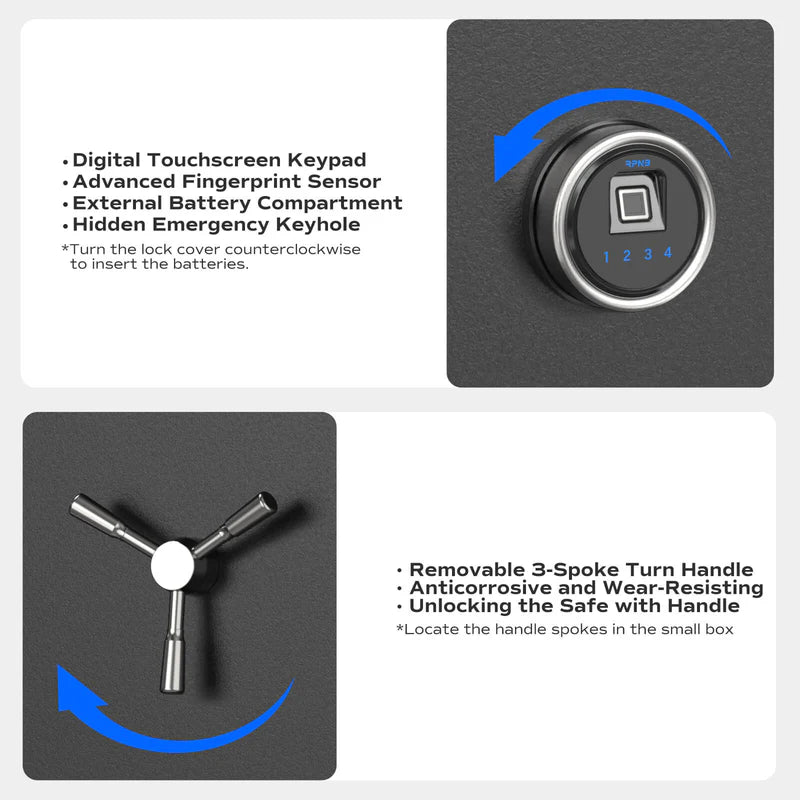
Preparing The Safe Surface
Preparing the surface of your rifle safe is key before mounting a vibration sensor. A clean and well-chosen spot helps the sensor work correctly. It also keeps the sensor firmly in place over time. Take time with these steps for the best results.
Cleaning And Drying The Mounting Area
Start by wiping the area with a soft cloth. Remove dust, dirt, and grease. Use rubbing alcohol on a cloth for a deeper clean. Avoid strong chemicals that could damage the safe’s finish. Let the surface dry completely. A dry surface helps the sensor stick better.
Selecting The Best Mounting Spot
Pick a flat, smooth spot on the safe. Avoid curved or rough areas. The sensor needs close contact to detect vibrations well. Choose a place that won’t get bumped often. Keep it away from hinges or locks to avoid false alarms. A good spot improves sensor accuracy and reliability.
Mounting Methods
Mounting a vibration sensor on a rifle safe requires choosing the right method. The method you pick affects how well the sensor works and how long it lasts. Sensors must be firmly attached to detect any movement or vibration correctly. Different mounting options suit different safe types and user needs. Here are some common methods to mount your vibration sensor.
Using Adhesive Pads
Adhesive pads offer a quick and simple way to mount sensors. These pads stick directly to the safe’s surface. They do not require drilling or tools. Clean the surface well before applying the pad. Press the sensor firmly to ensure a strong bond. Adhesive pads work well on smooth, flat surfaces. They are best for temporary or easy-to-remove setups.
Screw Mounting Techniques
Screw mounting provides a very secure hold for vibration sensors. Use small screws designed for metal or wood, depending on the safe. Mark the spots carefully before drilling holes. Drill slowly to avoid damage inside the safe. Screw the sensor bracket tightly but do not overtighten. This method ensures the sensor stays in place even with strong vibrations.
Magnetic Mount Options
Magnetic mounts allow quick installation and removal of sensors. They work best on metal safes. Attach a magnet to the sensor’s back or use a magnetic holder. Place the sensor on the safe’s metal surface, and it will stay in place. Magnetic mounts avoid drilling or adhesive residue. They suit users who need to move sensors between safes.

Wiring And Connectivity
Wiring and connectivity are key when installing a vibration sensor on a rifle safe. Proper wiring ensures the sensor works well and stays reliable. You must organize cables carefully and connect the sensor to the alarm system correctly. This helps the sensor detect any movement or tampering fast. Poor wiring can cause false alarms or sensor failure.
Cable Management Tips
Keep cables neat and tight to avoid damage. Use cable ties or clips to secure wires along the safe’s edges. Avoid sharp bends or heavy pressure on cables. Label each wire to identify its purpose easily. Protect wires from moisture and dust by using covers or sleeves. Good cable management makes future maintenance easier and safer.
Connecting To Alarm Systems
Match the sensor wires with the alarm system’s input ports. Follow the sensor manual for correct wiring colors and terminals. Use connectors or solder joints for a strong connection. Test the sensor after wiring to ensure it triggers the alarm properly. If unsure, seek help from a professional installer to avoid errors.
Testing And Calibration
Testing and calibration are key steps after mounting your vibration sensor on a rifle safe. These steps ensure the sensor works correctly and alerts you to any unusual movement. Proper testing can help avoid false alarms and missed signals. Calibration adjusts the sensor’s sensitivity to the right level for your environment.
Initial Sensor Testing
Start by powering on the sensor. Check the indicator lights or signals to confirm it is active. Gently tap or shake the safe to trigger the sensor. Notice if the alarm or notification activates as expected. Test several times with different levels of vibration. This helps confirm the sensor detects real movement but ignores small vibrations.
Place the safe in its usual spot during testing. This ensures the sensor performs well in its actual environment. Avoid testing near sources of heavy vibration, like washing machines or loud machines. These may cause false alarms during real use.
Adjusting Sensitivity Settings
Access the sensor’s control panel or app to adjust sensitivity. Lower settings make the sensor less likely to trigger from small movements. Higher settings catch even slight vibrations. Start with medium sensitivity and test again by tapping the safe.
Increase sensitivity if the sensor misses gentle taps. Decrease it if false alarms occur from minor disturbances. Find a balance that fits your needs. Check the sensor regularly to ensure it stays properly calibrated over time.
Maintenance And Troubleshooting
Keeping your vibration sensor on a rifle safe working well needs regular care. Maintenance helps catch small problems early. Troubleshooting fixes issues fast. This keeps your safe secure and your sensor reliable.
Regular Sensor Checks
Check the sensor every week. Look for dust or dirt on the sensor surface. Clean it gently with a soft cloth. Make sure the sensor is still firmly attached. Loose sensors give false alarms or stop working.
Test the sensor by tapping lightly on the safe. The alarm should sound if the sensor works. Replace batteries on time to avoid sensor failure. A weak battery lowers sensor performance.
Common Issues And Fixes
Sometimes the sensor does not detect vibrations. Check if the sensor is loose or misaligned. Tighten screws or adjust the sensor position carefully. If the sensor stays silent, replace the battery.
False alarms can happen from strong winds or heavy traffic. Adjust the sensor sensitivity if possible. Make sure the safe is on a stable surface. Remove anything that causes constant shaking near the safe.
Sensor wiring can wear out over time. Inspect wires for cuts or breaks. Repair or replace damaged wires quickly. Keeping connections clean and secure avoids sensor errors.

Frequently Asked Questions
How Do I Choose The Best Spot To Mount A Vibration Sensor?
Select a flat, stable surface on your rifle safe. Avoid areas with thick padding or irregular shapes. The sensor should detect vibrations clearly without interference. Mount near the safe’s door or hinges for optimal security alert.
What Tools Are Needed To Mount A Vibration Sensor?
You typically need double-sided adhesive tape or screws, depending on the sensor type. A screwdriver or drill might be necessary for screw mounting. Clean the surface before installation for better adhesion. Follow your sensor’s manual for specific tools.
Can Vibration Sensors Be Mounted Inside Or Outside The Safe?
Vibration sensors can be mounted both inside and outside. Inside mounting protects the sensor from tampering and environmental damage. Outside mounting detects external impacts sooner. Choose the position based on your security needs and sensor specifications.
How Do I Ensure The Sensor Stays Firmly Attached?
Use strong adhesive tape or screws for mounting. Clean the mounting surface thoroughly before installation. Press the sensor firmly for a few seconds if using tape. Regularly check the sensor’s position and reattach if it loosens.
Conclusion
Mounting a vibration sensor on a rifle safe is simple and effective. Place the sensor where it can detect any movement clearly. Use strong adhesive or screws for a secure fit. Test the sensor to ensure it works well. This setup helps protect your valuables from theft or tampering.
Stay safe and keep your rifle secure with this easy step. A good sensor adds peace of mind every day.