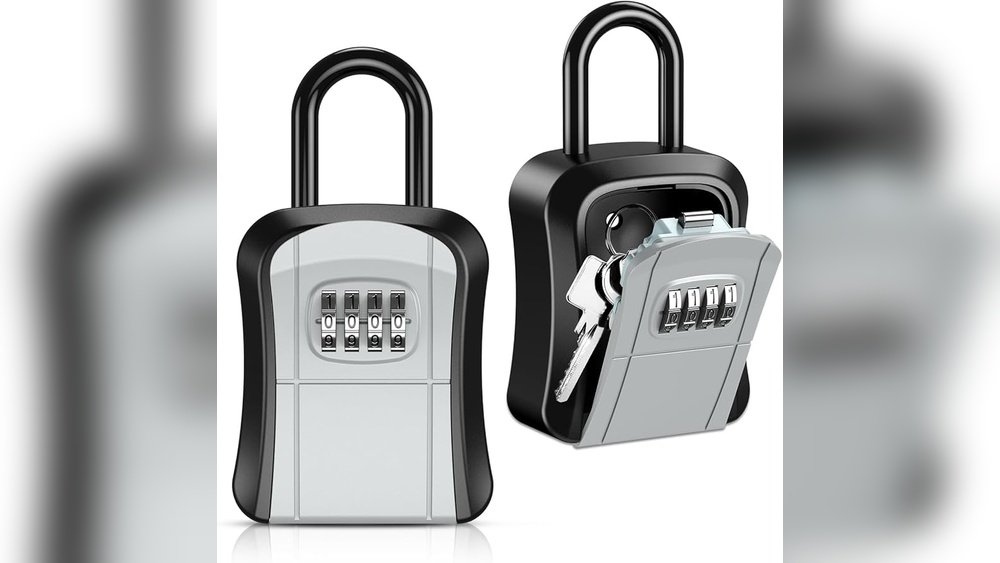
You’ve invested in a portable lock box to keep your valuables safe and secure. But have you ever wondered how to keep it working smoothly and looking its best?
Proper maintenance and cleaning are key to making sure your lock box lasts for years and continues protecting what matters most to you. You’ll discover simple, effective tips to care for your portable lock box. By the end, you’ll feel confident knowing exactly how to keep your security strong and your lock box in top shape.
Keep reading—you don’t want to miss these easy steps that can save you time, money, and headaches.
Choosing The Right Lock Box
Choosing the right portable lock box is essential for keeping your valuables safe. The right box protects your items from theft and damage. It also lasts longer and works better. Focus on key factors like the materials used and the lock features. These determine how well your box performs.
Materials And Durability
Strong materials make a lock box tough and long-lasting. Steel is common because it resists cutting and breaking. Some boxes have powder-coated finishes to stop rust. Plastic lock boxes are lighter but less secure. Choose metal boxes for heavy-duty use. Check the weight and thickness of the box walls. Thicker walls mean better protection. Also, look for water-resistant or waterproof designs. These keep your items safe from moisture and rain.
Lock Types And Security Features
Locks keep your box secure. Combination locks do not need keys and are easy to share. Key locks are simple but keys can be lost. Some boxes offer digital locks with codes for quick access. Look for boxes with anti-pry features to prevent forced entry. Some models include tamper alarms or reinforced hinges. These features add extra security. Pick a lock type that suits your needs and comfort. Strong locks improve your box’s safety and your peace of mind.

Daily Maintenance Tips
Daily maintenance helps keep your portable lock box working well. Small care steps stop big problems later. Regular checks make sure your lock box stays safe and lasts long.
Spend a few minutes each day cleaning and checking. This keeps the box looking good and working smoothly. Follow these simple tips to keep your lock box in top shape.
Keeping The Exterior Clean
Wipe the outside with a soft cloth every day. Use mild soap and water if needed. Avoid harsh chemicals that can damage the surface. Keep dirt, dust, and moisture away to prevent rust and wear.
Dry the box completely after cleaning. Moisture can cause metal parts to corrode. Store the lock box in a dry place when not in use. This helps keep the exterior in good condition.
Checking The Lock Mechanism
Test the lock daily by opening and closing it gently. Listen for unusual sounds like grinding or sticking. Apply a small amount of lubricant to the lock parts regularly. This keeps the mechanism smooth and prevents rust.
Do not force the lock if it feels stuck. Check for dirt or debris blocking the mechanism. Clean out any particles carefully to avoid damage. Regular checks ensure your lock box stays secure and easy to use.
Deep Cleaning Procedures
Deep cleaning your portable lock box keeps it secure and working well. Dirt, dust, and moisture can build up inside and outside. This buildup can cause problems like sticking locks or rust. Regular deep cleaning helps avoid these issues. It also extends the life of your lock box.
Safe Cleaning Agents To Use
Choose mild cleaners to protect your lock box. Warm water with a little dish soap works well. Avoid harsh chemicals like bleach or ammonia. These can damage the metal or paint. Use a soft cloth or sponge for cleaning. Harsh scrubbing can scratch the surface.
Cleaning The Interior
Empty the lock box before cleaning inside. Use a soft brush to remove dust and dirt. Wipe the interior with a damp cloth and mild soap. Dry it completely to stop moisture buildup. Pay attention to corners and hinges. These areas trap dirt and cause jams.
Removing Rust And Corrosion
Check your lock box for rust spots regularly. Use fine steel wool or a soft brush to scrub rust gently. Apply a rust remover if needed but follow instructions carefully. After removing rust, wipe the area clean and dry it. Apply a light coat of oil to protect metal parts. This helps prevent future rust and corrosion.
Preventing Damage And Wear
Keeping your portable lock box in good shape extends its life and keeps it working well. Preventing damage and wear is key. Simple habits protect the box from scratches, rust, and other problems. Take care to avoid rough handling and poor storage. This helps keep your lock box safe and reliable for years.
Proper Storage Practices
Store the lock box in a dry, safe place. Avoid stacking heavy items on top of it. Use a soft cloth or padded surface to prevent scratches. Keep the lock box away from sharp objects. Store it in a spot where it won’t be knocked over easily. Regularly check for dust and clean the box gently. Proper storage stops damage and keeps the lock box ready for use.
Avoiding Moisture And Extreme Temperatures
Moisture causes rust and can damage the lock mechanism. Always dry the box if it gets wet. Avoid storing it in damp areas like basements. Keep the lock box away from direct sunlight and heat sources. Extreme heat can warp or weaken the materials. Cold temperatures may make the lock stiff or brittle. Protecting the box from these conditions keeps it strong and functional.
Troubleshooting Common Issues
Portable lock boxes offer great security but can face small problems over time. These issues may stop the lock box from working properly. Understanding common problems helps keep your lock box safe and functional. Troubleshooting fixes these problems quickly, so you do not lose access to your valuables. Here are simple tips to solve common issues with portable lock boxes.
Fixing Jammed Locks
A jammed lock is a common problem. Dirt and dust inside the lock can cause it to stick. Use a small brush or compressed air to clean the lock. Avoid using water, as it can cause rust. Try turning the dial or key gently back and forth. Do not force it hard, or you may break the lock. Lubricate the lock with a graphite powder or silicone spray for smooth operation. Repeat these steps if the lock still feels stuck.
Replacing Batteries Or Keys
Some portable lock boxes use batteries for electronic locks. When the lock stops working, check the battery first. Open the battery compartment carefully and replace old batteries with new ones. Use the type of battery recommended by the manufacturer. Keep spare batteries handy for quick replacement. For key locks, keep extra keys safe and accessible. If you lose the key, contact the lock box maker for replacement options. Avoid forcing the lock without the correct key to prevent damage.
Enhancing Longevity
Enhancing the longevity of your portable lock box helps protect your valuables longer. Simple care steps keep the lock box working well. A well-maintained lock box prevents damage and avoids costly repairs. Regular attention ensures smooth operation and reliable security.
Regular Inspection Schedule
Check your lock box every few weeks. Look for signs of rust, dirt, or wear. Test the lock and hinges to ensure they move smoothly. Early detection of problems stops bigger issues later. Wipe the surface with a damp cloth to remove dust. Avoid harsh chemicals that can damage the finish.
Lubricating Moving Parts
Use a small amount of lubricant on the lock and hinges. This reduces friction and prevents rust. Choose a lubricant safe for metal parts, like silicone spray or graphite powder. Apply it sparingly to avoid attracting dirt. Move the lock and hinges several times to spread the lubricant evenly. Repeat this every few months for best results.

Frequently Asked Questions
How Often Should I Clean A Portable Lock Box?
Clean your portable lock box every 3-6 months to prevent dirt buildup. Regular cleaning keeps the lock mechanism smooth and secure. Use mild soap, water, and a soft cloth for best results. Avoid harsh chemicals that may damage the surface or internal parts.
What Materials Are Best For Cleaning Lock Boxes?
Use a soft cloth, mild soap, and water for cleaning. Avoid abrasive cleaners or solvents that can scratch or damage the box. For metal lock boxes, a light lubricant on the lock mechanism helps maintain smooth operation. Always dry the box thoroughly after cleaning.
How Do I Prevent Rust On A Portable Lock Box?
Keep your lock box dry and clean to prevent rust formation. Store it in a cool, dry place away from moisture. Apply a thin layer of anti-rust spray or lubricant on metal parts regularly. Avoid exposure to rain or humid environments for prolonged periods.
Can I Use Wd-40 On My Portable Lock Box?
Yes, WD-40 is effective for lubricating lock mechanisms. Apply sparingly on the keyhole and moving parts to ensure smooth operation. Avoid overusing it, as excess lubricant may attract dirt. Wipe off any residue after application to keep the box clean.
Conclusion
Maintaining and cleaning your portable lock box keeps it safe and working well. Regularly wipe it with a soft cloth to remove dirt and dust. Check the lock and hinges for any signs of rust or damage. Store it in a dry place to avoid moisture build-up.
A clean and cared-for lock box lasts longer and protects your items better. Small efforts make a big difference. Keep your lock box ready whenever you need it. Simple steps ensure security and peace of mind.