Are you trying to keep your valuables safe but unsure whether a portable lock box or a small safe is the right choice for you? Choosing between the two can feel confusing, especially when both promise security and convenience.
But what if you knew exactly which one fits your needs, lifestyle, and budget? You’ll discover the key differences that matter most, helping you make a confident decision. Keep reading, and by the end, you’ll know exactly how to protect what’s important to you without any guesswork.
Key Features Of Portable Lock Boxes
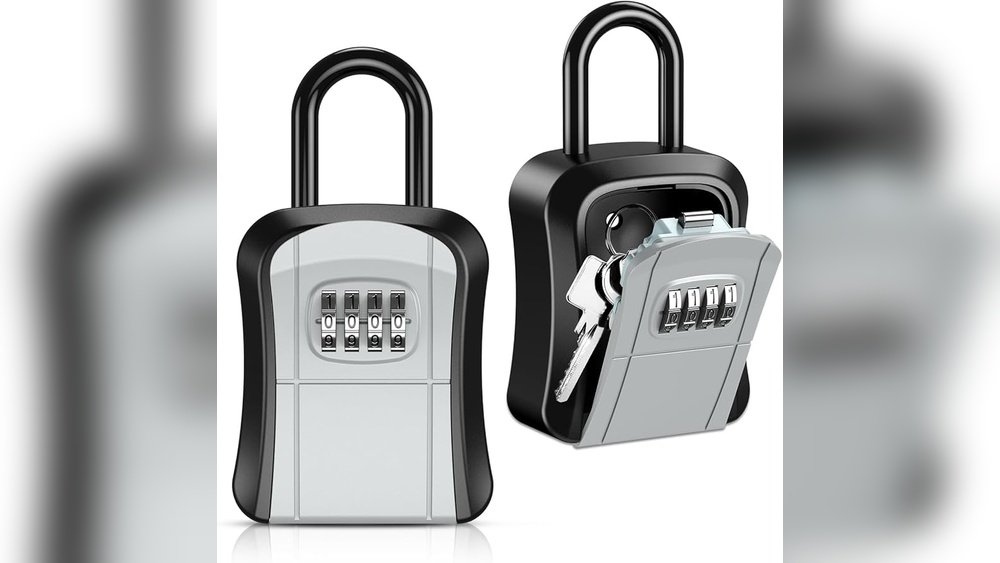
Choosing a portable lock box requires understanding its key features. These features help decide if it fits your security needs. Portable lock boxes offer a mix of convenience and protection. They are designed for easy carrying and quick access. The following sections explain important features to consider.
Size And Portability
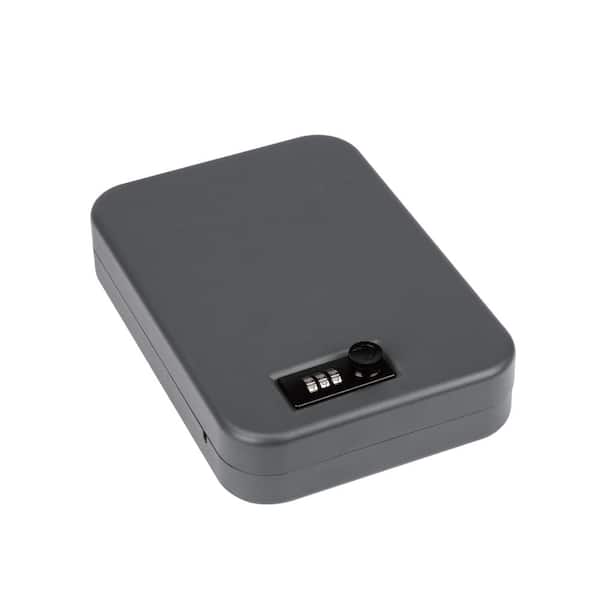
Portable lock boxes are small and lightweight. They fit in bags, cars, or under desks. Their compact size makes them easy to carry. Portability means you can move them to different places. This is perfect for travelers or people on the go.
Security Mechanisms
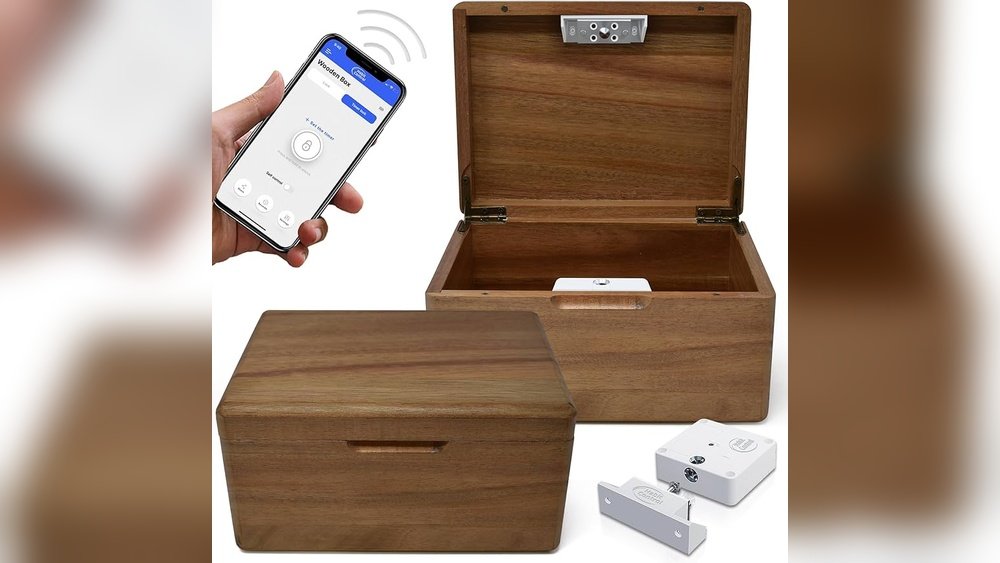
These lock boxes use various locks for safety. Common types include combination locks, key locks, and electronic locks. Good security mechanisms prevent unauthorized access. Some models have tamper alerts or reinforced locking parts. Choose one with a lock type you trust and can use easily.
Material And Durability
Strong materials protect the contents inside. Most lock boxes are made from steel or heavy-duty plastic. Steel offers high resistance to cutting or breaking. Durable materials extend the lock box’s life. Check for rust-resistant coatings if you plan outdoor use.
Ease Of Access
Easy access means quick opening when needed. Look for locks that open smoothly without fuss. Some lock boxes have clear instructions or simple buttons. Access speed is important in emergencies. Balance security with convenience for best results.
Key Features Of Small Safes
Small safes offer more than just a place to store valuables. They provide reliable protection with various features. Understanding these features helps in choosing the right safe for your needs. These features include security levels, resistance to fire and water, locking options, and how heavy or easy to install the safe is.
Security Levels
Security levels show how well a safe can stop thieves. Most small safes have different ratings. Higher ratings mean stronger protection. Look for safes with thick steel walls and strong locking bolts. These features make the safe hard to break into.
Fire And Water Resistance
Fire and water resistance protect your items from damage. Some safes can resist heat for 30 minutes or more. Water resistance stops damage from floods or spills. Check the safe’s rating for fire and water protection before buying.
Locking Options
Locking options vary and affect convenience and security. Common locks include key locks, combination dials, and electronic keypads. Electronic locks often offer quick access. Mechanical locks do not need batteries and are simple to use.
Weight And Installation
Weight matters for safety and ease of use. Heavier safes resist theft better but are harder to move. Lighter safes are portable but easier to steal. Consider where you will place the safe. Some safes can be bolted to floors or walls for extra security.
Comparing Security Benefits
Choosing between a portable lock box and a small safe means understanding their security features. Both keep your valuables safe but offer different levels of protection. Knowing these differences helps you pick the best option for your needs.
Protection Against Theft
A small safe usually offers stronger protection against theft. It is built with heavier materials that resist force and tampering. Portable lock boxes are lighter and easier to carry, making them less secure against theft. They work well for short-term use or when you need to move your items often.
Resistance To Environmental Damage
Small safes often provide better resistance to fire and water damage. Many models have seals and insulation to protect contents during disasters. Portable lock boxes may resist some water but rarely offer fire protection. Consider your environment and risks before choosing.
Lock Technology Differences
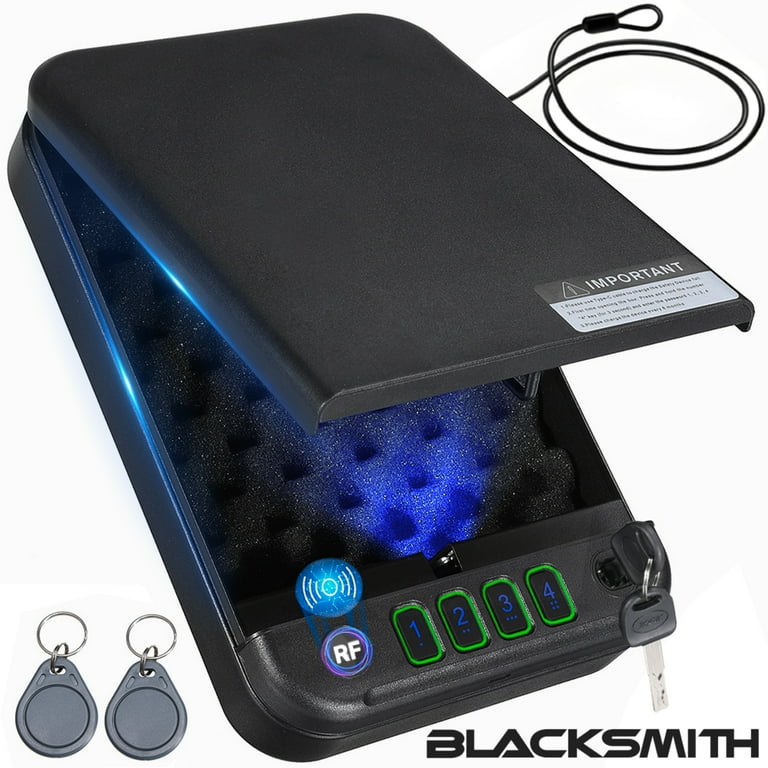
Small safes usually have advanced locking systems like combination dials or electronic keypads. These locks make unauthorized access harder. Portable lock boxes often use simpler locks, such as key or basic combination locks. They are easier to use but less secure.
Use Cases For Portable Lock Boxes
Portable lock boxes offer flexible security for different situations. They fit needs where carrying valuables safely is a must. These boxes provide quick and secure storage without heavy weight or large size. Their design suits varied lifestyles and uses.
Travel And On-the-go Security
Portable lock boxes keep passports, money, and cards safe during trips. They are small and easy to carry. You can lock them in hotel rooms or cars. This reduces the risk of theft or loss while traveling.
Temporary Storage Needs
Use these boxes for short-term storage at work or events. They hold important items like keys or documents securely for a limited time. This option helps protect valuables without needing a permanent safe.
Convenience And Accessibility
Portable lock boxes offer quick access to your items. They are easy to open and close with a code or key. This makes them ideal for situations where you need frequent access but want security.
Use Cases For Small Safes
Small safes serve many purposes at home and office. They offer secure storage for items you want to protect from theft, fire, or damage. Choosing a small safe makes sense when you need strong security and easy access. Below are common use cases where small safes work best.
Home And Office Security
Small safes keep important belongings safe from intruders. Store keys, wallets, and cash inside. Use them for personal items you want to keep private. Small safes can lock with a combination or key. Place them where access is quick but secure.
Long-term Document Protection
Use small safes to protect papers from fire or water damage. Important documents like passports, birth certificates, and contracts stay safe inside. They prevent loss or damage during emergencies. Safes with fireproof features add extra protection.
Valuable Item Storage
Small safes are ideal for jewelry, watches, and small electronics. They keep valuables hidden and locked away. This reduces risk of theft or accidental loss. A small safe gives peace of mind for your precious items.

Budget Considerations
Budget plays a key role when choosing between a portable lock box and a small safe. It affects what options you can consider and how much protection you get. Knowing the costs and ongoing expenses helps you pick the best fit for your needs.
Cost Comparison
Portable lock boxes usually cost less than small safes. They are simpler and made with lighter materials. Small safes have stronger locks and thicker walls, which raise their price. Prices depend on size, brand, and security features. Choose based on what you need to protect and how much you want to spend.
Value For Money
Think about what you get for your money. Small safes often last longer and offer better security. Portable lock boxes are easier to carry and good for temporary use. Sometimes spending more upfront saves money later. Match the product to your security needs and budget for best value.
Maintenance Expenses
Both options require little maintenance. Portable lock boxes may need occasional cleaning and lock checks. Small safes might need battery changes for electronic locks or lubrication for mechanical ones. Consider these small costs when setting your budget. Proper care keeps your investment safe and working well.
Expert Tips For Making The Right Choice
Choosing between a portable lock box and a small safe can be tricky. Both offer security, but each serves different needs. These expert tips help you find the best fit for your situation.
Assessing Your Security Needs
Start by thinking about what you want to protect. Valuable documents, cash, or small electronics need strong protection. A small safe usually offers better security features. A portable lock box may suit less valuable items or temporary storage. Consider the level of risk and theft in your area. This helps decide how strong your security should be.
Evaluating Portability Vs. Security
Portability means easy to carry or move. Portable lock boxes are light and compact. They fit in bags or cars. Small safes are heavier and stay in one place. They provide more security but less mobility. Decide if you need to move your valuables often. Choose portability if you travel or change locations. Choose a safe for long-term protection at home or office.
Considering Future Requirements
Think about your future needs. Will your valuables increase or change? A small safe offers more space and durability for growth. Portable lock boxes might limit what you can store later. Also, consider if you might need fire or water protection. Some small safes have these extra features. Planning ahead saves time and money later.
Frequently Asked Questions
What Is The Main Difference Between A Lock Box And A Safe?
A lock box is usually portable and lightweight, ideal for quick access. A small safe is heavier, offering stronger security and fire resistance. Choose based on your need for mobility versus maximum protection.
Which Option Is Better For Home Security?
A small safe is generally better for home use. It provides stronger protection against theft and fire. Portable lock boxes are more suitable for temporary or mobile use.
Can I Carry A Portable Lock Box While Traveling?
Yes, portable lock boxes are designed for travel. They are compact and easy to carry. Safes are bulky and not practical for travel.
Are Small Safes Fire-resistant?
Many small safes offer fire resistance. Check the product specifications for fire rating. Portable lock boxes usually lack fire protection.
Conclusion
Choosing between a portable lock box and a small safe depends on your needs. Think about what you want to protect and where you will keep it. Portable lock boxes are easy to carry and good for travel. Small safes offer stronger protection and stay in one place.
Both keep your valuables safe in different ways. Consider size, weight, and security features carefully. This will help you pick the best option for your situation. Protecting your items starts with the right choice.