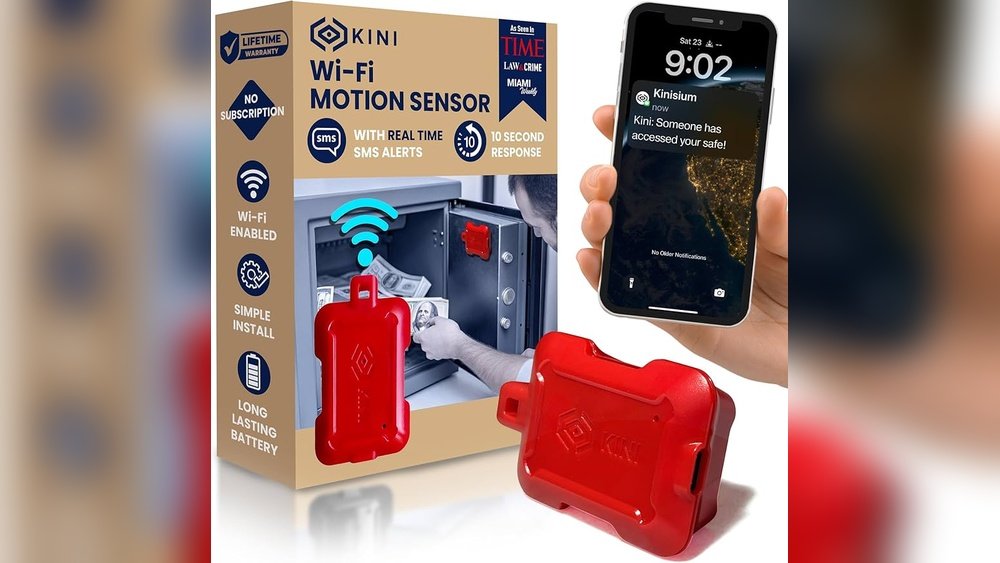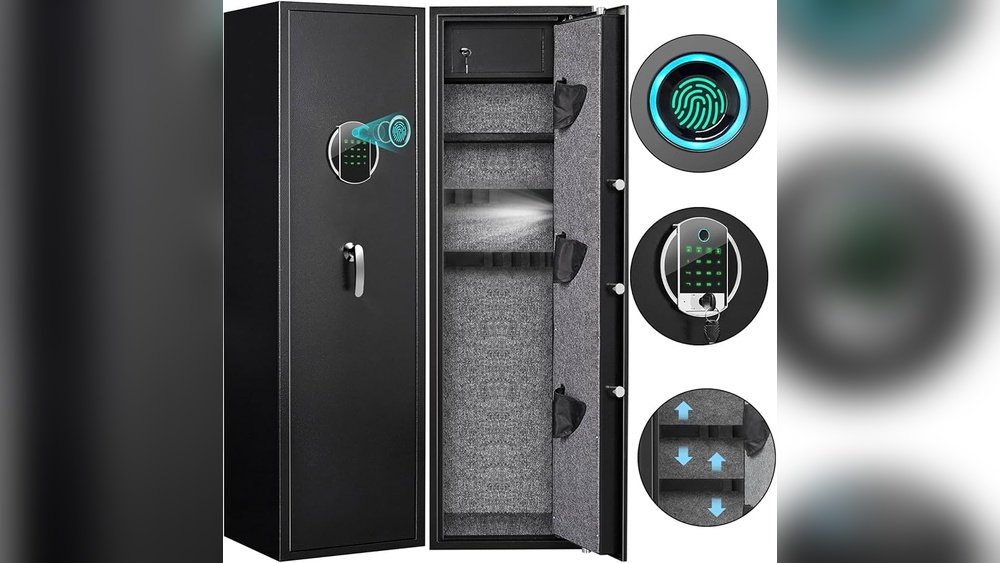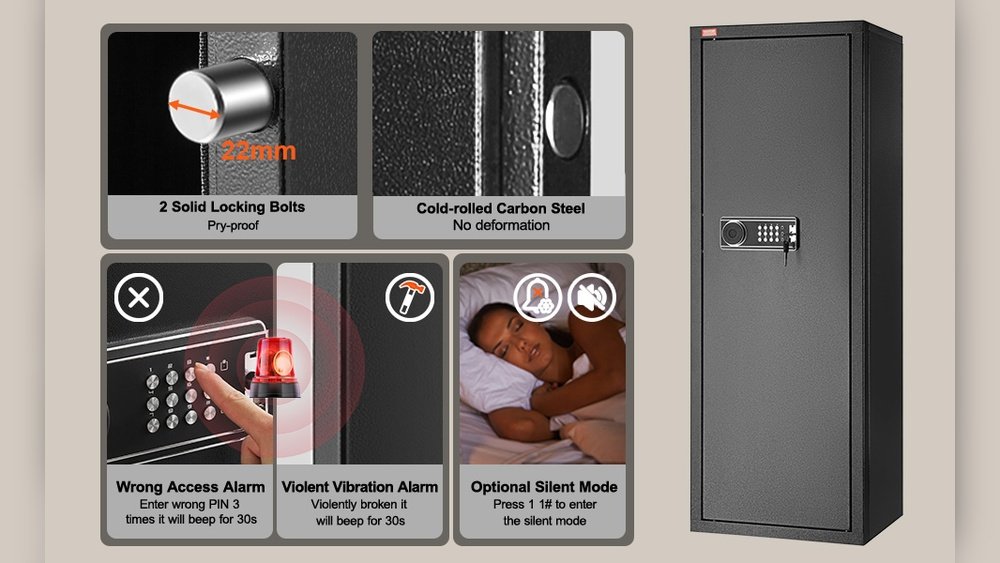
Are you tired of your rifle safe’s vibration sensor going off at the slightest nudge? False triggers can be frustrating and make you question the reliability of your security system.
But what if you could stop these annoying false alarms for good? You’ll discover simple, effective ways to fine-tune your vibration sensor so it only reacts when it truly matters. Keep reading, and you’ll learn how to protect your valuables without the stress of constant false alerts.

Common Causes Of False Triggers
False triggers on rifle safe vibration sensors cause unnecessary alarms. These false alarms can be frustrating and reduce the sensor’s reliability. Understanding what causes false triggers helps prevent them. Some common causes include environmental factors, improper sensor placement, and electrical interference. Each factor affects the sensor differently and requires specific attention.
Environmental Factors
Vibration sensors detect movement and shock. Strong winds, nearby traffic, or heavy machinery can cause vibrations. These vibrations may set off false alarms. Temperature changes also affect sensor sensitivity. Sudden cold or heat can cause the sensor to react. Dust and moisture buildup can interfere with sensor accuracy. Keeping the sensor in a stable environment helps reduce false triggers.
Improper Sensor Placement
Placing the sensor on a loose or unstable surface causes errors. Sensors on a shaky shelf or a door that rattles easily may trigger falsely. Mounting the sensor too close to other moving parts leads to problems. The sensor should be firmly attached to a solid surface. Proper placement ensures it only detects real threats. Checking placement before use is essential.
Electrical Interference
Nearby electronics can interfere with vibration sensors. Devices like radios, routers, or power tools produce electrical noise. This noise can confuse the sensor and cause false alarms. Using shielded cables and keeping the sensor away from strong electronics helps. Proper grounding also reduces interference. Avoid placing sensors near high-power devices for best results.

Choosing The Right Sensor
Choosing the right vibration sensor for your rifle safe is crucial. It helps reduce false alarms and keeps your firearms secure. Not all sensors work the same way. Picking the right one ensures accurate detection and peace of mind.
Sensor Sensitivity Levels
Sensitivity controls how much vibration triggers the sensor. Too high sensitivity causes many false alarms. Too low sensitivity might miss real threats. Choose a sensor with adjustable sensitivity. This feature lets you set the level that fits your environment. Test different settings to find the perfect balance.
Compatibility With Rifle Safes
Not every sensor fits all rifle safes. Check if the sensor matches your safe’s size and material. Some sensors work better on metal surfaces. Others may need specific mounting options. Confirm the sensor supports your safe model. Proper compatibility improves sensor response and reduces errors.
Optimal Sensor Installation
Proper installation of vibration sensors on your rifle safe helps reduce false triggers. The sensor must detect real movement, not normal vibrations or bumps. Positioning and securing the sensor correctly improves accuracy and reliability. Small details during installation make a big difference in performance.
Ideal Mounting Locations
Choose a flat, stable surface inside the safe for the sensor. Avoid areas near hinges or locking bolts. These parts move slightly and can cause false alarms. Mount the sensor on a thick wall, away from weak spots. The sensor should detect strong vibrations from forced entry attempts. Keep it away from electronics that emit signals or vibrations.
Securing The Sensor Firmly
Attach the sensor tightly using screws or strong adhesive. Loose sensors move independently and trigger false alarms. Check the sensor does not shift when the safe is opened or closed. Ensure no wires are loose or damaged. Firm attachment helps the sensor read only actual forced movements. Test the sensor after installation for proper function.

Calibration Techniques
Calibration techniques are key to preventing false triggers on rifle safe vibration sensors. Proper calibration ensures the sensor responds only to real threats. It reduces annoying false alarms caused by minor vibrations or environmental factors.
By fine-tuning the sensor, you improve its accuracy and reliability. This protects your firearms without constant interruptions. The process involves adjusting sensitivity and testing the system carefully.
Adjusting Sensitivity Settings
Start by setting the sensor sensitivity to a moderate level. Too high sensitivity causes false alarms from small movements. Too low sensitivity might miss important vibrations.
Use the safe’s control panel or app to change settings. Increase or decrease sensitivity step by step. Observe how the sensor reacts to normal safe usage.
Find a balance where normal handling does not trigger alarms. Only strong vibrations or impacts should activate the sensor.
Testing For False Alarms
After adjusting sensitivity, test the safe several times. Gently tap or move the safe to check sensor response. If alarms sound during light touches, lower sensitivity.
Test under different conditions: opening, closing, or moving the safe. This ensures the sensor works well in all situations.
Repeat tests after any setting changes. Confirm the sensor triggers only on real threats. Regular testing keeps your rifle safe secure and reliable.
Maintaining Your Vibration Sensor
Maintaining your vibration sensor is key to stopping false alarms. Dirt and damage can confuse the sensor, causing it to trigger wrongly. Simple care keeps it working smoothly. It also helps the sensor detect real threats fast and accurately.
Regular Cleaning
Dust and grime build up over time on the sensor’s surface. This buildup can block the sensor’s ability to detect actual vibrations. Clean the sensor gently with a soft cloth. Avoid using harsh chemicals that might damage it. Clean at least once a month to keep it clear and responsive.
Inspecting For Damage
Check the sensor and its wiring for cracks, loose parts, or wear. Damage can cause false triggers or stop the sensor from working. Look for signs of corrosion or broken pieces. Fix small problems quickly to avoid bigger issues. Regular checks keep the sensor reliable and safe.
Using Additional Security Measures
Using additional security measures helps reduce false triggers on rifle safe vibration sensors. It adds extra layers of protection and improves sensor accuracy. This approach helps create a smarter, more reliable security system.
Integration With Alarm Systems
Connecting vibration sensors to an alarm system increases security. The alarm triggers only when multiple signals match. This reduces false alarms caused by harmless vibrations. The alarm system can alert you or security personnel quickly. It also allows you to customize sensitivity for better control.
Supplementing With Other Sensors
Adding motion or door sensors helps confirm true threats. These sensors work together with vibration detectors for better accuracy. When both sensors activate, the system knows there is real movement. This reduces false triggers from minor vibrations or bumps. Combining sensors creates a stronger, more dependable security setup.
Frequently Asked Questions
How Can I Reduce False Alarms On Rifle Safe Vibration Sensors?
To reduce false alarms, adjust the sensor sensitivity to a moderate level. Place the safe on a stable surface and avoid nearby heavy vibrations. Regularly maintain the sensor to ensure proper function.
What Causes False Triggers On Rifle Safe Vibration Sensors?
False triggers often result from high sensitivity settings, nearby heavy machinery, or accidental bumps. Environmental factors like loud noises or vibrations from footsteps can also cause false alarms.
Are Vibration Sensors Reliable For Rifle Safes?
Yes, vibration sensors are reliable when properly installed and calibrated. They provide added security by detecting unauthorized movement, but sensitivity should be balanced to avoid false triggers.
Can Sensor Placement Affect False Trigger Frequency?
Absolutely. Proper sensor placement away from heavy machinery and vibration sources reduces false alarms. Mount the sensor securely on the safe’s interior surface for best results.
Conclusion
False triggers on rifle safe vibration sensors cause frustration and worry. Adjust the sensor sensitivity to match your environment. Place the safe on a sturdy, stable surface to reduce movement. Avoid areas with heavy foot traffic or loud noises nearby.
Regularly check and maintain the sensor for best results. Small steps make a big difference in preventing false alarms. Stay patient and test different settings to find what works. Protect your valuables without constant interruptions or false alerts. Safe and secure, with less hassle—that’s the goal.