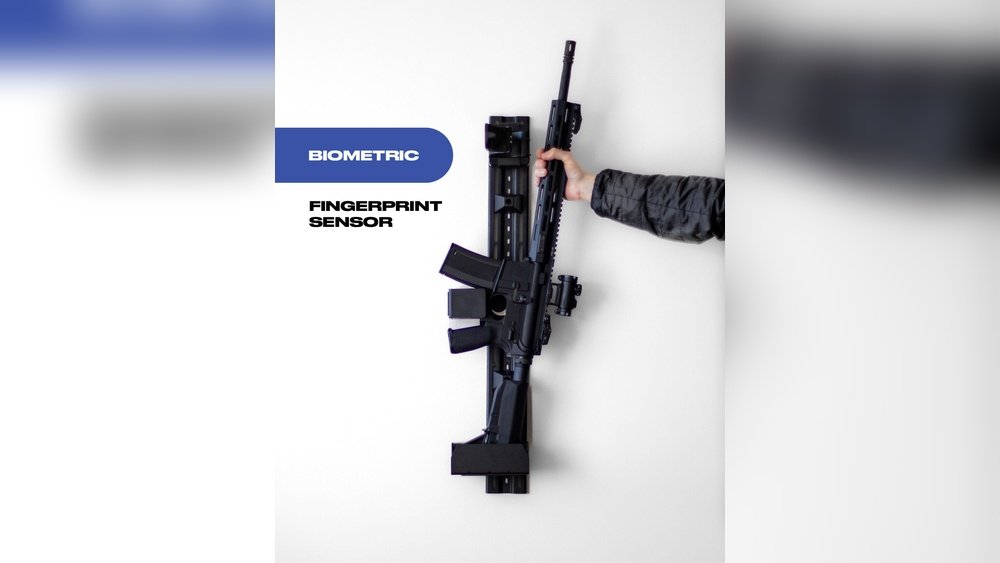
Are you concerned about keeping your firearms secure but still want quick access when it matters most? Fingerprint rifle safes promise both high security and convenience by using your unique fingerprint to unlock.
But how accurate are these safes really? Can you trust them to open instantly for you and stay locked from everyone else? You’ll discover the truth behind fingerprint rifle safes—their reliability, speed, and potential flaws—so you can make the best choice for your safety and peace of mind.
Keep reading to find out if this high-tech security is worth it for your needs.
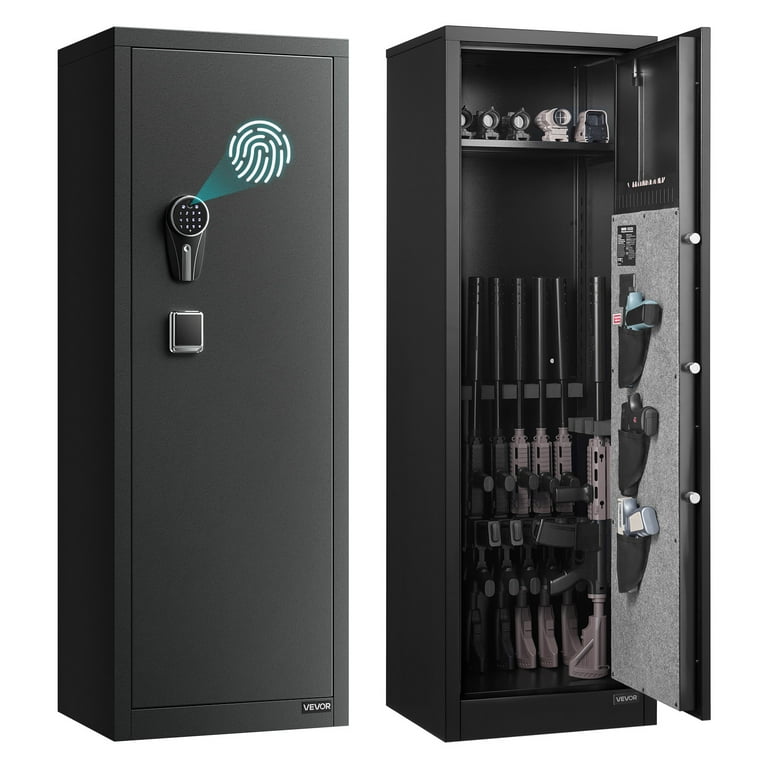
Fingerprint Rifle Safe Basics
Fingerprint rifle safes offer a modern way to protect firearms. They use biometric technology for quick access. This method avoids keys or codes. Many users trust these safes for speed and security. Understanding how they work helps to judge their accuracy. Let’s explore the basics of fingerprint rifle safes.
How Biometric Locks Work
Biometric locks scan your fingerprint to grant access. The safe stores a digital copy of your print. When you place your finger on the scanner, it compares the print to the stored data. If they match, the safe unlocks. This process takes seconds. It provides a balance of security and convenience. The lock only opens for registered users.
Types Of Fingerprint Sensors
Fingerprint sensors come in several types. Optical sensors use light to capture fingerprint images. They are common and affordable. Capacitive sensors detect electrical signals from your skin. They offer better accuracy and resist fake prints. Ultrasonic sensors use sound waves to read deeper skin layers. These provide the highest security but cost more. The sensor type affects the safe’s speed and reliability.
Accuracy Factors
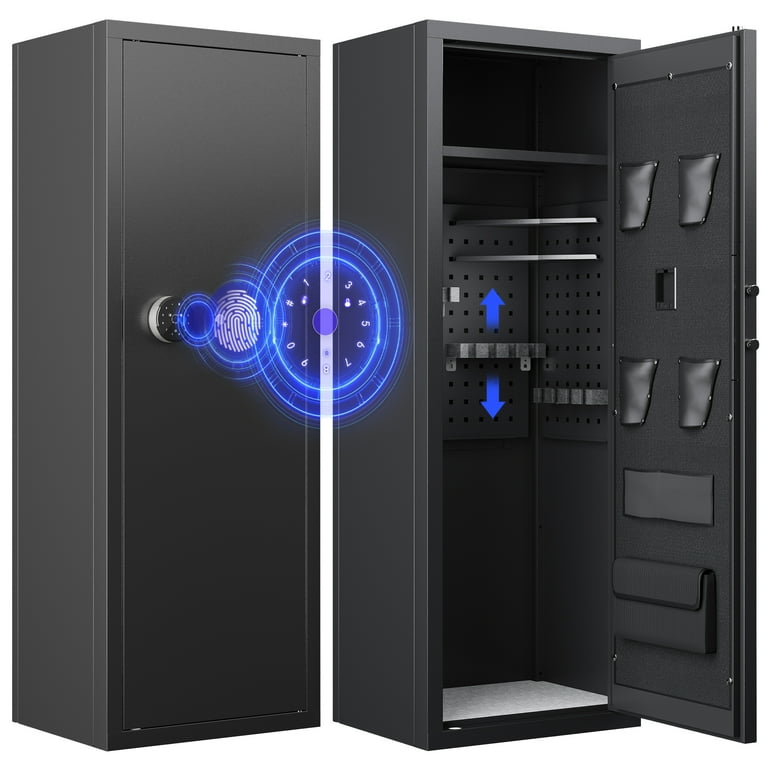
Fingerprint rifle safes rely on technology to grant quick access while keeping guns secure. Their accuracy depends on several key factors. These factors affect how well the safe reads your fingerprint and opens without delays or errors.
Sensor Quality And Technology
The sensor is the heart of a fingerprint safe. High-quality sensors capture clear, detailed fingerprint images. Advanced technology reduces errors and speeds up recognition. Lower-quality sensors might fail to read prints correctly, causing frustration. The type of sensor—optical or capacitive—also impacts accuracy and durability.
Environmental Influences
Environmental conditions affect fingerprint reading. Dirt, moisture, and oil on fingers can interfere with the sensor. Extreme temperatures may cause the sensor to work poorly. Dust or debris on the scanner surface also reduces accuracy. Regular cleaning and protection from harsh environments improve reliability.
User Fingerprint Variations
Each person’s fingerprints can change slightly over time. Cuts, scars, or worn skin affect recognition. Dry or wet fingers can cause reading errors. Some users have faint or unusual fingerprint patterns that challenge the sensor. Registering multiple fingerprints helps reduce access problems.
Security Advantages
Fingerprint rifle safes offer strong security benefits. They combine technology with safety to protect your firearms. These safes ensure your guns stay secure yet accessible only to authorized users. The security features help prevent theft and misuse effectively.
Quick Access In Emergencies
Fingerprint safes provide fast entry. Your fingerprint opens the safe in seconds. No need to remember codes or carry keys. This speed can be crucial during emergencies. It allows you to respond quickly and safely.
The fingerprint sensor works even in low light. This means you can access your rifle anytime. Quick access does not mean less security. The system only recognizes registered fingerprints.
Prevention Of Unauthorized Use
Only registered users can open the safe. The fingerprint scanner stops strangers or children from entering. It prevents unauthorized access effectively. This reduces the risk of accidents or theft.
The safe stores multiple fingerprints for trusted users. You control who can access your guns. The technology makes it hard for thieves to bypass. It adds a strong layer of protection for your firearms.
Common Limitations
Fingerprint rifle safes offer quick access and strong protection. Still, they have some common limitations. These issues can affect how well the safe works. Understanding these limits helps set the right expectations.
False Rejections
False rejections happen when the safe does not recognize an authorized fingerprint. Dirt, sweat, or cuts on fingers can cause this. It can be frustrating to wait or try again. False rejections slow down access in urgent moments.
Sensor Wear And Tear
The fingerprint sensor may wear out over time. Constant use can reduce its sensitivity and accuracy. Dust, oil, or scratches on the sensor also lower performance. Regular cleaning and gentle use help keep it working longer.
Power And Battery Concerns
Most fingerprint safes run on batteries. Low power can cause the sensor to fail or respond slowly. Some models alert you before power runs out. Carrying backup batteries or using external power can avoid lockouts.
Comparing Alternatives
Choosing the right rifle safe depends on many factors. Accuracy, speed, and ease of use matter most. Comparing fingerprint safes with other options helps you decide the best fit. Each type has unique strengths and weaknesses. Understanding these can guide your choice for security and convenience.
Traditional Key And Combination Locks
Traditional locks are simple and proven. Keys can be lost or copied easily. Combination locks need you to remember codes. Both are mechanical and do not rely on power. They work well in any environment. But unlocking takes longer than fingerprint safes. They lack the quick access feature that many want.
Rfid And Smartphone Controls
RFID safes use cards or fobs to open. They are faster than keys and combos. Cards can be misplaced or stolen, though. Smartphone controls let you open safes remotely. These depend on apps and battery life. Connectivity issues may cause delays or failures. They offer convenience but may face technical problems. Fingerprint safes avoid some of these issues by using your unique print.

Improving Fingerprint Safe Reliability
Improving the reliability of fingerprint rifle safes is key to keeping guns secure. These safes use biometric technology to allow quick access only to authorized users. Still, their accuracy can vary. Taking steps to boost their performance helps avoid frustration and safety risks.
Maintaining the fingerprint scanner and choosing the right safe model makes a big difference. Small actions keep the system running smoothly. Good quality safes provide stronger security and better fingerprint recognition.
Maintenance Tips
Clean the fingerprint scanner regularly with a soft cloth. Dirt and oils on the sensor reduce accuracy. Avoid harsh chemicals that can damage the sensor surface. Keep your fingers clean and dry before using the scanner. Moisture or dirt on fingers can cause read errors. Update the safe’s firmware if available. Manufacturers often improve scanner performance with software updates. Check battery levels often, as low power can cause malfunctions. Store the safe in a dry place to prevent moisture buildup inside.
Selecting High-quality Models
Choose safes from reputable brands with good reviews. High-quality models use better sensors and software for faster, accurate scans. Look for safes with multiple fingerprint storage options. This allows several users to access the safe reliably. Select models with backup access methods like a keypad or key. This helps if the fingerprint reader fails or your finger is injured. Consider safes designed for cold or humid environments if needed. These conditions can affect scanner reliability and battery life.
Frequently Asked Questions
How Reliable Are Fingerprint Rifle Safes In Real Use?
Fingerprint rifle safes are generally reliable with modern sensors. They quickly recognize registered fingerprints, allowing fast access. However, reliability may vary based on sensor quality and user maintenance. Regular cleaning and proper setup improve accuracy and prevent access delays.
Can Fingerprint Rifle Safes Prevent Unauthorized Access Effectively?
Yes, these safes effectively prevent unauthorized access by using biometric data. Only registered fingerprints unlock the safe, reducing risks of theft. Some models include backup keys or passcodes for emergency access, balancing security and convenience.
What Factors Affect Fingerprint Rifle Safe Accuracy?
Accuracy depends on sensor quality, fingerprint registration process, and user finger condition. Dirty or wet fingers can cause recognition issues. Environmental factors like dust and humidity may also impact sensor performance, requiring occasional cleaning and proper usage.
Do Fingerprint Rifle Safes Work Well In Low Light Conditions?
Fingerprint rifle safes function well in low light since sensors use touch recognition. They do not rely on external light sources, allowing easy access in darkness. This feature improves safety and convenience during night-time use.
Conclusion
Fingerprint rifle safes offer good accuracy for quick access. They use your fingerprint to open, making it fast and easy. Sometimes, dirt or wet fingers can cause errors. Regular cleaning helps keep the scanner working well. These safes balance security with convenience for most users.
Remember, no system is perfect, but they work well. Choose a safe that fits your needs and budget. Safe storage is key to protecting your firearms. Trust your fingerprint safe, but always test it often.