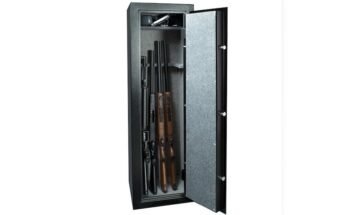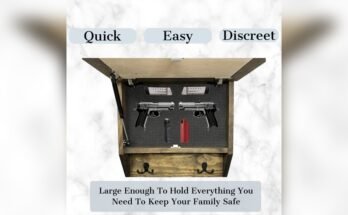
When it comes to protecting your firearms, you might think a solid, sturdy safe is enough. But have you ever considered how insulation plays a role in keeping your guns safe?
You might be surprised to learn that insulation inside your rifle safe can make a big difference—especially when it comes to temperature changes and moisture control. If you want to ensure your firearms stay in top condition for years, understanding insulation is key.
Keep reading to find out why insulation matters more than you might think and how it can protect your investment better than just steel walls alone.
Why Insulation Matters
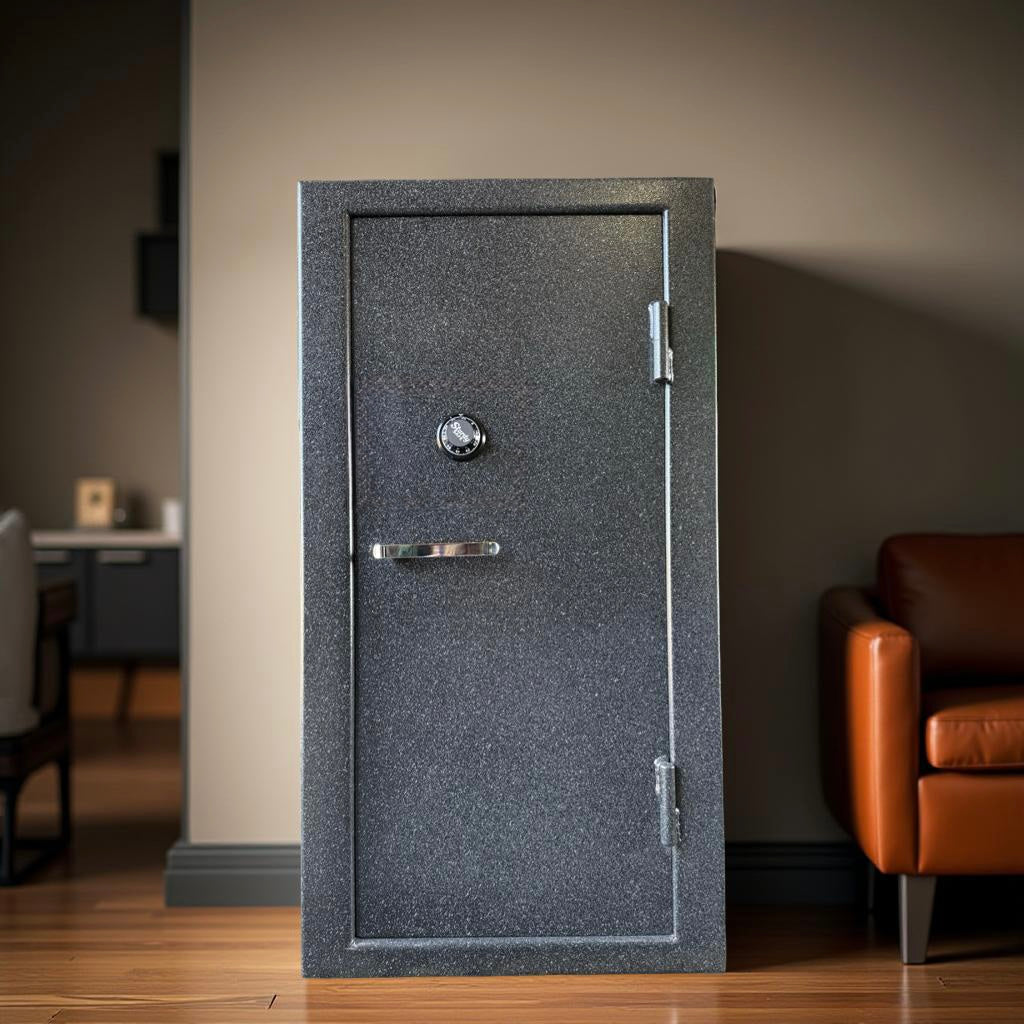
Insulation in rifle safes plays an important role in protecting your firearms and valuables. It helps maintain a steady internal environment. A well-insulated safe guards your guns from damage caused by external conditions. This section explains why insulation matters for rifle safes.
Temperature Fluctuations And Fire Risk
Rapid temperature changes can harm your firearms. Metal parts may expand and contract, causing wear or damage. Insulation slows down these changes inside the safe. It acts as a barrier against extreme heat during a fire. This extra layer of protection gives your guns more time to survive. Insulated safes reduce the chance of heat damage. They help keep your collection safe in harsh conditions.
Humidity Control Inside Safes
Humidity causes rust and corrosion on metal parts. Firearms need dry air to stay in good shape. Insulation helps keep moisture levels steady inside the safe. It limits the movement of warm, moist air entering the safe. This reduces condensation and dampness. A stable humidity level stops rust from forming. Insulated safes protect your guns from moisture damage over time.
Types Of Insulation For Rifle Safes
Choosing the right insulation for your rifle safe helps protect your firearms. It controls temperature and humidity inside the safe. Different insulation types offer unique benefits. Understanding these options helps you pick the best fit for your needs.
Foam Insulation
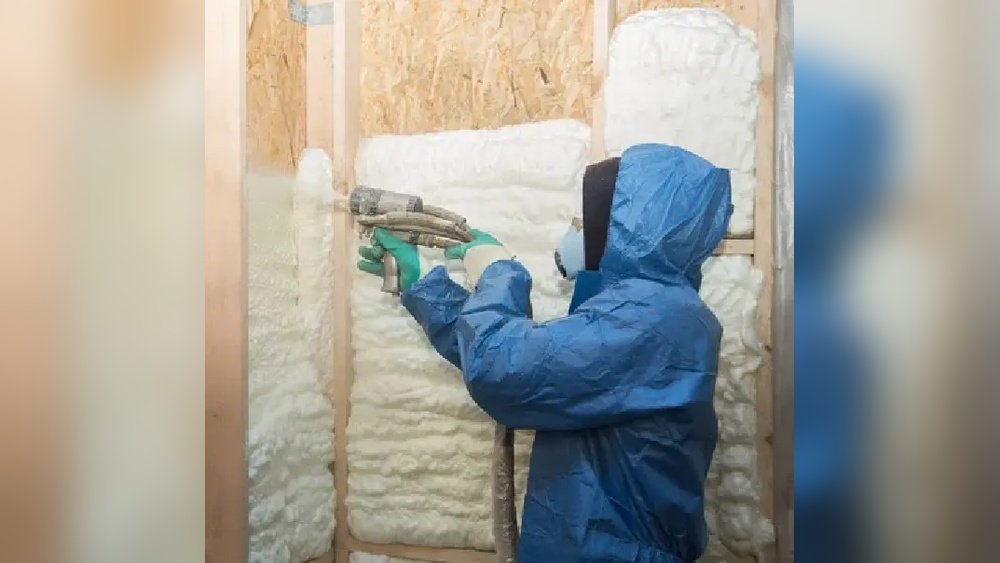
Foam insulation is common in rifle safes. It is lightweight and easy to install. Foam traps air, which slows heat transfer. This keeps the safe’s interior temperature stable. It also reduces moisture buildup inside the safe. Closed-cell foam types resist water better than open-cell foams. Foam insulation helps maintain safe conditions for firearms.
Mineral Wool
Mineral wool is made from natural rock or slag fibers. It withstands very high temperatures without melting. This makes it fire-resistant and safe for gun storage. Mineral wool also absorbs sound well, reducing noise from the safe. It does not hold moisture, which prevents rust on guns. Mineral wool adds strong insulation and fire protection to rifle safes.
Reflective Barriers
Reflective barriers use shiny surfaces to reflect heat. They are often made from aluminum foil or metalized films. These barriers block radiant heat from entering the safe. They work best when combined with other insulation types. Reflective barriers help keep your rifles cool in hot conditions. They also reduce energy loss in climate-controlled safes.
Impact On Fire Resistance
Fire resistance is a key factor for rifle safes. Protecting your firearms from fire damage means more than just a strong lock. Insulation plays a major role in keeping heat away from the contents inside. This section explains how insulation affects fire resistance and what standards rifle safes follow.
How Insulation Enhances Fire Protection
Insulation acts as a barrier against heat. It slows down heat transfer from outside to inside the safe. This delay helps keep the internal temperature low during a fire. Lower temperatures protect your rifles and ammunition from damage. Good insulation can keep the safe cool for 30 minutes or more in extreme heat.
Materials like gypsum or mineral wool are common in insulated safes. These materials absorb heat and reduce the risk of ignition inside the safe. Without insulation, the fire’s heat can quickly damage the safe’s contents. Insulation increases the safe’s ability to withstand higher temperatures for longer times.
Safe Ratings And Insulation Standards
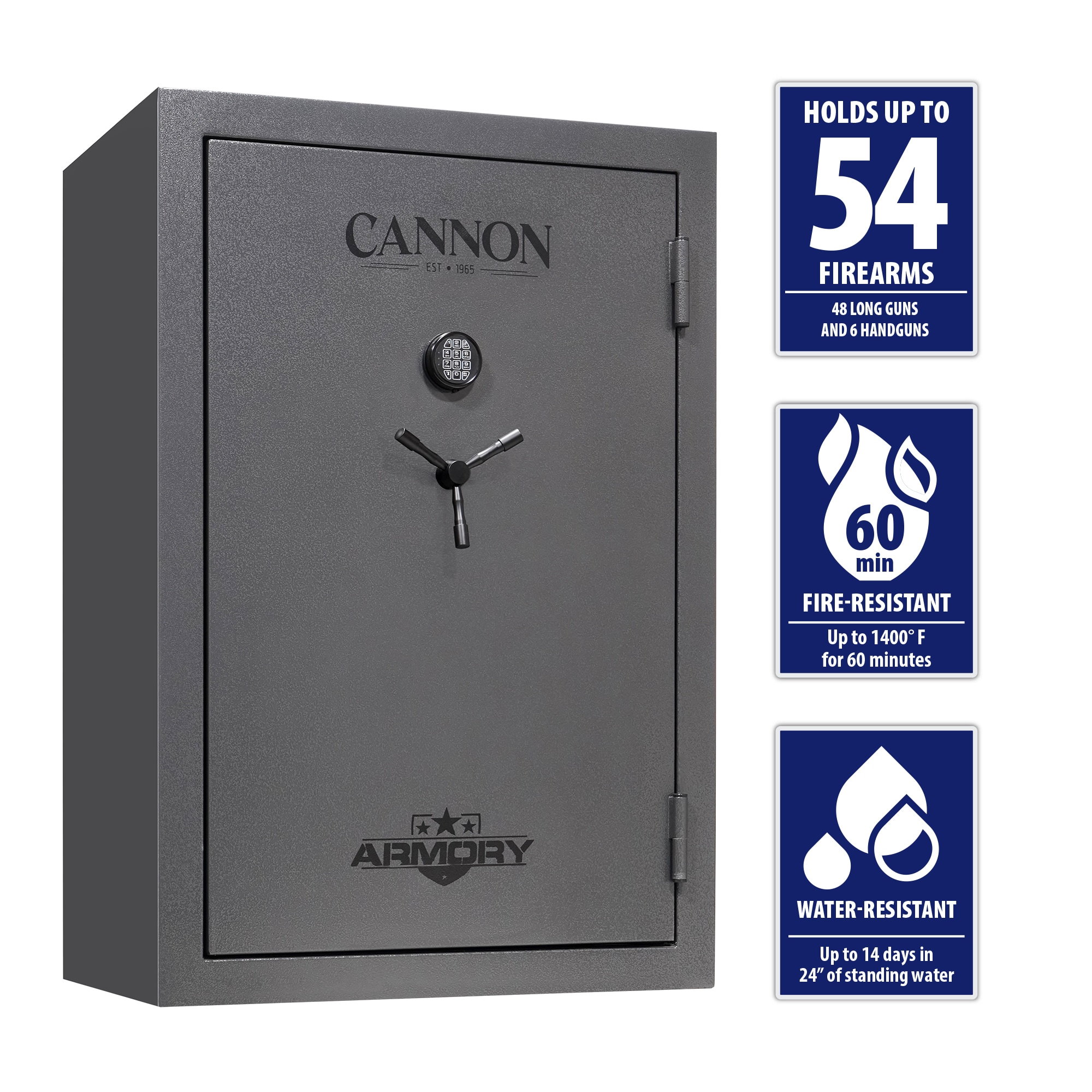
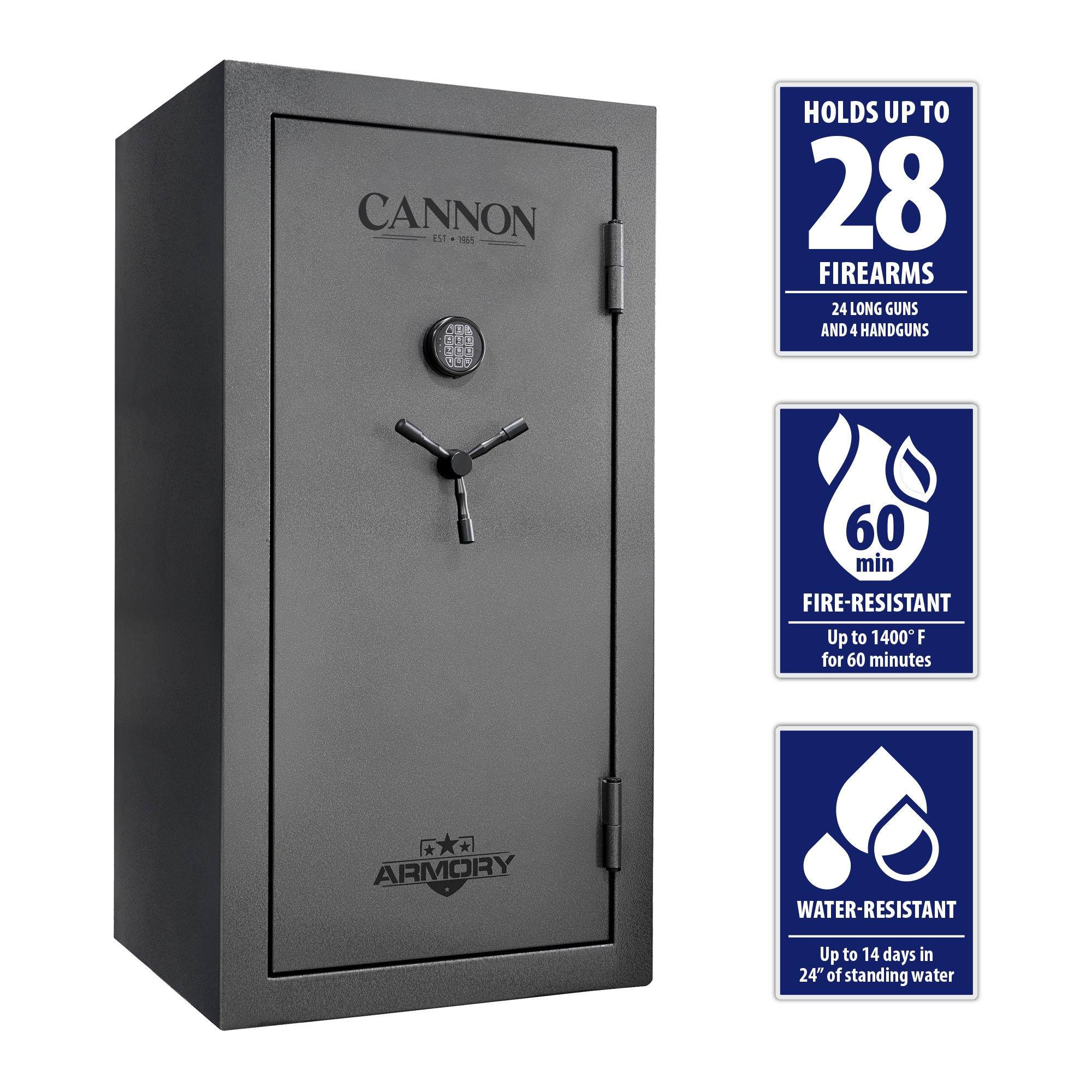
Fire ratings show how long a safe can protect against fire. These ratings depend on insulation quality and thickness. Common ratings include 30, 60, or 90 minutes of fire protection. A 60-minute rated safe means it can keep the inside below damaging temperatures for one hour.
Standards like UL (Underwriters Laboratories) test safes by exposing them to intense heat. They check if the insulation prevents heat from reaching critical levels inside. Safes with higher ratings usually have thicker or better insulation. Choosing a safe with a good fire rating ensures better protection for your firearms.
Preventing Moisture Damage
Moisture inside a rifle safe can cause serious damage. Rust and corrosion may harm your firearms and valuables. Preventing moisture buildup is essential for safe storage. Proper insulation plays a key role in controlling moisture levels.
Role Of Insulation In Condensation Control
Insulation helps keep the safe’s interior temperature steady. This reduces the chances of condensation forming inside. When warm, moist air hits cold metal, water droplets appear. Insulation acts as a barrier, slowing heat transfer. This keeps metal surfaces warmer and dry. Less condensation means less risk of rust and mold. A well-insulated safe protects firearms better from moisture damage.
Additional Moisture Prevention Methods
Use desiccant packs or dehumidifiers inside the safe. These absorb extra moisture from the air. Keep the safe in a dry room with good ventilation. Avoid placing wet or damp items inside. Regularly check for leaks or cracks in the safe’s seals. Clean the safe often to prevent mold growth. These steps work well alongside insulation to protect your firearms.
Installation Tips For Effective Insulation
Installing insulation in a rifle safe helps protect your firearms from moisture and temperature changes. Proper insulation keeps the inside environment stable. It prevents rust and damage to your rifles over time. Follow these tips to install insulation effectively and safely.
Selecting The Right Materials
Choose insulation materials that resist moisture and mold. Closed-cell foam boards work well because they block water and air. Avoid materials that absorb water, like fiberglass. Use vapor barriers to stop moisture from entering the safe. Thin foam sheets or rubber mats also help reduce temperature changes.
Proper Application Techniques
Clean the inside walls of the safe before applying insulation. Cut the insulation to fit snugly without gaps. Use adhesive sprays or double-sided tape to hold insulation in place. Seal edges with waterproof tape to prevent moisture entry. Do not cover ventilation holes; they help air circulate. Check insulation regularly and replace if damaged.
Balancing Insulation With Ventilation
Balancing insulation with ventilation in rifle safes is important. Insulation keeps the safe’s interior at a stable temperature. This protects guns from extreme heat or cold. Ventilation allows fresh air to circulate inside. Good airflow prevents moisture buildup that harms firearms.
Too much insulation without ventilation traps moisture. This causes rust, mold, and mildew. Too much ventilation without insulation exposes guns to temperature changes. The right balance keeps guns safe and dry.
Avoiding Mold And Mildew
Mold and mildew grow in damp, warm places. A rifle safe without proper airflow can trap humidity. Insulation alone does not stop moisture from forming inside. Ventilation helps remove excess humidity. This stops mold spores from settling on guns and gear. Use vents or a dehumidifier to keep the air dry. This protects your firearms and your health.
Maintaining Airflow
Airflow inside a rifle safe reduces moisture and heat buildup. Small vents or fans help air move freely. This prevents condensation on metal surfaces. Proper airflow also prevents musty odors. Without airflow, stale air damages wood stocks and leather accessories. Ensure your safe has vents or use moisture absorbers. This keeps the safe fresh and your firearms in good condition.
Other Essential Protection Tips
Protecting your rifles goes beyond just insulation. Other steps help keep your guns safe and in good shape. These tips focus on controlling moisture and choosing the right spot for your safe. Both are key to stopping rust and damage.
Using Dehumidifiers And Desiccants
Moisture can ruin your firearms over time. Dehumidifiers pull water from the air inside your safe. They keep the space dry and stop rust from forming. Desiccants, like silica gel packs, absorb moisture too. Place them inside your safe to trap any dampness. Both tools work well together to keep your guns dry.
Safe Placement And Environmental Considerations
Where you put your rifle safe matters a lot. Avoid basements or places that get very damp. Choose a spot with steady temperature and low humidity. Keep the safe away from windows or walls that get wet. A dry, cool place helps protect your rifles better. Think about air flow and heat sources nearby, too. A good location supports your safe’s insulation and moisture control.
Frequently Asked Questions
Does Insulation Protect Rifles From Temperature Changes?
Yes, insulation helps maintain stable temperatures inside rifle safes. It reduces heat and cold fluctuations that can damage firearms over time.
How Does Insulation Prevent Moisture In Rifle Safes?
Insulation limits condensation by controlling temperature differences. This helps prevent rust and corrosion on guns stored inside the safe.
Is Insulated Safe Better For Gun Preservation?
An insulated safe offers better protection against environmental damage. It prolongs the lifespan and reliability of firearms by reducing temperature and humidity risks.
Can Insulation Reduce Energy Costs For Gun Safes?
Yes, insulation improves energy efficiency by maintaining consistent internal temperatures. This reduces the need for additional climate control devices.
Conclusion
Insulation helps protect rifles from heat and moisture damage. It keeps the safe’s inside temperature steady. This can stop rust and warping of your guns. A good insulated safe adds an extra layer of security. It also helps preserve your rifles for years.
Choosing a safe with insulation is a smart choice. It gives peace of mind about your gun’s condition. So, yes, insulation does matter in rifle safes. It keeps your firearms safe and in good shape.