Are you thinking about storing your rifles safely? You might wonder, “Do I really need a lock for my rifles?”
The answer isn’t just about rules—it’s about protecting what matters most: your family, your home, and your peace of mind. Imagine the risk of leaving rifles unsecured, and the relief you’ll feel knowing they’re locked away safely. Keep reading to discover why securing your rifles is more important than you might think, and how a simple lock can make all the difference.
Importance Of Rifle Locks
Rifle locks play a vital role in safe gun storage. They protect rifles from misuse and accidents. Keeping rifles locked helps maintain control and safety in homes and other places. Understanding their importance helps owners make responsible choices. Safe storage lowers risks linked to firearms.
Preventing Unauthorized Access
Rifle locks stop unauthorized people from using guns. Children, guests, or burglars cannot easily access locked rifles. This reduces theft and misuse risks. Locks create a barrier, making rifles unavailable without permission. Safe storage gives peace of mind to owners and families.
Legal Requirements And Regulations
Many places require rifles to be locked by law. Some states or countries have strict rules about gun storage. Using a rifle lock helps follow these laws and avoid penalties. Owners must know local rules to store guns safely. Legal compliance protects both owners and the public.
Reducing Accidental Injuries
Accidental shootings often happen when rifles are unlocked. A locked rifle lowers chances of accidents at home. Children and visitors are safer with locked firearms. Locks prevent quick access, reducing harm risks. Safe habits save lives and avoid tragic events.
Types Of Rifle Locks
Rifle locks come in different types to protect your firearms safely. Each type offers unique features to keep rifles secure and prevent unauthorized use. Knowing these types helps you choose the best lock for your needs.
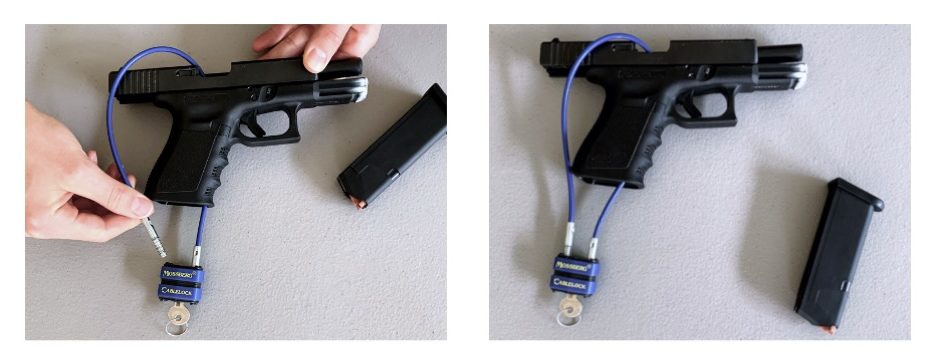
Cable Locks
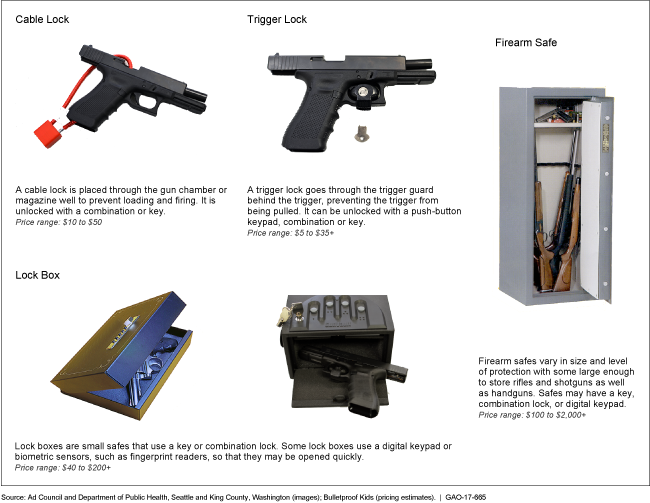
Cable locks are flexible and easy to use. They thread through the rifle’s action or barrel, blocking the gun from firing. These locks are lightweight and portable. They offer basic security and are affordable for most gun owners.
Trigger Locks
Trigger locks cover the trigger area of the rifle. They stop the trigger from being pulled. This type is simple and quick to put on or take off. Trigger locks are small and often come with keys or combination codes.
Gun Safes
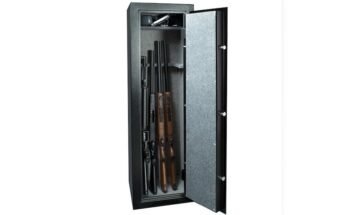
Gun safes provide the highest level of protection. They store rifles and other firearms securely inside a locked box. Safes keep guns safe from theft, fire, and damage. Many safes have digital or biometric locks for quick access.
Choosing The Right Storage Solution
Choosing the right storage solution for rifles is important for safety and convenience. Proper storage keeps rifles secure and helps prevent accidents. It also protects your firearms from damage and theft. Understanding your needs helps you pick the best option.
Evaluating Security Needs
Start by thinking about who might access your rifles. Children or unauthorized people increase the risk. A strong lock or safe can stop unwanted access. Consider the value and type of rifles you have. More expensive or rare rifles need higher security. Choose a storage option that fits these needs.
Considering Accessibility
Easy access matters during emergencies or regular use. You want quick access without losing safety. Some locks offer fast opening methods like combination codes. Others require keys or digital access. Balance how often you use the rifle with how secure the lock is. Accessibility should not reduce safety.
Balancing Cost And Protection
Storage solutions come in many price ranges. Expensive safes offer strong protection but cost more. Cheaper locks provide basic security but less durability. Find a balance between your budget and needed protection. Investing in good storage can save trouble and costs later.
Additional Safety Tips
Storing rifles safely means more than just using locks. You must follow several safety tips to protect everyone. These tips help keep rifles in good condition and prevent accidents.
Safe Handling Practices
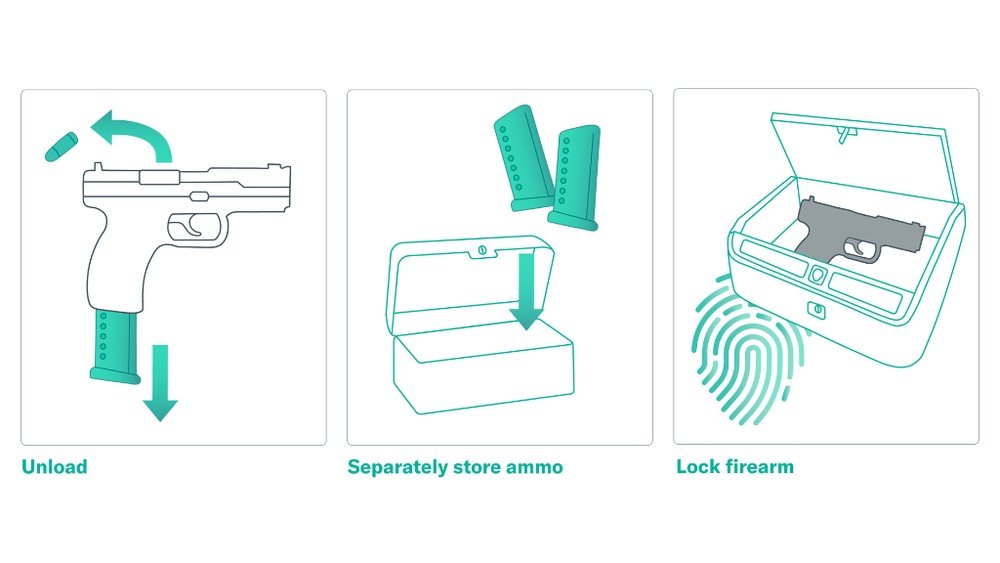
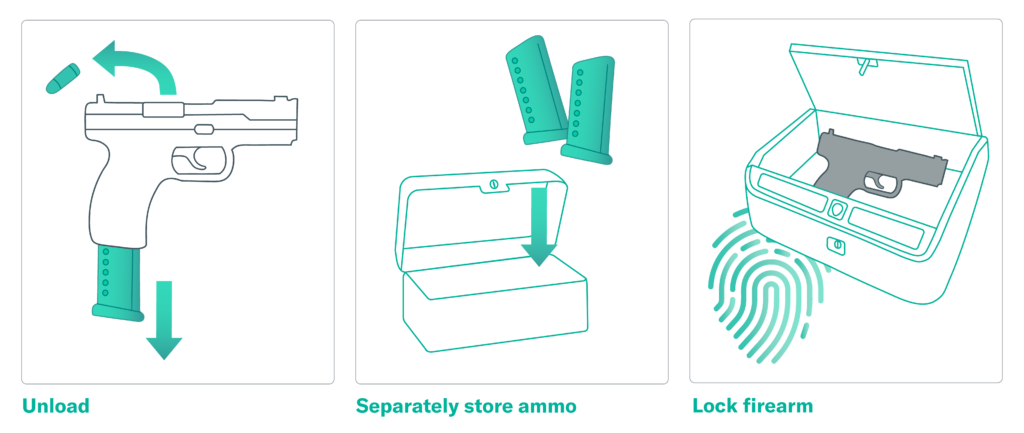
Always treat rifles as if they are loaded. Keep the muzzle pointed away from people. Use the safety switch on the rifle. Never handle a rifle while tired or distracted. Store ammunition separately from the rifle. These habits lower the risk of accidental injury.
Regular Maintenance And Inspection
Check your rifle often for damage or dirt. Clean it regularly to prevent rust and jams. Look for loose parts or worn-out pieces. Fix problems before storing the rifle. Regular care keeps the rifle working well and safe to use.
Educating Household Members
Teach everyone in your home about rifle safety. Explain the dangers and rules clearly. Show children that rifles are not toys. Make sure everyone knows how to act around firearms. Education helps avoid accidents and builds respect for guns.
Common Mistakes To Avoid
Storing rifles safely is very important. Many people make mistakes that put their firearms at risk. Avoiding these errors helps protect your rifles and keeps others safe around you. Learn about common mistakes to avoid when storing rifles.
Ignoring Locking Devices
Some people skip using locks on their rifles. This is unsafe. Locks stop unauthorized access. A rifle without a lock is easy to misuse. Always use a reliable locking device. It adds a strong layer of protection.
Improper Storage Locations
Storing rifles in the wrong place is risky. Avoid places that are easy to reach by children or strangers. Do not store rifles in damp or hot areas. These conditions damage the rifle over time. Choose a secure, dry spot that only you can access.
Neglecting Legal Responsibilities
Many forget about firearm laws. Each area has rules for storing rifles. Breaking these laws can lead to fines or worse. Learn the laws where you live. Follow all rules to keep yourself safe and legal.
Frequently Asked Questions
Do Rifles Legally Require A Lock For Storage?
Many regions mandate locking rifles during storage to prevent unauthorized access. Laws vary by location, so check local regulations for compliance. Using a lock enhances safety and legal adherence.
What Types Of Locks Are Best For Rifle Storage?
Cable locks, trigger locks, and gun safes are popular for rifle security. Gun safes provide the highest protection by restricting unauthorized access. Choose based on convenience and security needs.
How Does A Lock Improve Rifle Safety At Home?
Locks prevent accidental discharge and unauthorized use by children or intruders. They reduce theft risk and promote responsible firearm ownership. Proper locking is essential for safe storage.
Can Storing Rifles Without Locks Increase Liability Risks?
Yes, unsecured rifles can lead to legal and financial consequences if misused. Liability increases if unauthorized persons access the firearm. Locking rifles helps mitigate these risks effectively.
Conclusion
Storing rifles safely protects your family and property. A good lock prevents accidents and theft. It is a small step for big peace of mind. Choose a lock that fits your needs and budget. Safe storage shows responsibility and care.
Don’t risk harm or loss by leaving rifles unsecured. Take action today to keep your firearms locked and safe. Simple, smart, and secure.