Are you thinking about using an under-bed safe to protect your valuables? You might be wondering if these safes really keep your belongings secure from prying eyes and tools.
After all, the last thing you want is to invest in a safe that can be easily forced open. You’ll discover whether under-bed safes come with pry-resistant features designed to stop thieves in their tracks. Keep reading to find out what makes a safe truly secure and how you can choose the best one to protect what matters most to you.
Types Of Under-bed Safes
Under-bed safes come in different types. Each type offers unique features and levels of security. Choosing the right safe depends on your security needs and budget. Understanding the types helps you pick a safe that resists prying attempts effectively.
Steel Construction Variants
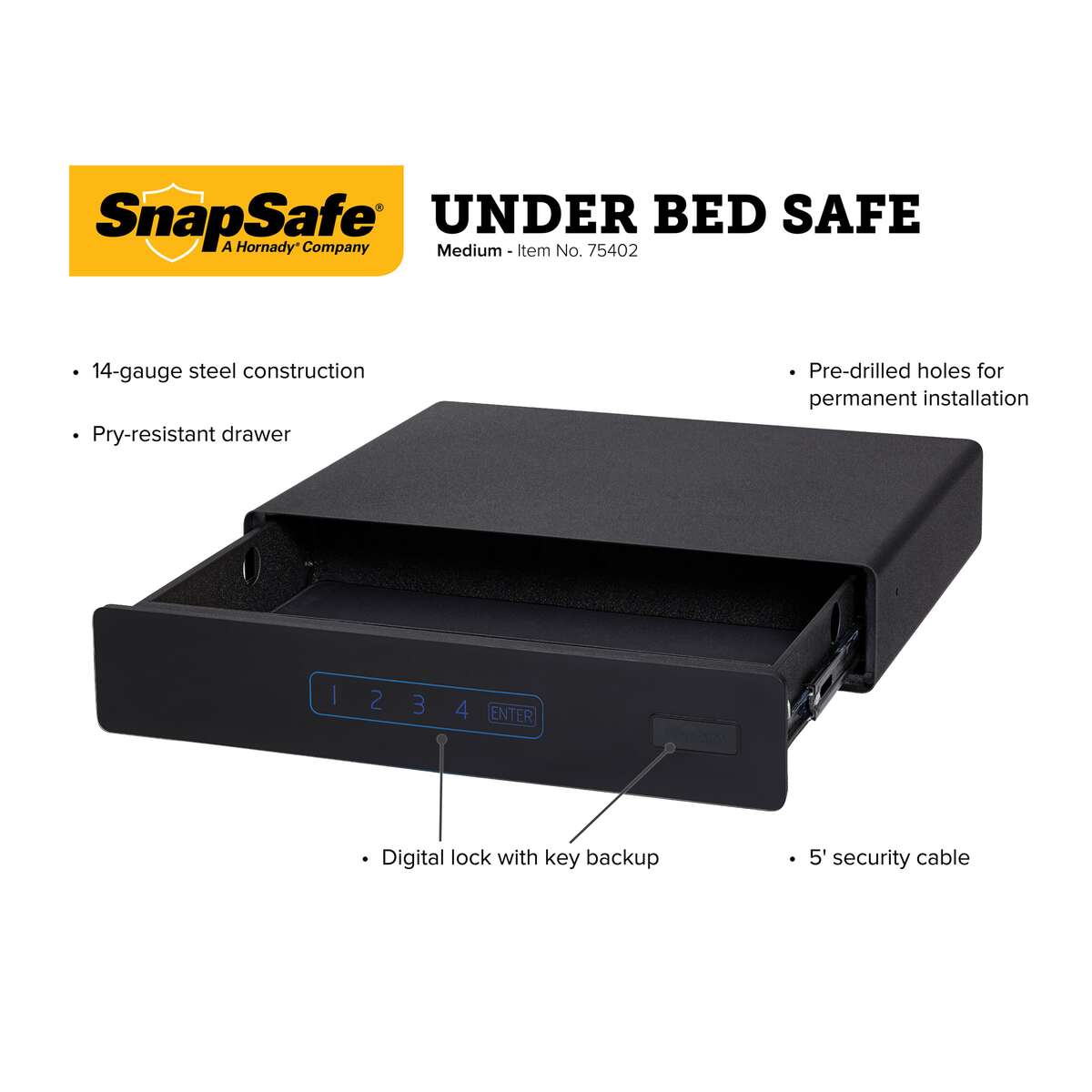
Steel is the main material in most under-bed safes. Thickness varies from thin to heavy-duty steel. Thick steel offers better protection against prying tools. Some safes have reinforced edges to stop crowbars and other tools. Others use double-layer steel for extra strength. The steel quality affects the safe’s weight and durability. Heavier safes usually mean stronger resistance to attacks.
Locking Mechanisms
Lock types differ among under-bed safes. Mechanical dial locks are common and reliable. Electronic keypad locks offer quick access and reset options. Some safes include biometric locks like fingerprint scanners. Good locking mechanisms add another layer of prying resistance. They often have anti-tamper features to alert or block forced entry. A strong lock reduces the chance of easy break-ins.
Common Pry-resistant Features
Under-bed safes often include special features to stop thieves from prying them open. These features make the safe harder to break into. They protect your valuables from tools like crowbars or screwdrivers.
Common pry-resistant features focus on strong materials and smart design. Each part of the safe works to block forced entry. These safes provide peace of mind by making theft very difficult.
Reinforced Steel Panels
Reinforced steel panels are thick and tough. They resist bending and cutting by hand tools. These panels form a strong shell around your items. Thieves find it hard to break through this metal layer.
Concealed Hinges
Concealed hinges hide the pins and joints of the safe door. This design stops thieves from removing the door easily. Without visible hinges, prying tools have less grip. This feature increases the safe’s overall security.
Lock Protection Design
Lock protection designs guard the lock from tampering. They cover the lock area with extra metal guards. This stops thieves from drilling or forcing the lock open. The lock remains secure even under attack.
Testing Pry Resistance
Testing pry resistance is a key part of evaluating under-bed safes. It shows how well the safe can stop thieves using tools to force it open. This type of testing helps buyers trust the safe’s security features. It also ensures the safe meets safety expectations.
Industry Standards
Industry standards set clear rules for pry resistance. These rules guide safe makers on how strong their products must be. Tests often use special tools to try prying open the safe. The safe must resist these attacks for a set time. Meeting these standards means the safe offers real protection.
Certification from recognized bodies proves the safe passed pry tests. These certificates help customers choose safes with verified security. The tests usually simulate common break-in methods. They check if the safe’s materials and design prevent prying.
Real-world Break-in Scenarios
Testing also mimics real break-in attempts. Thieves often use crowbars or screwdrivers to pry open safes. Testing shows if the safe’s construction can stop these tools. Under-bed safes with pry-resistant features resist bending and gaps.
Strong hinges and reinforced edges add to pry resistance. Real-world tests reveal weak points in safe designs. Safe makers improve their products based on these findings. Buyers get safes that stand up better to actual break-ins.

Limitations Of Under-bed Safes
Under-bed safes offer a hidden spot for valuables. They fit neatly under your bed, making them less noticeable. But they come with some limits. These limits affect how safe your items really are.
Size And Placement Constraints
Under-bed safes must be small enough to fit under beds. This limits their size and storage space. You cannot store large items or many valuables inside. Placement under the bed also limits how securely you can fix the safe in place. Some models only rest on the floor, making them easier to move or steal.
Vulnerabilities To Tools
Many under-bed safes do not have strong pry-resistant features. Thieves can use crowbars or screwdrivers to force them open. Thin walls and weak locks increase this risk. The safe’s hidden location helps, but it does not stop determined thieves with tools. This makes under-bed safes less secure than heavier, more robust safes.
Enhancing Security Beyond Pry Resistance
Under-bed safes often feature pry-resistant designs to stop easy break-ins. Yet, true security goes beyond just resisting prying. Adding extra layers of protection makes your safe much harder to steal or damage. These enhancements focus on fixing the safe firmly in place and using other security tools. This way, your valuables stay safer even if someone tries force or trickery.
Bolting And Anchoring Options
Many under-bed safes have holes for bolts or screws. These let you attach the safe to the bed frame or floor. Anchoring prevents thieves from carrying the whole safe away. Using strong bolts and proper tools boosts the safe’s hold. Even if a thief tries to pry or lift, the safe stays fixed and difficult to move.
Supplementary Security Measures
Extra security tools can increase safe protection. Alarm systems alert you if the safe moves or opens. Motion sensors nearby can spot unwanted activity. Security cameras record any suspicious behavior. Using these measures with a pry-resistant safe creates a strong defense. They add peace of mind by making theft attempts riskier and easier to detect.
Choosing The Right Safe For Your Needs
Choosing the right under-bed safe is important for protecting valuables. Different safes offer different levels of security and convenience. Finding a balance between safety and ease of use helps meet your specific needs. Consider what matters most before making a decision.
Balancing Portability And Security
Some safes are light enough to move but may lack strong security features. Heavier safes often resist prying and theft better. Think about where you will place the safe and how often you might need to move it. A safe that fits under the bed but stays secure is ideal.
Budget Considerations
Safe prices vary widely based on size, material, and security features. Set a budget that matches your needs and the value of items you want to protect. Cheaper safes might not have pry-resistant features. Spending a bit more can improve safety and peace of mind.

Frequently Asked Questions
Do Under-bed Safes Have Pry-resistant Features?
Yes, many under-bed safes include pry-resistant features. These safes use reinforced steel and strong locking mechanisms to resist forced entry. Pry-resistant designs help protect valuables from theft attempts using tools like crowbars or screwdrivers. Always check product details to ensure pry resistance.
How Effective Are Pry-resistant Under-bed Safes?
Pry-resistant under-bed safes offer strong protection against break-ins. Their reinforced construction and secure locks make forced entry difficult and time-consuming. While not completely unbreakable, these safes significantly reduce theft risk and deter burglars, increasing overall security for your valuables.
What Materials Make Safes Pry-resistant?
Pry-resistant safes typically use thick, hardened steel and reinforced hinges. These materials resist bending, cutting, and forced entry attempts. Some safes also feature anti-pry plates and tamper-proof locks. High-quality materials ensure durability and enhance protection against break-in tools.
Can Pry-resistant Safes Be Hidden Under Beds?
Yes, many pry-resistant safes are designed to fit discreetly under beds. Their low profile and secure construction allow easy concealment while maintaining strong protection. This combination of stealth and durability provides an effective way to safeguard valuables in your home.
Conclusion
Under-bed safes often include pry-resistant features to protect your valuables. These safes use strong materials and special locks to stop thieves. While no safe is completely foolproof, many offer good security for home use. Choosing a safe with pry resistance adds an important layer of protection.
It helps keep your items safe from quick break-ins. Always check the safe’s features before buying to ensure it meets your needs. A well-made under-bed safe can give you peace of mind. Safe storage matters, especially for important items.