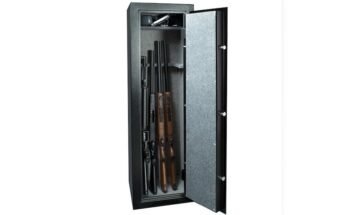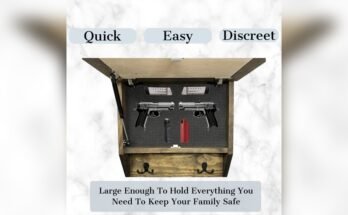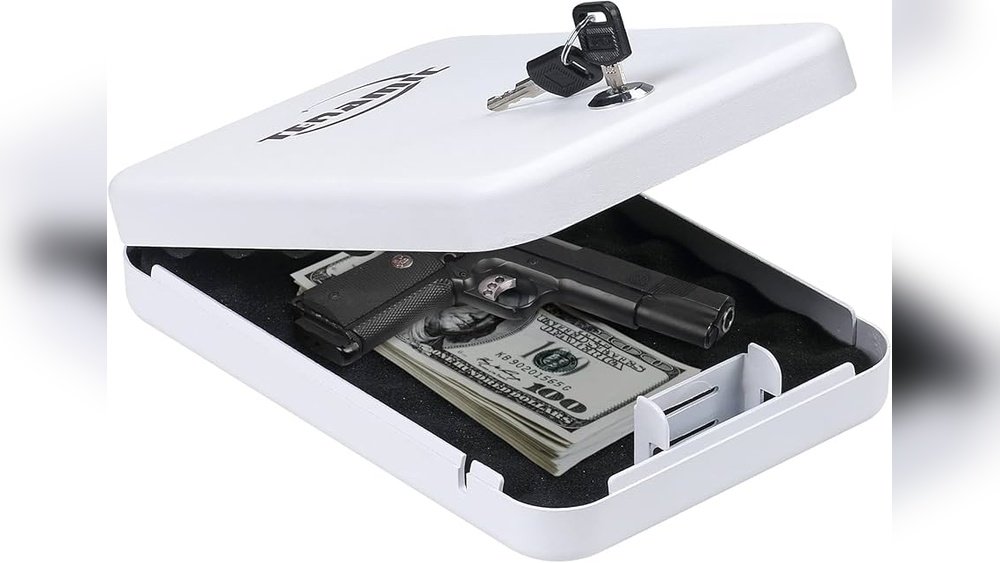
Have you ever wondered if your rifle safe can lose its strength over time? You rely on it to protect your valuable firearms, but what happens as years go by?
Understanding whether rifle safes wear out is key to keeping your guns secure and your mind at ease. You’ll discover the signs of wear, what causes it, and how you can make sure your safe stays reliable for years to come.
Keep reading to protect what matters most.

Lifespan Of Rifle Safes
The lifespan of rifle safes depends on many factors. A well-made safe can last decades with proper care. Understanding what affects durability helps you protect your investment and your firearms. Below are key points to consider about the lifespan of rifle safes.
Material Durability
Rifle safes are usually made from steel. Thick steel resists damage and wear better than thin steel. Some safes use reinforced materials to increase strength. The quality of locks and hinges also matters. Good materials extend the safe’s life and keep contents secure.
Impact Of Usage Frequency
Opening and closing the safe often can cause wear. Locks and hinges may loosen or break over time. Frequent use requires regular maintenance. Less frequent use means less mechanical wear. Proper handling reduces the chance of damage.
Environmental Factors
Humidity and temperature changes affect safes too. Moisture can cause rust on metal parts. Dry conditions help prevent corrosion. Placing safes in damp basements or garages shortens lifespan. Good ventilation and climate control protect your safe better.
Common Signs Of Wear
Rifle safes are built to last, but over time, they can show signs of wear. These signs affect the safe’s security and function. Knowing what to watch for helps keep your firearms protected. Here are some common signs of wear on rifle safes.
Locking Mechanism Issues
The locking mechanism is the heart of a rifle safe. It can start to fail after years of use. You might notice the lock is hard to turn or does not catch properly. Sometimes, the dial or keypad becomes unresponsive. These problems can stop the door from closing tightly. Regular checks can catch these issues early.
Rust And Corrosion
Rust can form on the safe’s metal parts. This happens when moisture gets inside or outside the safe. Corrosion weakens the metal and can spread quickly. Look for brown or orange spots on hinges, locks, and the door frame. Rust can make the safe harder to open and close. It also reduces the safe’s strength.
Structural Damage
Physical damage to the safe’s body is a clear sign of wear. Dents, cracks, or bent panels can occur from impacts or drops. These damages may create weak points in the safe. The door might not align properly, causing gaps. Structural damage compromises the safe’s ability to protect your rifles. Check your safe for these visible signs regularly.
Maintenance Tips For Longevity
Proper maintenance keeps your rifle safe working well for many years. Simple care steps prevent damage and wear. Regular attention helps your safe stay secure and reliable. Follow these tips to extend your safe’s life.
Regular Cleaning
Dust and dirt can build up inside and outside the safe. Clean the surfaces with a soft cloth. Avoid harsh chemicals that can damage the finish. Use a small vacuum or brush to clear dust from tight spots. Keep the interior free of debris for smooth operation.
Lubricating Locks And Hinges
Locks and hinges need lubrication to work smoothly. Use a light oil or silicone spray designed for locks. Apply sparingly to avoid attracting dust. Regular lubrication prevents rust and keeps parts moving freely. Check these parts every few months for best results.
Controlling Humidity Inside
Moisture can cause rust and damage your rifle safe. Use a dehumidifier or moisture-absorbing packs inside the safe. Keep the safe in a dry area with good air flow. Check humidity levels regularly to protect your firearms and safe’s metal parts.
When To Repair Or Replace
Deciding whether to repair or replace a rifle safe can be tricky. It depends on many factors. You must think about the safe’s condition and how well it still protects your firearms. Knowing when to act helps keep your collection secure.
Evaluating Security Risks
Check the safe for any damage or wear. Look at the locking system closely. If locks or hinges are weak, your guns may not be safe. Consider if the safe still meets your security needs. Older safes might not stop modern break-in tools. Think about the risks of keeping a worn safe.
Cost Vs. Benefit Analysis
Compare repair costs with buying a new safe. Repairs can be cheaper but might only be a short fix. New safes often come with better features and warranties. Calculate if repairs will add up over time. Choose the option that saves money and protects your guns best.
Upgrading To Modern Safes
New safes offer stronger materials and smarter locks. They often resist fire and water better. Upgrading may improve your peace of mind. Modern safes can also be easier to use and organize. Think about replacing your old safe for better safety and convenience.
Choosing Durable Rifle Safes
Choosing durable rifle safes is essential for long-term protection. A safe that lasts protects your firearms and valuables effectively. Durability depends on several key factors. Understanding these helps you pick the best option for your needs.
Material Choices
Steel is the most common and durable material for rifle safes. It resists impact and prevents easy break-ins. Thicker steel offers better protection and lasts longer. Some safes use composite materials to add fire resistance. Choose safes made from quality steel with solid construction for the best durability.
Locking Systems
Strong locking systems improve safe security and lifespan. Mechanical locks are simple and reliable over time. Electronic locks offer quick access but need battery changes. Dual locking systems combine the benefits of both types. Look for safes with robust, tested locks that resist tampering.
Brand Reputation
Brands with a good reputation build reliable, long-lasting safes. They use quality materials and thorough testing. Customer reviews show how safes perform over years. Trust brands known for durability and solid customer support. This reduces the risk of safes wearing out prematurely.

Frequently Asked Questions
Do Rifle Safes Lose Effectiveness Over Time?
Yes, rifle safes can wear out due to frequent use and environmental factors. Regular maintenance helps maintain security and durability.
How Often Should I Maintain My Rifle Safe?
It is recommended to inspect and clean your rifle safe every 6 to 12 months. Proper upkeep prevents rust and mechanical issues.
Can Rust Damage A Rifle Safe’s Security?
Yes, rust can weaken the metal and compromise locking mechanisms. Keeping the safe dry and using rust inhibitors is essential.
What Are Common Signs Of A Worn-out Rifle Safe?
Signs include difficulty locking, rust patches, loose hinges, and weakened seals. These indicate the safe may need repair or replacement.
Conclusion
Rifle safes can last many years with proper care. Regular cleaning and maintenance keep locks working well. Over time, parts may wear and need replacing. Choosing a strong, good-quality safe helps it stay durable. Remember, no safe is completely immune to wear.
Taking care of your safe protects your firearms and peace of mind. Small efforts now save trouble later. Safe storage matters for safety and security every day.