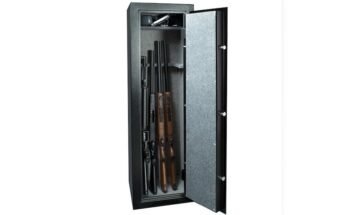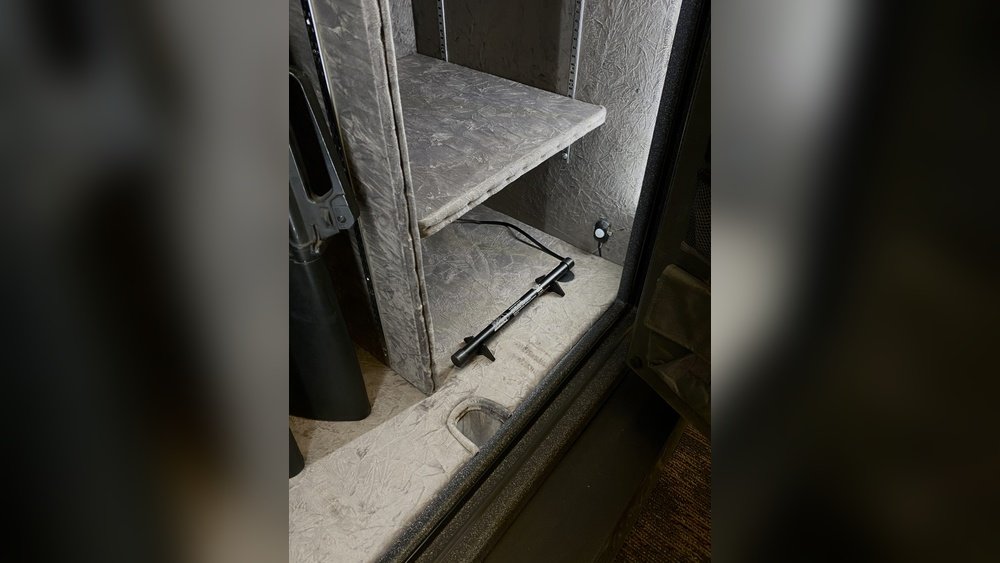
Are you worried about your rifles getting damaged while stored? You might be wondering if your rifle safe needs a dehumidifier to keep your guns in top shape.
Moisture can cause rust and corrosion, which can ruin your firearms over time. But is a dehumidifier really necessary, or can you protect your rifles without one? Keep reading to discover the truth about moisture control and how you can keep your collection safe and ready whenever you need it.

Why Moisture Threatens Rifles
Moisture poses a serious threat to rifles. It can damage both the metal and wooden parts. This damage affects the rifle’s performance and safety. Protecting rifles from moisture is essential for every gun owner. Understanding why moisture harms rifles helps in choosing the right protection methods.
Effects Of Humidity On Metal And Wood
Metal parts of rifles can rust quickly in humid conditions. Rust weakens the metal and causes pitting. Pitting can lead to cracks and breaks over time. Wood absorbs moisture and swells. This swelling can warp the stock and affect accuracy. Dry wood may crack and split, which weakens the rifle’s structure.
Common Signs Of Moisture Damage
Look for rust spots or discoloration on metal surfaces. Sticky or rough spots on metal might indicate corrosion. Wood may show signs of swelling, warping, or dark stains. Cracks or splits in the wood are clear signs of moisture damage. A musty smell inside the safe can also signal excess humidity.
Role Of Dehumidifiers In Rifle Safes
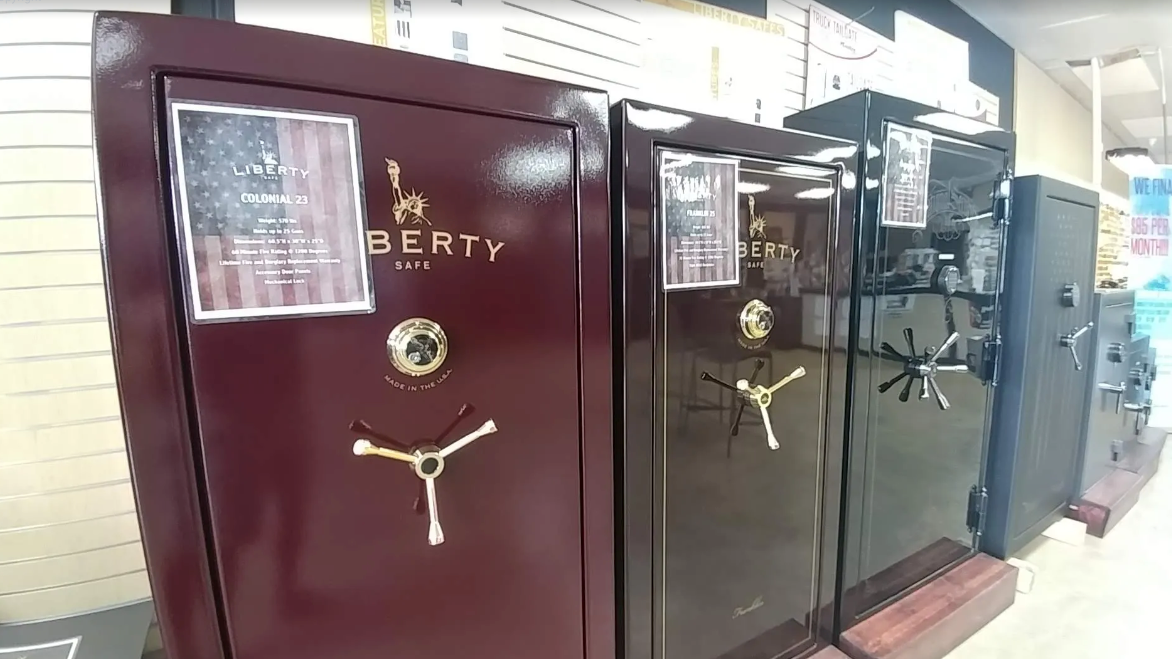
Rifle safes protect your firearms from theft and damage. Moisture is one of the biggest threats inside a safe. It causes rust, corrosion, and mold. A dehumidifier helps control moisture levels. It keeps the air dry inside the safe. This protection extends the life of your rifles and ammunition.
Without moisture control, metal parts can degrade quickly. Wood stocks and leather accessories may also suffer. Dehumidifiers create a safer environment for all your gun parts. They are an important part of safe maintenance.
How Dehumidifiers Work
Dehumidifiers remove moisture from the air. They lower the humidity level inside the safe. Most use a simple process. Air passes through a cooling coil. Moisture in the air condenses into water. The water collects in a tray or container. Some models absorb moisture using special materials. This keeps the air dry without electricity.
By reducing humidity, dehumidifiers stop rust and mold growth. They maintain a stable, dry atmosphere. This protects metal and wood parts from damage. The process is silent and continuous. It works even in closed spaces like rifle safes.
Types Of Dehumidifiers For Safes
There are mainly two types of dehumidifiers for rifle safes. Electric dehumidifiers and desiccant dehumidifiers. Electric models use power to cool air and collect water. They work well in larger safes or humid areas. These need a power source and occasional emptying of water.
Desiccant dehumidifiers use moisture-absorbing materials. Common types include silica gel and clay packets. They require no electricity and are easy to use. You replace or recharge these packets after some time. Desiccants are good for small safes or low humidity.
Choosing the right dehumidifier depends on your safe size and humidity level. Both types help keep rifles dry and safe.
Alternatives To Dehumidifiers
Rifle safes need protection from moisture to keep guns safe. Dehumidifiers are one way to control moisture. There are other options that can work well. These alternatives are easy to use and cost less. They help absorb moisture inside the safe. Let’s explore some good choices.
Silica Gel Packs
Silica gel packs are small and easy to place inside a safe. They absorb moisture from the air and help stop rust. These packs last a long time and can be reused. You just need to dry them out in the sun or oven. Silica gel packs are safe and do not release harmful chemicals. They come in different sizes to fit any safe.
Moisture Absorbing Crystals
Moisture absorbing crystals work by pulling water from the air. You put them in a container inside the safe. These crystals change color when they are full of moisture. You can replace or dry them to keep working well. They are affordable and easy to find. These crystals keep the air dry and protect your rifles from damage.
Choosing The Right Dehumidifier
Keeping a rifle safe dry is important. Moisture can cause rust and damage to firearms. A dehumidifier helps by removing excess moisture from the air inside the safe. Choosing the right dehumidifier depends on several factors. Size, capacity, and power source all affect how well it works. Pick a dehumidifier that fits your needs to protect your guns properly.
Size And Capacity Considerations
Dehumidifiers come in many sizes and capacities. Small units suit compact rifle safes. Larger safes need bigger or multiple units. Check the safe’s volume to match the dehumidifier’s capacity. A unit too small will not control moisture well. Too large can waste energy and space. Aim for a balance between size and moisture removal rate.
Power Source Options
Dehumidifiers need a power source to run. Most plug into a standard electrical outlet. Some models use batteries or rechargeable packs. Battery units offer flexibility but need frequent recharging. Electric models run longer and are more reliable. Consider where the safe is located. Choose a power option that fits your space and convenience.
Maintaining Optimal Safe Conditions
Maintaining optimal conditions inside a rifle safe is key to protecting your firearms. Moisture, heat, and dust can harm guns over time. Keeping the safe environment stable helps prevent rust and damage. Small steps make a big difference for safe storage.
Temperature Control Tips
Keep the safe in a cool, dry place. Avoid spots near heaters or windows. Temperature changes cause moisture buildup inside the safe. Use a thermometer to check the safe’s internal temperature. Aim to keep it steady and moderate. Extreme heat or cold can harm your firearms.
Regular Inspection And Cleaning
Check your rifle safe every few weeks. Look for signs of moisture or rust. Clean the inside with a dry cloth to remove dust. Avoid using wet or oily cloths inside the safe. Inspect your guns for any corrosion or damage too. Early detection helps protect your firearms better.
Cost And Energy Efficiency
Cost and energy efficiency are important when choosing a dehumidifier for your rifle safe. Protecting your firearms from moisture damage is key. But the expenses and power use also matter. Finding the right balance helps keep your guns safe without raising bills too much.
Balancing Protection And Expenses
Dehumidifiers prevent rust and mold inside rifle safes. But they add to the initial cost. Some models are cheaper but less effective. Others cost more but last longer and work better. Consider how often you use the safe and your local climate. A reliable dehumidifier might save money by avoiding gun damage and repairs later.
Think about the size of your safe too. Large safes need bigger or multiple units. This raises the price and power use. Small safes might only need a small, simple device. Balance the cost with how much protection you want for your firearms.
Energy Saving Features
Modern dehumidifiers often include energy-saving technology. Auto shut-off turns the device off when moisture is low. This prevents wasting electricity. Some use energy-efficient compressors or fans to reduce power use. Look for models with low wattage or energy star ratings.
Using a dehumidifier with a timer can also cut costs. You can run it only during humid hours or when the safe is closed. This helps avoid constant energy consumption. Energy-saving features keep your bills down while protecting your firearms well.
Common Mistakes To Avoid
Many gun owners want to keep their rifles safe and in good shape. But some common mistakes can harm your guns or reduce the safe’s effectiveness. Avoid these errors to protect your rifles better and keep them rust-free. Understanding these simple points helps maintain your safe’s condition and your firearms’ quality.
Overloading The Safe
Putting too many rifles or gear inside the safe can cause damage. Overloading blocks air circulation and traps moisture. This can lead to rust and mold inside the safe. Each safe has a recommended capacity. Follow it to keep your guns safe and dry. Spread items evenly for better air flow.
Ignoring Humidity Levels
Humidity inside the safe can cause serious problems. Moisture leads to rust and damages gun parts. Many people ignore humidity and skip using a dehumidifier. This allows moisture to build up over time. Check humidity regularly with a gauge. Use a dehumidifier if levels rise above 50%. This keeps your rifles dry and in top shape.
Frequently Asked Questions
Do Rifle Safes Require Dehumidifiers For Protection?
Yes, rifle safes benefit from dehumidifiers to prevent moisture buildup. Moisture causes rust and damages firearms over time. Dehumidifiers maintain low humidity, preserving metal and wood parts. They ensure your rifles stay in optimal condition and extend their lifespan.
How Do Dehumidifiers Protect Rifles Inside Safes?
Dehumidifiers absorb excess moisture, reducing rust and corrosion risks. They keep the safe’s internal environment dry and stable. This protection is essential in humid climates or poorly ventilated safes. Using a dehumidifier helps maintain your rifles’ value and performance.
Can I Use Silica Gel Instead Of A Dehumidifier?
Silica gel can absorb moisture but has limited capacity. It’s less effective for large safes or high humidity areas. Dehumidifiers provide continuous moisture control and are better for long-term protection. Silica gel is suitable as a supplementary option, not a replacement.
What Humidity Level Is Ideal Inside A Rifle Safe?
The ideal humidity level inside a rifle safe is between 30% and 50%. This range prevents rust and wood warping without drying out the air excessively. Maintaining this balance helps preserve your rifles’ metal and wooden components effectively.
Conclusion
Rifle safes often face moisture problems that can cause rust. Adding a dehumidifier keeps guns dry and safe. It helps prevent damage and extends gun life. Dehumidifiers are simple tools that work well inside safes. Choosing the right size matters for best results.
Regularly checking moisture levels protects your rifles better. A dry safe means your firearms stay in good shape. Investing in a dehumidifier is a smart, easy step. Keep your rifles ready and rust-free with this tip.