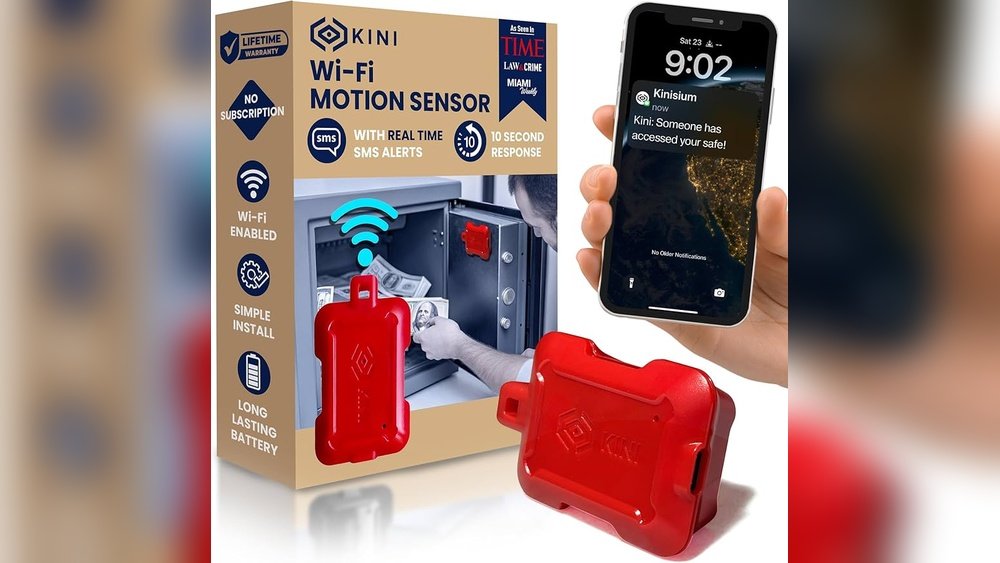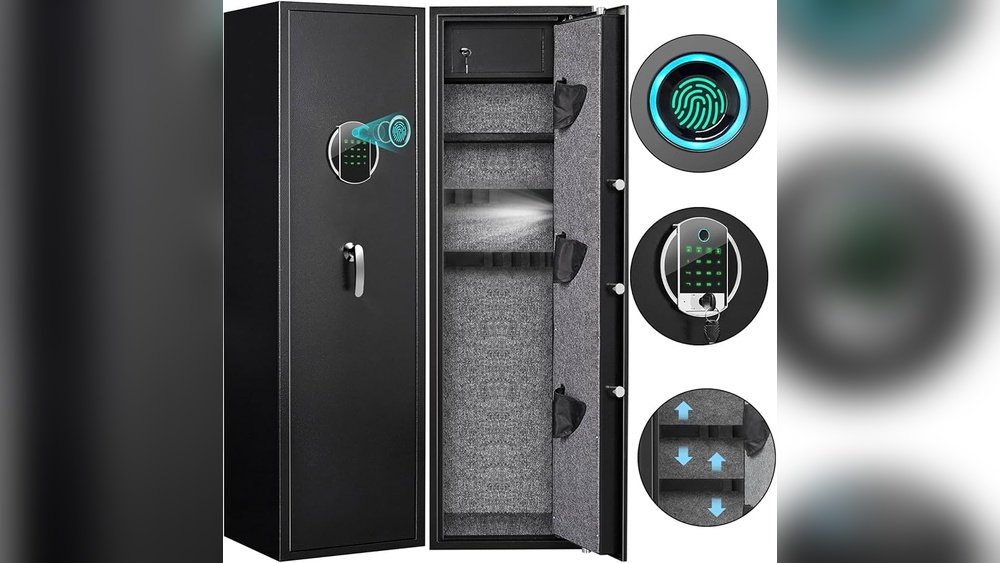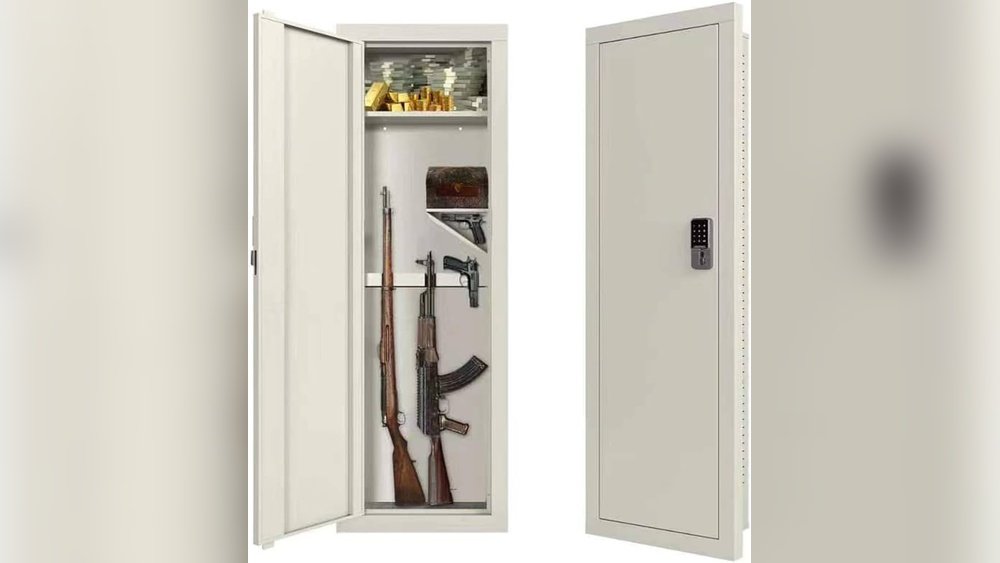
If you own a rifle safe, you know how important it is to protect your firearms from theft. You might be wondering, do rifle safe vibration sensors really work through thick steel?
This question matters because if these sensors can’t detect vibrations through your safe’s walls, you could be leaving your valuables unprotected. You’ll discover how these sensors function, whether they can sense movement through heavy steel, and what that means for your security.
Keep reading to find out if your investment in a vibration sensor is worth it—and how to make sure your rifle safe truly keeps your guns secure.

How Vibration Sensors Operate
Vibration sensors detect movement or shaking in objects. They help protect items by sensing unusual vibrations. These sensors turn vibrations into electrical signals. The signals then alert users to possible disturbances. Understanding how they work clarifies their use in rifle safes.
Different sensor types use various ways to detect vibrations. Each type suits certain environments and security needs. Knowing the basics helps choose the right sensor for thick steel safes.
Basic Sensor Mechanisms
Vibration sensors have parts that react to motion. When something moves or shakes, the sensor feels the change. It converts this motion into an electrical signal. This signal triggers an alarm or notification. Sensors often include tiny springs or masses inside. These parts shift when vibration occurs, causing a change in electric current. The sensor’s sensitivity affects how well it detects small or strong vibrations.
Types Of Vibration Sensors
There are several types of vibration sensors. Piezoelectric sensors create electricity from pressure changes. They work well with steady or strong vibrations. Capacitive sensors measure changes in electric charge caused by movement. They respond quickly to small vibrations. Accelerometers detect changes in speed or direction. They provide detailed data about vibration strength and frequency. Each type has strengths and weaknesses for use on thick steel surfaces.
Impact Of Steel Thickness On Sensor Performance
Steel thickness plays a big role in how well vibration sensors work on rifle safes. Thick steel can block or weaken the signals the sensors detect. This changes how the sensor performs and how well it can sense vibrations.
Steel Properties Affecting Vibration
Steel is dense and hard. These traits make it good for protection but tough for sensors. Thick steel absorbs and reduces vibration energy. This lowers the sensor’s ability to detect small movements. The type of steel and its surface finish also affect vibration travel. Smooth steel may allow better vibration flow than rough or painted surfaces.
Sensor Signal Penetration Challenges
Vibration sensors send and receive signals through steel walls. Thick steel weakens these signals. This makes it harder for sensors to sense light knocks or small movements. Sensors need stronger signals to work well with thick steel. Some sensors struggle with very thick walls and may miss some vibrations. Proper sensor placement and sensitivity settings help improve detection despite thick steel.
Testing Vibration Sensors On Rifle Safes
Vibration sensors are popular for detecting tampering on rifle safes. Their job is to sense movement or shaking. Testing these sensors helps check if they work well through thick steel walls. This testing shows how reliable the sensors are in real conditions. Many factors affect sensor performance, like steel thickness and sensor type.
Testing also helps buyers understand what to expect. It shows if the sensor can alert in time to stop theft. Let’s explore common ways to test vibration sensors on rifle safes.
Common Testing Methods
One common method uses a hammer or mallet to tap the safe. The sensor’s response to this impact is recorded. Another way is to shake the safe gently by hand. Some tests use vibration machines for steady, controlled shaking. These methods check if the sensor detects small or strong vibrations.
Tests often include different places on the safe, like the door and walls. This helps find any weak spots where sensors might fail. Sensors are also tested at various sensitivity levels. This shows the best setting for alerting without false alarms.
Results From Thick Steel Safes
Tests show that thick steel can block or reduce vibration signals. Some sensors struggle to detect movement through heavy metal. Others perform better but may need higher sensitivity. Increasing sensitivity can cause false alarms from minor vibrations.
Most vibration sensors work best on thinner safe walls or near the door. Thick steel often requires combining sensors with other security measures. Pressure or motion sensors can add extra protection. Overall, vibration sensors help but are not foolproof on thick steel safes.

Factors Influencing Sensor Effectiveness
Vibration sensors on rifle safes detect movements and vibrations. Their ability to work through thick steel depends on several key factors. These factors affect how well the sensor picks up signals and avoids false alarms. Understanding these can help you choose the right sensor and place it correctly.
Sensor Placement And Sensitivity
Where you place the vibration sensor matters a lot. Sensors work best when mounted on a solid, flat surface inside the safe. Thick steel can reduce vibration signals, so placing the sensor near the area with the most movement helps. Adjusting the sensor’s sensitivity is crucial. Too low, it may miss small shakes. Too high, it triggers false alarms from minor vibrations.
Environmental Interference
External factors can affect sensor performance. Nearby heavy machinery, traffic, or loud noises create vibrations that confuse the sensor. Temperature changes can also alter sensor sensitivity. Strong magnetic fields may interfere with sensor signals. Reducing these environmental disturbances improves sensor accuracy. A quiet, stable location enhances the sensor’s ability to detect real threats.
Alternatives To Vibration Sensors For Safe Security
Vibration sensors may struggle to detect signals through thick steel safes. This challenge calls for other security options that work well with strong materials. Alternatives offer reliable protection and different methods to secure your safe. They focus on movement, access control, and advanced technology to keep your valuables safe.
Motion And Tilt Sensors
Motion sensors detect any movement around the safe. They alert you if someone tries to move or tamper with it. Tilt sensors notice if the safe is tilted or shifted. These sensors work well even if the safe has thick steel walls. They do not rely on vibrations but on physical changes in position. This makes them a good choice for heavy, solid safes.
Biometric And Electronic Locks
Biometric locks use fingerprints or retina scans to allow access. They provide secure entry without keys or codes. Electronic locks use digital codes that you can change anytime. These locks add a layer of security beyond physical barriers. Thick steel does not affect their function since they operate on digital signals. They are easy to use and reduce the risk of unauthorized access.
Recommendations For Safe Owners
Rifle safe owners need to protect their firearms carefully. Vibration sensors can help, but they have limits. Thick steel walls may reduce sensor sensitivity. Choosing the right sensor and combining security tools can improve protection.
Following these tips can keep your guns safer from theft or damage. Small steps add up to strong security.
Choosing The Right Sensor
Select sensors designed for thick metal surfaces. Some sensors detect strong vibrations better than others. Look for models with adjustable sensitivity levels. This helps avoid false alarms from small bumps.
Check if the sensor works well on steel before buying. Sensors with wireless alerts add extra convenience. Test the sensor placement to find the best spot inside your safe.
Combining Security Measures
Use vibration sensors alongside other security tools. Door alarms and motion detectors add layers of protection. A quality lock and sturdy safe body remain essential.
Security cameras can record suspicious activity around your safe. Regularly check and maintain all devices. This keeps your system reliable over time.

Frequently Asked Questions
Do Rifle Safe Vibration Sensors Detect Through Thick Steel?
Yes, most vibration sensors can detect through thick steel. They sense motion and vibrations, not just sound. However, steel thickness may reduce sensitivity slightly.
How Effective Are Vibration Sensors In Rifle Safes?
Vibration sensors are effective for detecting tampering or forced entry. They trigger alarms on unusual movements, enhancing safe security.
Can Thick Steel Block Vibration Sensor Signals?
Thick steel does not block vibration signals but can dampen sensitivity. Proper sensor placement improves detection accuracy inside rifle safes.
Are Vibration Sensors Reliable For Gun Safe Security?
Yes, vibration sensors reliably alert owners to unauthorized access attempts. They complement other security features like locks and alarms.
Conclusion
Rifle safe vibration sensors can work through thick steel, but with limits. Steel thickness and sensor quality affect how well vibrations pass. Some sensors detect small movements, while others need stronger signals. Choosing the right sensor helps protect your rifle better.
Testing your safe’s setup ensures the sensor works as expected. Stay aware of these points to improve your safe’s security. Simple steps make a big difference in keeping your rifles safe.