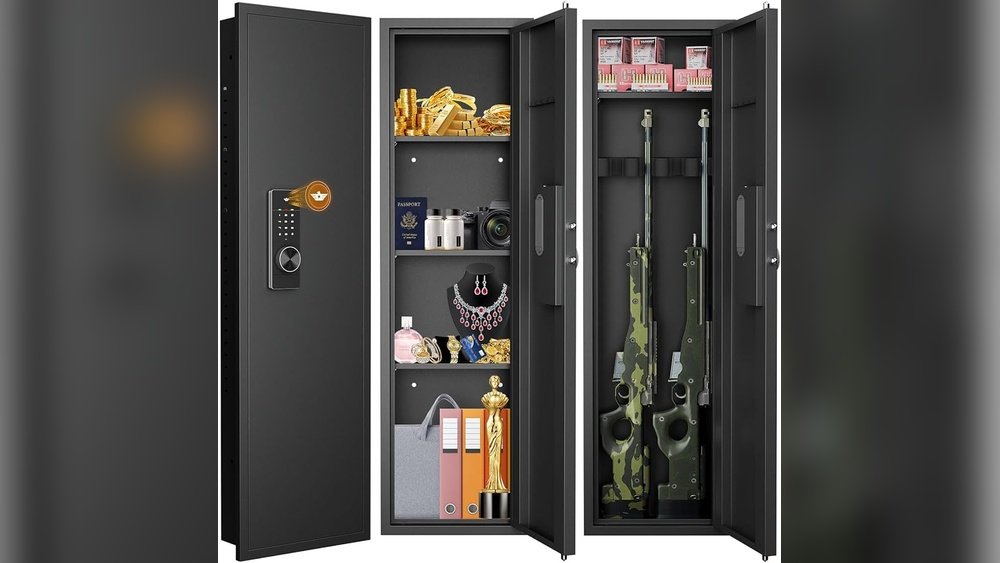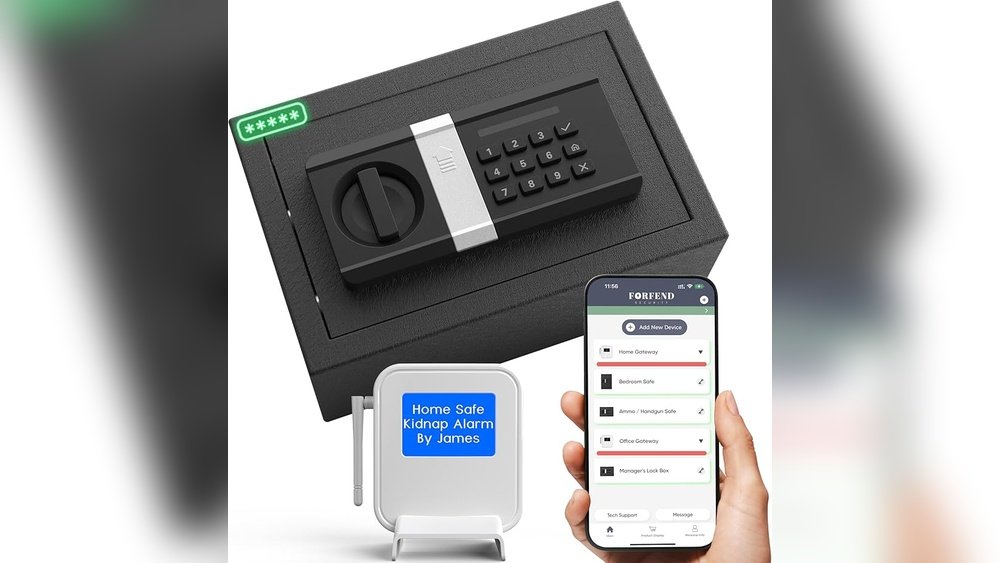
Are you worried about the safety of your firearms at home? You’ve invested in a gun safe, but how sure are you that it will alert you if someone tries to break in?
Understanding whether gun safe alarms can detect tampering or forced entry is crucial for your peace of mind. You’ll discover how these alarms work, what they can actually detect, and how to choose the right one to protect your valuables.
Keep reading to learn how to make your gun safe truly secure.
How Gun Safe Alarms Work
Gun safe alarms are designed to protect your firearms from unauthorized access. They detect tampering or forced entry attempts and alert you instantly. Understanding how these alarms work helps you choose the right one for your needs. They rely on different sensors and trigger mechanisms to detect unusual activity.
Sensors Used In Alarms
Most gun safe alarms use motion sensors. These sensors detect movement inside or outside the safe. Some alarms have vibration sensors that sense shaking or banging. Magnetic sensors monitor if the door is opened or forced. These sensors work together to catch any tampering or break-in attempts.
Trigger Mechanisms
Trigger mechanisms activate the alarm when sensors detect a threat. For example, if the safe is moved or shaken, the vibration sensor triggers the alarm. Opening the safe door without the correct code also sets off the alert. Some alarms include time delays to avoid false triggers during regular use.
Alarm Types
Gun safe alarms come in different forms. Audible alarms emit loud sounds to scare off intruders. Silent alarms notify the owner or security without alerting the intruder. Some alarms send alerts via phone or app for quick response. Choose an alarm type that fits your security needs and lifestyle.

Detecting Tampering
Detecting tampering is a key feature of many gun safe alarms. These alarms watch for signs that someone tries to open or damage the safe without permission. They help protect your firearms by alerting you to suspicious activity early. Understanding how these alarms detect tampering helps you choose the right safe for your needs.
Common Tampering Methods
People may try to pick the lock or use tools to pry open the safe. Others might try to drill through the walls or attack the hinges. Some tampering involves cutting power to disable electronic locks. Vibration or movement can also signal tampering attempts.
Alarm Responses To Tampering
Gun safe alarms detect unusual motion, vibrations, or forced entry attempts. When triggered, alarms sound loudly to scare off intruders. Some models send alerts to your phone for quick response. Alarms may also lock down the safe to prevent further damage.
Limitations In Tamper Detection
Not all tampering triggers alarms. Slow or careful attacks might go unnoticed. Power cuts can disable electronic alarms if no backup exists. False alarms can happen from accidental bumps or nearby vibrations. Choosing alarms with multiple sensors can reduce these issues.
Detecting Forced Entry
Detecting forced entry is a key feature of gun safe alarms. These alarms help protect your valuables by sensing unauthorized attempts to open the safe. They act as an early warning system that alerts you or others nearby about potential threats.
Gun safe alarms use sensors to detect unusual actions. These include vibrations, impacts, or movements that suggest someone is trying to break in. The system triggers a loud alarm to scare off intruders and notify you immediately.
Signs Of Forced Entry
Forced entry leaves clear signs. Scratches, dents, or marks on the safe surface show tampering. Broken locks or damaged hinges also indicate a break-in attempt. The alarm system senses these physical changes.
Alarm Activation During Break-ins
The alarm activates when it detects force or vibration. Sudden impacts or drilling attempts trigger the sensor. The loud sound draws attention and helps stop the break-in quickly. This gives you time to call for help or intervene.
Effectiveness Against Different Tools
Gun safe alarms respond well to many tools. Hammers, crowbars, and drills create vibrations the sensors detect. Some alarms may be less sensitive to slow, careful tampering. Still, most tools cause enough disturbance to set off the alarm.
Alarm Features To Consider
Choosing the right alarm for your gun safe improves security and peace of mind. Alarms vary in features that detect tampering and forced entry effectively. Understanding these features helps you pick an alarm that fits your needs well. Focus on sensitivity, notifications, and power options for best results.
Sensitivity Settings
Sensitivity controls how the alarm detects movement or force. Some alarms allow you to adjust this level to avoid false alerts. Too sensitive can cause frequent false alarms. Too low sensitivity might miss real threats. A good alarm offers easy sensitivity adjustment for better accuracy.
Notification Options
Check how the alarm notifies you during an alert. Some alarms sound a loud siren to scare off intruders. Others send notifications to your phone or email. Multiple notification methods increase chances you get the alert quickly. Choose alarms with options that match your lifestyle.
Battery And Power Backup
Alarms need reliable power to work properly. Battery-powered alarms should have long battery life to avoid frequent changes. Some alarms include backup batteries to work during power outages. A stable power source ensures the alarm stays active at all times. Always check the battery and backup features before buying.
Integrating Alarms With Security Systems
Integrating gun safe alarms with broader security systems enhances protection. It allows alarms to work with other devices, creating a strong defense. This connection helps detect tampering or forced entry quickly. It also gives more control and peace of mind.
Smart Home Compatibility
Many gun safe alarms now connect with smart home systems. This link lets you control the alarm through your phone or voice commands. You can check the status of your safe anytime. Smart home compatibility means the alarm can trigger other devices. For example, lights can turn on if someone tries to open the safe without permission.
Remote Monitoring
Remote monitoring sends alerts directly to your phone or tablet. It informs you if the safe is being tampered with. You do not need to be home to stay updated. This feature helps you act fast in case of forced entry. It also provides real-time information about your safe’s security.
Professional Monitoring Services
Some gun safe alarms connect to professional monitoring services. These services watch your alarm 24/7. If they detect tampering or forced entry, they notify you and emergency responders. Professional monitoring adds a layer of safety beyond your control. It ensures quick help in case of a break-in or threat.
Choosing The Right Gun Safe Alarm
Picking the right alarm for your gun safe is important. It protects your firearms from theft and tampering. Different safes need different alarms. A good alarm warns you early about forced entry or tampering attempts.
Think about your safe’s size, type, and where it is placed. Choose an alarm that fits those needs. Not all alarms work well with every safe. Getting the right match keeps your guns safer.
Matching Alarm To Safe Type
Gun safes come in various types like biometric, electronic, or mechanical. Each type needs a specific alarm kind. For example, biometric safes work well with alarms that detect unauthorized access attempts.
Heavy safes may need strong vibration or motion sensors. Lighter safes might need alarms that trigger with small movements. Match the alarm’s features with your safe’s security level and design.
Budget Vs. Features
Alarms vary in price. Basic alarms offer simple alerts. Higher-priced alarms include extra features like remote alerts or loud sirens. Decide what features matter most to you.
Spend wisely. An expensive alarm might not always mean better protection. Focus on essential features that fit your needs and budget. Quality and reliability should guide your choice.
User Reviews And Ratings
Check user reviews before buying an alarm. Real users share how well alarms detect tampering or forced entry. Reviews can reveal strengths and weaknesses you may not expect.
Look for alarms with high ratings and positive feedback. This helps ensure you get a reliable product. Don’t ignore negative reviews; they may warn of hidden problems.
Maintenance And Testing
Maintenance and testing keep your gun safe alarm working well. Regular checks help spot problems early. This ensures the alarm detects tampering or forced entry as designed.
Regular Alarm Testing
Test your gun safe alarm often. Press the test button or follow the manual steps. Make sure the alarm sounds loud and clear. This confirms the system works and alerts you on tampering attempts.
Replacing Batteries And Components
Change batteries regularly to avoid power loss. Use the right type recommended by the manufacturer. Replace worn parts like sensors or wires if needed. Fresh batteries and good parts keep alarms reliable.
Troubleshooting Common Issues
If the alarm does not sound, check the battery first. Look for loose wires or damaged sensors. Clean the alarm area to remove dust or dirt. Follow the manual’s guide to fix common problems fast.
Frequently Asked Questions
Do Gun Safe Alarms Detect Tampering Attempts?
Yes, most gun safe alarms detect tampering by sensing vibrations or unauthorized access attempts. They alert owners immediately to potential threats.
Can Alarms Sense Forced Entry On Gun Safes?
Gun safe alarms commonly detect forced entry through impact or drilling vibrations. This triggers an alarm to prevent theft or damage.
Are All Gun Safe Alarms Sensitive To Tampering?
No, sensitivity varies by model. High-quality alarms offer better tampering detection, while basic ones may have limited sensitivity.
How Do Gun Safe Alarms Notify Owners Of Intrusion?
Alarms typically emit loud sounds or send alerts via connected apps. This instant notification helps owners respond quickly to breaches.
Conclusion
Gun safe alarms help protect your valuables by sensing tampering or forced entry. They alert you quickly, giving you time to act. Not all alarms work the same, so choose one that fits your needs. Proper installation and regular testing keep alarms reliable.
These devices add an extra layer of security to your gun safe. Stay safe by using alarms that detect any unwanted access attempts. Peace of mind matters when protecting important items.