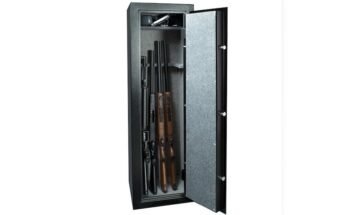
When it comes to protecting your rifles, you probably think about locks and security alarms. But have you ever wondered if your fire safe can actually protect your rifles from heat damage during a fire?
You might be surprised to learn that not all fire safes are created equal when it comes to heat protection. If you want to keep your valuable firearms safe from more than just theft, understanding how fire safes work against intense heat is crucial.
Keep reading to find out what you need to know to truly safeguard your rifles in case of a fire.
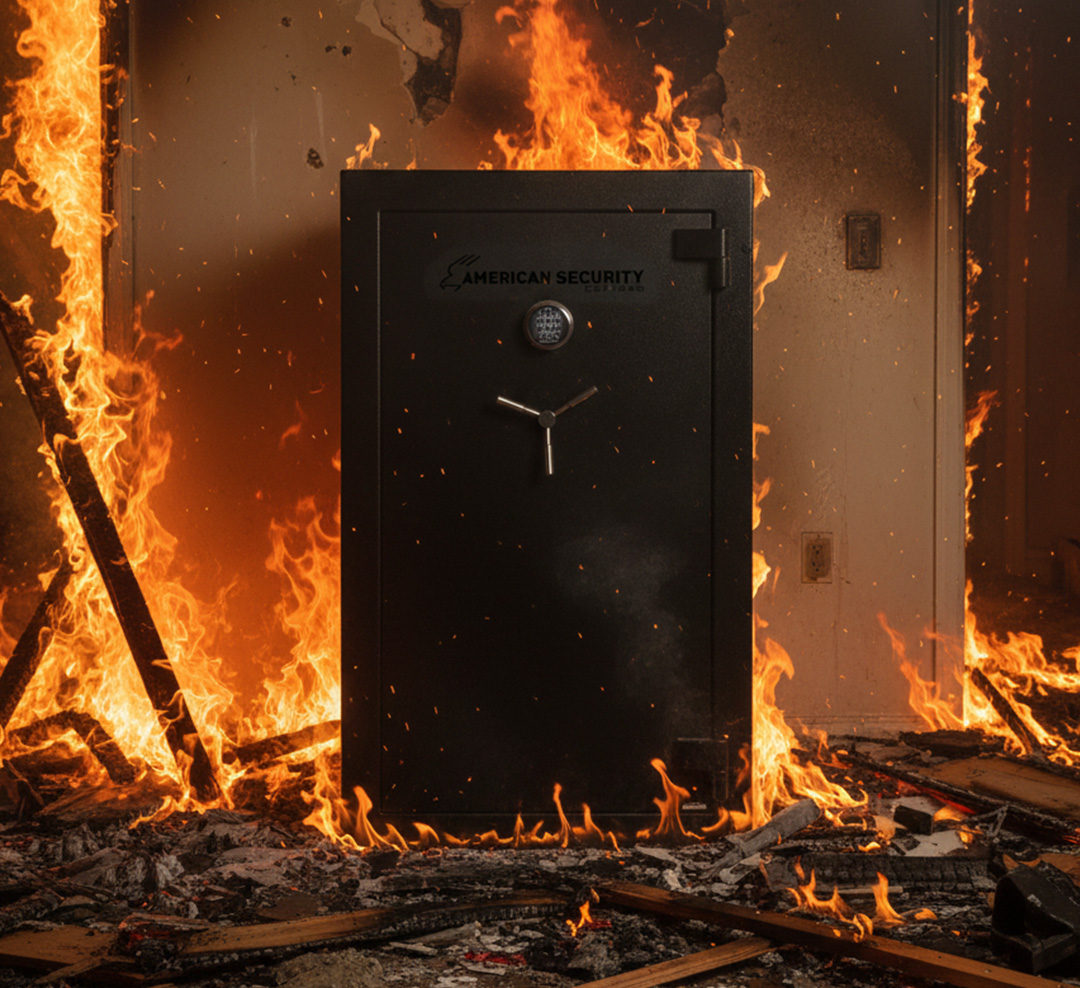
Fire Safe Basics
Understanding fire safes is key to protecting rifles from heat damage. Fire safes come in various designs and materials. Knowing their basics helps you choose the right safe for your weapons. This knowledge also shows how well a safe can shield rifles during a fire.
Types Of Fire Safes
Fire safes vary by size and purpose. Some safes focus on fire resistance, others combine fire and burglary protection. Large safes can store multiple rifles safely. Smaller safes work for handguns and documents. Each type offers different levels of heat protection.
Heat Resistance Ratings
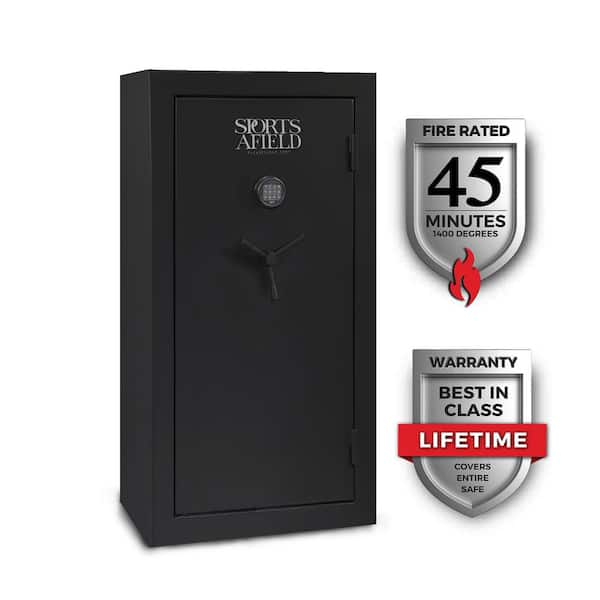
Fire safes have ratings that show heat protection time and temperature. Ratings like 30 minutes or 1 hour tell how long the safe resists fire. Temperatures inside a rated safe stay below damage levels. This prevents rifles and ammo from overheating.
Fireproof Materials
Fire safes use special materials to block heat. Insulating materials like gypsum and concrete reduce heat transfer. Steel walls add strength and fire resistance. These materials work together to keep rifles safe inside the safe.
Rifle Vulnerabilities To Heat
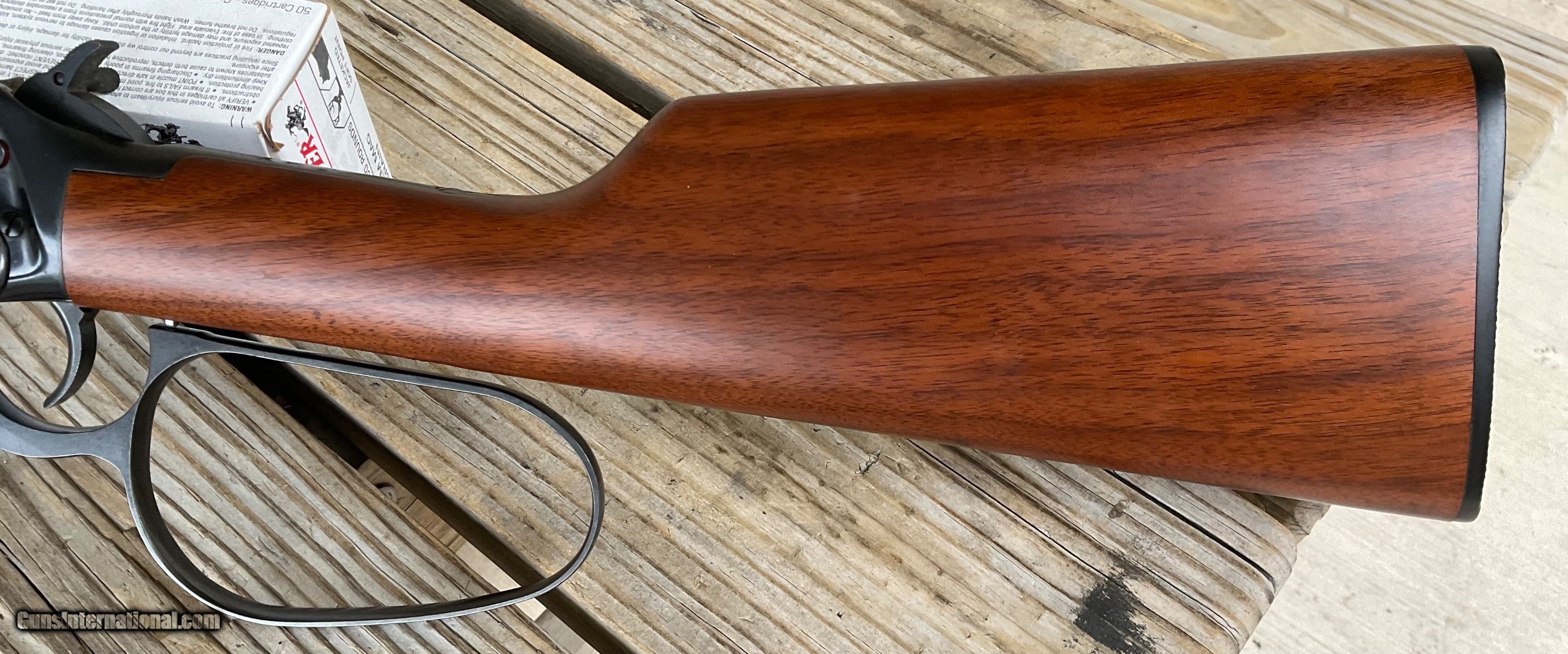
Rifles face many risks from heat exposure during a fire. Heat can harm different parts of the rifle in several ways. Understanding these risks helps in choosing the right fire safe for protection. This section explains how heat affects rifles and their components.
Heat Effects On Metal Components
Metal parts in rifles can change shape or weaken under high heat. Steel barrels and receivers may warp or lose strength. Springs inside the rifle can lose tension and stop working properly. Heat can also cause metal surfaces to rust faster after cooling.
Damage To Wood And Synthetic Parts
Wood stocks can crack, burn, or dry out from heat. Synthetic parts like polymer stocks may melt or deform. Heat can cause discoloration and weaken the rifle’s structure. These damages reduce the rifle’s accuracy and reliability.
Impact On Ammunition
Ammunition is very sensitive to heat. High temperatures can cause cartridges to explode or become unstable. Heat damages the gunpowder and primers inside bullets. This makes ammunition unsafe or unusable after a fire.
Fire Safe Performance For Rifles
Fire safes play a key role in protecting rifles from heat damage during fires. Not all safes offer the same level of protection. Understanding how these safes perform helps in choosing the right one for your firearms.
Rifles are sensitive to heat, which can harm their metal parts and wood stocks. A good fire safe keeps the internal temperature low enough to prevent damage. It also limits the time the rifles are exposed to high heat.
Internal Temperature Limits
Rifles can get damaged if the temperature inside a safe rises above 350°F (177°C). This heat can warp wood and weaken metal. Quality fire safes keep internal temperatures below this limit. They use insulation materials that slow down heat transfer. Some safes even maintain temperatures near room level for hours.
Duration Of Heat Exposure
The length of time rifles stay in heat matters. Fires can last from minutes to hours. Fire safes are tested to protect contents for 30 minutes to several hours. The longer the protection, the better. A safe rated for 1 hour or more offers better chances of saving rifles. Rapid heat spikes can still cause damage if the safe is not well insulated.
Safe Storage Practices
Keep rifles clean and dry before storing them. Remove ammunition as it can explode or damage the safe. Use soft padding inside the safe to avoid scratches. Store rifles away from direct contact with metal parts. Regularly check the safe’s seals and locking mechanisms. Proper storage helps fire safes work effectively during emergencies.
Choosing The Right Fire Safe
Choosing the right fire safe for rifles is crucial to protect them from heat damage. Not all fire safes offer the same level of protection. Consider important factors to find a safe that suits your needs and keeps your firearms secure.
Size And Capacity Considerations
Select a fire safe that fits your rifles comfortably. The safe should have enough space for all your firearms. Avoid tightly packed rifles to prevent damage. Also, consider room for accessories like scopes and ammo. A larger safe offers better air circulation inside. This helps reduce heat buildup during a fire.
Certification Standards
Look for fire safes with recognized certifications. UL and ETL ratings are common standards. These ratings show the safe’s ability to withstand high temperatures. A higher fire rating means longer protection time. Check the temperature limit and duration of fire resistance. This ensures your rifles stay safe during a fire emergency.
Additional Security Features
Extra security features add peace of mind. Choose safes with strong locking systems, such as biometric or digital locks. Reinforced steel walls increase durability. Some safes include interior fire seals to block smoke and heat. These features help protect rifles from both fire and theft. Consider your security needs and budget to find the best fit.
Maintenance And Inspection Tips
Maintaining and inspecting your fire safe is key to protecting rifles from heat damage. Regular care helps spot problems early and keeps the safe working well. You must check the safe often and know what signs to watch for.
Regular Safe Checks
Open your safe monthly to check the lock and seals. Test the door to ensure it closes tightly. Clean the safe inside to avoid dust buildup. Check the fireproof rating label to see if it is still valid.
Signs Of Heat Damage
Look for warped metal or melted plastic parts inside the safe. Check your rifles for discoloration or cracked finishes. Smell for burnt odors that could mean heat got inside. Inspect seals for cracks or peeling that let heat in.
Safe Placement Recommendations
Place the safe away from direct sunlight and heat sources. Avoid damp or humid areas to prevent rust and mold. Keep the safe on a level surface for proper door sealing. Allow space around the safe for air circulation and inspection.
Frequently Asked Questions
Do Fire Safes Protect Rifles From Heat Damage?
Fire safes provide some heat protection for rifles but are not foolproof. They reduce temperature spikes during fires, lowering damage risk. However, extreme heat can still harm wood, metal, and finishes. Choosing a safe with high fire ratings enhances rifle protection significantly.
What Fire Rating Should A Safe Have For Rifles?
Look for safes with at least a 1-hour fire rating at 1200°F or higher. This rating ensures the interior stays cool enough to protect rifles from heat damage. Higher ratings offer better security but may cost more. Always check manufacturer specs for heat protection details.
Can Fire Safes Prevent Moisture Damage To Rifles?
Fire safes can reduce moisture damage during fires by sealing tightly. Many include humidity control features to protect metal parts from rust. However, long-term moisture protection depends on the safe’s design and environment. Use silica gel packs for added moisture control inside the safe.
Are All Fire Safes Suitable For Storing Rifles?
Not all fire safes are ideal for rifles. Some are designed for documents or valuables, lacking size or interior protection for firearms. Choose safes specifically made for guns, offering proper storage space and cushioning. This prevents physical damage along with heat protection.
Conclusion
Fire safes offer some protection against heat damage to rifles. They slow down the temperature rise inside the safe. Yet, extreme heat can still harm your firearms. Choosing a safe with a good fire rating matters a lot. Store rifles carefully to reduce risk during a fire.
Remember, no safe is completely fireproof. Taking extra safety steps helps keep your guns secure. Think about fire-resistant cases inside the safe too. Protecting your rifles means planning ahead and using the right tools. Stay safe and keep your firearms well guarded.