Are you worried that running a dehumidifier might skyrocket your electricity bill? You’re not alone.
Many people wonder if these devices, which help keep your home comfortable and mold-free, use a lot of power. Understanding how much electricity your dehumidifier consumes can help you make smarter choices for your home and wallet. Keep reading, and you’ll discover the facts behind dehumidifier energy use—and simple tips to save money while staying dry and comfortable.

How Dehumidifiers Work
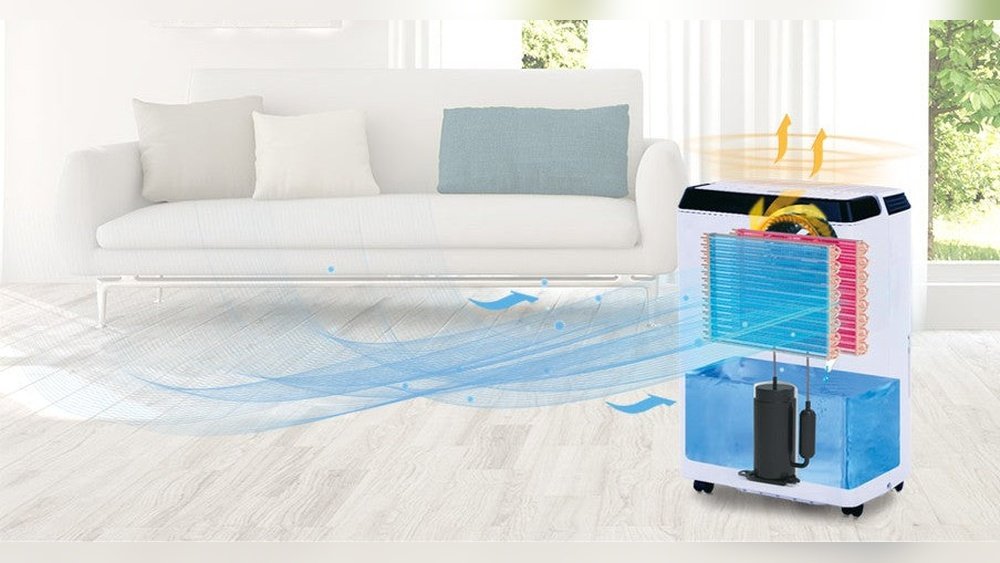
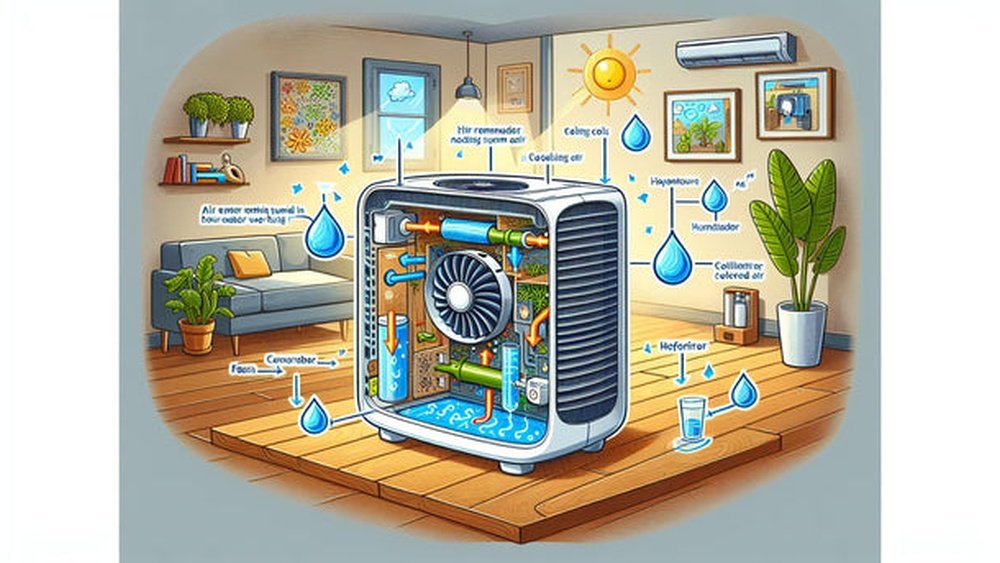
Understanding how dehumidifiers work helps explain their electricity use. These devices remove moisture from the air to make spaces more comfortable and prevent mold. The process involves pulling humid air, cooling it, and collecting water. Different types use different methods but aim for the same goal: dry air.
Basic Operation
Dehumidifiers draw in moist air with a fan. The air passes over cold coils. Water vapor condenses into liquid on these coils. The liquid collects in a tank or drains out. Then, the dry air heats slightly and returns to the room. This cycle keeps repeating until the air reaches the desired dryness.
Types Of Dehumidifiers
There are mainly two types: refrigerant and desiccant. Refrigerant models use cooling coils to condense water. They work best in warm, humid conditions. Desiccant dehumidifiers use a drying material to absorb moisture. These work well in cooler rooms. Each type uses electricity, but their power needs vary by design and size.
Electricity Consumption Factors
Dehumidifiers use electricity to remove moisture from the air. How much electricity they use depends on several factors. Understanding these factors helps you manage energy use better.
Knowing what affects electricity use can save money and reduce power bills. It also helps choose the right dehumidifier for your needs.
Power Ratings
Power rating shows how much electricity a dehumidifier uses per hour. It is measured in watts (W). Higher wattage means more electricity consumption.
Most home dehumidifiers have power ratings between 200 and 700 watts. Check the label or manual to find this number. Lower power ratings use less electricity but may remove moisture slower.
Usage Patterns
How often you run a dehumidifier affects electricity use. Running it all day uses more power than a few hours daily. Frequent on-and-off cycles can increase energy use too.
Using a timer or humidistat helps control running time. This avoids wasting electricity when the air is already dry. Smart use cuts down power costs and keeps air comfortable.
Room Size Impact
Room size changes how hard a dehumidifier works. Larger rooms need bigger or more powerful units. Small units in big rooms run longer and use more electricity.
Choose a dehumidifier sized for your room. A properly sized unit runs efficiently and saves energy. Measure your room before buying to get the right fit.
Comparing Energy Use
Dehumidifiers and other home cooling devices use electricity differently. Comparing their energy use helps you choose the best option for your needs. Understanding how much power each device consumes can save money on electric bills.
Dehumidifiers Vs Air Conditioners
Dehumidifiers use less electricity than air conditioners. They focus on removing moisture from the air, not cooling it. This task requires less power. Air conditioners cool entire rooms, needing more energy to run compressors and fans. Dehumidifiers run smaller motors and use less power overall. For humid spaces, a dehumidifier is a cost-effective choice.
Energy Efficiency Ratings
Check the energy efficiency rating before buying. The Energy Factor (EF) shows how well a dehumidifier uses electricity. A higher EF means better efficiency. Air conditioners have Seasonal Energy Efficiency Ratio (SEER) ratings. Higher SEER ratings mean less energy use for cooling. Comparing these ratings helps find devices that save electricity and cost less to run.
Cost Of Running A Dehumidifier
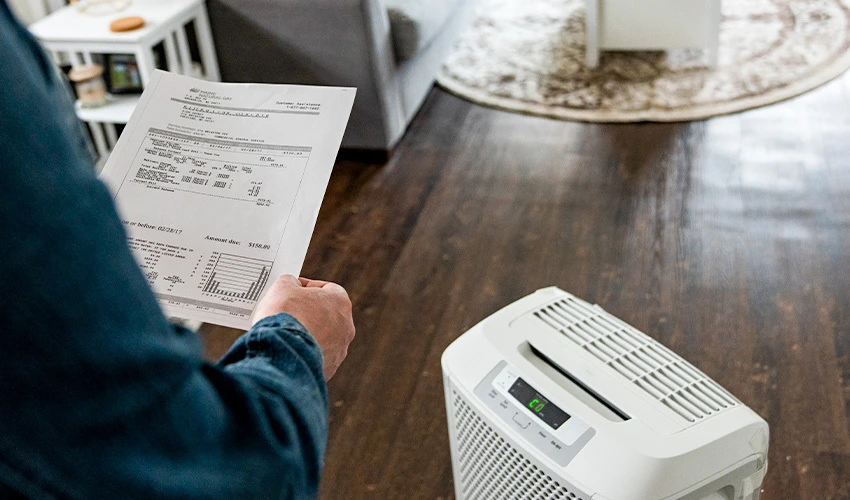
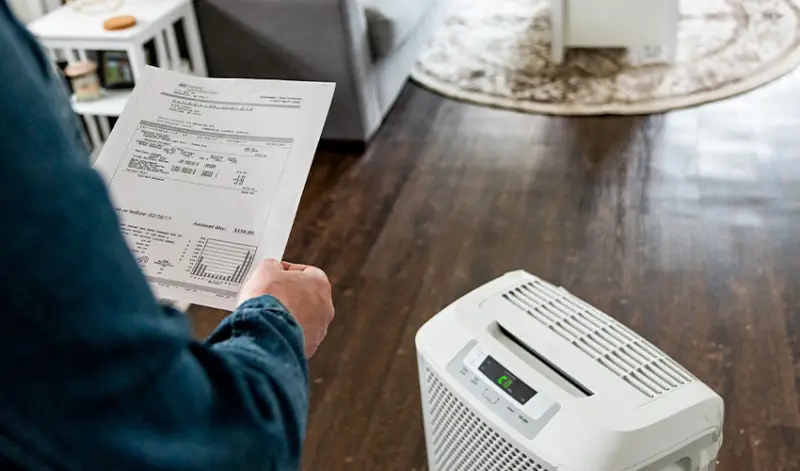
Running a dehumidifier adds to your electricity bill. Knowing the cost helps you manage your budget better. The amount depends on your device’s power and usage time. Some models use more energy than others. Understanding these costs can guide smart choices for home comfort.
Calculating Electricity Bills
Check your dehumidifier’s wattage on the label. Multiply watts by hours used daily to find daily energy use. Divide by 1,000 to get kilowatt-hours (kWh). Multiply kWh by your electricity rate per kWh. The result shows the daily cost of running your dehumidifier.
Example: A 300-watt dehumidifier running 8 hours uses 2.4 kWh. If your rate is $0.12 per kWh, cost equals $0.29 per day. This simple method helps track expenses easily.
Seasonal Variations
Humidity levels change with seasons. In summer, high humidity means more dehumidifier use. This increases electricity costs. In winter, use drops as air is drier. Your monthly bill may vary with the season. Adjust use to save money when humidity is low.
Energy-saving Tips
Dehumidifiers help keep your home comfortable by reducing moisture. Using them wisely can lower your electricity bill. Follow these energy-saving tips to get the best results without wasting power.
Optimal Settings
Set your dehumidifier to the right humidity level. Around 45-50% is good for most rooms. Avoid setting it too low, as it will run longer and use more energy. Use the timer function to run the device only when needed. This prevents unnecessary power use during dry hours.
Maintenance Practices
Clean the filter regularly to keep air flowing well. A dirty filter makes the machine work harder. Empty the water tank often to avoid overflow and stops the machine. Check the coils for dust or frost and clean them carefully. Proper maintenance keeps your dehumidifier efficient and saves electricity.
Choosing Energy-efficient Models
Select a dehumidifier with an Energy Star label. These models use less electricity while working well. Pick the right size for your room to avoid overworking the unit. Bigger is not always better. An energy-efficient model reduces costs and helps the environment.
Environmental Impact
Dehumidifiers affect the environment by using electricity to work. This energy use can add to pollution and climate change. Understanding their environmental impact helps us make better choices. Small changes can reduce harm and save energy.
Carbon Footprint
Dehumidifiers use power that often comes from fossil fuels. Burning these fuels releases carbon dioxide into the air. This carbon dioxide increases the greenhouse effect, which warms the planet. The longer and more often a dehumidifier runs, the bigger its carbon footprint becomes.
Choosing energy-efficient models lowers electricity use. This leads to less carbon dioxide released. Using a dehumidifier only when needed also helps reduce its carbon footprint.
Sustainable Alternatives
Some options use less energy or no electricity at all. For example, silica gel packs absorb moisture without power. Ventilation with fans uses less electricity and improves air flow.
Solar-powered dehumidifiers are another choice. They use clean energy from the sun. This reduces reliance on fossil fuels and cuts pollution.
Frequently Asked Questions
How Much Electricity Does A Dehumidifier Consume?
A typical dehumidifier uses between 300 to 700 watts per hour. Energy usage depends on the model and humidity level. Running it continuously increases power consumption. Newer, energy-efficient models consume less electricity while maintaining performance.
Can Using A Dehumidifier Increase My Electricity Bill?
Yes, using a dehumidifier regularly can raise your electricity bill. However, energy-efficient models and proper usage reduce this impact. Running the device only when necessary helps save electricity and lowers costs.
Are Energy-efficient Dehumidifiers Worth The Investment?
Energy-efficient dehumidifiers use less power and cost less to operate. They offer long-term savings on electricity bills and reduce environmental impact. Investing in such models is beneficial for frequent users and large spaces.
Does Room Size Affect A Dehumidifier’s Electricity Usage?
Yes, larger rooms require more powerful dehumidifiers, which use more electricity. Smaller rooms need less energy to maintain humidity. Choosing the right size model improves efficiency and reduces power consumption.
Conclusion
Dehumidifiers do use electricity, but not excessively. Choosing an energy-efficient model can lower power use. Running the device only when needed saves energy too. Regular maintenance helps keep it working well and uses less electricity. Balancing comfort with cost is key for every home.
A dehumidifier can improve air quality without high bills. Simple steps make a big difference in energy consumption. Keep your space dry, healthy, and energy-wise.