A high-quality electronic keypad with a mechanical backup offers the best balance.
If you’re asking What locking system is best for carbine safes, you want fast access without failures. I’ve tested, installed, and lived with many locks in real homes and trucks. In this guide, I’ll walk you through the real trade-offs, show where each lock shines, and help you choose with confidence. You’ll see clear answers backed by field experience, expert standards, and practical tips that work day to day.
What locking system is best for carbine safes? Core criteria
The best lock for a carbine safe is the one you can open fast, under stress, and in the dark, while keeping unauthorized hands out. That simple line sets the bar for reliability and safety. When people ask What locking system is best for carbine safes, I start with six criteria you can measure.
• Speed under stress. Can you open it in under two seconds by feel, even half-asleep?
• Reliability and failure modes. How does it behave with low batteries, dust, cold, or gloves?
• Security standards. Look for UL 1037 RSC, UL 768 for electronic locks, and CA DOJ compliance.
• Access control. Can you add users? Can you lock out failed tries? Is there an audit trail?
• Durability. Check duty cycles, clutch mechanisms, and protection from prying and drilling.
• Power and backup. Batteries should be easy to change. A true mechanical backup is a must.

Lock types explained: Pros, cons, and where they fit
People often search What locking system is best for carbine safes because each lock type claims to be “fast and secure.” Here is how they actually compare in daily use.
Mechanical keypad (Simplex-style)
• Pros: Very fast by feel. No batteries. Works with gloves and in the dark.
• Cons: Limited code space. Shoulder-surfing risk if visible. Some cheaper versions wear out.
• Best for: Quick-access bedside or closet carbine safes where reliability rules.
Personal note: I keep a Simplex-style lock on a small carbine box in the truck. Dust, heat, cold—it still runs after years.
Electronic keypad (UL-rated)
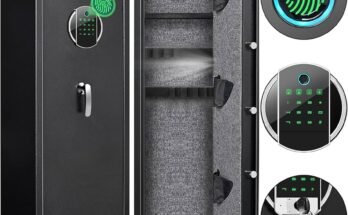
• Pros: Fast, allows long codes, lockout features, and multiple users. Good audit options on higher-end units.
• Cons: Needs battery changes. Cheap models can lag or fail under low voltage.
• Best for: Most home setups needing both speed and control. Choose UL-listed, clutch-protected models.
Tip: Change batteries on your birthday. It’s simple and prevents most failures.
Biometric fingerprint
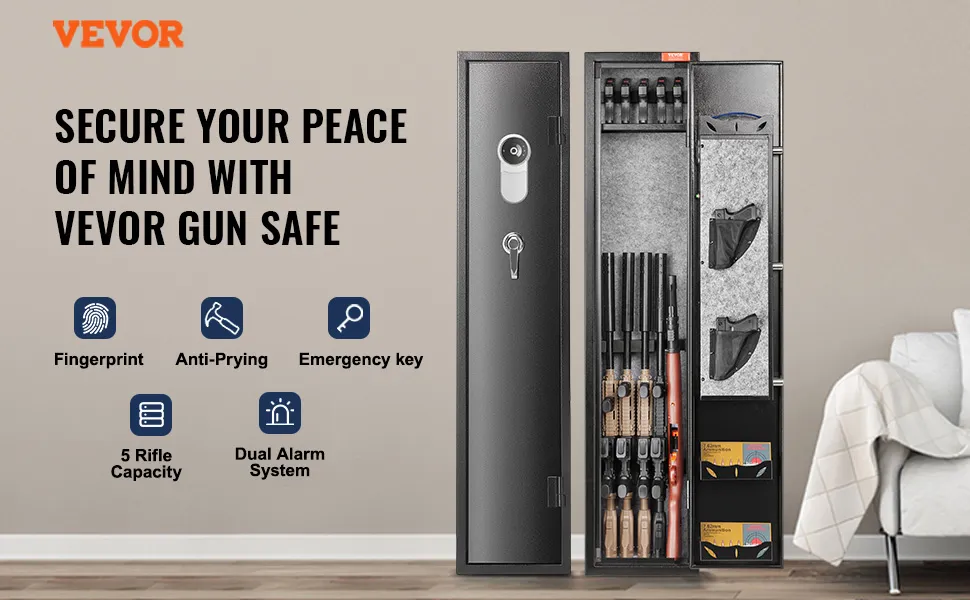
• Pros: One-touch access. Great for one or two trusted users.
• Cons: False rejects with sweat, bandages, or cold fingers. Can degrade with dust or oil.
• Best for: Secondary convenience paired with a keypad or mechanical backup.
Data insight: For consumer sensors, false reject rates climb with wet or dirty fingers. Expect 1–5% variability day to day.
RFID and smart/app locks
• Pros: Hands-free in theory. Flexible access from phone or tag.
• Cons: Tag management, phone dead zones, and dependence on electronics. Some are not rated for real attacks.
• Best for: Niche uses where you need remote admin, not first-choice for urgent access.
Traditional key lock
• Pros: Simple, cheap, no batteries.
• Cons: Keys get lost, copied, or found. Slow in a rush. Often the weakest link on budget safes.
• Best for: Backup only, not primary.
What locking system is best for carbine safes depends on how you balance these trade-offs. For most people, an electronic keypad with a mechanical fallback wins.

The short list: Best-in-class choices by use case
When friends ask me What locking system is best for carbine safes, I give short, specific picks. These cover 90% of setups.
• Home defense, quick access. Electronic keypad with mechanical backup. Add a hidden mechanical override you can reach in the dark.
• Dusty or cold environments. Mechanical Simplex-style keypad. It ignores weather, sweat, and dead batteries.
• Shared access for family or team. UL-rated electronic keypad with multi-user codes and lockout.
• High-security cabinets. Dual-lock or redundant systems (keypad plus mechanical). Slower, but very robust.
• Budget entry. Mechanical Simplex-style or a quality keypad only if the brand is proven. Avoid key-only primary locks.
• Vehicle installs. Mechanical first. Electronics can fail sooner in heat, vibration, and dust.
In practice, What locking system is best for carbine safes comes down to redundant access. If one method fails, you still get in fast.

Security standards and why they matter
A strong lock is only as good as the safe body, boltwork, and certification. What locking system is best for carbine safes is tied to these standards.
• UL 1037 Residential Security Container. Baseline attack resistance for consumer safes.
• UL 768 for electronic locks. Tests electronic reliability and attack resistance.
• California DOJ compliance. Minimum standards for firearm storage in the state.
• Tamper-resistance features. Look for anti-pick, anti-drill plates, and clutch mechanisms that prevent handle force from damaging internals.
• Audit and lockout. For shared homes, lockout after failed attempts cuts risk of guesswork.
Note: Standards do not make a safe invincible. They set a floor, not a ceiling. Combine good locks with anchoring and smart placement.
Speed versus security: Finding the sweet spot
When the question is What locking system is best for carbine safes, the biggest struggle is speed versus security. You can have both, but you must configure it right.
• Use a code you can enter by touch. Practice monthly, lights off.
• Set a lockout after 3–5 failed attempts. It thwarts casual guessing.
• Use a long code on electronics. Six to eight digits strike a balance.
• If using biometrics, enroll multiple fingers. Dry and wet prints differ.
• Keep backup access clear. If the primary fails, you know the plan.
In drills, my best times come from electronic keypads with tactile buttons. Mechanical keypads are close behind and often more reliable over years.

Real-world lessons from the field
Here is what held up when theory met life.
• Biometric alone can bite you. One winter night, cold hands blocked my first read. The keypad backup saved the day.
• Battery anxiety is real. Cheap locks slow down before they die. Use high-quality batteries and a fixed change date.
• Dust kills sensors. In the truck, my mechanical keypad never blinked. An older biometric got flaky in under a year.
• Anchoring matters. A great lock on a light box is still a carry-away risk. Bolt it down to wood or concrete with correct hardware.
• Simple is fast. Under stress, fewer steps beat features every time.
These stories shape how I answer What locking system is best for carbine safes. Reliability beats novelty.

Setup checklist to avoid common mistakes
Most lock complaints are setup errors, not hardware failures. Use this checklist on day one.
• Change the default code. Do this before you store anything.
• Enroll prints the right way. Clean sensor and fingers, enroll multiple angles, and both hands.
• Add desiccant inside. Moisture kills electronics and finishes.
• Test with your real-life routine. Gloves, sweaty hands, dark room, timed runs.
• Log your battery schedule. Write it inside the safe door.
• Store the override key off-site. Not in the same room as the safe.
• Anchor the safe. Use proper anchors for your floor type.
If you ever wonder again What locking system is best for carbine safes, remember this: good setup turns a decent lock into a great system.

Cost, value, and what to avoid
You do not need the most expensive lock. You need the right one.
• Spend for ratings. Pay for UL listings, not gimmicks.
• Beware of bargain biometrics. If a deal looks too good, it probably is.
• Avoid key-only primaries. Keys are for backup, not speed.
• Look for clutch-protected handles. They prevent damage from force.
• Consider total cost. Batteries, anchor hardware, and maintenance time count.
Price is part of the decision, but What locking system is best for carbine safes is mostly about proven performance when seconds matter.
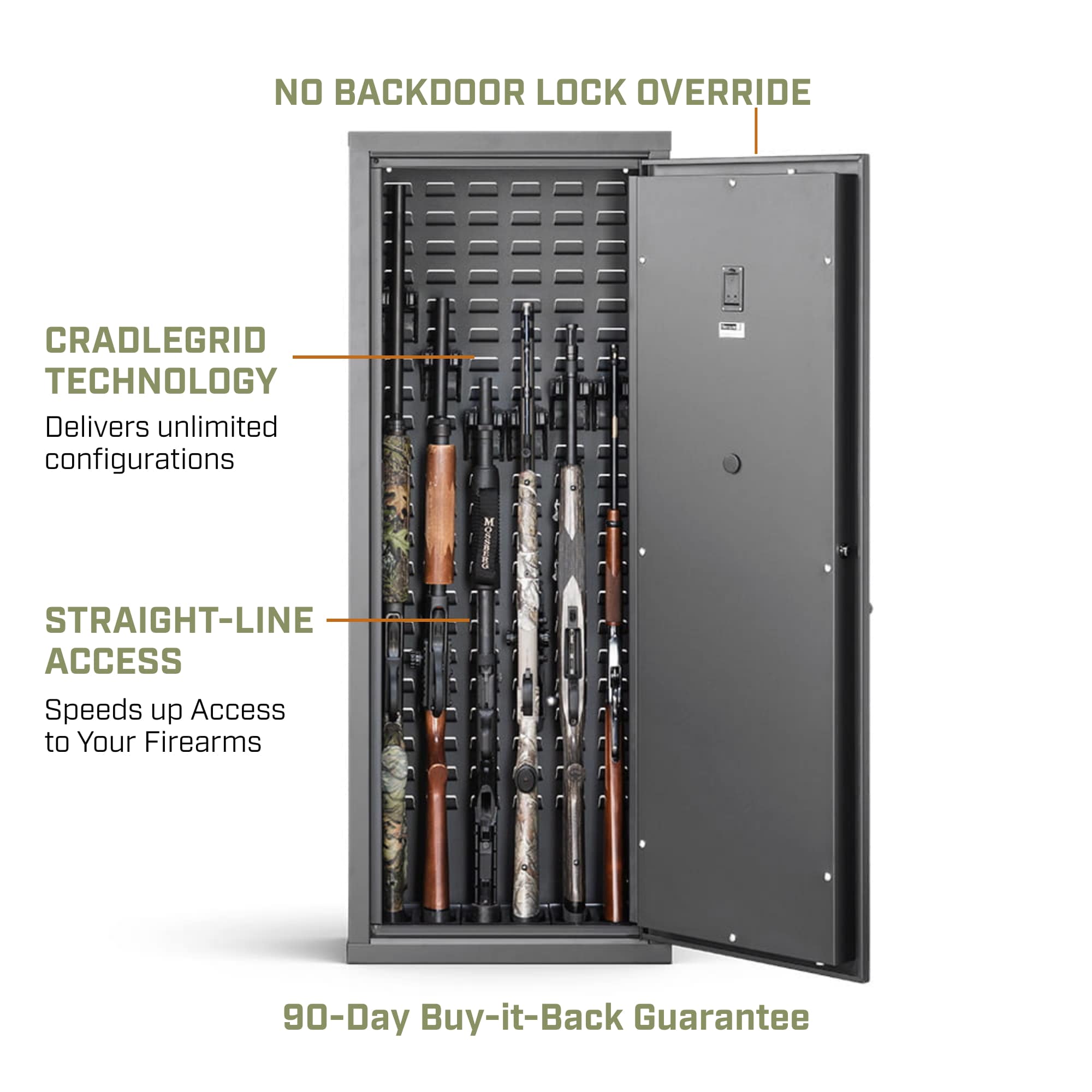
Final recommendation: My go-to configurations
If I had to pick one setup for most homes, here is what I choose.
• Primary: UL-rated electronic keypad with tactile buttons.
• Backup: Mechanical override or Simplex-style secondary access.
• Options: Biometric as a convenience layer only, never the sole method.
• Extras: Lockout after failed attempts, long codes, and clear anchoring.
This mix answers What locking system is best for carbine safes with a simple plan: fast, redundant, and durable.
Frequently Asked Questions of What locking system is best for carbine safes
Does a biometric lock make sense for a carbine safe?
Yes, as a convenience layer with a keypad backup. Biometric alone can fail with sweat, cold, or gloves.
How often should I change batteries in an electronic keypad?
Once a year with quality batteries works for most homes. If you open the safe often, plan every six months.
Are mechanical Simplex locks secure enough?
A quality Simplex-style lock is very reliable and fast. Pair it with a solid safe body and proper anchoring.
What ratings should I look for on the lock and safe?
Look for UL 1037 RSC on the safe and UL 768 on the lock. California DOJ compliance is a helpful baseline.
Is a key-only carbine safe a bad idea?
As a primary, yes. Keys are slow under stress and easy to misplace; use them only as a backup.
Conclusion
Choosing a lock for your carbine safe is about speed, reliability, and smart setup. The clear winner for most homes is a UL-rated electronic keypad with a mechanical backup, with biometrics as an optional convenience. Train your routine, anchor the safe, and build redundancy into your plan.
Take the next step today: review your current setup, set a battery schedule, and run a 60-second drill. Want more tips like this? Subscribe, share your experience in the comments, and help others decide What locking system is best for carbine safes.