When it comes to keeping your rifles safe, you probably want more than just protection from theft. Fire is a real threat that can destroy everything in seconds.
But here’s the question: do all rifle safes actually protect your guns from fire? You might assume they do, but the truth is more complicated—and knowing the facts could save your valuable firearms and peace of mind. Stick with me, and I’ll help you understand what to look for so you can choose the right safe for your needs.
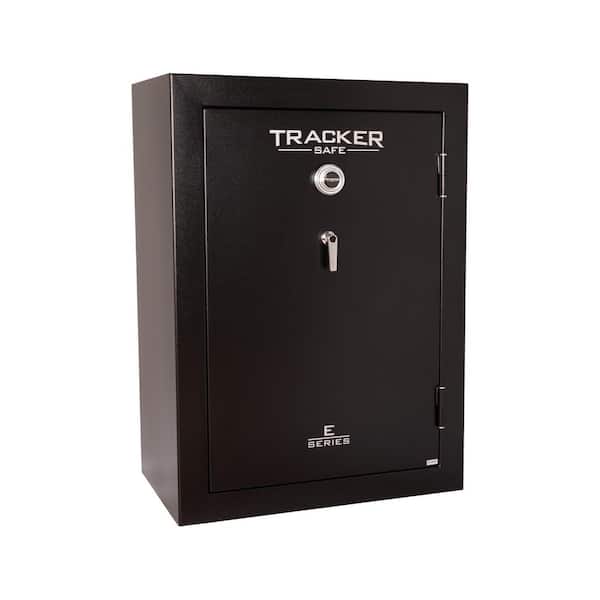
Fire Protection Basics
Fire protection is a key factor for anyone choosing a rifle safe. Not all safes offer the same level of fire resistance. Understanding the basics helps you pick the right safe. It also explains how safes protect your firearms from fire damage.
This section breaks down fire resistance, types of fire ratings, and materials that help resist heat.
How Fire Resistance Is Measured
Fire resistance shows how long a safe can protect contents from heat. Testing labs expose safes to high temperatures for set times. Common tests last 30, 60, or 90 minutes. The safe must keep internal heat below a safe limit. This limit prevents damage to guns and ammunition inside.
Tests use specific temperature curves to mimic real fires. The goal is to see if the safe’s interior stays cool enough. A safe with better fire resistance lasts longer in extreme heat.
Types Of Fire Ratings
Fire ratings tell how long a safe can withstand fire. Ratings usually appear as minutes, like 30 or 60 minutes. Some safes have a UL (Underwriters Laboratories) rating. UL tests safes and gives trusted fire ratings.
Other ratings come from different organizations or standards. Look for safes with clear fire ratings. This shows the safe has passed real fire tests. Without a fire rating, you cannot be sure the safe protects against fire.
Materials That Resist Heat
Fire-resistant safes use special materials inside their walls. These materials absorb heat and slow its spread. Common materials include fireboard, gypsum, and concrete composite. They create a barrier between fire and your guns.
The safe’s outer steel shell also helps protect from flames. Thicker steel can delay heat penetration. The combination of steel and fireproof materials keeps the inside cooler. This protection reduces the risk of heat damage during a fire.

Rifle Safe Construction
A rifle safe must be strong and reliable to protect your firearms. Its construction plays a big role in safety. Quality materials and fireproof features help keep rifles safe from fire damage. Understanding these parts helps you choose the right safe.
Not all rifle safes offer the same level of fire protection. The design and materials used can vary a lot. Let’s explore the key elements of rifle safe construction.
Common Materials Used
Steel is the most common material for rifle safes. It offers strong protection against theft and fire. Thicker steel walls mean better defense. Some safes use composite materials to add strength and reduce weight. The quality of the metal affects how well the safe resists heat and impact.
Fireproofing Features
Fireproofing is critical in rifle safes. Many safes have fire-resistant coatings or panels. These layers slow down heat transfer inside the safe. Some models meet fire-resistance standards set by testing organizations. Fireproof safes protect guns and ammo from high temperatures for a certain time.
Seal And Insulation Roles
Seals keep smoke and heat out during a fire. Good safes use heat-activated seals that expand to close gaps. Insulation inside walls blocks heat from reaching the contents. It also helps maintain a cooler temperature inside. Proper seals and insulation are key to protecting rifles from fire damage.
Fireproof Vs Fire-resistant Safes
Choosing the right safe for your rifles means understanding fire protection types. Safes come as fireproof or fire-resistant, but these terms are not the same. Knowing the difference helps you protect your firearms and valuables better.
Key Differences
Fireproof safes claim to withstand fire without damage inside. They use special materials and seals to keep heat out. These safes can protect contents for a set time at high temperatures.
Fire-resistant safes delay heat entry but may not fully block it. They slow down heat transfer, giving you more time before damage occurs. These safes are usually less expensive but offer lower protection.
Performance Under Extreme Heat
Fireproof safes keep the inside temperature below critical levels during fires. They maintain cool conditions to protect electronics, paper, and guns. Ratings often show how long they last, like 30 minutes or 1 hour.
Fire-resistant safes can handle heat for shorter periods. Over long fires, heat might seep in and harm contents. They work well against brief or low-intensity fires but not extreme heat.
Limitations Of Rifle Safes In Fire
Rifle safes offer protection against theft and fire. Yet, they have limits in fire situations. Understanding these limits helps you pick the right safe. It also shows how to protect your rifles better.
Duration Of Protection
Most rifle safes protect for a limited time. Usually, the fire rating shows hours of protection. Common ratings are 30, 60, or 90 minutes. Fires can burn longer than these times. After the rated time, heat can damage the safe’s contents.
Temperature Thresholds
Rifle safes resist heat up to a certain temperature. This is often around 1,200°F to 1,700°F. Fires can reach temperatures above this range. When the safe’s temperature limit passes, damage happens inside. Electronics, wood, and gun parts can warp or melt.
Potential Damage Risks
Heat can ruin rifle stocks and scopes. Smoke and water from firefighting harm rifles too. Even if the safe stays closed, moisture can enter. Long heat exposure can weaken metal parts. Not all safes stop this damage fully.
Certifications And Testing Standards
Not all rifle safes offer the same level of fire protection. Certifications and testing standards show how well a safe can protect guns during a fire. These standards help buyers know which safes meet strict fire safety rules. Understanding these certificates and tests can guide you to safer choices for your firearms.
Important Fire Safety Certifications
One main certification is from UL, or Underwriters Laboratories. UL tests safes to see how long they keep the inside cool during fire. Another key certification is from Intertek, called ETL. ETL also checks safes for fire resistance and quality. Both UL and ETL marks mean the safe passed tough fire tests. Look for these labels to find safes that protect guns from heat and flames.
Testing Procedures Explained
Testing starts by heating the safe in a furnace. The temperature inside the furnace can reach over 1,800 degrees Fahrenheit. The safe stays in the furnace for a set time, usually one hour or more. During this time, the inside of the safe must stay below a certain temperature. This limit protects gunpowder and ammunition from exploding or damage. Sensors measure the heat inside the safe. Passing these tests means the safe can protect guns in real fires.
Choosing The Right Fire-resistant Rifle Safe
Choosing the right fire-resistant rifle safe is essential for protecting your firearms and valuables. Not all safes offer the same level of fire protection. Some focus more on burglary resistance, while others specialize in fireproofing. Understanding your needs helps you pick a safe that matches your risk and budget.
Assessing Your Fire Risk
Start by considering the fire risk in your area. Think about how common house fires are nearby. Also, check your home’s fire safety features like smoke detectors and sprinklers. The higher the risk, the stronger fire protection you need. Decide how long you want the safe to protect your items during a fire. Most safes offer protection for 30 minutes to 2 hours.
Features To Look For
Look for safes with clear fire ratings. These ratings show how long the safe can resist heat and at what temperature. A good fire-resistant safe keeps internal temperature below 350°F. This protects gun powder and wood parts inside your rifles. Choose safes with insulation materials like gypsum or fireboard. These materials slow down heat transfer. Check for tight door seals that block smoke and heat.
Balancing Security And Fire Protection
Rifle safes must balance fire protection with security. A safe that is fireproof but easy to break defeats the purpose. Look for models with strong locking systems and solid steel walls. Heavy safes resist theft and fire damage better. Avoid safes that focus only on fire resistance or only on burglary. Aim for a safe that protects against both threats. This ensures your rifles stay safe from fire and theft.
Additional Fire Safety Measures
Protecting rifles from fire needs more than just a safe. Some safes resist fire, but not all. Extra steps help keep guns safe and secure during a fire emergency.
Fireproof Storage Options
Fireproof safes use special materials to resist heat. They keep guns cool and dry inside. Look for safes with a good fire rating. These ratings show how long a safe can protect items in fire. A fireproof safe adds strong protection beyond regular metal safes.
Smoke And Heat Detectors
Smoke and heat detectors warn you early about fire. They give time to act before fire spreads. Install detectors near where you keep your rifles. Test detectors often to ensure they work. Early alerts help protect your home and firearms.
Emergency Preparedness Tips
Have a plan for fire emergencies. Know how to exit your home safely. Keep important keys or codes for safes in a quick-to-find spot. Practice fire drills with your family. Being ready helps save lives and valuables during fires.
Frequently Asked Questions
Do All Rifle Safes Offer Fire Protection?
No, not all rifle safes protect from fire. Many focus on theft prevention only. Fire-resistant safes have specific ratings and insulation to withstand heat and flames. Always check the safe’s fire rating before purchase.
How Do Fire-resistant Rifle Safes Work?
Fire-resistant safes use special insulation materials. These materials keep internal temperatures low during a fire. This protects your rifles and valuables from heat damage. The safe’s door seal also prevents smoke and flames from entering.
What Fire Rating Should A Rifle Safe Have?
Look for safes with a minimum 30-minute fire rating at 1,000°F or higher. Longer ratings provide better protection. This rating means the safe can withstand fire exposure for that time without damage inside.
Can A Rifle Safe Protect Against Both Fire And Theft?
Yes, some rifle safes combine fire resistance and strong locking mechanisms. They provide dual protection. However, these models tend to be more expensive. Choose one based on your security and fire safety needs.
Conclusion
Not all rifle safes protect against fire. Some safes offer only basic security. Fire-resistant safes have special materials to block heat. Choosing the right safe depends on your needs. Check product details to confirm fire protection. Investing in a fireproof safe keeps your firearms safer.
Think about where you store your safe too. Fire safety matters as much as theft prevention. Stay informed and pick a safe that fits your situation. Protect your rifles from both theft and fire risks.