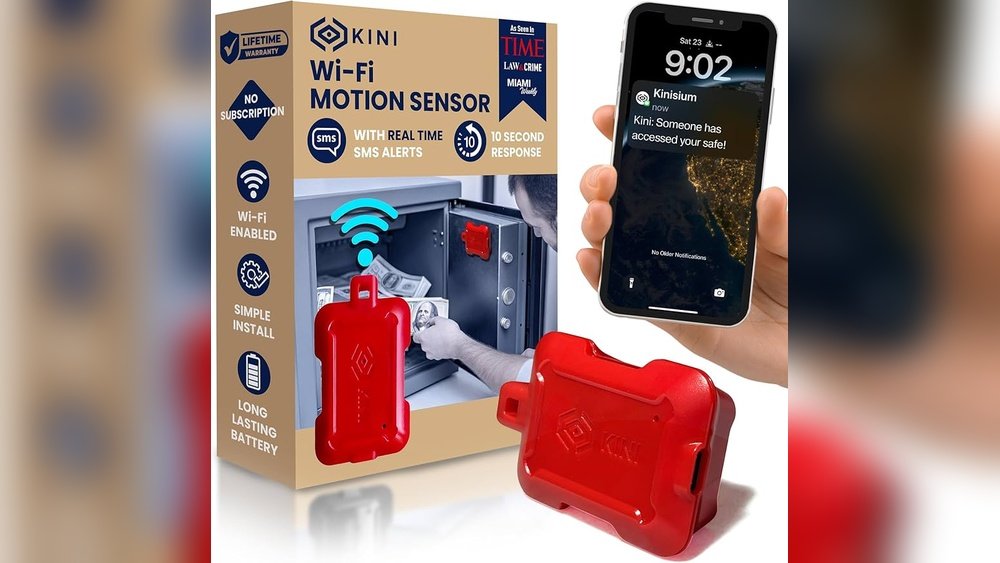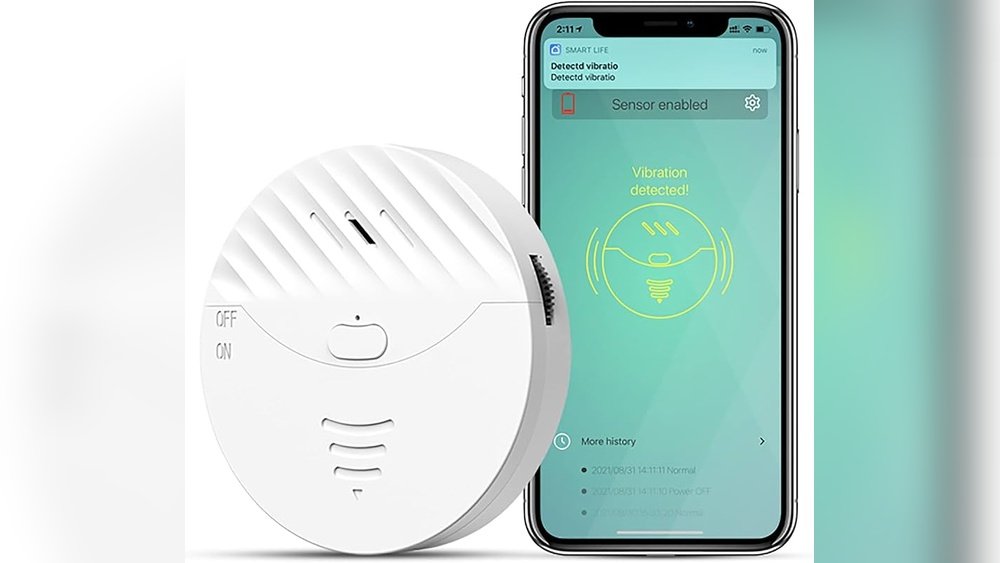
Are you looking to boost your home security without adding complicated gadgets? Imagine a sensor that can detect even the slightest vibrations—like someone trying to break in or tamper with your windows—and instantly alert your alarm system.
Vibration sensors can do just that, but can they really work seamlessly with your existing home security alarms? If you want to know how this technology can protect your home better and what it takes to integrate these sensors with your system, keep reading.
This could be the simple upgrade that makes your home much safer.
Vibration Sensors Basics
Vibration sensors detect movements or shaking in objects and surfaces. They play a key role in home security systems. These sensors can notice unusual vibrations caused by breaking, tapping, or other activities. Understanding how they work helps in knowing their benefits for home alarms.
Types Of Vibration Sensors
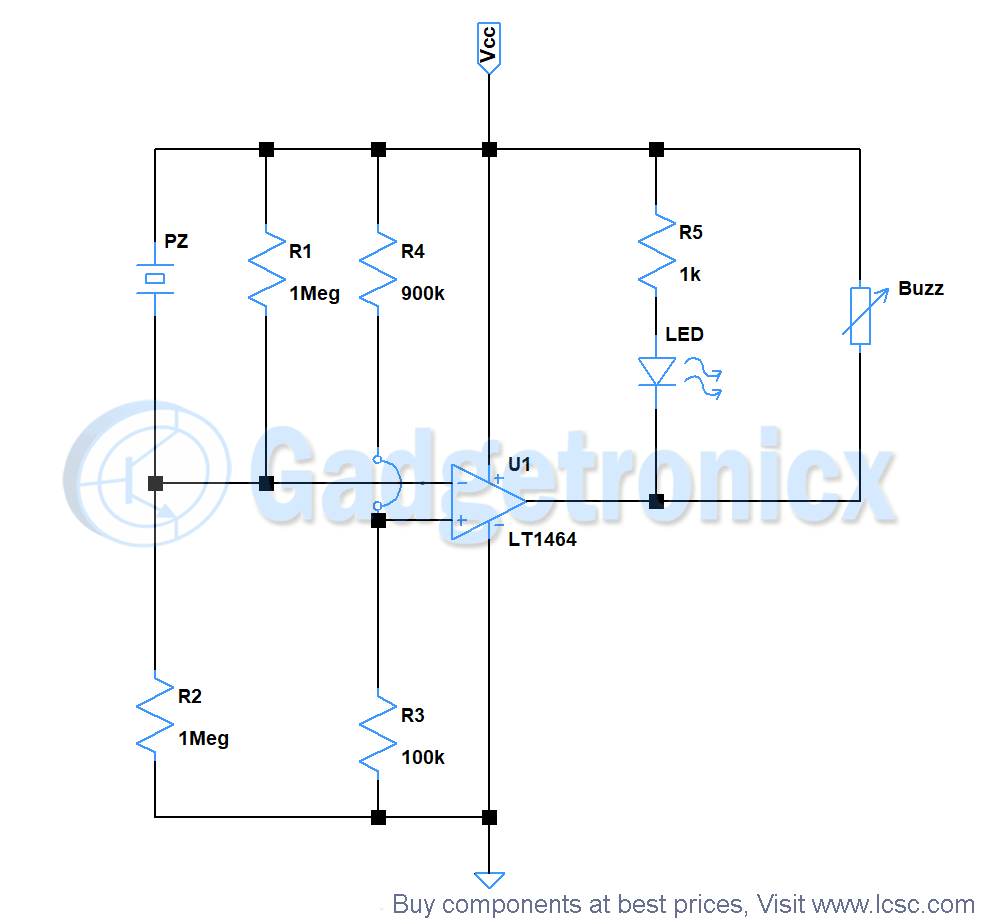
Several types of vibration sensors exist. Piezoelectric sensors generate electric signals from vibrations. They are very sensitive and commonly used. Capacitive sensors change their electric capacity when they move. They work well in different environments. Accelerometers measure the speed and direction of vibrations. These sensors can detect even small shakes. Each type suits different security needs.
How Vibration Sensors Work
Vibration sensors convert physical movement into an electrical signal. When something vibrates, the sensor senses the motion. This triggers an alert in the security system. Sensors send the data to an alarm control panel. The system then decides to notify the homeowner or security service. This quick response helps stop break-ins early. The sensors work continuously to protect your home.
Home Security Alarms Overview
Home security alarms protect homes from break-ins and other dangers. They alert homeowners and authorities about possible threats. Many systems use sensors placed around the house to detect unusual activity. These sensors can sense motion, sound, or even vibrations. Understanding common alarm systems and their key features helps in choosing the right setup.
Common Alarm Systems
Wired alarm systems connect sensors to a central control panel using cables. These systems are reliable but harder to install. Wireless alarm systems use radio signals to link sensors and control panels. They are easy to install and move if needed. Hybrid systems combine wired and wireless parts for flexible security. Some alarms include cameras for video monitoring. Others work with smart home devices for remote control.
Key Security Features
Most alarms include motion detectors that sense movement inside the house. Door and window sensors trigger alarms if openings are forced. Glass break sensors listen for the sound of breaking glass. Some alarms have vibration sensors to detect shaking or impact. Sirens produce loud sounds to scare off intruders. Many systems send alerts to phones or security services. Backup batteries keep alarms working during power outages.
Integration Benefits
Integrating vibration sensors with home security alarms brings several key benefits. It improves the overall safety of your home. These sensors add another layer of protection by detecting unusual movements and shocks.
Vibration sensors work alongside traditional security devices. This teamwork creates a stronger alarm system. The integration helps catch threats faster and reduces false alarms.
Enhanced Intrusion Detection
Vibration sensors detect shaking or tapping on doors and windows. This ability helps spot break-in attempts early. The sensors trigger the alarm before intruders enter the house.
They sense even small vibrations. This makes them useful for fragile entry points. The sensors cover blind spots that cameras might miss. They increase the accuracy of your security system.
Early Warning Capabilities
The sensors alert you about possible threats quickly. Early warnings give you time to act. You can call for help or secure your valuables.
This quick response reduces damage and theft risks. The sensors work day and night without tiring. They continuously monitor for any suspicious activity.

Compatibility Factors
Compatibility factors play a key role in integrating vibration sensors with home security alarms. These factors ensure the devices work well together. Matching the right sensor with the alarm system and understanding connectivity options are essential steps. This helps create a strong, reliable security setup that responds quickly to threats.
Sensor And Alarm System Matching
Choosing a vibration sensor that fits your alarm system is vital. Sensors differ in sensitivity and signal type. Some sensors send analog signals, while others use digital signals. Your alarm system must support the sensor’s signal type. Also, check the sensor’s detection range. It should cover the area you want to protect.
Compatibility also depends on power supply. Some sensors need batteries, others use wired power. Match the sensor’s power needs with your alarm system’s capabilities. This prevents power issues and false alarms. Confirm the sensor and alarm system work on the same voltage level.
Connectivity Options
Connectivity defines how sensors communicate with alarms. Common types include wired, wireless, and hybrid connections. Wired sensors use cables to send signals. They are reliable but harder to install. Wireless sensors use radio frequencies or Wi-Fi. They are easier to install but may face interference.
Choose connectivity based on your home’s layout and security needs. Wireless options offer flexibility but check for signal range and battery life. Wired options offer steady signals but need more setup time. Some systems support both types for added convenience and security.
Installation Tips
Installing vibration sensors with home security alarms improves protection. Proper setup ensures sensors detect vibrations accurately. Follow these tips to install sensors correctly for the best results.
Optimal Sensor Placement
Place sensors on doors and windows where vibrations show intrusion. Avoid areas with constant shaking like near appliances or heavy traffic. Position sensors close to the surface that may face impact. Keep sensors away from metal frames to reduce false alarms. Test placement by gently tapping the surface before final installation.
Wiring And Wireless Setup
Wired sensors need secure connections to avoid loose wires. Use cable clips to keep wires neat and safe. Check the home alarm system manual for wiring instructions. Wireless sensors require strong signal strength for reliable alerts. Install batteries fully charged and replace them regularly. Test the wireless connection after installation to confirm proper function.
Troubleshooting Integration Issues
Troubleshooting integration issues between vibration sensors and home security alarms is important. These systems must work well together to keep your home safe. Problems may arise due to wiring, settings, or sensor placement. Identifying the cause helps fix these issues fast. Regular checks and proper care prevent many problems.
Common Problems
One common problem is false alarms. Vibration sensors might trigger alarms from small shakes or nearby traffic. Another issue is signal loss. Sensors may fail to send alerts if batteries are low or connections are weak. Sometimes, sensors are not compatible with the alarm system. This causes errors or no alerts. Wrong sensor placement can also reduce sensitivity. Sensors placed on soft surfaces may not detect vibrations well.
Maintenance Advice
Keep sensors clean and free from dust. Dust can block sensor signals. Check battery levels often and replace old batteries. Test sensors regularly to confirm they work. Adjust sensor position for better detection. Follow manufacturer instructions for installation and updates. Update alarm system software to improve compatibility. Proper maintenance ensures reliable performance and fewer issues.
Smart Home Integration
Smart home integration allows vibration sensors to work smoothly with home security alarms. These sensors detect unusual vibrations caused by forced entry or tampering. When linked to a smart system, they add an extra layer of protection to your home. You can control and monitor your security setup from anywhere. This makes your home safer and more responsive to threats.
Connecting With Home Automation
Vibration sensors can connect directly to your home automation hub. This connection lets the sensors send signals to your security alarms instantly. You can set rules to trigger alarms or lights when vibrations are detected. The integration helps create a smarter and more connected security system. It also supports other smart devices like cameras and locks.
Using Mobile Alerts
Mobile alerts notify you immediately about any vibration activity. These alerts come through apps linked to your home security system. You can receive messages, calls, or push notifications on your phone. This feature helps you react quickly to potential threats. Mobile alerts keep you informed, even when you are away from home.

Cost And Value Considerations
Cost and value are key factors when adding vibration sensors to home security alarms. Understanding expenses helps plan better. It also shows if the investment is worthwhile. Vibration sensors vary in price depending on features and quality. Choosing the right balance between cost and performance is essential.
Budgeting For Sensors And Systems
Prices for vibration sensors range from affordable to premium. Basic models suit small homes or simple needs. Advanced sensors offer better sensitivity and integration options. Installation costs can add to the total price. Some systems require professional setup, which raises expenses. Homeowners should consider sensor quantity and type. This helps avoid overspending or missing coverage.
Long-term Security Benefits
Vibration sensors can reduce false alarms by detecting real threats. They improve overall system reliability and safety. Early detection prevents costly damage from break-ins or accidents. Lower insurance premiums may follow improved home security. These benefits often offset initial sensor costs. Investing in quality sensors leads to lasting peace of mind.
Frequently Asked Questions
Can Vibration Sensors Detect Home Break-ins?
Yes, vibration sensors can detect unusual vibrations caused by break-ins. They trigger alarms when sensing forced entry or tampering, enhancing home security effectively.
How Do Vibration Sensors Connect To Alarm Systems?
Vibration sensors connect via wired or wireless methods. They send signals to the alarm control panel, activating alerts when vibrations exceed set thresholds.
Are Vibration Sensors Compatible With Smart Home Alarms?
Most modern vibration sensors are compatible with smart home alarms. They integrate seamlessly, allowing real-time alerts and remote monitoring through mobile apps.
Do Vibration Sensors Reduce False Alarms In Security Systems?
Yes, vibration sensors help reduce false alarms by detecting specific vibration patterns. This precision minimizes alerts from everyday activities like heavy footsteps or minor knocks.
Conclusion
Vibration sensors fit well with home security alarms. They detect movement and alert you fast. These sensors add an extra layer of protection. They help catch intruders before damage occurs. Integration is usually simple and cost-effective. Many systems support vibration sensor connections today.
This makes homes safer without complex setups. Choosing the right sensor improves your alarm’s response. Safety grows stronger with smart sensor use. A secure home brings peace and confidence.