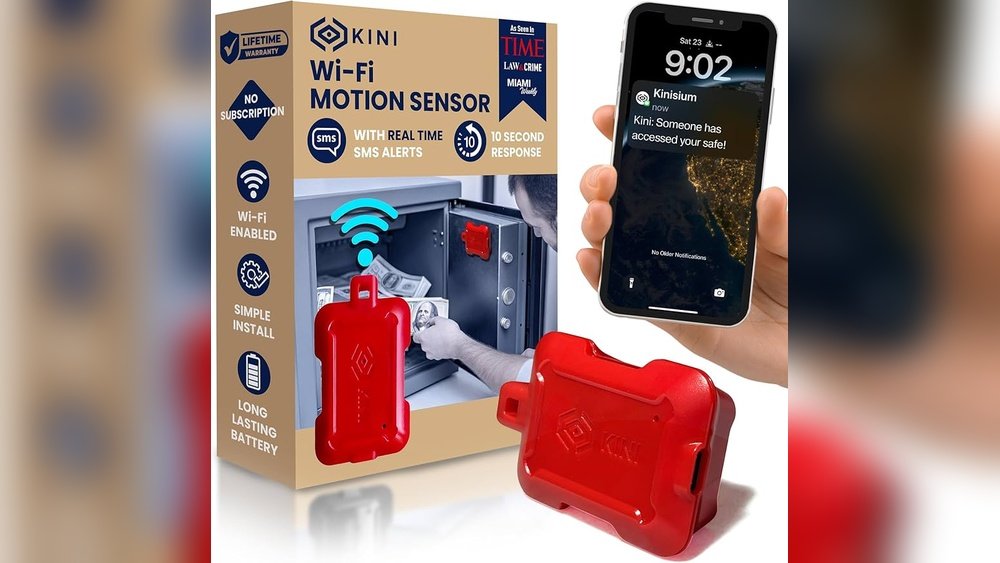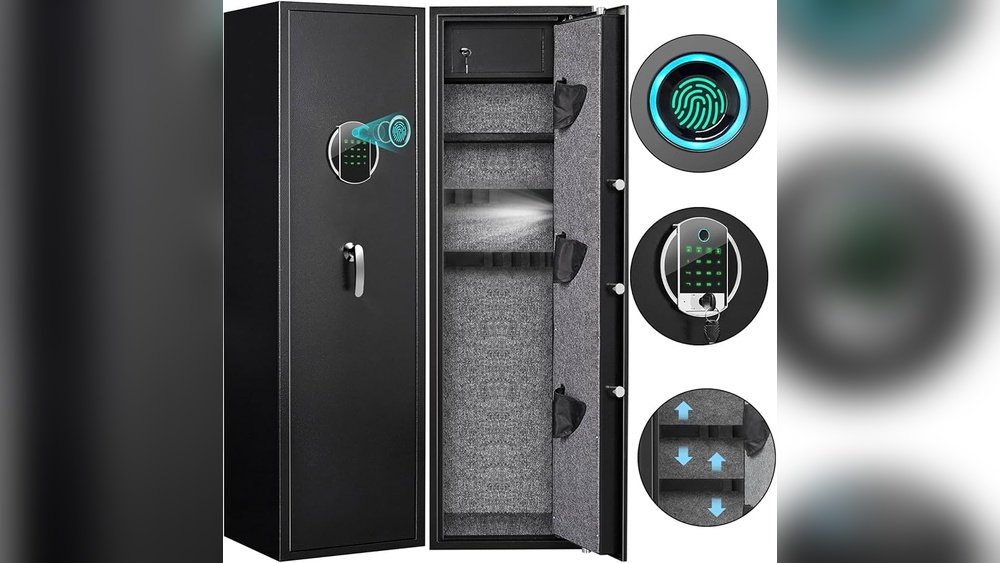
Are you looking for the best way to protect your valuables with vibration sensors? You might be wondering if these sensors can be hidden inside or outside your safe.
The answer isn’t as simple as you think. Where you place a vibration sensor can make a big difference in how well it detects tampering and keeps your belongings secure. You’ll discover the pros and cons of hiding vibration sensors both inside and outside your safe.
By the end, you’ll know exactly how to boost your safe’s protection without compromising its design. Keep reading to find out what works best for your security needs.
Types Of Vibration Sensors
Vibration sensors detect movement or shaking around objects like safes. These sensors come in different types. Each type serves a specific purpose depending on where you want to place the sensor. Understanding these types helps in choosing the right sensor for your safe’s security.
Internal Sensors
Internal sensors sit inside the safe. They detect vibrations caused by tampering or forced entry. These sensors are hidden from view, making them hard to find. They protect the safe from inside threats. Internal sensors often use accelerometers to sense small movements.
External Sensors
External sensors attach to the outside of the safe. They sense vibrations or impacts on the safe’s surface. These sensors are easy to install and maintain. External sensors can alert you to attempts to move or break the safe. They work well in places where internal installation is difficult.
Comparing Sensor Technologies
Different sensors use different technologies. Accelerometers are common for precise vibration detection. Piezoelectric sensors generate electrical signals from vibration. Capacitive sensors detect changes in electrical fields caused by movement. Each technology has strengths and weaknesses. Choose based on sensitivity, size, and installation needs.
Advantages Of Hidden Sensors
Hidden vibration sensors offer unique benefits for safe security. They add an extra layer of protection without alerting intruders. These sensors can detect unusual movements quietly and effectively.
Placing sensors out of sight limits the chance of tampering or disabling. It keeps the safe’s defense strong and reliable. The hidden setup helps maintain the sensor’s functionality over time.
Enhanced Security
Hidden sensors are hard to spot by burglars. This surprise factor increases the chance of detecting break-in attempts early. The sensors monitor vibrations caused by drilling or forced entry.
Because they stay out of view, thieves cannot easily avoid triggering them. This keeps the safe safer for longer periods. Hidden sensors catch threats that visible alarms might miss.
Tamper Resistance
Concealed sensors reduce the risk of being disabled. Intruders find it difficult to locate the exact sensor position. This prevents easy tampering or cutting of wires.
Hidden placement ensures the sensor works continuously without interruption. It increases the overall reliability of the security system. Tamper resistance helps maintain constant protection for valuable items.
Challenges With Sensor Placement
Placing vibration sensors near or inside a safe is not simple. The location affects how well the sensor works. Choosing the right spot takes careful thought. Sensors must detect vibrations accurately without false alarms. The installation process can also limit sensor placement. These challenges affect security and sensor performance.
Detection Risks
Placing sensors outside the safe may miss small vibrations. Outside sensors face more noise from the environment. This can cause false alarms or missed detections. Inside sensors detect vibrations directly from the safe. But they can be harder to install and maintain. Choosing between inside or outside placement risks missing important signals.
Installation Constraints
Installing sensors inside a safe needs space and access. Some safes have thick walls that block signals. Sensors must not damage the safe or affect its function. Outside sensors are easier to install but might be noticed. Wires and batteries need safe routing to avoid tampering. These limits make finding the perfect sensor spot tough.

Integration With Alarm Systems
Integrating vibration sensors with alarm systems boosts safe security significantly. These sensors detect unusual movements or shocks and send signals to the alarm system. This connection allows quick responses to potential break-ins or tampering attempts.
Signal Processing
Vibration sensors convert physical vibrations into electrical signals. The alarm system processes these signals to decide if there is a threat. It filters out normal vibrations, like footsteps or minor bumps. Only strong or unusual signals trigger alarms. This reduces false alarms and improves reliability.
Alert Mechanisms
The alarm system reacts instantly once it confirms a threat. It can sound sirens, flash lights, or send notifications to owners or security services. Alerts may come as phone calls, texts, or app messages. This ensures fast action to protect the safe and its contents.
Expert Recommendations
Experts suggest careful placement of vibration sensors to enhance safe security. These sensors detect unauthorized movements or tampering. Proper installation improves their accuracy and effectiveness.
Choosing whether to place sensors inside or outside depends on the safe type and environment. Both methods have pros and cons. Following expert advice helps maximize protection.
Best Practices For Installation
Install sensors on solid surfaces to reduce false alarms. Avoid areas with heavy vibrations from machines or traffic. Use recommended mounting hardware to ensure firm attachment. Position sensors where they can detect any safe movement. Test the sensor after installation to confirm proper function. Keep the sensor hidden from plain sight to prevent tampering.
Maintenance Tips
Check sensors regularly for dust or dirt buildup. Clean sensors gently with a dry cloth to maintain sensitivity. Test sensors periodically to ensure they respond to vibrations. Replace batteries on time to avoid sensor failure. Inspect mounting points for wear or loosening. Update sensor software if the model supports it.

Future Trends In Vibration Sensing
Vibration sensing technology is evolving quickly. New trends show how sensors can become more useful and less visible. These changes will impact where and how vibration sensors are placed on safes. Sensors may be hidden better, inside or outside the safe, without losing accuracy.
Future vibration sensors will be smaller and smarter. They will work with other security systems to protect valuables more efficiently. The technology will adapt to different safe designs and environments, making protection stronger and easier to manage.
Advances In Sensor Miniaturization
Sensors are getting smaller and more powerful. Tiny vibration sensors can fit inside thin layers of safe walls. Small size means they can be hidden inside safes without changing the safe’s look. Mini sensors also use less energy. This makes them last longer and need less maintenance.
Miniaturized sensors can detect even the smallest vibrations. This helps catch attempts to break in early. Small sensors can be placed in many spots, covering more area. This improves overall security and makes safes harder to tamper with.
Smart Safe Technologies
Smart safes use vibration sensors that connect to the internet. They send alerts to owners or security staff instantly. Smart safes can track unusual movements and vibrations in real time. This helps respond quickly to threats.
These safes combine vibration sensors with cameras and alarms. They create a full security system that works together. Smart safes adjust sensitivity based on the environment. This reduces false alarms and improves reliability.
Frequently Asked Questions
Can Vibration Sensors Be Installed Inside A Safe?
Yes, vibration sensors can be installed inside a safe. They detect unusual movements or tampering from within. This placement helps secure the safe without visible devices, enhancing stealth and protection against break-ins.
Are External Vibration Sensors Effective For Safe Security?
External vibration sensors are effective for safe security. They monitor impacts or attempts to open the safe. Positioned outside, they provide immediate alerts and deter thieves before damage occurs.
What Are The Benefits Of Hiding Vibration Sensors In Safes?
Hiding vibration sensors in safes improves security by making detection difficult. It prevents tampering and false alarms from external sources. This covert setup increases the chances of early threat detection.
How Do Vibration Sensors Detect Safe Break-in Attempts?
Vibration sensors detect break-in attempts by sensing unusual shaking or impacts. When triggered, they send alerts to owners or security systems. This quick response helps prevent theft or damage.
Conclusion
Vibration sensors can work well inside or outside a safe. Each place has its own benefits. Inside sensors detect movement directly on the safe walls. Outside sensors can sense attempts to open or move the safe. Choose the spot that fits your security needs best.
Proper placement helps catch threats quickly. Always test your sensors after installation. Good protection means peace of mind. Stay safe and keep your valuables secure.