You’ve invested in a rifle safe to protect your firearms, but have you ever wondered—can thieves actually crack it? It’s a question that might keep you up at night.
After all, your safety and peace of mind depend on knowing whether your valuable weapons are truly secure. You’ll discover the real risks, how thieves might try to break in, and what you can do to make your safe nearly impenetrable.
Keep reading to learn how to stay one step ahead and protect what matters most.
Rifle Safe Basics
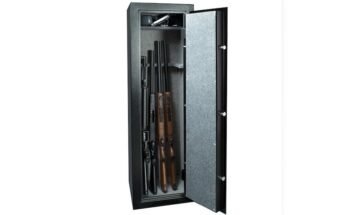
Rifle safes are essential for secure firearm storage. They protect rifles from theft and damage. Understanding the basics helps choose the right safe. This section covers the main types of safes, lock options, and build quality.
Types Of Rifle Safes
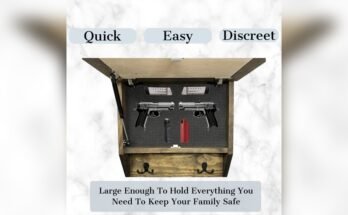
Rifle safes come in different styles and sizes. Some are large with shelves for multiple guns. Others are compact, designed for one or two rifles. Wall safes fit into home walls, saving space. Floor safes hide rifles under carpets or furniture. Each type suits different needs and spaces.
Common Lock Mechanisms
Lock types vary in security and ease of use. Mechanical combination locks use dials to open. Electronic keypad locks offer quick access with a code. Biometric locks use fingerprints for high security. Some safes combine lock types for extra protection. The lock’s quality affects how hard it is to crack.
Materials And Build Quality
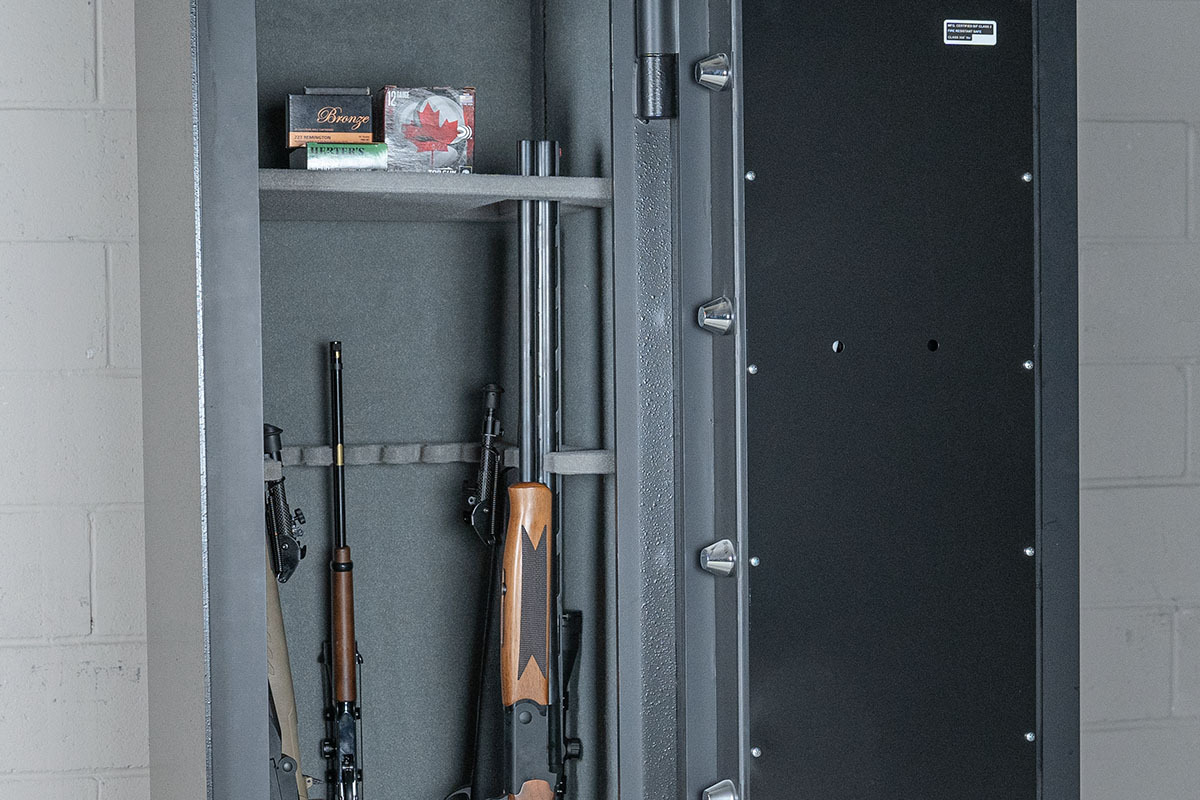
Strong materials make safes harder to break. Most rifle safes use thick steel walls. Steel thickness usually ranges from 10 to 14 gauge. Welded seams add strength and prevent easy entry. Good safes have reinforced doors and hinges. Quality build helps resist prying and drilling attacks.
Methods Thieves Use
Thieves use various methods to break into rifle safes. They choose tools and ways based on the safe’s lock type. Understanding these methods helps in choosing better security.
Lock Picking Techniques
Thieves often try to pick the lock. They use small tools to move the pins inside the lock. This method needs skill and patience. Simple locks can be picked quickly. High-quality locks make picking much harder.
Drilling And Physical Attacks
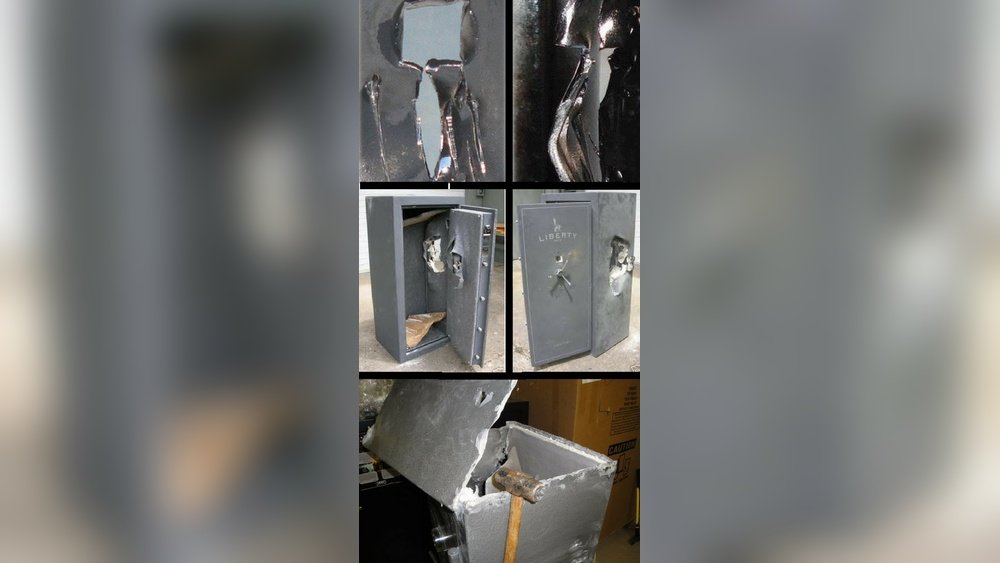
Drilling is a common way to break safes. Thieves use drills to make holes near the lock. This damages the safe and lets them reach inside. Some safes have hard plates to stop drilling. Physical attacks also include prying or hitting the safe. Strong safes resist these attacks better.
Bypassing Electronic Locks
Electronic locks can be bypassed too. Thieves may use devices to trick the lock’s system. Sometimes, they cut power to the lock or reset it. Advanced locks have alarms or backup power. These features protect against bypass attempts.
How Secure Are Rifle Safes?
Rifle safes provide a secure place to store firearms. Their security depends on build quality and lock type. Understanding these features helps assess how well a safe protects your rifles.
Thieves often try to break into safes using force or by picking locks. The design and certification of a safe play a key role in stopping them.
Resistance To Forced Entry
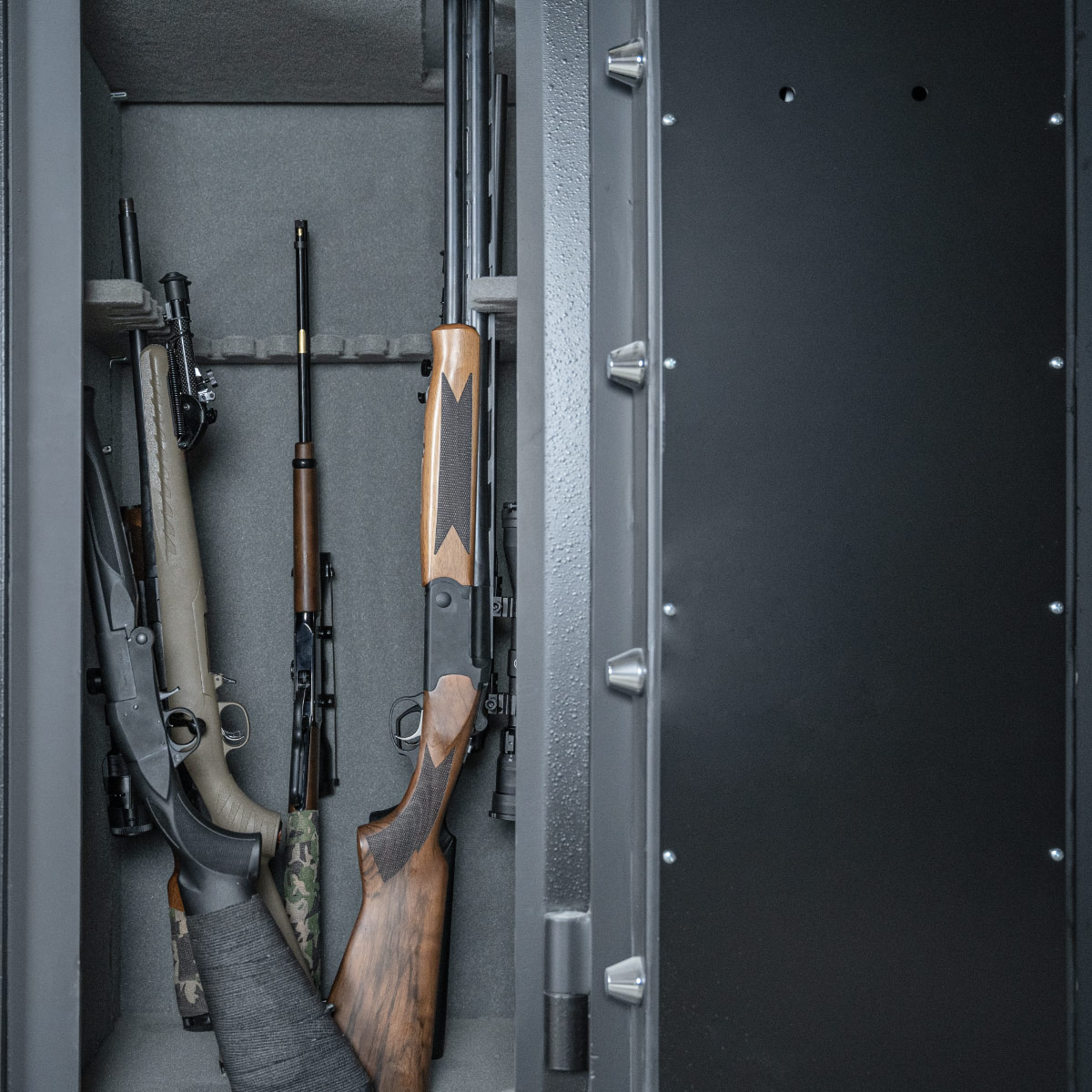
Good rifle safes use thick steel and strong welds. These materials resist cutting and prying. Solid doors with multiple locking bolts add extra defense. Some safes have reinforced hinges to prevent removal. The harder it is to force open, the safer your rifles remain.
Effectiveness Of Different Locks
Safes come with various lock types. Mechanical dial locks are tough but slow to open. Electronic keypad locks offer quick access and can be very secure. Biometric locks use fingerprints for added protection. Each lock type has pros and cons for safety and convenience. Quality of the lock matters more than style.
Role Of Safe Ratings And Certifications
Independent tests rate safes on strength and fire resistance. Look for ratings from organizations like UL or ETL. These certifications show the safe passed strict security tests. Higher-rated safes resist attacks longer and protect contents better. Choosing a certified safe reduces risk from thieves and fire.

Real-world Theft Cases
Real-world theft cases show how thieves target rifle safes. These cases teach us about common mistakes and weak points in safe security. Understanding these thefts helps improve protection and avoid losses.
Common Vulnerabilities Exploited
Thieves often focus on easy entry points. Many safes have weak locks that can be picked quickly. Some safes use simple electronic codes that thieves guess or bypass. Hinges outside the safe body are another target. Thieves can remove these to open the safe door. Poor installation also creates risks. A safe not bolted down can be carried away and opened elsewhere. Thin steel or cheap materials make the safe easier to break.
Lessons From Successful Break-ins
Each theft case teaches new lessons. Strong locks and solid construction are crucial. Bolting the safe to the floor or wall adds safety. Avoid safes with exposed hinges or simple codes. Choose safes with thicker steel and advanced locking systems. Regularly check your safe’s condition and update security features. These steps reduce the chance of a thief cracking the safe.
Enhancing Rifle Safe Security
Enhancing rifle safe security is important to protect your firearms. Thieves often try to break into safes, but strong security can stop them. Simple improvements can make your safe much harder to crack.
These steps help keep your rifles safe and give you peace of mind. Small changes in locks, placement, and extra tools can make a big difference.
Upgrading Locks And Alarm Systems
Basic locks can be easy for thieves to open. Upgrade to high-quality locks like biometric or electronic keypad locks. These locks need a fingerprint or code to open.
Adding an alarm system alerts you and others if someone tries to break in. Loud alarms scare thieves and call for help quickly. Both upgrades improve your safe’s defense.
Safe Placement And Anchoring
Place your safe in a hidden spot to avoid attention. Avoid obvious places like the bedroom closet or garage. Choose a location that is out of sight and hard to reach.
Anchor your safe to the floor or wall. This stops thieves from carrying it away. Use strong bolts and hardware to secure the safe tightly in place.
Additional Security Measures
Use security cameras to watch your safe area. Cameras record any suspicious activity around your safe. Visible cameras can also deter thieves from trying.
Consider motion sensors and smart home alerts. These devices notify you of unusual movement near your safe. Combining multiple security layers makes your rifle safe much tougher to crack.
Myths About Rifle Safe Security
Many people believe rifle safes are impenetrable. This is not always true. Myths about rifle safe security create a false sense of safety. Knowing these myths helps you protect your firearms better.
Overestimating Safe Strength
Some think all safes resist force equally. Many safes can be cracked with the right tools. Thieves often use crowbars, drills, or cutting tools. Heavy steel does not always mean strong protection. The safe’s design and materials matter a lot. A light safe may fail quickly under attack.
Misconceptions About Lock Types
People trust certain locks more than others. Mechanical locks are not always harder to break than electronic ones. Some electronic locks can be bypassed if poorly made. A quality lock matters more than the type. Simple locks may slow thieves but not stop them. Combining strong locks with solid safe walls is key.
Frequently Asked Questions
Can Thieves Break Into A Rifle Safe?
Yes, thieves can break into a rifle safe if it’s low quality or poorly secured. High-quality safes with strong locks and solid construction offer better protection against break-ins.
How Long Does It Take To Crack A Rifle Safe?
The time varies widely depending on safe quality and tools used. Professional thieves may crack cheap safes in minutes, but high-end safes can resist attacks for hours or longer.
Are Biometric Locks Safer For Rifle Safes?
Biometric locks add convenience and security by using fingerprints. They reduce risks of lost keys or forgotten combinations but should be paired with sturdy safe construction for best protection.
What Tools Do Thieves Use To Crack Rifle Safes?
Common tools include pry bars, drills, and cutting torches. Thieves often use these to exploit weak points in cheap or old safes, emphasizing the need for reinforced steel and quality locks.
Conclusion
Thieves can try to crack a rifle safe, but it is not easy. Good safes have strong locks and thick walls. This makes breaking in take a lot of time and effort. Most thieves want quick targets, so they avoid tough safes.
Still, no safe is completely unbreakable. Choosing a safe with good security features helps protect your rifles. Always keep your safe in a hidden or hard-to-reach place. These steps make it harder for thieves to get inside. Stay smart and keep your firearms secure.