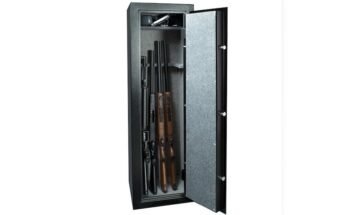
Have you ever wondered if your rifles can rust even when stored safely inside a gun safe? You might think that locking your firearms away protects them completely, but the truth is more complicated.
Rust can quietly damage your guns, reducing their value and reliability over time. Understanding how and why rust forms inside a safe can help you take the right steps to protect your investment. Keep reading to learn what puts your rifles at risk and how you can stop rust before it starts.
Rust Formation In Rifles
Rust formation in rifles is a common concern for gun owners. Even when rifles are stored inside a safe, rust can still develop. Understanding how rust forms helps in preventing damage. Proper care and awareness can keep rifles in good condition for years.
Rifles are made of metal that reacts with moisture and oxygen. This reaction causes rust, which weakens the metal. Rust can affect the rifle’s performance and appearance. Safe storage alone does not guarantee complete protection against rust.
How Rust Develops
Rust develops when metal meets water and oxygen. This process is called oxidation. Moisture in the air or on the rifle’s surface triggers it. Over time, the metal changes color and texture. Small rust spots can grow and spread quickly. Without removal, rust damages the rifle permanently.
Factors Contributing To Rust Inside Safes
Humidity inside safes plays a major role in rust formation. Safes can trap moisture if not ventilated properly. Sweat or dirt on the rifle also adds to the problem. Storing rifles with wet or oily surfaces increases rust risk. Temperature changes cause condensation inside the safe. Lack of rust prevention tools worsens the situation. All these factors create an environment where rust can grow.
Safe Environment And Rust Risk
Storing rifles inside a safe can protect them from theft and damage. Yet, the safe’s environment plays a key role in preventing rust. Rust forms when moisture touches metal surfaces. A safe that does not control moisture well can cause rust inside. Understanding how humidity, temperature, and air flow affect rust risk helps keep rifles safe and dry.
Humidity Levels And Their Impact
Humidity is the amount of water vapor in the air. High humidity means more moisture inside the safe. Moisture can settle on rifle parts and cause rust. Even a small amount of water can start corrosion. Keeping humidity below 50% reduces rust risk. Using a dehumidifier or moisture absorbers helps control humidity well.
Temperature Fluctuations
Temperature changes inside a safe cause moisture to form. Warm air holds more moisture than cold air. When the safe cools down, moisture condenses on metal surfaces. This wetness leads to rust over time. A stable temperature inside the safe is important. Avoid placing the safe near heaters or windows that cause heat changes.
Ventilation And Air Circulation
Air circulation inside the safe helps dry out moisture. A tightly sealed safe may trap humid air. Without fresh air, moisture lingers on rifles. Some safes have built-in vents or fans to improve airflow. Adding small desiccant packs also helps absorb excess moisture. Good ventilation keeps the metal dry and rust-free.
Materials And Coatings
Materials and coatings play a key role in protecting rifles inside a safe. Different metals and finishes affect how well a rifle resists rust. Likewise, the materials inside the safe influence moisture levels and air flow. Both factors impact rust formation. Understanding these details helps keep rifles in good condition over time.
Rifle Finishes That Resist Rust
Many rifles come with special finishes that fight rust. Blued steel is common. It adds a thin protective layer to the metal. Another option is stainless steel. It resists rust naturally because of its composition. Some rifles have coatings like Cerakote. This ceramic-based finish creates a tough, water-resistant barrier.
These finishes reduce the chance of rust even in humid places. Proper care extends the life of the finish. Regular cleaning removes dirt and oils that trap moisture. A good finish does not make rifles rust-proof, but it lowers risks significantly.
Safe Interior Materials And Their Role
The inside of a safe also affects rust risk. Many safes use metal shelves and walls. If these metals rust, they can increase moisture inside. Some safes have powder-coated interiors. This coating prevents rust and protects the safe itself.
Soft materials like foam or carpet line many safes. These materials absorb moisture unless they are treated. Moisture buildup inside the safe can cause rifles to rust faster. Using desiccants or dehumidifiers inside the safe helps control humidity.

Preventive Measures
Preventing rust inside a rifle safe requires simple, regular care. Small steps protect your firearms and keep them in top condition. Focus on controlling moisture, cleaning often, and applying protective coatings. These habits reduce the risk of rust and corrosion.
Using Dehumidifiers And Desiccants
Moisture causes rust. Dehumidifiers remove moisture from the air inside the safe. They keep the environment dry and safe for your rifles. Desiccants, like silica gel packs, absorb moisture too. Place them around the safe’s interior. Replace or recharge desiccants regularly for best results.
Regular Cleaning And Maintenance
Clean rifles often to stop rust build-up. Use a soft cloth to wipe dirt and oils. Check for any signs of rust or damage. Clean every part, including barrels and metal surfaces. Regular maintenance prevents small problems from growing.
Oil And Protective Coatings
Apply gun oil or rust-preventive coatings to metal parts. These form a barrier against moisture and air. Use oil sparingly to avoid attracting dust. Regular oiling keeps metal surfaces smooth and rust-free. Choose products made for firearms for safe use.
Safe Selection Tips
Choosing the right safe is important to keep rifles free from rust. A good safe protects guns from moisture and damage. Not all safes offer the same protection. Some safes help control humidity better than others. This section explains what to look for in a gun safe. It also highlights the role of humidity control systems.
Features To Look For In A Gun Safe
Look for a safe with strong steel walls and a tight door seal. These features stop moisture and dust from entering. A safe with a secure lock keeps your rifles safe from theft. Size matters too. Choose a safe big enough to hold all your guns comfortably. Some safes have shelves or racks that help organize rifles. Easy access matters. Pick a safe with a lock that you can open quickly in emergencies.
Humidity Control Systems
Humidity inside a safe causes rust on rifles. Choose safes with built-in humidity control systems. These systems lower moisture and keep air dry. Some safes use desiccant packs or electronic dehumidifiers. Both help prevent rust and corrosion. A hygrometer inside the safe shows current humidity levels. Keep humidity below 50% to protect your rifles. Regularly check and maintain these systems for best results.
Monitoring And Inspection
Proper monitoring and inspection keep rifles safe from rust inside a safe. Regular checks catch problems early. This helps protect the rifle’s metal parts and maintain its value. Simple tools and habits make monitoring easier.
Routine Checks For Early Signs Of Rust
Open the safe regularly to inspect your rifle. Look closely at metal surfaces for small rust spots. Check under the barrel, around screws, and near the trigger. Rust often starts in hidden areas. Use a soft cloth to wipe the rifle. This removes moisture and dust that cause rust.
Early rust appears as tiny orange or brown dots. Catching these early prevents bigger damage. Note any changes in color or texture. A clean rifle inside a dry safe lowers rust risks.
Tools For Monitoring Moisture Levels
Moisture causes rust, so measure humidity inside the safe. Use a small hygrometer to track moisture levels. Keep humidity below 50% to protect metal parts. Some safes have built-in hygrometers for easy checking.
Silica gel packs absorb moisture and reduce humidity. Replace or recharge them often. Dehumidifiers designed for gun safes also help control moisture. These tools keep the air dry, preventing rust formation.

Frequently Asked Questions
Can Rifles Rust Inside A Gun Safe?
Yes, rifles can rust inside a gun safe if moisture is present. Proper humidity control and regular maintenance prevent rust formation.
How Does Humidity Cause Rust In Gun Safes?
Humidity introduces moisture, which reacts with metal surfaces. This reaction leads to oxidation, causing rifles and parts to rust inside safes.
What’s The Best Way To Prevent Rust In A Safe?
Use dehumidifiers or moisture-absorbing products inside the safe. Regularly oil rifles and keep the safe clean and dry.
Does A Gun Safe Alone Stop Rifle Corrosion?
No, a safe alone doesn’t stop corrosion. Controlling humidity and cleaning firearms regularly are essential to prevent rust.
Conclusion
Rifles can rust inside a safe if moisture is present. Keeping guns dry and clean stops rust from forming. Use desiccants or dehumidifiers to control humidity. Regular checks help catch rust early and protect your rifles. Safe storage alone does not guarantee rust prevention.
Simple care steps keep your rifles in good shape. Rust-free guns last longer and perform better. Protect your investment with proper storage habits.